Table of Contents >> Show >> Hide
- What Are Oatmeal-Raisin Cookies?
- Why Oatmeal-Raisin Cookies Still Deserve a Spot in Your Cookie Jar
- The Key Ingredients in Great Oatmeal-Raisin Cookies
- A Reliable Oatmeal-Raisin Cookie Formula
- How to Make Oatmeal-Raisin Cookies Chewy, Not Dry
- Common Oatmeal-Raisin Cookie Problems and Fixes
- Delicious Variations
- Storage and Freezing Tips
- Food Safety Reminder
- Serving Ideas
- Why Homemade Oatmeal-Raisin Cookies Taste Better
- Personal Baking Experiences With Oatmeal-Raisin Cookies
- Conclusion
Oatmeal-raisin cookies are the cozy sweater of the cookie world: humble, dependable, slightly old-fashioned, and somehow exactly what you want when the kitchen smells like cinnamon and toasted oats. They may not arrive wearing rainbow sprinkles or a dramatic chocolate lava center, but one bite of a properly chewy oatmeal-raisin cookie proves that classics do not need a costume change.
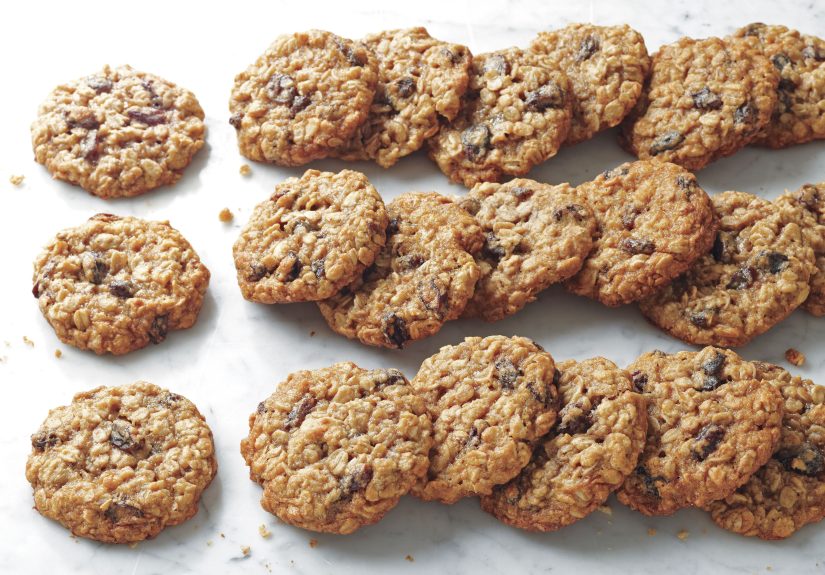
The best oatmeal-raisin cookies balance three things: hearty rolled oats, plump raisins, and a soft-chewy texture with lightly crisp edges. Too much flour makes them cakey. Too much baking turns them dry. Too little seasoning makes them taste like a bowl of oatmeal that forgot its personality. When done well, though, these cookies are buttery, warmly spiced, gently caramel-like from brown sugar, and full of raisins that taste sweet instead of sad.
This guide walks through what makes oatmeal-raisin cookies work, how to bake them better, common mistakes to avoid, and how to customize them without turning a beloved American cookie into a confused granola bar. Grab your oats. We are about to make raisins popular again, which frankly may be the most ambitious baking project of all.
What Are Oatmeal-Raisin Cookies?
Oatmeal-raisin cookies are classic American drop cookies made with oats, raisins, butter, sugar, flour, eggs, vanilla, baking soda, salt, and warm spices such as cinnamon or nutmeg. Their signature texture comes from oats, especially old-fashioned rolled oats, which add chewiness and structure. Raisins bring bursts of fruity sweetness, while brown sugar keeps the cookies soft and flavorful.
Unlike crisp sugar cookies or dense chocolate cookies, oatmeal-raisin cookies live in the delicious middle ground. They should be sturdy enough to hold in one hand, soft enough to bend slightly, and chewy enough to make you slow down for a second bite. The ideal cookie has golden edges, a tender center, visible oats, and raisins spread throughout so nobody gets one cookie with twelve raisins and another cookie with the emotional atmosphere of cardboard.
Why Oatmeal-Raisin Cookies Still Deserve a Spot in Your Cookie Jar
There is a reason oatmeal-raisin cookies have stayed popular for generations. They are easy to make, use pantry-friendly ingredients, and taste like something a grandparent would offer with milk, coffee, or unsolicited life advice. They also travel well, freeze well, and can be dressed up with nuts, orange zest, maple, molasses, or brown butter.
For home bakers, oatmeal-raisin cookies are forgiving but not boring. A small change in oats, sugar, spice, chilling time, or baking temperature can shift the result from soft and thick to crisp and lacy. That makes them a perfect recipe for learning how cookies behave. Think of them as Baking Science 101, but with snacks.
The Key Ingredients in Great Oatmeal-Raisin Cookies
Old-Fashioned Rolled Oats
Old-fashioned rolled oats are usually the best choice for oatmeal-raisin cookies because they create a hearty, chewy texture. Quick oats can work in some recipes, but they absorb moisture faster and can make cookies softer, denser, or less textured. Steel-cut oats are not ideal because they stay too firm in a standard cookie bake. Save those for breakfast unless you want your cookie to fight back.
Raisins
Raisins are the tiny drama queens of this recipe. When they are fresh and plump, they add sweetness, moisture, and chew. When they are dry, they turn into little leather pebbles. If your raisins feel hard, soak them in warm water for 10 minutes, then drain and pat them dry before adding them to the dough. This simple step can dramatically improve the final cookie.
Brown Sugar and Granulated Sugar
Brown sugar adds moisture, chewiness, and caramel flavor. Granulated sugar helps the edges spread and crisp. A cookie made with mostly brown sugar will be softer and deeper in flavor. A cookie made with more white sugar will be lighter and crisper. For a classic chewy oatmeal-raisin cookie, use more brown sugar than granulated sugar.
Butter
Butter gives oatmeal-raisin cookies richness and flavor. Softened butter can be creamed with sugar to trap air, making the cookies lighter. Melted or browned butter creates a denser, chewier cookie with a nuttier flavor. Brown butter is especially good with oats because it adds toasted, almost butterscotch-like notes. Just remember: browned butter loses water as it cooks, so some recipes may need a small splash of milk or water to keep the dough from becoming too dry.
Spices and Vanilla
Cinnamon is the classic spice, but nutmeg, ginger, allspice, or cloves can add complexity. Use spices like backup singers, not lead vocals. Too much clove can make a cookie taste like a holiday candle. Vanilla rounds out the flavor and helps the oats, butter, and raisins taste more complete.
A Reliable Oatmeal-Raisin Cookie Formula
While many excellent versions exist, a balanced homemade oatmeal-raisin cookie usually follows this structure:
- 1 cup unsalted butter, softened
- 1 cup packed brown sugar
- 1/2 cup granulated sugar
- 2 large eggs
- 2 teaspoons vanilla extract
- 1 1/2 cups all-purpose flour
- 1 teaspoon baking soda
- 1 1/2 teaspoons ground cinnamon
- 1/2 teaspoon fine salt
- 3 cups old-fashioned rolled oats
- 1 to 1 1/2 cups raisins
Cream the butter and sugars until smooth and slightly fluffy. Beat in the eggs and vanilla. In a separate bowl, whisk the flour, baking soda, cinnamon, and salt. Mix the dry ingredients into the wet ingredients just until combined, then fold in the oats and raisins. Scoop onto a lined baking sheet and bake at 350°F until the edges are golden and the centers look slightly underdone. They will continue to set as they cool.
How to Make Oatmeal-Raisin Cookies Chewy, Not Dry
Do Not Overbake
The most common oatmeal-raisin cookie mistake is baking until the whole cookie looks firm. By then, it is already overdone. Remove the cookies when the edges are lightly golden and the centers still look soft. They may seem slightly underbaked, but the heat trapped inside the cookie finishes the job on the baking sheet.
Use Enough Brown Sugar
Brown sugar contains molasses, which helps retain moisture. That moisture is one reason chewy oatmeal-raisin cookies stay pleasant after cooling. If your cookies often turn hard, try increasing the brown sugar slightly or replacing a small portion of granulated sugar with brown sugar.
Measure Flour Carefully
Too much flour is the cookie equivalent of putting on a winter coat in July. It weighs everything down. For the best results, spoon flour into the measuring cup and level it off, or use a kitchen scale. Scooping directly from the bag can pack in extra flour, leading to dry, cakey cookies.
Rest or Chill the Dough
Resting the dough gives oats time to absorb moisture and allows flavors to deepen. Even 30 minutes can help. Chilling for several hours or overnight creates thicker cookies with a more developed flavor. If the chilled dough becomes very firm, let it sit at room temperature for a few minutes before scooping.
Common Oatmeal-Raisin Cookie Problems and Fixes
Cookies Spread Too Much
If your cookies flatten into oat pancakes, the butter may have been too warm, the dough may need chilling, or the baking sheet may have been hot from a previous batch. Chill the dough for 30 to 60 minutes and always place dough on a cool baking sheet.
Cookies Are Too Thick or Cakey
Too much flour, too many quick oats, or overmixing can create cakey cookies. Mix only until the dry ingredients disappear. Use old-fashioned oats for better texture, and measure flour with care.
Raisins Taste Dry
Soak them. This is the easiest fix. Warm water, apple juice, or even a little orange juice can revive raisins before baking. Drain them well so they do not add unwanted liquid to the dough.
Cookies Taste Bland
Add enough salt, use real vanilla, and do not be shy with cinnamon. A pinch of nutmeg or a small spoonful of molasses can also deepen the flavor. Oats need seasoning just like anything else. Nobody wants a cookie that tastes like it is apologizing for existing.
Delicious Variations
Brown Butter Oatmeal-Raisin Cookies
Brown the butter until it smells nutty and turns golden with toasted milk solids. Cool it slightly before mixing with the sugars. This version tastes richer and more complex, with notes of caramel and toasted hazelnut.
Oatmeal-Raisin Walnut Cookies
Add 3/4 cup chopped toasted walnuts or pecans. Toasting the nuts first makes them crunchier and more flavorful. This variation is perfect for anyone who likes a cookie with more texture.
Maple Oatmeal-Raisin Cookies
Add a tablespoon or two of maple syrup and a tiny pinch of extra salt. Maple pairs beautifully with oats and raisins, creating a cozy fall flavor without requiring you to wear flannel.
Chocolate Chip Oatmeal-Raisin Cookies
For raisin skeptics, add 1/2 cup chocolate chips. The chocolate softens the raisin’s reputation and makes the cookie more crowd-friendly. This is diplomacy in dessert form.
Storage and Freezing Tips
Let oatmeal-raisin cookies cool completely before storing them. Warm cookies release steam, and trapped steam can make them soggy. Store cooled cookies in an airtight container at room temperature. For longer storage, refrigerate or freeze them in a sealed container.
Cookie dough also freezes well. Scoop the dough into balls, freeze them on a tray until firm, then transfer them to a freezer bag. Bake from frozen, adding a minute or two to the baking time. This method gives you emergency cookies, which should honestly be considered a household safety plan.
Food Safety Reminder
As tempting as it is to taste cookie dough, raw dough is not considered safe because it may contain raw flour and eggs. Flour is a raw agricultural product, and baking is what makes the dough safe to eat. Wash hands, utensils, bowls, and counters after handling raw flour, eggs, or dough. The finished cookies are worth the wait.
Serving Ideas
Oatmeal-raisin cookies are excellent with cold milk, hot coffee, black tea, or a scoop of vanilla ice cream. They also make great lunchbox treats because they are sturdy and not too messy. For a dessert board, serve them with apple slices, cheddar, toasted nuts, and dark chocolate. The oats and raisins make them feel rustic, while the right pairing makes them look intentional rather than “I found these in the pantry.”
Why Homemade Oatmeal-Raisin Cookies Taste Better
Store-bought oatmeal-raisin cookies often lean dry because they are built for shelf stability. Homemade cookies can be softer, fresher, and more fragrant. You control the spice level, raisin amount, baking time, and texture. You can pull them from the oven while the centers are still tender. You can eat one warm. You can pretend you are only checking for quality and then check five more times.
The real magic is aroma. Butter, cinnamon, oats, and raisins create a smell that makes a house feel instantly warmer. It is not flashy, but it is powerful. Oatmeal-raisin cookies remind us that dessert does not need to be complicated to be memorable.
Personal Baking Experiences With Oatmeal-Raisin Cookies
The first thing experience teaches you about oatmeal-raisin cookies is that people have opinions. Strong opinions. Mention them in a room and someone will immediately say, “I thought it was chocolate chip and I was betrayed.” This is unfair, but also a little funny. Raisins have spent decades being mistaken for chocolate, and somehow they are still showing up to work.
In actual baking, oatmeal-raisin cookies are one of the best recipes for understanding texture. The dough changes as it sits. Right after mixing, it may feel soft and sticky. After 30 minutes, the oats absorb moisture and the dough becomes easier to scoop. After chilling overnight, the flavor becomes deeper and the cookies bake thicker. This is why patience matters. The refrigerator is not just a cold box; it is a flavor waiting room.
Another lesson: raisins are better when treated kindly. Dry raisins straight from the back of the pantry can make even a good cookie disappointing. Soaking them briefly in warm water makes them plump and juicy again. Some bakers use apple juice, orange juice, or even a splash of vanilla water. The point is simple: if the raisins taste good before they go into the dough, they will taste better in the cookie.
Oats also have personality. Old-fashioned oats give a rustic chew that feels homemade in the best way. Quick oats make a softer, more uniform cookie. Neither is evil, despite what dramatic bakers may claim, but they do produce different results. If you want a cookie with visible oat texture and a satisfying bite, old-fashioned oats are the dependable choice.
One of the most useful experiences is learning when to pull the cookies from the oven. New bakers often wait until the centers look fully baked. That usually creates dry cookies. The better move is to remove them when the edges are set and golden but the centers still look slightly soft. Let them rest on the hot pan for a few minutes. They firm up without losing tenderness. This one habit can turn average oatmeal-raisin cookies into the kind people quietly take two of.
Oatmeal-raisin cookies are also excellent for sharing because they feel familiar. They are not too rich, not too delicate, and not too fussy. You can bring them to a picnic, a school event, an office snack table, or a neighbor’s house. They stack neatly, pack easily, and survive a little travel. Unlike frosted cookies, they do not require a security detail.
The best batches usually come from small improvements, not wild reinvention. Toast the nuts if you add them. Use enough salt. Do not skip vanilla. Try a pinch of nutmeg. Chill the dough when you have time. Use parchment paper for easier cleanup. Rotate the baking sheet if your oven has hot spots. These little decisions add up.
Most of all, oatmeal-raisin cookies reward attention. They are simple, but not careless. They ask you to notice texture, moisture, spice, and timing. And when you get them right, they are deeply satisfying: chewy in the middle, crisp at the edge, fragrant with cinnamon, and full of sweet raisins that finally get the respect they deserve.
Conclusion
Oatmeal-raisin cookies are proof that simple ingredients can create a deeply comforting dessert. With old-fashioned oats, plump raisins, brown sugar, butter, vanilla, cinnamon, and careful baking, you can make cookies that are chewy, fragrant, and full of nostalgic charm. The secret is not complicated: use good oats, keep the raisins moist, measure flour accurately, avoid overbaking, and let the dough rest when possible.
Whether you prefer the classic version, a brown butter upgrade, a nutty variation, or a chocolate-chip compromise for raisin doubters, oatmeal-raisin cookies deserve a proud place in your baking rotation. They are practical, cozy, and just fancy enough when made with care. In other words, they are the cookie equivalent of a warm kitchen light on a cold evening.