Table of Contents >> Show >> Hide
- Who (and What) Is Pallares Solsona?
- What Makes Carbon Steel Different?
- Popular Pallares Solsona Carbon Steel Knife Styles
- How Do Pallares Solsona Carbon Steel Knives Perform?
- How to Care for Pallares Solsona Carbon Steel Knives
- How to Choose the Right Pallares Solsona Carbon Steel Knife
- Are Pallares Solsona Carbon Steel Knives Worth It?
- Real-Life Experiences with Pallares Solsona Carbon Steel Knives
If you love cooking, there’s a good chance you’ve gone down at least one late-night rabbit hole about knives.
Japanese vs. German, stainless vs. carbon steel, stamped vs. forgedso many opinions, so little counter space.
Somewhere in those discussions, the name Pallares Solsona keeps popping up: simple carbon steel knives
from a small town in Spain that somehow punch way above their price.
These knives are not flashy. No Damascus waves, no neon handles, no 37-piece block set. Instead, you get a thin,
insanely sharp carbon steel blade and a warm wooden handle that looks like it belongs in a farmhouse kitchen.
They’re the kind of knives that quietly become your favoriteand then your friends start asking,
“Okay, what knife is that?”
Who (and What) Is Pallares Solsona?
A Century of Knife-Making in a Small Catalan Town
Pallares Solsona is a family-run knife maker based in Solsona, a small town in Catalonia, Spain. The company was
founded in 1917 by brothers Lluís and Carles Pallarès, blacksmiths who originally produced razors before expanding
into knives and other cutting tools. Today, Pallares is the last remaining traditional knife maker in a town that
once had more than twenty workshops making blades.
Over three generations, the family has kept production relatively small and personal. Instead of chasing mass-market
volume, they focus on what they’ve always done: choosing good steel, grinding by hand, and building knives that are
meant to be used every day by cooks, butchers, gardeners, and farmers.
The Look: Rustic, Minimal, and Very Un-Instagrammy (In a Good Way)
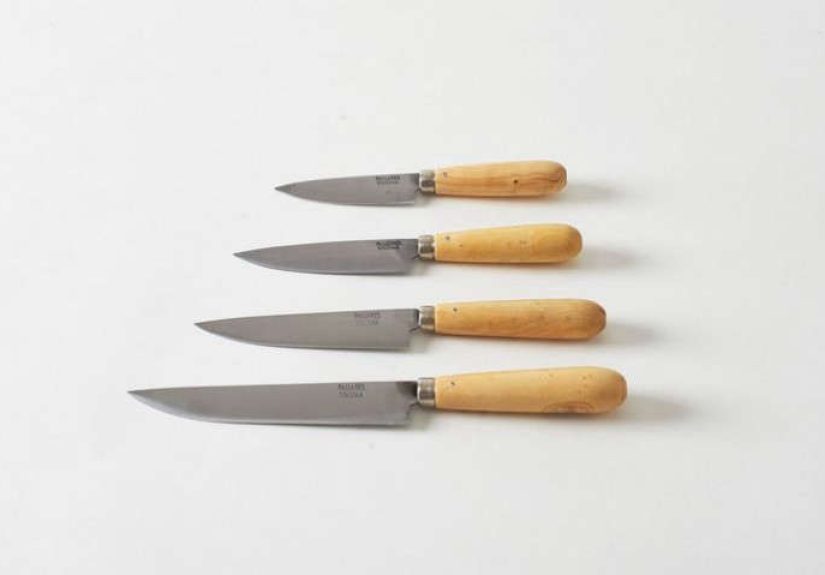
Pallares Solsona knives have a very specific aesthetic: slim blades, gentle curves, and simple wooden handles in
boxwood, beech, olive, or sometimes ebony.
No big logos, no aggressive anglesjust a straightforward tool that feels like it could have belonged to your
grandparents.
That minimal look hides a lot of thoughtful design: thin blade stock that glides through food, hand-ground edges,
and a comfortable handle that doesn’t try to “lock” your hand into one grip. For cooks who like nimble,
lightweight knives rather than chunky, tank-like blades, this design is a big win.
What Makes Carbon Steel Different?
Sharper Edge, Less Fuss to Maintain (If You Actually Care for It)
The core appeal of Pallares Solsona carbon steel knives is right there in the name: carbon steel.
Unlike stainless steel, carbon steel contains very little chromium, which means:
- It can be hardened more easily and takes a very fine, razor-like edge.
- It’s usually easier to sharpen with stones or a honing rod.
- It responds quickly to sharpening, so you don’t feel like you’re grinding away forever.
Pallares themselves highlight that carbon steel is simpler to make, heat treat, harden, and sharpen, which helps
them keep prices lower than many premium stainless options while still delivering excellent cutting performance.
Patina, Rust, and the Whole “Lived-In” Look
Here’s the honest part: carbon steel will react. It will darken, spot, and sometimes look like it’s going through a
mood swing after cutting an onion. That color change is called patina, and it’s completely normal.
Over time, your Pallares Solsona knife will develop a bluish, gray, or brown patina that actually helps protect the
steel from further corrosion.
Think of it like seasoning on a cast-iron pan: slightly unpredictable at first, then deeply satisfying once it settles in.
The one thing you do need to avoid is red rusta sign the knife stayed wet or damp too long. Luckily,
light rust spots can usually be removed with a soft scouring pad, a bit of vinegar, and some patience, followed by
drying and oiling.
Popular Pallares Solsona Carbon Steel Knife Styles
Classic Kitchen and Utility Knives
The most recognizable Pallares Solsona carbon steel knives are their small kitchen and utility knivesoften with
blades in the 9–13 cm (about 3.5–5 inches) range and boxwood handles. These knives are incredibly versatile:
they handle garlic and herbs, slice fruit, trim meat, and even moonlight as cheese knives for casual boards.
These smaller knives are perfect if:
- You’re working in a tiny kitchen with limited counter space.
- You prep mostly for one or two people.
- You want a “do-everything” blade that isn’t a full-size chef’s knife.
Chef, Aragon, and Specialty Knives
Beyond the small utility knives, Pallares offers:
-
Classic chef-style knives in carbon steel, with longer blades and a profile suited for rocking
or push-cutting. -
Aragon-style kitchen knives, often with a slightly different blade shape and beechwood handles,
tuned for general kitchen use. -
Various specialty and professional knives for butchery and food prep, plus scissors and even
garden tools, all built on the same functional, no-nonsense philosophy.
None of these knives feel like “collector” pieces. They’re designed to work hard, tolerate real-world kitchens,
and age with use rather than live in a display case.
How Do Pallares Solsona Carbon Steel Knives Perform?
Thin Blades, Confident Cuts
One of the first things people notice is how thin these knives are. Compared with many German-style blades,
Pallares Solsona carbon steel knives feel lighter and more agile, with less wedge effect when passing through
dense foods like potatoes or carrots.
In real-world use, that translates to:
-
Smooth vegetable prep – Slicing onions, bell peppers, and herbs feels easy and controlled,
with less cracking or crushing. -
Great for fruit – That fine edge glides through tomatoes, citrus, and stone fruits without
turning them into juice. -
Comfortable for long sessions – The light weight means your hand and wrist don’t tire quickly
during batch cooking or weekly prep.
Some professional users and knife reviewers point out that these knives may not have the ultra-refined fit-and-finish
of much pricier Japanese or high-end European bladesbut they consistently praise the sharpness, value, and
day-to-day usability of Pallares carbon steel.
Who Will Love These Knives (and Who Might Not)
You’ll probably love Pallares Solsona carbon steel knives if:
- You enjoy tools that show wear, patina, and character over time.
- You don’t mind drying and lightly oiling a knife after use.
- You want sharpness and performance without paying luxury-brand prices.
- You appreciate a rustic, minimalist style over “high-tech” aesthetics.
On the other hand, they’re probably not for you if:
- You want dishwasher-safe, low-maintenance knives you never have to think about.
- You dislike any sign of discoloration or patina on steel.
- You prefer heavy, spine-thick European chef’s knives.
How to Care for Pallares Solsona Carbon Steel Knives
Carbon steel isn’t difficult to managebut it does require a bit of routine. Here’s a realistic care guide
that’ll keep your knife sharp and rust-free.
1. Wash by Hand, Immediately
After using your knife, rinse or gently wash it with mild dish soap and warm water. Don’t let acidic foods
like tomatoes or citrus sit on the blade. And absolutely do not put it in the dishwasherharsh detergents,
heat, and moisture are a recipe for damage.
2. Dry Thoroughly
As soon as you’re done washing, dry the blade and handle with a clean towel. Pay attention to the area near the
handle where water tends to linger. Leaving a carbon steel knife damp is the fastest way to invite red rust.
3. Encourage a Patina (Yes, Really)
A controlled patina is your friend. You don’t have to force it, but you also don’t need to panic when you
see the blade darkening. If it starts looking blotchy, you can gently polish with a mild scouring pad to
smooth out the surface, then dry and oil.
4. Oil the Blade Occasionally
Every so oftenespecially in humid climateswipe the blade very lightly with food-safe oil (like mineral oil or
camellia oil). This forms a micro-thin barrier that helps discourage rust while still allowing the patina to develop.
5. Sharpen Regularly, Not Desperately
Because carbon steel responds well to sharpening, a few passes on a fine stone or regular use of a honing rod
will keep the edge singing. The key is consistency: sharpen a little and often rather than waiting until the
knife is completely dull.
How to Choose the Right Pallares Solsona Carbon Steel Knife
Not sure where to start? Here’s a quick, practical guide.
Think About What You Actually Cook
-
Mostly vegetables and fruit? A mid-size utility or classic kitchen knife (around 9–13 cm) is
perfect for daily slicing and trimming. -
Lots of batch cooking and big prep sessions? Look into a longer chef-style or Aragon knife
that can handle larger cuts and piles of ingredients. -
Cheese boards, snacks, and casual cooking? Smaller carbon steel knives from Pallares are
brilliant for charcuterie and quick prep and look right at home on a wooden board.
Handle Materials and Feel
Pallares use various woods, each with a slightly different feel:
- Boxwood – Dense, smooth, and classic. Often seen on their most iconic kitchen knives.
- Beechwood – Light, warm, and a bit more rustic in appearance.
- Olive or ebony – Found on some models, offering a slightly more refined or darker look.
None of these handles are overly sculpted, which means they work for a variety of grips and hand sizes.
If you’re used to chunkier Western knives, the slim handles might feel different at first, but many people
find them surprisingly comfortable over long cooking sessions.
Are Pallares Solsona Carbon Steel Knives Worth It?
Short answer: If you’re willing to rinse, dry, and give your knife the occasional oil and sharpening,
yes, absolutely.
For the price, you’re getting:
- A hand-ground carbon steel blade from a multi-generational maker.
- High-level cutting performance that easily rivals more expensive brands.
- A tool that looks better the more you use it.
They’re not “perfect” in the sense of laboratory-level polish or ultra-modern designbut that’s not really the point.
Pallares Solsona carbon steel knives are about honest materials, great cutting feel, and a relationship with a tool
that gets better as it ages along with you in the kitchen.
Real-Life Experiences with Pallares Solsona Carbon Steel Knives
To really understand why people fall in love with these knives, it helps to picture what living with one is like
over weeks, months, and yearsbeyond the shiny “new knife” phase.
The First Week: “Wow, This Thing Is Sharp”
The unboxing moment is usually understated: a simple knife, often in a paper sleeve or basic packaging,
not the presentation box of a luxury blade. But as soon as you make your first cutsmaybe slicing through a tomato
or dicing an onionyou notice how easily the blade bites into food instead of sliding off or crushing it.
That thin carbon steel edge does a couple of things really well:
- It makes straight, clean cuts with less resistance.
- It gives you a feeling of control, especially when doing detailed work.
- It encourages good technique, because you don’t need to muscle through ingredients.
If you’re coming from a heavy, dull, big-box-store knife, the difference can feel almost comical.
You may briefly wonder what else you’ve been working too hard at in life.
The First Month: Learning the Rhythm of Care
After a few weeks, the romance phase is joined by a bit of practical education. Maybe you leave the knife in a
damp sink once (oops), or forget to dry it thoroughly. You wake up to some little orange specks of rust and a
small panic. Then you realize:
- Most superficial rust comes off with a gentle scrub and vinegar or a mild scouring pad.
- Drying right away really does matter with carbon steel.
- A quick wipe of oil keeps things calm and stable.
Around this time, the blade probably starts to develop its own unique patinafaint blue-gray signs that it’s
been slicing tomatoes, apples, citrus, and more. That “used” look might bother perfectionists at first,
but for many people, it becomes a badge of honor: proof that the knife is part of the daily routine,
not a prop.
Sharpening Days: Small Ritual, Big Payoff
Every so often, you notice the knife is starting to skid a bit on tomato skin or doesn’t glide through onions
quite like it used to. That’s your cue for sharpening. One of the joys of carbon steel is how quickly it responds:
even a simple whetstone or basic honing routine can wake the edge right back up.
Over time, sharpening turns into a low-key ritual:
- You clear a bit of space, soak a stone if needed, and put on some music or a podcast.
- You work slowly, feeling the steel against the stone, guiding the bevel with consistent strokes.
- You finish with a few gentle passes on the other side, rinse, dry, and admire that refreshed edge.
The whole process doesn’t need to be fancy or intimidating. With a Pallares Solsona carbon steel blade,
even a modest sharpening setup can give excellent results. It’s a knife that rewards effort without demanding
perfection.
Years Later: A Knife with Stories
Fast-forward and that once-pale blade is now darker, smoother, and very much “yours.” The handle might show a bit
of shine where your fingers naturally rest. Maybe there’s a tiny ding in the wood from a rushed cleanup or a busy
holiday meal. You remember which dish you were making when the first patina spots appeared, or when a guest
cut an entire cheese board and commented, “This knife is incredible.”
In a world full of disposable tools, a Pallares Solsona carbon steel knife feels like the opposite:
a modest, affordable object that quietly becomes one of the most dependable things in your kitchen. It’s not perfect.
It demands a bit of care and attention. But in return, it gives you years of satisfying, confident slicingand a
deeper connection to the simple act of cooking.
And honestly, there’s something pretty special about that.
SEO JSON META