Table of Contents >> Show >> Hide
- What Happened to Sterling K. Brown?
- Why the Timing Mattered
- How Fans and Celebrities Reacted
- What Is an Achilles Tendon Injury?
- Why Recovery Can Take Time
- The ‘Paradise’ Connection: Why Fans Care So Much
- From Setback to "Blessing in Disguise"
- What This Says About Brown’s Public Image
- Experience Notes: What This Kind of Health Update Feels Like in Real Life
- Conclusion
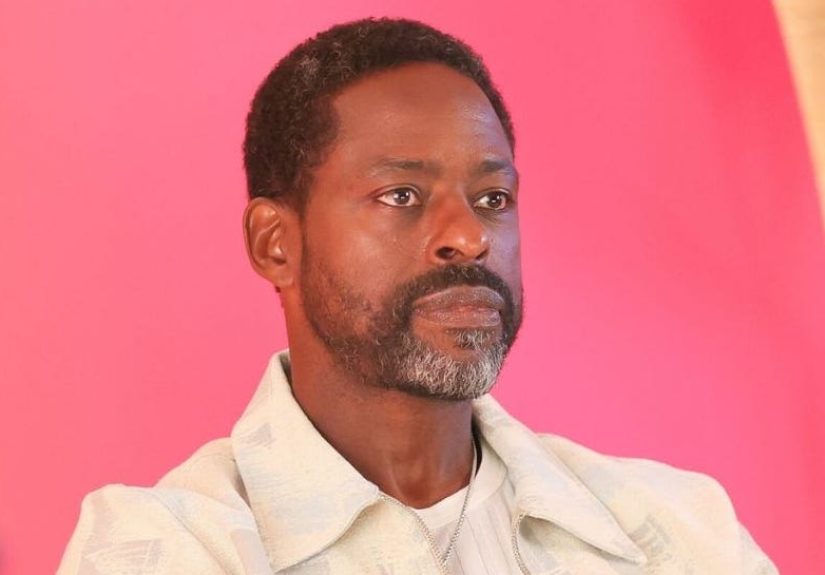
Sterling K. Brown has built a career on making audiences feel things: heartbreak, suspense, hope, panic, and the occasional urge to call a loved one just to say, “Hey, you good?” But recently, the Paradise star gave fans a health update that hit a different emotional note. Ahead of the 2025 Emmy Awards, Brown revealed that he had torn his Achilles tendon and would need surgery. In classic Sterling fashion, he delivered the news with calm, humor, and just enough honesty to make fans both worried and impressed.
The Emmy-winning actor, known for his unforgettable work in This Is Us and his lead role as Xavier Collins in Hulu’s Paradise, shared that the injury happened while he was doing something athletic. It was not, according to him, a wild stunt, a superhero leap, or a dramatic “movie star saves the day” moment. He simply took a step and felt as though someone had stomped on the back of his heel. Spoiler alert: no one had. That is often how Achilles injuries announce themselves: suddenly, rudely, and with absolutely zero concern for anyone’s calendar.
For Brown, the timing was especially inconvenient. Paradise had earned major recognition, including an Emmy nomination for Brown’s performance, and he wanted to attend the ceremony with his cast and producers. Instead of having surgery immediately, he chose to delay the procedure until after the Emmys so he could be present for the celebration. It was an unfortunate health update, yes, but also a very Sterling K. Brown kind of moment: thoughtful, team-focused, and somehow still charming while discussing a tendon injury from bed.
What Happened to Sterling K. Brown?
Brown explained that he tore his Achilles tendon, a serious injury involving the strong band of tissue that connects the calf muscles to the heel bone. The Achilles tendon helps people walk, run, jump, push off the foot, and generally move around without thinking too much about the complicated engineering happening below the knee. When it tears, that easy movement can disappear instantly.
In his update, Brown described the moment with humor. He said it felt like somebody stepped on him, only to realize no one was close enough to have done it. That detail is familiar to many people who have experienced Achilles injuries. The sensation can feel like a kick, pop, or sudden blow, even when the injury is caused by the body’s own movement.
Brown reassured fans that the news was not “horrible,” but it was unfortunate. He also made it clear that surgery was part of the plan. The recovery, he noted, would take time, which is exactly the kind of sentence nobody wants to hear when their job involves red carpets, production schedules, interviews, and occasionally looking extremely composed while the world watches.
Why the Timing Mattered
The injury came during an important moment for Paradise. The Hulu drama had become one of the most talked-about shows of the season, with Brown playing Xavier Collins, a Secret Service agent caught in a high-stakes mystery after the death of President Cal Bradford, played by James Marsden. The series blends political thriller, dystopian drama, family emotion, and a bunker full of secrets. In other words, it is not exactly the kind of show where characters sit quietly and sip tea for eight episodes.
Brown’s performance earned him an Emmy nomination for Outstanding Lead Actor in a Drama Series. The show itself also received recognition, and his co-stars James Marsden and Julianne Nicholson were part of the awards-season conversation. For Brown, attending the Emmys was about more than standing on a carpet in a sharp suit. It was about showing up for a team that had worked hard on a series that asked big questions about survival, loyalty, family, power, and what people do when the world they know falls apart.
That is why Brown delayed surgery until after the ceremony. He wanted to celebrate with the people who made Paradise possible. It was a choice that showed his loyalty to the cast and crew, though fans naturally hoped he would also take care of himself. Hollywood loves a dramatic entrance, but nobody wants that entrance to require a mobility scooter unless absolutely necessary.
How Fans and Celebrities Reacted
The response was immediate and warm. Fans flooded Brown’s social media with messages of support, wishing him a smooth surgery and full recovery. Several celebrities also reacted with encouragement, including former co-stars and fellow actors who understood both the physical and professional frustration of being sidelined at a major career moment.
Part of the reason the reaction was so strong is that Brown has built a rare kind of public affection. He is not just admired for his performances; he is liked for the way he carries himself. Whether he is giving an awards speech, talking about fatherhood, or describing a painful injury with a tiny smile, Brown tends to come across as grounded, warm, and deeply human. Fans do not just root for his characters. They root for him.
That connection made the health update feel personal to many viewers. For people who watched him as Randall Pearson in This Is Us, Brown has long been associated with emotional sincerity. For fans of Paradise, he is now linked to a tense, action-driven role that depends on restraint, physical presence, and intensity. A torn Achilles tendon interrupts that image in a jarring way. It reminds everyone that even polished, award-winning actors are still people with tendons that can betray them at the worst possible time.
What Is an Achilles Tendon Injury?
The Achilles tendon is one of the strongest and most important tendons in the body. It connects the calf muscles to the heel and helps power basic movement. Walking up stairs, jogging, jumping, pushing off during sports, and even quick directional changes all depend on it. When the tendon ruptures, the injury can affect mobility right away.
Achilles ruptures are often associated with recreational sports, sudden bursts of movement, or a forceful push-off from the foot. They can happen during basketball, tennis, running, or casual athletic activity. In Brown’s case, he described the injury as happening during something active but not especially dangerous, which is part of what makes these injuries so frustrating. You do not need to be doing parkour off a rooftop. Sometimes the body simply says, “Actually, today is a plot twist.”
Common symptoms can include a sudden sharp pain near the heel or calf, swelling, difficulty walking, trouble pushing off the injured foot, and the sensation of being kicked or struck in the back of the leg. Treatment depends on the severity of the tear, the person’s age, activity level, and medical guidance. Some cases involve immobilization and rehab, while others require surgery followed by physical therapy.
Why Recovery Can Take Time
Brown was right when he said recovery can take a while. Achilles injuries are not usually “shake it off and walk it off” situations. The tendon plays a major role in movement, so healing often requires patience, protection, and gradual rehabilitation. After surgery, many patients may need a cast, boot, crutches, or other support to limit movement while the tendon heals. Physical therapy is often part of regaining strength, balance, flexibility, and confidence.
That last word matters: confidence. An injury like this does not only affect the body. It can affect how a person moves through the world. Every step becomes a calculation. Stairs look suspicious. Sidewalk cracks become villains. A quick walk to the kitchen can feel like a tactical mission. For someone like Brown, whose work can include long production days, press events, travel, and physical scenes, recovery requires planning as much as patience.
The good news is that many Achilles ruptures heal well with proper treatment. Medical guidance generally emphasizes following the recovery plan, not rushing the process, and rebuilding strength gradually. That can be difficult for active people, especially those who are used to jumping into games, workouts, and busy schedules. Brown himself joked about being ready whenever a game breaks out, which makes the injury feel even more personally inconvenient.
The ‘Paradise’ Connection: Why Fans Care So Much
Paradise gave Brown another major dramatic showcase. Created by Dan Fogelman, the series places him at the center of a mystery inside a seemingly perfect underground community built after a global catastrophe. Brown’s Xavier Collins is a father, protector, investigator, and man carrying grief and suspicion in equal measure. The role asks him to communicate a lot with silence, tension, and controlled emotion.
That is one reason the health update traveled quickly among fans. Brown is not just starring in a show; he is anchoring it. His physical presence is part of Xavier’s identity. The character is disciplined, guarded, and capable. When viewers hear that the actor behind that role is dealing with a serious leg injury, the contrast is striking. The man who plays the steady protector is suddenly the one needing rest, support, and recovery.
Season 2 of Paradise expanded the show’s world, moving beyond the bunker and raising the emotional stakes. Brown’s performance continued to be central to the series, especially as Xavier’s story pushed deeper into questions about family, truth, and survival. His real-life injury added an unexpected layer to how fans saw him during the show’s awards-season run: not weaker, but more relatable.
From Setback to "Blessing in Disguise"
Months after the injury, Brown reflected on the experience in a more surprising way. He described the forced rest as a kind of blessing in disguise because it gave him extended time with his family, especially his two sons. For a working actor with a demanding schedule, that kind of uninterrupted presence can be rare.
He spoke about being able to attend soccer games, practices, basketball, flag football, and everyday family moments that might otherwise be squeezed between work obligations. He also mentioned the simple joy of driving his sons to school and listening when they started talking in the car. Parents know this magic well: kids may dodge direct questions at dinner, but put them in the back seat with nowhere to go and suddenly you get a podcast episode.
This part of Brown’s health update changed the tone of the story. What began as bad news became a reminder that forced pauses can reveal what matters most. That does not make the injury fun. Nobody is recommending a torn Achilles as a lifestyle hack. But Brown’s response showed an ability to find meaning in an unwanted situation, which is one reason fans found the update so touching.
What This Says About Brown’s Public Image
Sterling K. Brown has a reputation for emotional intelligence, and this health update reinforced it. He did not overshare for attention, but he explained enough to keep people from worrying or speculating. He acknowledged the injury, admitted the timing was rough, expressed gratitude for his Paradise team, and later found a positive angle through family time.
That balance is hard to pull off. Celebrity health updates can easily become dramatic, vague, or overly polished. Brown’s update felt conversational. He sounded like a person explaining something to friends before they heard it from someone else. That tone made the news feel sincere rather than staged.
It also fit the larger pattern of his career. Brown often plays men carrying responsibility: fathers, leaders, protectors, professionals under pressure. Off-screen, he appears to bring a similar sense of responsibility to how he speaks publicly. He knew fans would notice his limited mobility, especially at the Emmys, so he explained it plainly. No mystery. No rumor machine. Just “here is what happened, here is the plan, and yes, I am keeping my spirits up.”
Experience Notes: What This Kind of Health Update Feels Like in Real Life
One reason Brown’s “unfortunate” health update connects with people is that many of us have experienced a smaller version of the same problem: life moving fast, then the body suddenly hitting the brakes. It may not be a torn Achilles tendon. It could be a sprained ankle before a vacation, back pain before a work deadline, a knee issue before a family event, or a random injury that arrives with the timing of a badly written sitcom.
The first experience is usually disbelief. You think, “That cannot be what just happened.” Brown’s description of feeling like someone stepped on him captures that perfectly. When the body sends a sudden pain signal, the brain often looks for an outside explanation. A person bumped me. A shoe slipped. The floor betrayed me. Surely my own tendon did not just file a resignation letter. That confusion can be strangely universal.
The second experience is the calendar panic. After the pain comes the mental list: appointments, events, responsibilities, travel, work, family, plans that now need adjusting. Brown had the Emmys. Most people have school pickups, shifts at work, weddings, deadlines, or grocery runs. Injuries do not only hurt; they reorganize your life without asking permission.
The third experience is learning humility. A mobility aid, boot, brace, or slow walk can make a person aware of how much they normally take for granted. Doors feel heavier. Parking spaces matter. Stairs become personal enemies. You notice who offers help, who waits patiently, and who walks too fast through public places like they are training for an airport Olympics. Recovery teaches the body, but it also teaches the ego.
The fourth experience is boredom mixed with gratitude. Forced rest sounds nice until you are actually forced to rest. Then it becomes a strange negotiation between healing and restlessness. You may appreciate the slower pace while also missing your normal routine. Brown’s reflection on family time shows how powerful that pause can become when a person chooses to use it well. He could not move through life at his usual speed, so he paid attention to what was right in front of him.
Finally, there is the comeback experience. Recovery from any major injury is not one dramatic movie montage. It is small progress: less pain, better balance, more trust in the injured area, a few extra steps, one normal errand completed without feeling like a heroic quest. Brown’s update is not just a celebrity headline. It is a reminder that setbacks can be inconvenient, painful, and still meaningful. Sometimes the road back is slow. Sometimes it comes with a boot, a scooter, and a very patient physical therapist. But with care, support, and humor, the comeback can become part of the story.
Conclusion
Sterling K. Brown’s health update was unfortunate, but it also revealed why fans respond so strongly to him. He handled the news with honesty, humor, and perspective. He delayed surgery long enough to support his Paradise team at the Emmys, later embraced the unexpected family time that recovery gave him, and reminded everyone that even a painful setback can carry a surprising lesson.
For fans of Paradise, the update added another human layer to an actor already known for depth and sincerity. Brown may have been temporarily slowed down by a torn Achilles tendon, but the reaction to his update proved something simple: audiences are still very much walking with him, even if he had to roll onto the Emmys stage for a while.