Table of Contents >> Show >> Hide
- What Is the Oja Design MARCH Woven Dining Stool?
- The Design Story: Shaker Roots, San Francisco Craft
- Materials: Hardwood, Cotton Tape, and a Lot of Quiet Confidence
- Dimensions and Dining Comfort
- Style Analysis: Why This Stool Feels So Current
- How to Use the Oja Design MARCH Woven Dining Stool at Home
- Care and Maintenance Tips
- Buying Considerations Before You Choose It
- Pros and Cons
- Real-Life Experience: Living With a Woven Dining Stool
- Final Verdict: Is the Oja Design MARCH Woven Dining Stool Worth It?
The Oja Design MARCH Woven Dining Stool is the kind of furniture piece that quietly walks into a room, says nothing dramatic, and somehow becomes the person everyone wants to sit next to. It is simple, tactile, compact, useful, and rooted in a long American furniture tradition without looking like it escaped from a museum display case. In other words, it has manners, but it also has a personality.
Designed through a collaboration between Oja Design and the San Francisco design destination MARCH, this woven dining stool brings together hardwood construction, cotton tape weaving, and a Shaker-inspired design language. It is not trying to be a flashy throne. It is more like the tasteful friend who shows up to dinner wearing linen, knows exactly which serving spoon to use, and somehow makes the salad look architectural.
For homeowners, designers, collectors, and anyone who believes that a dining room should feel both beautiful and lived-in, the Oja Design MARCH Woven Dining Stool offers a refreshing alternative to bulky upholstered seating. It is slim, graphic, handcrafted in spirit, and practical enough for everyday use. That combination is harder to find than a matching set of socks after laundry day.
What Is the Oja Design MARCH Woven Dining Stool?
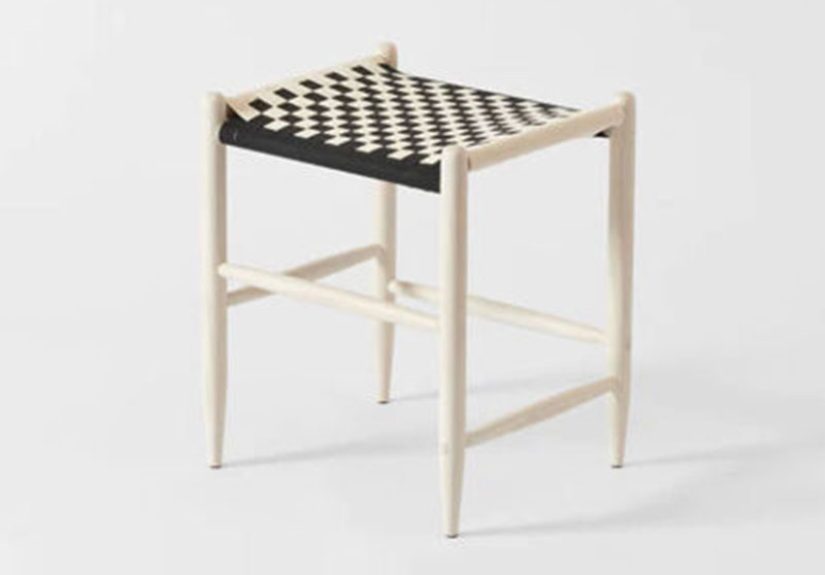
The Oja Design MARCH Woven Dining Stool is a handcrafted-style dining stool inspired by traditional Shaker cotton tape seating. The design uses a wooden frame and a woven cotton tape seat, giving it both structure and softness. Unlike a fully upholstered stool, it does not feel visually heavy. Unlike a hard wooden stool, it does not punish you for lingering over dessert. It sits nicely in the middle: minimal, useful, and quietly comfortable.
Product listings have described the dining stool at approximately 16 inches long, 14.5 inches deep, and 20 inches high, with an 18-inch seat height. That seat height matters because it places the stool in the standard dining range, making it suitable for many traditional dining tables. This is an important distinction because MARCH and Oja Design have also been associated with a taller woven bar stool version. The dining stool is the one meant to pull up to a table, not tower over your kitchen island like it is keeping watch.
The stool’s appeal comes from its restraint. The frame is pared down, the woven seat adds pattern, and the proportions keep it easy to move around. It is the kind of piece that can live in a dining room, kitchen corner, bedroom, entryway, or even beside a bathtub holding a folded towel and an unread book you absolutely swear you are going to finish.
The Design Story: Shaker Roots, San Francisco Craft
The stool draws from Shaker furniture, a design tradition known for honesty, utility, and lack of unnecessary decoration. Shaker furniture has long been admired for its clean lines, sturdy construction, and “form follows function” attitude before that phrase became a design-school bumper sticker. The original Shaker communities valued furniture that served daily life well, and their chairs often used woven seats because the material was practical, resilient, and comfortable.
Oja Design brings that tradition into a more contemporary visual language. Duncan Oja, the woodworker and artist behind OJA, is based in the San Francisco area and has a background in traditional furniture making, woodworking, and material experimentation. That matters because this stool does not feel like a reproduction. It feels more like a conversation between old-school joinery thinking and modern interiors.
MARCH, meanwhile, became known in San Francisco for its carefully edited world of kitchen, table, pantry, furniture, and entertaining objects. Its design point of view has often centered on useful beauty: things that work hard, age well, and make everyday rituals feel a little more intentional. The Oja Design MARCH Woven Dining Stool fits neatly into that universe. It is not decorative fluff. It earns its keep.
Materials: Hardwood, Cotton Tape, and a Lot of Quiet Confidence
The main materials associated with the stool are hardwood and cotton tape. That pairing is central to its charm. Hardwood gives the stool its structure, weight, and longevity. Cotton tape gives the seat color, give, texture, and pattern.
Cotton tape seating is a major reason the stool feels special. Traditional Shaker tape was often valued because it avoided some of the drawbacks of rush, cane, or splint seating. Cotton tape does not dry out in the same way natural cane can, and it can create a more forgiving surface. It also opens the door to color combinations, stripes, checkerboards, and custom woven effects.
This is where the stool gets its visual spark. A woven seat can be subtle or energetic depending on the chosen tape colors. Black and white feels crisp and architectural. Green and white feels fresh, almost garden-party-adjacent. Natural tones feel softer and more rustic. A bright color combination can turn the stool into a small accent piece without forcing the room to wear a party hat.
Dimensions and Dining Comfort
One of the best features of the Oja Design MARCH Woven Dining Stool is its compact footprint. At around 16 inches by 14.5 inches, it can slide into tighter spaces where full dining chairs might feel too bulky. That makes it especially useful for apartments, breakfast nooks, small dining rooms, and flexible seating plans.
The 18-inch seat height also places it right in the sweet spot for many standard dining tables, which are often around 28 to 30 inches high. A good dining setup usually needs enough clearance between the seat and the underside of the table so people can sit comfortably without performing knee origami. In practical terms, the stool should work best with a standard-height dining table rather than a counter-height or bar-height surface.
Where It Works Best
This woven dining stool works beautifully in spaces where you want seating that feels useful but not visually loud. It can pair with a rustic farmhouse table, a contemporary white oak dining table, a vintage round table, or a sleek marble-topped surface. Because it has both wood and textile character, it bridges warm and modern interiors nicely.
It is also a smart choice for rooms where sightlines matter. Backless stools keep a dining area feeling open. They do not block windows, artwork, built-in shelving, or that one dramatic pendant light you spent three months choosing and now refer to as “the jewelry of the room.”
Style Analysis: Why This Stool Feels So Current
The Oja Design MARCH Woven Dining Stool feels modern because it does not try too hard. Current interiors are leaning toward warmth, craft, texture, and pieces that look made rather than manufactured into emotional silence. This stool checks those boxes without becoming trendy in a disposable way.
Its Shaker influence gives it heritage. Its woven seat gives it rhythm. Its compact shape gives it versatility. The combination works in minimalist homes, Japandi-inspired spaces, modern farmhouse interiors, California casual rooms, and even more eclectic apartments where everything has a story and at least one lamp was found on a suspiciously good Craigslist listing.
Another reason it feels relevant is that it supports the return of tactile design. After years of glossy surfaces and overly polished interiors, many homeowners want furniture that shows material character. Wood grain, woven texture, and handmade details make a room feel human. A woven dining stool is a small but effective way to add that feeling without repainting the house or buying a sofa the size of a friendly whale.
How to Use the Oja Design MARCH Woven Dining Stool at Home
1. Around a Casual Dining Table
The most obvious use is also one of the best: place several stools around a casual dining table. This works especially well with a round or square table, where backless seating keeps the arrangement light. For long rectangular tables, a pair of stools on one side can soften the formality of traditional chairs.
2. As Flexible Extra Seating
Every home needs extra seating that does not live permanently in the way. This stool can be pulled out for dinner guests, game night, or the friend who insists they are “just stopping by” and then stays for three hours. Because it is compact, it can tuck under a console, beside a cabinet, or against a wall when not in use.
3. In an Entryway
An entryway stool is a tiny luxury that quickly becomes essential. It gives you a place to sit while putting on shoes, drop a tote bag, or stage a very curated basket that may or may not contain mail you are avoiding. The woven seat adds texture without making the entry look crowded.
4. Beside a Bed
Used as a bedside perch, the stool can hold a book, water glass, small tray, or folded throw. It is not a full nightstand replacement for everyone, but in a guest room or minimalist bedroom, it can look charming and intentional.
5. In a Bathroom or Dressing Area
A woven stool can bring warmth to tile-heavy spaces. It can hold towels, a small basket, or a robe. Just be thoughtful about moisture and ventilation, especially because cotton tape and wood prefer a civilized environment, not a steam-room audition.
Care and Maintenance Tips
The care guidance associated with the MARCH woven seating collection is refreshingly simple: wipe the stool clean with a damp cloth, and clean cotton tape gently with mild soap and water. It is also wise to patch test cleaning solutions on the underside of the tape before treating visible areas. That last step is not glamorous, but neither is discovering a mystery cleaning stain in the center of your expensive stool.
For everyday care, avoid soaking the woven seat. Blot spills quickly, especially colorful liquids like wine, coffee, berry juice, or the suspiciously neon beverage someone brought to brunch. Use a soft cloth rather than abrasive scrubbers. For the wood frame, keep it away from prolonged direct moisture and extreme humidity swings.
If you use the stool daily, rotate its placement occasionally so wear develops evenly. Cotton tape is durable, but like any textile seat, it appreciates reasonable treatment. Translation: sitting is fine; using it as a ladder to reach the top shelf is furniture disrespect.
Buying Considerations Before You Choose It
The Oja Design MARCH Woven Dining Stool has been listed as a premium furniture piece, with editorial product references noting a price around $1,000 at time of publication. Because it is a specialty item connected to custom materials and small-batch design, availability, lead times, pricing, shipping, and finish options may change. Always confirm current details with the retailer, maker, or authorized resale source before buying.
Also consider whether you want the dining stool or the taller bar stool version. This is not a small detail. A dining stool belongs at a standard table. A bar stool belongs at a high counter or bar. Mix them up and dinner becomes a comedy sketch involving elbows, knees, and possibly regret.
Think carefully about your tape color combination, too. Neutral tape is easier to integrate into changing decor. High-contrast tape creates a stronger design statement. Green, red, navy, or striped tape can be beautiful, but it should connect with something else in the room: artwork, table linens, cabinetry, or even a favorite ceramic piece.
Pros and Cons
Pros
The stool is compact, visually light, tactile, and rooted in a meaningful design tradition. It adds warmth without bulk and can function in many rooms beyond the dining area. The woven cotton tape seat gives it comfort and personality, while the hardwood frame supports long-term use.
Cons
Backless stools are not ideal for everyone, especially people who prefer lumbar support during long meals. The premium price may also place it in the investment-furniture category. And because woven seating has texture, it requires more thoughtful cleaning than a plain wooden seat.
Real-Life Experience: Living With a Woven Dining Stool
Imagine bringing the Oja Design MARCH Woven Dining Stool into a real home, not a perfectly styled photo where nobody owns phone chargers, snack crumbs, or that one drawer full of batteries. The first thing you notice is its scale. It does not dominate the room. It slips into place like it has always belonged there. In a small dining nook, that is a gift. Chairs with backs can make a compact table feel boxed in, but a backless woven stool keeps the space open and breathable.
At breakfast, it feels casual in the best way. You can pull it out easily, sit down for coffee, and slide it back under the table without rearranging half the room. The woven seat has more give than a hard wooden stool, so it feels friendlier during slow mornings. It is not a deep lounge chair, of course. Nobody expects to sink into it like a cloud. But for meals, quick laptop sessions, or chatting with someone in the kitchen, it offers a comfortable balance of support and softness.
During dinner with guests, the stool becomes surprisingly useful. It can act as the flexible seat you bring out when the table grows from four people to five. Because it does not have arms or a back, it works well at corners and tight spots. It also keeps the table visually relaxed. There is something informal and welcoming about mixed seating: a bench here, a chair there, a woven stool at the end. The room starts to feel collected rather than purchased in one panicked Saturday afternoon.
The woven seat also changes how the room feels. A dining area with only wood, stone, metal, and glass can look beautiful but a little stern, like it might correct your posture. The cotton tape adds softness and pattern without requiring cushions. If the tape has contrast, the stool becomes a small graphic moment. If the colors are quiet, it blends in and simply adds texture. Either way, it gives the eye somewhere pleasant to land.
There are practical lessons, too. In a household with kids, pets, or enthusiastic spaghetti eaters, darker or patterned tape may be easier to live with than pale tape. A woven seat can handle everyday life, but it is still textile. Spills should be handled quickly, and messy meals may inspire a house rule: sauces stay on plates, not on designer furniture. This rule will be ignored at least once. Stay strong.
As an entryway stool, it earns even more points. It is sturdy enough for putting on shoes, attractive enough to greet guests, and compact enough not to block the door. Add a small wall hook above it and a basket nearby, and suddenly the entry looks intentional. The stool becomes part of a daily ritual: shoes on, keys found, bag grabbed, dignity mostly intact.
Over time, the best thing about a stool like this is that it does not feel precious in a cold way. It feels crafted. It invites use. The more it participates in daily life, the more natural it looks. That is the quiet success of the Oja Design MARCH Woven Dining Stool: it is beautiful enough to admire, useful enough to need, and restrained enough not to demand applause every time you walk past it.
Final Verdict: Is the Oja Design MARCH Woven Dining Stool Worth It?
The Oja Design MARCH Woven Dining Stool is best for people who appreciate handcrafted furniture, Shaker-inspired design, natural materials, and flexible seating. It is not the cheapest stool in the room, and it is not trying to be. It belongs in the category of furniture that values proportion, material, craft, and longevity over quick trend appeal.
For a dining room, it offers a lighter alternative to traditional chairs. For a kitchen, it adds warmth and texture. For an entryway, bedroom, or dressing area, it becomes a practical accent piece. Its combination of hardwood and cotton tape makes it feel rooted but fresh, simple but not boring, and decorative without being fussy.
If your ideal home includes useful objects with a story, this woven dining stool deserves a close look. It is a small piece, yes, but small pieces often do the most emotional heavy lifting in a room. They are the objects people touch, move, borrow, notice, and remember. And this one does all of that while looking extremely calm about it.