Table of Contents >> Show >> Hide
- Why This Peanut Butter Cookies Recipe Works
- Ingredients
- Equipment You’ll Want
- How to Make Peanut Butter Cookies
- Pro Tips for Soft, Chewy Peanut Butter Cookies
- Easy Variations (Same Dough, Different Vibes)
- Troubleshooting: If Your Cookies Act Weird
- How to Store and Freeze Peanut Butter Cookies
- Peanut Butter Cookies FAQ
- Real-Kitchen Experiences (and What They Teach You)
- SEO Tags
Peanut butter cookies are the definition of “low effort, high reward.” They’re salty-sweet, cozy in that
after-school-snack way, and magically acceptable in every situationfrom bake sales to “I ate dinner standing
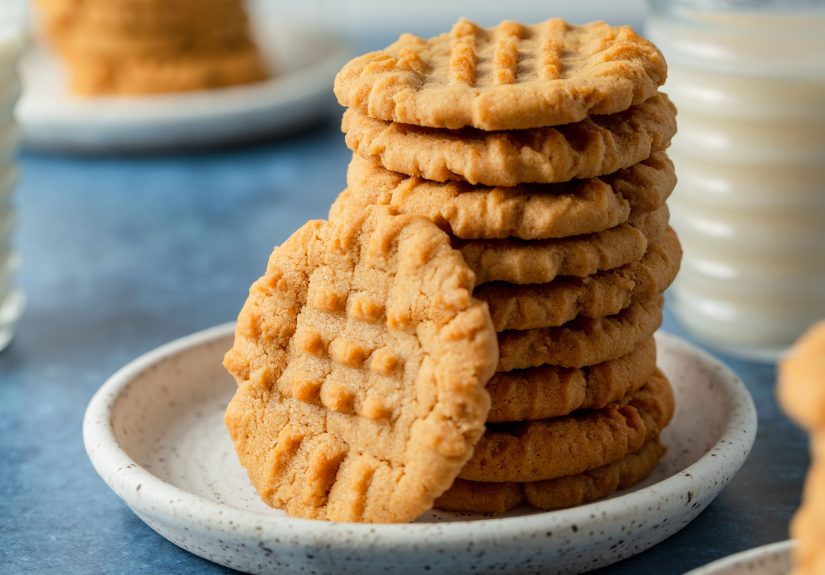
at the counter” nights. And yes, they wear those iconic fork crisscross marks like a badge of honor.
This recipe is a classic, soft-and-chewy-with-crisp-edges kind of peanut butter cookie. It’s based on the
most consistent techniques across trusted American test kitchens and legacy recipe brands: balanced sugars,
the right leavening, proper mixing (aka don’t beat it into submission), and a quick chill to keep your cookies
thick instead of turning into flat little peanut butter coasters.
Why This Peanut Butter Cookies Recipe Works
-
Brown sugar + white sugar gives you chewy centers (brown sugar moisture) and lightly crisp edges
(white sugar). - Peanut butter is flavorful fat, but it’s also denseso we use a fork press to help the cookies bake evenly.
-
Chilling the dough makes the flavor deeper and controls spread. (Also: it buys you time to “clean as you go,”
which is what people who don’t bake call “cleaning.”) - Right-sized scoops (about 1 1/2 tablespoons) bake evenly, so you don’t end up with raw centers and overbrowned edges.
Ingredients
Makes about 24 cookies
Dry ingredients
- 1 1/2 cups all-purpose flour
- 1 teaspoon baking soda
- 1/2 teaspoon baking powder
- 1/2 teaspoon fine salt (reduce slightly if your peanut butter is very salty)
Wet ingredients
- 1/2 cup (1 stick) unsalted butter, softened
- 1/2 cup packed light brown sugar
- 1/2 cup granulated sugar (plus extra for rolling)
- 3/4 cup creamy peanut butter (see notes on natural peanut butter below)
- 1 large egg
- 2 teaspoons vanilla extract
Optional add-ins
- 1/2 cup chopped roasted peanuts (for crunch)
- 1/2 to 1 cup chocolate chips (because: obvious)
- Flaky sea salt for finishing (tiny sprinkle, big personality)
Equipment You’ll Want
- Mixing bowl + hand mixer (or stand mixer)
- Cookie scoop (or a tablespoon measure)
- Baking sheets
- Parchment paper or a silicone mat
- A fork (for the classic crisscross… and for eating cookie dough responsibly)
How to Make Peanut Butter Cookies
1) Prep
- Heat oven to 350°F. Line two baking sheets with parchment.
- In a medium bowl, whisk together flour, baking soda, baking powder, and salt. Set aside.
2) Cream the fats and sugars
-
In a large bowl, beat butter, brown sugar, and granulated sugar until light and fluffy,
about 2 minutes. Don’t rush thisthis step helps texture. - Beat in peanut butter until smooth, then add the egg and vanilla and mix just until combined.
3) Add dry ingredients (gently!)
-
Add the dry ingredients to the wet ingredients and mix on low speed until you no longer see streaks of flour.
If using add-ins (nuts/chips), fold them in now.
4) Chill the dough
- Cover and refrigerate for 30 minutes. (If you’re short on time, 15 minutes is still helpful.)
5) Shape, roll, press
- Place a few tablespoons of granulated sugar in a small bowl.
-
Scoop dough into balls (about 1 1/2 tablespoons each), roll in sugar, and place on baking sheets
about 2 inches apart. -
Press each ball with a fork, then press again in the opposite direction to make the classic
crisscross pattern. (It’s not just cuteit helps the dense dough bake evenly.)
6) Bake
-
Bake for 9–11 minutes, until the edges look set and lightly golden, but the centers still look a touch soft.
They’ll finish setting as they cool. -
Cool on the baking sheet for 5 minutes, then transfer to a rack to cool completely.
If using flaky salt, sprinkle a tiny pinch while warm.
Pro Tips for Soft, Chewy Peanut Butter Cookies
Pick the right peanut butter
Traditional “no-stir” creamy peanut butter tends to bake more predictably because its fat and moisture are
consistent. Natural peanut butter can work, but it varies by brandif it’s very oily or runny, your dough may
spread more. If you only have natural peanut butter, stir it extremely well and consider chilling longer.
Don’t overmix after adding flour
Once flour is in the bowl, mixing too long can make cookies tough. Mix until combined, then stop. Your cookies
want a gentle life.
Underbake slightly for the best texture
The secret to that bakery-style soft center is pulling the tray when the cookies look “not quite done.”
If you wait until the centers look fully firm, you’ll get a crunchier cookie (which is also deliciousjust different).
Use the fork press like a boss
Peanut butter cookie dough is dense and doesn’t always spread like a butter-forward sugar cookie dough.
Fork marks increase surface area for even baking and help prevent doughy middles.
Easy Variations (Same Dough, Different Vibes)
1) Peanut Butter Blossoms
Roll dough balls in sugar, bake 8–9 minutes, then press a chocolate kiss into the center right after they come out.
Let cool so the chocolate sets (or don’tlive your truth).
2) Extra-crunchy “grown-up” cookies
Stir in chopped roasted peanuts and finish with flaky salt. If you want deeper flavor, toast the peanuts briefly first.
3) Peanut butter + chocolate chip
Fold in chocolate chips. For big “bakery chunks,” use chopped chocolate instead of chips.
4) PB&J thumbprints
Before baking, press a small indent into each dough ball (a teaspoon works), then fill with a little jam after baking.
It’s nostalgic in the best possible way.
5) Quick flourless 3-ingredient option (when you’re out of flour)
Mix 1 cup peanut butter + 1 cup sugar + 1 egg, scoop, fork-press, bake about 8–10 minutes at 350°F.
Different texturemore tender and a little crispbut shockingly good for such a tiny ingredient list.
Troubleshooting: If Your Cookies Act Weird
“They spread too much.”
- Dough was warm → chill longer.
- Butter was too soft/melty → start with softened, not half-melted.
- Natural peanut butter was extra oily → stir well; add 1–2 tablespoons flour next time; chill longer.
“They’re dry and crumbly.”
- Too much flour (scooped and packed) → spoon flour into the measuring cup, then level.
- Overbaked → pull earlier; cookies firm as they cool.
- Peanut butter brand was drier → add 1 tablespoon milk next time to the dough.
“They’re tough.”
- Overmixed after adding flour → mix until just combined.
- Too much flour → measure more carefully.
How to Store and Freeze Peanut Butter Cookies
Storing baked cookies
Keep cookies in an airtight container at room temperature for about 4–5 days.
Add a slice of bread to the container if you want to keep them softer (the bread gives up moisture).
Freezing dough
Scoop dough into balls, freeze on a tray until solid, then store in a freezer bag for up to 3 months.
Bake from frozenjust add 1–2 minutes.
Freezing baked cookies
Freeze in a single layer, then stack with parchment between layers for up to 2–3 months.
Thaw at room temp or warm briefly for that “fresh-baked” energy.
Peanut Butter Cookies FAQ
Do I have to chill the dough?
Not strictly, but chilling helps flavor and texture. If your kitchen is warm or your peanut butter is runny,
chilling is the difference between “thick and chewy” and “why is my cookie auditioning to be a pancake.”
Can I use crunchy peanut butter?
Absolutely. Crunchy peanut butter adds texture. If it’s very dry, your dough may be slightly crumblymix gently and
consider adding a tablespoon of milk.
Why the fork marks?
Peanut butter dough is dense and doesn’t always spread much on its own. Pressing it helps the cookies bake evenly,
and the crisscross pattern became the iconic “this contains peanuts” look.
Real-Kitchen Experiences (and What They Teach You)
Peanut butter cookies are one of those recipes that feel “too simple to mess up”… which is exactly why they’re the
perfect teacher cookie. Bakers often report that their first batch is delicious but not quite the texture they imagined:
maybe it’s a little too crisp, a little too puffy, or it spread like it had somewhere important to be. The good news?
Each “oops” comes with a clear lesson you can use forever.
One of the most common experiences is discovering that peanut butter brands behave differently. A classic
supermarket-style creamy peanut butter tends to deliver consistent results: the dough is smooth, the cookies spread
predictably, and you get that familiar, nostalgic bite. With natural peanut butter, bakers frequently notice two extremes:
either the dough is oily and wants to spread, or it’s thicker and a bit crumbly if the peanut solids are very dry. The fix
most home bakers land on is simple: stir the jar extremely well, chill the dough longer, and don’t be afraid to adjust by a
tablespoon or two of flour (for oily dough) or a splash of milk (for dry dough). It sounds fussy, but it’s actually empowering
you’re learning how ingredients act, not just following instructions like a robot with an oven mitt.
Another classic moment: realizing the fork press is not just decoration. People sometimes skip it because they
want perfectly round, tall cookies. Then they bite in and find the centers a bit underbaked while the edges are already done.
When you press the dough, you’re helping a dense cookie bake evenlymore surface area, more uniform thickness, better texture.
And if you ever needed a low-stakes outlet for mild stress? Pressing neat crisscross lines into cookie dough is basically
edible therapy.
Many bakers also notice how much timing changes everything. Pulling cookies at the exact moment they look slightly
underdone feels riskylike you’re doing something illegal in the baking world. But then they cool, set up, and you get that dreamy
soft center. Overbake by just two minutes and you’ll still have tasty cookies, but the vibe shifts: more crisp, more snap, less chew.
That’s not failureit’s a style choice. Some people even prefer the crunchier version for dunking in milk, coffee, or “whatever I’m
drinking at 10 p.m. while standing by the fridge.”
Then there’s the surprisingly emotional experience of baking peanut butter cookies for other people. They’re a nostalgia magnet.
Folks will tell you about a grandparent’s cookie tin, school lunches, holiday trays, or that one neighbor who always had a warm cookie
and exactly zero follow-up questions about your life. Peanut butter cookies feel familiar in a way that fancy desserts sometimes don’t,
and that makes them a go-to “comfort bake.” If you’ve ever needed a “thank you,” a “sorry,” or an “I’m thinking of you” that doesn’t
require a long text thread, a plate of peanut butter cookies does the job.
Finally, a very real, very universal experience: the cookie cooling rack impatience problem. Bakers often swear they’ll
wait until the cookies are fully cooled. Then they eat one warm. Then another. Then they “just test” one from thePureLogic Land, where
cookies apparently evaporate if not tasted every three minutes. If this happens to you, congratulationsyour cookies are working exactly
as intended.