Table of Contents >> Show >> Hide
- What Potato Starch Actually Does in Recipes
- Best Potato Starch Substitutes (and How to Choose the Right One)
- Quick Comparison Table
- 1) Cornstarch (The Most Common Backup Plan)
- 2) Arrowroot Powder (Best for Glossy, Acidic, and Fancy-Looking Sauces)
- 3) Tapioca Starch (Great for Pie Filling and Freezer-Friendly Recipes)
- 4) Rice Flour or Sweet Rice Flour (Underrated Pantry Hero)
- 5) All-Purpose Flour (Not Fancy, But It Gets the Job Done)
- 6) Potato Flour (Only in Specific Recipes)
- 7) Instant Mashed Potato Flakes (Emergency MacGyver Move)
- How to Substitute Potato Starch Without Ruining the Recipe
- Recipe Ideas Using Potato Starch Substitutes
- Common Mistakes When Replacing Potato Starch
- Kitchen Experience Notes: What Home Cooks Usually Notice (Extended Practical Guide)
- Conclusion
You’re halfway through a recipe, the pan is hot, the onions are behaving, and then it happens: the potato starch container is empty. Classic. The good news? This is not a kitchen emergency. In most recipes, you can swap potato starch with another thickener and still end up with a glossy sauce, a crisp coating, or a tender bakeif you choose the right substitute for the job.
In this guide, we’ll break down the best potato starch substitutes, when each one works (and when it absolutely does not), and how to use them in real recipes without turning your gravy into wallpaper paste. You’ll also get practical recipe ideas, troubleshooting tips, and a bonus “kitchen experience” section full of real-world scenarios home cooks run into all the time.
What Potato Starch Actually Does in Recipes
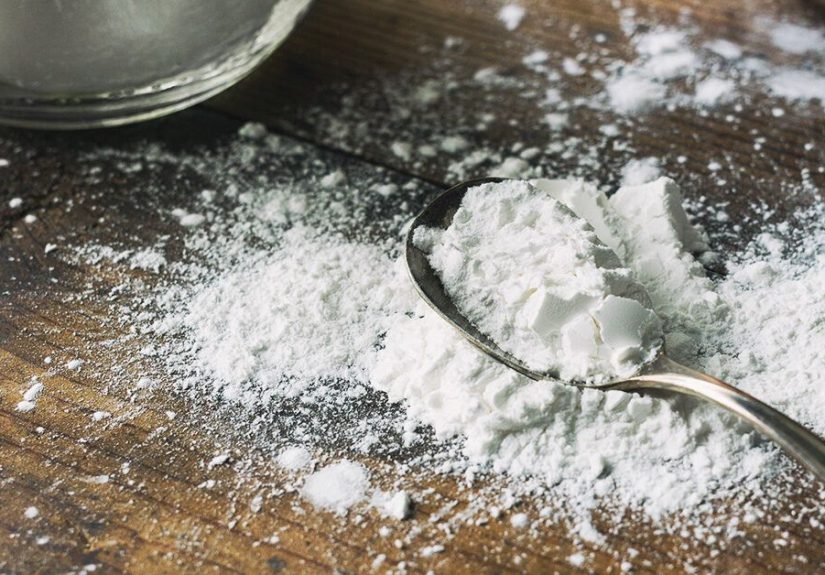
Potato starch is a pure starch extracted from potatoes. It’s commonly used as a thickening agent for soups, sauces, gravies, and pie fillings, but it also shows up in gluten-free baking and crispy coatings for fried or pan-fried foods. It’s popular because it has a neutral flavor, thickens quickly, and usually keeps sauces from looking cloudy.
Potato Starch vs. Potato Flour (This Mix-Up Ruins Recipes Fast)
Before we talk substitutes, let’s clear up the biggest kitchen confusion: potato starch and potato flour are not the same thing. Potato starch is mostly flavorless and acts like a classic starch thickener. Potato flour is made from whole potatoes, so it has more flavor, more body, and a stronger potato taste.
Translation: if your recipe calls for potato starch and you dump in potato flour 1:1, your sauce may get dense, your texture may change, and your cookies may quietly file a complaint. Potato flour can work in some savory recipes, but it is not a universal replacement.
Why Some Substitutions Work and Others Get Weird
Starches don’t all behave the same under heat, acid, dairy, freezing, or reheating. Some make a shiny sauce, some make an opaque one, and some are great until you boil them too long and they suddenly become sticky, stringy, or thin again. The trick is matching the substitute to the recipe:
- Need a glossy sauce? Arrowroot, tapioca, and potato starch are good picks.
- Need an opaque gravy? Flour is perfectly fine (and often better for reheating).
- Cooking with acid (tomatoes, citrus, berries)? Arrowroot usually performs better than cornstarch.
- Freezing and thawing? Tapioca and arrowroot often hold up better than cornstarch.
- Long simmer? Flour is stable; delicate starches can lose power if overcooked.
Best Potato Starch Substitutes (and How to Choose the Right One)
Since potato starch is often used similarly to cornstarch, many cornstarch substitute rules apply here too. But ratios can vary by recipe type, brand, and even the test kitchen that published the chart. So think of the ratios below as practical starting points, not carved-in-stone kitchen law.
Quick Comparison Table
| Substitute | Best For | Typical Starting Ratio | Watch Out For |
|---|---|---|---|
| Cornstarch | Soups, sauces, gravies, baking | Start 1:1 | Can weaken in acidic recipes; not ideal for freeze-thaw |
| Arrowroot Powder | Fruit sauces, glossy gravies, acidic recipes | Start slightly less than potato starch (or 1:1 in many recipes) | Can get slimy with dairy; loses strength with prolonged heat |
| Tapioca Starch | Pie filling, puddings, freezer-friendly sauces | Start 1:1 for potato starch; increase if needed | Can get gummy/stringy if overused or boiled too long |
| Rice Flour / Sweet Rice Flour | Clear-ish sauces, batters, gluten-free baking | Start 1:1 to 2:1 depending on texture | Can be gritty if not finely milled |
| All-Purpose Flour | Gravy, stews, roux-based sauces | Usually 2x the amount | Opaque finish; not gluten-free |
| Potato Flour | Savory soups, breads, pizza dough | Use carefully; not a direct universal swap | Stronger flavor and heavier texture |
| Instant Mashed Potato Flakes | Emergency thickener for soups and gravies | Add gradually | Can add potato flavor and visible texture |
1) Cornstarch (The Most Common Backup Plan)
If you’re out of potato starch, cornstarch is usually the easiest substitute. It’s widely available, neutral in flavor, and great for soups, sauces, gravies, and baked goods. In many recipes, a 1:1 swap works well enough to save dinner.
That said, cornstarch isn’t perfect in every situation. It can lose thickening power in very acidic sauces (like some tomato-heavy recipes), and it’s not always the best option for dishes you plan to freeze and reheat. If your recipe has lemon juice, berries, or a freezer meal vibe, you may want arrowroot or tapioca instead.
2) Arrowroot Powder (Best for Glossy, Acidic, and Fancy-Looking Sauces)
Arrowroot powder is a fantastic potato starch alternative when you want a clear, shiny finish. It works especially well in fruit sauces, pie fillings, glazes, and acidic recipes where cornstarch may struggle.
It also thickens quickly, so you don’t need to cook it forever. In fact, please don’t. Extended heat can break it down. Arrowroot is the kind of ingredient that likes a little drama but not a three-hour simmer. It’s also great for crispy coatings on tofu or chicken, but avoid it in dairy-heavy sauces because the texture can turn a little slimy.
3) Tapioca Starch (Great for Pie Filling and Freezer-Friendly Recipes)
Tapioca starch (also called tapioca flour) comes from cassava root and is one of the best substitutes when you need a glossy, smooth thickener for sweet applications. Think fruit pies, puddings, cobbler fillings, and dessert sauces.
It’s also a strong choice for make-ahead dishes because it generally handles freezing better than cornstarch. The one caution: too much tapioca or too much heat can push it into gummy, sticky, “Why is my sauce wearing sweatpants?” territory. Add it thoughtfully and avoid long boiling.
4) Rice Flour or Sweet Rice Flour (Underrated Pantry Hero)
Rice flour can work well as a potato starch substitute, especially in batters, quick sauces, and some gluten-free baked goods. Sweet white rice flour (sometimes called glutinous rice flour, though it contains no gluten) can also perform nicely in baking blends.
The big advantage is flexibility. The downside is texture: some rice flours can feel gritty if they’re not finely milled. If you use rice flour for a sauce, whisk well and give it a little time to hydrate. For frying or battering, rice flour can produce a crispy texture that’s especially nice on vegetables and tofu.
5) All-Purpose Flour (Not Fancy, But It Gets the Job Done)
All-purpose flour is the everyday substitute when you’re thickening a gravy, stew, or pan sauce and you don’t care whether the final result is crystal-clear. Flour thickens reliably, but it creates a more opaque finish than potato starch, and you usually need more of it.
Pro move: if you’re using flour in a sauce, cook it a little longer (or build a quick roux) to avoid a raw flour taste. Flour is also often better than delicate starches for recipes you’ll reheat, because it tends to hold up well over time.
6) Potato Flour (Only in Specific Recipes)
Yes, potato flour is made from potatoesbut it behaves very differently from potato starch. It can work in savory soups, breads, and pizza dough, but it has a stronger potato flavor and adds more body. It’s not the best pick for delicate sauces, puddings, or pastries.
If you use potato flour as a substitute, start small and adjust. This is not a “measure and walk away” ingredient. It’s more like a chatty cousin: useful, but it changes the vibe.
7) Instant Mashed Potato Flakes (Emergency MacGyver Move)
If you need to thicken a soup or gravy and your pantry is looking suspiciously empty, instant mashed potato flakes can help. Pulse them into a finer powder first if you want a smoother result, then add a little at a time.
This trick works best in savory dishes where a little potato flavor is welcome. It is not the move for lemon curd. Let’s not get adventurous in the wrong direction.
How to Substitute Potato Starch Without Ruining the Recipe
For Sauces, Soups, and Gravies
- Use a slurry (mix starch with cool or room-temperature liquid first).
- Add the slurry to a hot/simmering liquid, not a hard boil.
- Whisk continuously to avoid clumps.
- Stop cooking once thickenedoverheating can weaken many starches.
If you’re using arrowroot or tapioca, this matters even more. These starches can lose their magic if cooked too long. If you’re using flour, give it extra time so the flavor cooks out.
For Pie Fillings and Fruit Sauces
Choose tapioca starch or arrowroot powder when possible. Both can help keep fillings glossy, and arrowroot is especially helpful in acidic fruit mixtures. Tapioca is wonderful for juicy pies, but use a light handtoo much can make the filling overly chewy or sticky.
For Crispy Coatings (Frying or Pan-Frying)
Potato starch is famous for making things crisp. The best replacements here are:
- Potato starch’s closest cousin: cornstarch
- Extra light and crisp: arrowroot
- Good alternative: rice flour
- Works but heavier: all-purpose flour
If your goal is a crackly, crispy shell on tofu, chicken, or cauliflower, starches usually outperform regular flour.
For Gluten-Free Baking
In gluten-free baking, potato starch often helps with tenderness, structure, and moisture balance. If you substitute it, the recipe may still workbut texture can shift. The safest swaps are usually:
- Arrowroot powder
- Tapioca starch
- Sweet rice flour (in some recipes)
- A blend of two substitutes instead of one
For example, if a gluten-free muffin recipe calls for potato starch, you may get a better result by using a mix of tapioca starch and rice flour rather than replacing it with only one ingredient.
Recipe Ideas Using Potato Starch Substitutes
1) Weeknight Pan Gravy (No Potato Starch Needed)
Best substitute: Cornstarch or arrowroot (for glossy gravy), flour (for classic opaque gravy)
After cooking chicken or turkey, keep the drippings in the pan. Add broth. In a small bowl, make a slurry with your substitute and cold water. Pour it into the simmering pan while whisking. Cook just until thickened. If using arrowroot, don’t let it boil forever. If using flour, simmer a bit longer.
2) Berry Pie Filling That Doesn’t Turn Cloudy
Best substitute: Arrowroot or tapioca starch
Toss berries with sugar and a small amount of arrowroot or tapioca starch. Let the fruit sit for a few minutes so juices start to release. Bake as usual. Arrowroot helps keep the filling clear and glossy; tapioca gives a nice set and works well if you freeze the pie later.
3) Crispy Tofu or Chicken Coating
Best substitute: Cornstarch, arrowroot, or rice flour
Pat the protein dry, season it, then toss in a thin coating of starch. Pan-fry in hot oil until crisp. Arrowroot and potato-like starches tend to create a lighter shell, while flour gives a thicker crust. Rice flour can be especially nice if you want extra crunch without heaviness.
4) Gluten-Free Cookies with Better Texture
Best substitute: Tapioca starch + rice flour blend (or arrowroot in some recipes)
If a cookie recipe calls for potato starch, replace it with a blend instead of a single starch for a more balanced result. Tapioca can add chew and tenderness; rice flour can help structure. If your dough gets too sticky, chill it longer before baking.
5) Quick Soup Rescue
Best substitute: Instant mashed potato flakes (emergency), flour, or cornstarch
If your soup is too thin and dinner is in 10 minutes, use what you have. A slurry of cornstarch or flour works. If the pantry is bleak, a small spoonful of finely crushed potato flakes can thicken the soup fast and add a cozy texture.
Common Mistakes When Replacing Potato Starch
- Adding starch directly to hot liquid: This causes clumps. Make a slurry first.
- Boiling too long after thickening: Many starches lose power with extended heat.
- Using potato flour instead of potato starch blindly: Similar name, very different behavior.
- Using too much tapioca: It can go gummy or stringy.
- Using arrowroot in creamy dairy sauces: Texture can become slippery or slimy.
- Expecting flour to look glossy: Flour is great, but it makes a more opaque sauce.
Kitchen Experience Notes: What Home Cooks Usually Notice (Extended Practical Guide)
Here’s the part nobody tells you in a neat little substitution chart: most potato starch swaps look “wrong” for the first minute and “perfect” by the third. That’s why so many people think they failed when they actually just needed to wait 90 seconds and keep whisking. In real kitchens, texture changes happen in stages. First the sauce looks thin, then it looks lumpy, then suddenly it smooths out and thickens like it heard you threatening takeout.
Another common experience is overcorrecting. You add a little substitute, nothing happens immediately, so you add more… and then your gravy becomes spoon-standing cement. This happens a lot with arrowroot and tapioca because they can thicken quickly once the temperature is right. A better habit is to add your slurry in small increments and pause between additions. You can always thicken more. You cannot un-thicken without turning your recipe into a “soup now, sauce later” situation.
People also notice that the same substitute behaves differently across recipes. Cornstarch may be fantastic in a quick stir-fry sauce but less impressive in a tart lemon glaze. Flour might taste great in a beef gravy but feel too heavy in a fruit filling. Arrowroot may look beautiful in berry sauce and then get weird in a creamy cheese sauce. None of that means you used the wrong techniqueit just means starches are picky, and recipes have personalities.
In baking, the biggest surprise is texture drift. If you swap potato starch in cookies, the batch may still taste great, but the texture can change from crumbly to chewy or from tender to slightly dense. That’s normal. Home bakers often get the best results by using a blend (like tapioca starch plus rice flour) instead of a single replacement. It’s less dramatic, more stable, and usually closer to the original recipe.
For frying and pan-frying, many cooks report that rice flour and arrowroot can give a lighter crunch, while all-purpose flour gives a thicker crust. If you’re coating tofu, thin-cut chicken, or cauliflower, starches tend to create a crisp shell that stays delicate. Flour is still delicious, but it reads more “country-style” than “crisp and airy.” That’s not a flaw. It’s a style choice.
One more real-world lesson: reheating changes everything. A sauce that was silky at dinner might tighten up in the fridge or loosen when reheated. This is why make-ahead cooks often prefer flour for gravies and tapioca for certain freezer-friendly fillings. If you know leftovers are part of the plan, pick your substitute based on tomorrow, not just tonight.
Finally, home cooks who get the best results usually keep one simple rule: match the substitute to the job, not just the ratio. If you remember that one line, you’ll make better swaps than most printed charts. Choose flour for sturdy gravies, arrowroot for glossy fruit sauces, tapioca for pie filling, rice flour for crisp batters, and cornstarch when you just need a reliable pantry backup. And if all else fails, whisk confidently and pretend the recipe was experimental on purpose.
Conclusion
Running out of potato starch doesn’t have to derail your recipe. The best potato starch substitutes depend on what you’re making: cornstarch for everyday thickening, arrowroot for glossy acidic sauces, tapioca starch for pie fillings and freezer-friendly recipes, rice flour for crispy batters, and flour for rich gravies and stews.
The key is understanding texture, heat, and timing. Use a slurry, avoid overcooking delicate starches, and don’t confuse potato starch with potato flour. Once you learn those rules, substitutions stop feeling like guesswork and start feeling like kitchen superpowers.