Table of Contents >> Show >> Hide
- What Is Pur Home, Exactly?
- Why Pur Home Made Our All-Natural Cleaners List
- What Buyers Want From Natural Cleaners in 2026
- Where Pur Home Seems to Shine
- What Pur Home Does Not Pretend to Be
- Who Should Put Pur Home on the Shortlist?
- Our Take: Why Pur Home Belongs on the List
- What the Experience of Switching to Pur Home and Natural Cleaners Really Feels Like
- Conclusion
If your under-sink cabinet currently looks like a chemistry set with trust issues, Pur Home may feel like a breath of very clean air. The brand is one of the latest all-natural cleaner lines to earn a spot on our list, and not because it slaps the word “green” on a label and hopes nobody asks follow-up questions. Pur Home’s appeal is more practical than flashy: concentrated formulas, plant-based ingredients, a tighter product lineup, refill-minded design, and a clear focus on the cleaning jobs most homes actually deal with every week.
That matters more than ever. Shoppers have gotten smarter about household cleaners. People want products that cut grease, freshen laundry, and handle bathroom grime without turning the kitchen into a cloud of mystery fragrance and side-eye. They also want brands that tell them what they are buying, how to use it, and whether the “eco-friendly” talk means anything beyond leafy packaging and a soft beige label.
Pur Home fits nicely into that new buying mindset. It is not trying to be the loudest brand in the room. It is trying to be the brand that makes you think, “Oh, this is actually usable.” And in the world of all-natural cleaning, that is a bigger compliment than it sounds.
What Is Pur Home, Exactly?
Pur Home is a plant-based home cleaning brand built around laundry care and household basics. Its current shop highlights a focused range that includes concentrated laundry detergent, powder laundry detergent, dish soap, a concentrated multi-surface cleaner, floor cleaner, oxygen whitener, multi-surface scrub cleaner, refill pouches, and a reusable sponge. That lineup tells you a lot about the brand’s personality. This is not a “we also sell twelve candles, a tote bag, and a life philosophy” type of operation. It is a cleaners-first brand.
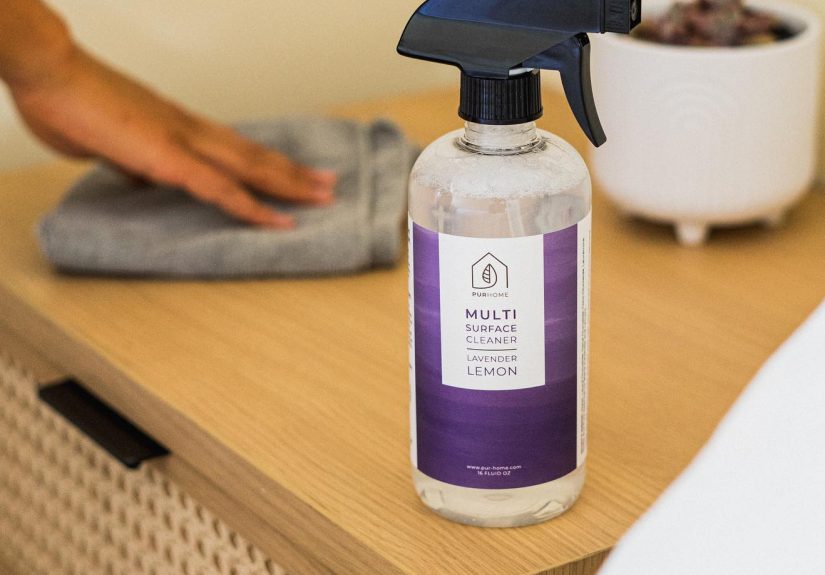
That focus is part of the charm. Instead of overwhelming shoppers with a wall of highly specialized sprays for every corner of the home, Pur Home leans into flexible products for daily maintenance. Its concentrated multi-surface cleaner, for example, comes in a small glass bottle designed to make either two 16-ounce spray bottles or one 32-ounce batch. In other words, less water shipped, less packaging clutter, and fewer giant bottles hogging space under the sink like they pay rent.
Pur Home also stands out because it talks about ingredients in a way normal people can actually follow. On its product pages, you will see cleaning agents such as sodium citrate, decyl glucoside, lactic acid, sodium gluconate, potassium cocoate, sodium carbonate, sodium bicarbonate, and sodium percarbonate. That may not sound romantic, but it is useful. Ingredient transparency is one of the easiest ways to separate a serious natural cleaning brand from one that is mostly selling vibes.
Why Pur Home Made Our All-Natural Cleaners List
1. The formulas look thoughtfully built, not accidentally wholesome
There is a big difference between a cleaner that is “natural” and a cleaner that is actually formulated to work. Pur Home’s product pages show formulas built with recognizable cleaning components that each do a job. In the multi-surface cleaner, surfactants help loosen dirt, lactic acid helps with soap scum and mineral buildup, and chelating agents support performance in hard water. In the powder laundry detergent, washing soda, baking soda, and sodium percarbonate team up to tackle odor, stains, and brightening. That is not just green marketing language. That is chemistry doing chores.
2. The product assortment is small, but smart
Pur Home is strongest when you look at it as a daily-cleaning brand, not a one-brand solution for every sanitation scenario on Earth. The mix of laundry, dish, floor, scrub, and multi-surface products covers the categories where most households want gentler alternatives first. If you are trying to reduce harsh formulas in everyday rotation, that is exactly where you start.
3. Concentrates and refills are a real advantage
One of the easiest ways to make cleaning more sustainable is to stop shipping so much water. Pur Home gets that. Concentrates shrink packaging, simplify storage, and make repeat purchases feel less wasteful. Refill pouches push that idea further. It is not a revolutionary concept, but it is still a meaningful one because so many brands talk sustainability while continuing to sell bulky single-use bottles like it is 2009 and nobody has heard of waste.
4. Third-party credibility helps
Pur Home benefits from more than brand copy. The Environmental Working Group currently shows Pur Home products across several categories with an A score range, including multi-surface, floor, bathroom, glass, and laundry items. That does not magically settle every debate about ingredients, but it does give shoppers another data point. Pur Home has also appeared in cruelty-free listings and broader coverage of Black-owned or sustainable household brands, which reinforces that it has been noticed outside its own storefront.
What Buyers Want From Natural Cleaners in 2026
Pur Home arrives at a moment when shoppers are asking better questions. A few years ago, “natural” might have been enough. Today, it is just the opening line. People also want to know whether a product is effective, concentrated, refillable, clearly labeled, and pleasant to use in a real home with pets, laundry piles, sticky counters, bathroom buildup, and exactly zero patience for weak cleaners.
That shift makes sense. U.S. consumer and health guidance has put more attention on fragrance, ventilation, labeling, and indoor air quality. Experts increasingly advise shoppers to look beyond broad claims like “green” or “eco-friendly” and pay attention to what a product actually says, what it avoids, how it is meant to be used, and whether it is appropriate for the surface and task.
That is why Pur Home’s strongest selling point is not simply that it is all-natural. It is that the brand behaves like a modern cleaner brand should. It gives buyers a cleaner story with specific product types, specific ingredients, and a more specific approach to packaging.
Where Pur Home Seems to Shine
Laundry
Pur Home’s laundry category is one of the most compelling parts of the line. The concentrated liquid detergent is designed for a small-dose approach, while the powder formula leans on classic laundry workhorses like sodium carbonate, sodium bicarbonate, and sodium percarbonate. That makes Pur Home especially interesting for shoppers who are trying to move away from heavily perfumed mainstream detergents or overly complicated formulas loaded with dyes, optical brighteners, and extras nobody asked for.
For everyday laundry, this is where natural brands can either earn your loyalty or get quietly banished to the “nice try” shelf. If a detergent cannot handle sweat, food spills, or regular household funk, people are not sticking around. Pur Home clearly understands that laundry performance is not negotiable.
Kitchen and counters
The multi-surface cleaner is arguably the brand’s most flexible hero product. A concentrate that can be mixed at home is convenient, especially for kitchens, countertops, sealed surfaces, and everyday wipe-downs. This is the type of cleaner people reach for several times a day, which means the formula and scent matter a lot. Nobody wants a cleaner that leaves a film, a headache, or a dramatic perfume cloud hovering over the toaster.
Pur Home’s approach feels designed for households that clean often and want a product mild enough to use regularly without feeling weak.
Bathrooms and stubborn messes
Pur Home’s scrub cleaner and bathroom-friendly options suggest the brand is not only thinking about light maintenance. Soap scum, sink residue, tub rings, and hard-water messes are where plenty of “gentle” cleaners suddenly start acting shy. A mineral-based scrub paired with acid-assisted surface cleaning makes sense here. It is the difference between a cleaner that sounds pretty and one that actually helps your shower stop looking personally offended.
What Pur Home Does Not Pretend to Be
This is important. A natural cleaner can be a very good cleaner without being the right product for every germ-related situation. Cleaning and disinfecting are not the same thing. Cleaning removes dirt, grime, and many germs from surfaces. Disinfecting is a more specific, regulated claim tied to products tested for killing certain pathogens. Shoppers should not confuse an everyday plant-based cleaner with a heavy-duty EPA-registered disinfectant unless the label clearly says so.
That is not a knock on Pur Home. It is a sign of honest expectations. Most homes do not need industrial-strength disinfectant for every crumb, footprint, or toothpaste fleck. For regular household messes, a cleaner that removes dirt well, rinses cleanly, and is pleasant enough to use consistently can be the better everyday choice.
That said, shoppers should still read labels, ventilate spaces, and match products to surfaces. Natural does not mean “use it recklessly on everything in sight.” Vinegar is natural too, and it can still annoy certain surfaces. Essential-oil-heavy products can still bother sensitive noses, skin, or pets. The smartest natural-cleaner shoppers are not the ones who assume every plant-based formula is perfect. They are the ones who use the right cleaner for the right job.
Who Should Put Pur Home on the Shortlist?
Pur Home makes the most sense for a few types of shoppers.
First, it suits people who want to reduce harsh everyday cleaners without switching to DIY recipes for every room in the house. Not everyone wants to play amateur chemist with vinegar, baking soda, and three spray bottles that all look suspiciously the same.
Second, it is a good fit for shoppers who appreciate a smaller brand with a more curated lineup. There is something refreshing about a company that seems to know exactly what it wants to sell.
Third, it works well for refill-minded households. If the idea of concentrates and less packaging sounds appealing, Pur Home is speaking your language.
And finally, it is appealing to buyers who care about ingredient-conscious formulas but still expect performance. That last part matters. Nobody gives out bonus points because a cleaner is admirable but terrible. The whole point is to find products that are safer-feeling, better labeled, and still good enough to earn permanent residency under the sink.
Our Take: Why Pur Home Belongs on the List
Pur Home earns its place because it does several things well at once. It offers plant-based cleaners with a practical lineup. It leans into concentrates and refill options. It provides more ingredient detail than many brands in the category. It has useful third-party signals in its favor. And it approaches home cleaning as a real-life routine, not a fantasy version of domestic life where nobody spills coffee, burns tomato sauce, or tracks mystery grime across the floor.
Is it the only natural cleaner line worth knowing? Not even close. This is a crowded category, and there are many good options. But Pur Home feels like one of the better examples of what shoppers now want from a modern all-natural cleaner brand: fewer gimmicks, more clarity, less waste, and formulas built to do the job without bringing a harsh chemical cloud into the room.
That is why it made our list. Not because it is trendy. Because it looks useful. And in the cleaning aisle, useful is beautiful.
What the Experience of Switching to Pur Home and Natural Cleaners Really Feels Like
The experience of switching to a brand like Pur Home is usually less dramatic than marketing copy suggests, but in a good way. It does not feel like a cinematic lifestyle transformation where sunlight suddenly pours through spotless windows and someone starts baking sourdough out of gratitude. It feels more like this: the house still gets messy, the laundry still shows up uninvited, but the products you use every day feel a little less aggressive and a little more considered.
For many people, the first noticeable change is scent. Traditional cleaners often announce themselves from three rooms away. Natural cleaner lines, especially those built around lighter essential-oil-style profiles or simpler fragrance choices, tend to feel less overpowering. The room smells clean, but not in the “someone detonated a lemon-scented fireworks display in here” way. That alone can make routine wipe-downs more pleasant.
The second change is psychological, and yes, that counts. People often feel better using a cleaner when they understand what is in it and why it is there. When a label looks more transparent and a product page explains the formula in plain English, cleaning becomes less of a mystery. You are not just spraying and hoping for the best. You have a basic sense of what the cleaner is meant to do, whether it is tackling grease, odor, buildup, or general surface mess.
Then there is the practical side. Concentrates make a difference in the rhythm of home care. A smaller bottle that lasts through multiple mixes feels tidier, easier to store, and oddly satisfying. Refill systems can also make people more likely to stick with a routine because restocking feels intentional instead of wasteful. It is a small thing, but small things are basically the whole plot of housekeeping.
In laundry, the experience tends to come down to trust. Once a natural detergent proves it can handle real clothes worn by real humans who sweat, spill, and occasionally forget wet towels in a heap, people relax. That is when the brand starts moving from “experiment” to “default.” The same goes for dish soap and counters. If it cuts grease, rinses well, and does not leave residue, it earns repeat use fast.
Of course, natural cleaning is not perfect. Some people discover they still want a separate disinfectant for specific situations. Some realize that not every “fresh” scent works for them. Others learn that a gentle daily cleaner and a tougher occasional scrub are not the same product, and that is fine. The best experience usually comes from building a smart mix: a natural everyday routine, plus a few specialty products for heavier jobs.
That is where Pur Home makes sense. It supports the everyday part of the story. It gives households a way to clean regularly with products that feel more intentional, less cluttered, and easier to trust. And honestly, that is what most people are looking for. They do not need a miracle. They need a cleaner that works on Tuesday, again on Thursday, and still feels like a good idea a month later.
Conclusion
Pur Home is the kind of all-natural cleaner line that makes a strong first impression and then backs it up with practical details. The formulas are plant-based. The lineup is focused. The concentrate-and-refill approach is smart. And the brand understands that modern shoppers want more than vague eco language. They want products that perform, labels that make sense, and a cleaning routine that feels healthier without becoming harder.
If your goal is to build a more thoughtful home-care setup, Pur Home is a worthy addition to the conversation. It will not magically make you love scrubbing the bathroom. Nothing can. But it can make the whole process feel a lot cleaner in every sense of the word.