Table of Contents >> Show >> Hide
- Why Sitka & Spruce Mattered in Seattle
- The Setting: Melrose Market, Capitol Hill, and the Mood
- What the Food Was Really About
- Brunch at Sitka & Spruce: Seattle on a Plate
- What a Restaurant Visit Felt Like
- Signature Impressions and Lasting Food Memories
- Why Sitka & Spruce Still Resonates
- Seattle Travel Perspective: What This Restaurant Visit Says About the City
- Extended Experience: Imagining a Full Sitka & Spruce Visit in Seattle
- Conclusion
- SEO Tags
Some restaurants try to impress you with fireworks. Sitka & Spruce, during its run in Seattle, seemed more interested in winning you over with a whisper, a warm room, and a plate that looked simple until the first bite made you stop talking. That was the magic. It did not perform “farm-to-table” like a trendy catchphrase wearing expensive boots. It lived it. And in a city where diners can be suspicious of hype, that quiet confidence mattered.
So this is not a standard “go here tonight” review, because Sitka & Spruce is part of Seattle’s dining history now. But it is still worth visiting on the page, because some restaurants become bigger than their reservation books. They shape the way a city eats, the way chefs cook, and the way regular people start noticing the weather through a salad. Sitka & Spruce was one of those places.
Why Sitka & Spruce Mattered in Seattle
Sitka & Spruce became shorthand for a particular kind of Seattle restaurant: ingredient-driven, seasonal, regionally rooted, and somehow both rustic and elegant at the same time. That balancing act sounds easy until you realize most restaurants swing too far in one direction. They are either too precious or too casual, too polished or too crunchy-granola earnest. Sitka & Spruce managed to feel thoughtful without feeling stuffy.
The restaurant’s identity was built around the Pacific Northwest, but not in a lumberjack-with-tweezers way. Instead, it treated local produce, seafood, dairy, grains, herbs, and preserved ingredients as the stars. The effect was deeply Seattle: less about heavy luxury, more about clean flavors, careful technique, and the delicious thrill of eating something that feels tied to the week, the weather, and the surrounding landscape.
This is one reason food lovers still bring up Sitka & Spruce with the slightly glazed expression usually reserved for old concerts and first apartments. It represented a moment when Seattle dining felt intimate, personal, and almost homemade, but with much better knives and far more confidence.
The Setting: Melrose Market, Capitol Hill, and the Mood
A restaurant visit to Sitka & Spruce was never just about the plate. The setting did a lot of the storytelling. In Melrose Market on Capitol Hill, the restaurant fit beautifully into the surrounding rhythm of Seattle life: neighborhood energy, market bustle, and that particular mix of industrial texture and cozy warmth the city does so well.
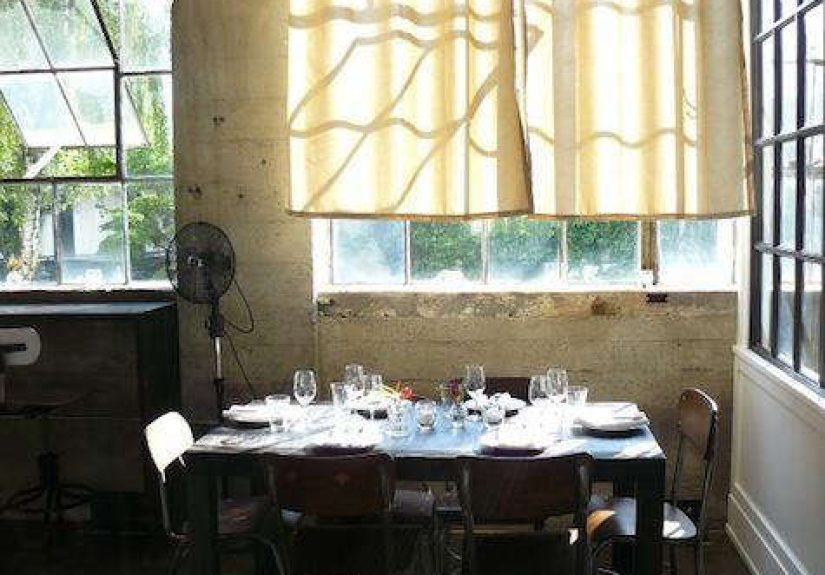
The room sounded charming on paper and somehow looked even better in person. Natural light, brick, wood, glass, metal, and a slightly improvised elegance gave it the feeling of a place that had evolved organically rather than been assembled by a branding committee. You could imagine a fashionable architect loving it, but you could also imagine a farmer feeling right at home. That is harder to pull off than it seems.
On a gray Seattle day, which is to say a very Seattle day, the restaurant likely felt especially inviting. The dining room had the kind of glow that made a lingering brunch or an unhurried dinner feel not only acceptable but morally correct. A place like this encouraged you to slow down, order one more thing, and pretend your phone had died even when it had not.
What the Food Was Really About
Seasonality Without the Speech
One of the smartest things about Sitka & Spruce was that it did not need to shout its philosophy. The menu itself did the talking. Seasonal produce, local seafood, cultured dairy, charred vegetables, rustic breads, bright herbs, and sharp acidic notes all worked together to create food that felt alive. Not “Instagrammable.” Alive.
The restaurant was often described as daily-changing, and that detail matters because it explains the spirit of the experience. A meal here was not built around permanent greatest hits. It was built around what was excellent right now. That approach creates excitement, but it also creates trust. You walk in expecting the kitchen to notice what is best that day so you do not have to.
Sitka & Spruce also had a knack for making humble ingredients feel thrilling. Beans, greens, yogurt, radishes, roasted squash, bread, and cured fish could arrive with enough care and balance to feel memorable. That may not sound flashy, but it is actually the higher-level trick. Plenty of restaurants can dazzle with foie gras and caviar. It takes more imagination to make a bowl of yogurt or a plate of vegetables feel like the reason you came.
Pacific Northwest, but Not Narrow
Another reason the food stood out was its openness. The restaurant clearly belonged to Seattle and the Pacific Northwest, yet it was never trapped inside a rigid regional stereotype. Mediterranean influences, European sensibilities, preserved elements, cultured cream, harissa-like brightness, vinegars, and herb-driven finishes all appeared naturally. It was local food with curiosity.
That made the menu exciting for repeat visits. You were not getting a museum exhibit of Northwestern ingredients. You were getting a living conversation between place and technique. One plate might feel almost Italian, another quietly Middle Eastern, another completely Pacific Coast in spirit. The thread tying them together was not nationality. It was freshness, restraint, and intelligence.
Brunch at Sitka & Spruce: Seattle on a Plate
If dinner built the legend, brunch helped cement the love story. Sitka & Spruce earned a reputation for brunch that sounded less like a checklist of predictable standards and more like a chef’s thoughtful response to the question, “What should late morning taste like in Seattle?”
The answer, apparently, was not a giant stack of syrup-soaked pancakes in a sports bar atmosphere. It was something more precise and more place-specific. Think cured fish with fruit and cultured cream, baked eggs with spice and yogurt, braised pork with bright counterpoints, beautifully balanced dairy dishes, and meals that made brunch feel dignified again. In other words: no sad buffet energy, no lazy pile of potatoes, and no need for hollandaise to carry the entire operation on its buttery back.
What made the brunch format special was its pacing. Sitka & Spruce treated midday dining like something worth lingering over. You could settle in, share a few plates, sip wine or a classic cocktail, and feel as if the city had slowed down just enough for you to catch up. That is not just good hospitality. That is urban therapy.
What a Restaurant Visit Felt Like
A visit to Sitka & Spruce probably began with curiosity and ended with a slightly annoying desire to talk about ingredients on the walk home. You might arrive thinking you were simply going out to eat, then find yourself discussing chicories, cultured butter, smoked fish, or why one bite of toasted sourdough can change your entire opinion about bread. This is how restaurants become dangerous to your personality.
The most memorable places teach you how to notice. Sitka & Spruce seemed to do that repeatedly. It made diners pay attention to texture, acidity, bitterness, smoke, and seasonality without turning the meal into homework. A good server in a place like this does not just describe dishes. They guide your attention so the meal feels richer without becoming lecture-heavy.
There is also something emotionally satisfying about a restaurant that lets the room breathe. Sitka & Spruce was not designed for frantic turnover. It invited conversation, sharing, and small moments of surprise. Maybe a plate arrived looking almost modest, then exploded with flavor. Maybe the bread stole the show. Maybe the vegetables did, which is always a humbling experience for people who claim they are “not salad people.”
That blend of comfort and intelligence is what many restaurants aim for and few actually achieve. Sitka & Spruce seems to have done it by refusing to separate pleasure from seriousness. The food could be clever, but it still wanted you to enjoy yourself. Revolutionary concept, honestly.
Signature Impressions and Lasting Food Memories
While menus changed often, the restaurant became associated with a certain kind of dish: polished but not fussy, rustic but not rough, seasonal but not preachy. Diners remembered cultured dairy used with confidence, seafood that felt fresh and regionally grounded, vegetables treated with real respect, and breads that were never just filler. The flavors were often bright, savory, herbal, and alive with contrast.
It is telling that many discussions of Sitka & Spruce highlight the feeling of the food rather than one giant trophy dish. That usually means a restaurant’s power came from coherence. The whole meal mattered. The room, the pacing, the market setting, the wines, the balance of richness and restraint, the confidence with produce, and the sense that the kitchen knew exactly what it wanted to say all worked together.
In a way, that is even more impressive than producing one famous plate. It means the restaurant had a worldview.
Why Sitka & Spruce Still Resonates
Seattle has changed dramatically over the years, and its restaurant scene has changed with it. New openings arrive with bigger marketing plans, stronger social media muscles, and sometimes a suspicious number of neon signs. Sitka & Spruce came from a different dining era, one where a restaurant could become influential by being deeply itself.
Its reputation also matters because it helped define what modern Seattle dining could look like: local without cliché, stylish without arrogance, and ambitious without trying to flatten every ingredient into luxury theater. It made a case for the Pacific Northwest as a place where thoughtful food could be both grounded and exciting.
Even after closing, Sitka & Spruce remains relevant as a reference point. When people talk about restaurants with a real sense of place, or the evolution of Seattle’s ingredient-focused dining culture, this name still comes up. That kind of afterlife is not created by hype. It is created by years of meals that made people feel something.
Seattle Travel Perspective: What This Restaurant Visit Says About the City
A retrospective look at Sitka & Spruce also says something bigger about Seattle. The city’s best restaurants often reflect its surrounding landscape: forests, farms, coastlines, islands, weather, and a population that appreciates quality without needing everything gift-wrapped in glitter. Seattle dining, at its best, values substance. Sitka & Spruce fit that identity perfectly.
For travelers researching Seattle food culture, the restaurant’s legacy still offers a useful lens. If you want to understand why local ingredients matter here, why market-style settings feel so natural, and why diners in this city respond strongly to food that feels rooted rather than flashy, Sitka & Spruce tells that story beautifully.
It was not just a restaurant in Seattle. It was, for many people, a restaurant that tasted like Seattle.
Extended Experience: Imagining a Full Sitka & Spruce Visit in Seattle
Start outside, where Seattle is doing its usual weather impression: part mist, part mood, part free facial. You walk up through Capitol Hill with your jacket zipped halfway and your appetite fully switched on. Around you, the neighborhood hums with that classic Seattle mix of caffeinated ambition and studied casualness. People look like they either design furniture, roast coffee, or own at least three very serious tote bags. Then you reach Melrose Market, and everything starts to feel more intimate.
A Sitka & Spruce visit would not hit you like a loud entrance. It would pull you in gradually. First the light. Then the warmth. Then the quiet confidence of a room that knows it does not need gimmicks. You settle in, glance around, and immediately understand that this is a place for paying attention. Not stiff attention. Delicious attention. The kind where you notice the grain of the wood table, the murmur of nearby conversation, the clink of glassware, and the smell of bread arriving somewhere in the room like a little edible plot twist.
Then the menu lands. Not a novel, not a laminated encyclopedia, not an identity crisis disguised as dinner. Just a set of dishes that seem to know the season better than your own closet does. Suddenly you are reading about greens, fish, cultured cream, herbs, and things that sound rustic until they arrive and make you question every boring lunch you have ever tolerated. You tell yourself you will order sensibly. Two minutes later, you are plotting a table strategy that absolutely includes bread, something bright and pickled, something rich, and at least one dish you cannot fully explain to your less adventurous friends.
The meal unfolds in that ideal rhythm where each plate feels both relaxed and intentional. A salad is not “just a salad.” It is crisp, bitter, herbal, creamy, and sharp all at once. The fish tastes like cold water and careful hands. The yogurt somehow manages to feel like dessert, breakfast, and philosophy. You keep having the same reaction: this sounds simple, why is it so good? That is usually the sign that somebody in the kitchen knows exactly what they are doing.
Conversation gets better in a place like this. Not louder, better. People stop performing and start noticing. Someone talks about a trip to Pike Place. Someone else swears this is the best thing they have eaten all month. Someone becomes emotionally attached to toast. No one rushes. Even the pauses feel useful, filled with sips of wine and appreciative nods over plates that look understated and taste deeply composed.
By the end of the meal, you do not feel flattened or overfed. You feel tuned up. That may be the most Seattle outcome possible. You step back outside into the cool air, a little warmer than before, and the city suddenly makes more sense. The market, the rain, the produce, the coastal ingredients, the understated style, the refusal to show off too much, the insistence on quality anywayit all connects. A restaurant visit to Sitka & Spruce was not just about having dinner. It was about understanding why Seattle diners fell in love with food that feels rooted, thoughtful, and gloriously alive.
Conclusion
Sitka & Spruce may be closed, but its reputation still holds strong because it offered more than a good meal. It offered a point of view. It showed that Seattle fine dining did not need silver-domed drama or flashy luxury cues to feel special. It could be seasonal, grounded, market-connected, quietly stylish, and emotionally memorable all at once.
That is why a retrospective restaurant visit to Sitka & Spruce still matters. The restaurant helped define an era of Seattle dining, and it remains a beautiful example of what happens when a kitchen cooks with restraint, curiosity, and a real sense of place. Some restaurants feed you. Others stay with you. Sitka & Spruce clearly belonged in the second category.