Table of Contents >> Show >> Hide
- What You’re Making (And Why It Works)
- Roasted Pumpkin Seeds Recipe (Classic, Crunchy, and Easy)
- Seasoning Ideas (Because Salt Isn’t the Only Personality)
- Common Problems (And How to Fix Them Like a Snack Scientist)
- How to Store Roasted Pumpkin Seeds
- Nutrition Notes (Snack With Benefits)
- Fun Ways to Use Roasted Pumpkin Seeds
- FAQ: Quick Answers for Busy People Holding a Pumpkin
- of “Roasted Pumpkin Seeds” Experiences (Because It’s a Whole Vibe)
- Conclusion
If you’ve ever carved a pumpkin and stared into the slimy abyss thinking, “Surely there’s a better destiny for this mess,” good news: there is. A roasted pumpkin seeds recipe turns that pile of “pumpkin guts” into a crunchy, salty, snacky victory. And yesyour kitchen will smell like fall decided to move in and pay rent.
This guide walks you through a foolproof method for oven roasted pumpkin seeds (shell-on), plus an optional “secret weapon” step for extra crunch, smart seasoning ideas, and common mistakes that make seeds chewy instead of crispy. You’ll also get variations (savory, spicy, sweet), storage tips, and a quick nutrition overviewbecause snacks can be delicious and pretend to be responsible.
What You’re Making (And Why It Works)
Pumpkin seeds from a carving pumpkin usually have shells. When roasted correctly, the shell becomes part of the crunch. The keys are simple:
clean (less stringy pulp = less steaming), dry (dry seeds roast; wet seeds sulk), and roast with airflow (single layer, occasional stirring).
You might also see “pepitas” in stores. Pepitas are hulled pumpkin seeds (often from specific hull-less varieties). They roast faster and more evenly, so don’t use shell-on timing for pepitas unless you enjoy the taste of regret.
Roasted Pumpkin Seeds Recipe (Classic, Crunchy, and Easy)
Ingredients
- 1 to 2 cups fresh pumpkin seeds (from 1 medium pumpkin, roughly)
- 1 to 2 tablespoons olive oil or avocado oil (use enough to lightly coat)
- 1/2 teaspoon kosher salt (plus more to taste)
- Optional: 1/2 teaspoon garlic powder, smoked paprika, chili powder, or black pepper
Optional “Extra-Crunch” Step (Highly Recommended)
If you want seeds that crunch like tiny edible maracas, boil them briefly in salted water first. This helps season them from the inside and can improve texture.
- Bring a pot of water to a boil and add 1 tablespoon salt.
- Add the cleaned seeds and simmer 5–10 minutes.
- Drain well.
Step-by-Step Instructions
-
Separate and rinse.
Scoop seeds from the pumpkin. Put them in a colander and rinse under cool water, rubbing gently to remove pulp strings. Don’t stress about perfectionjust remove the big clingy bits. -
Dry thoroughly.
Spread seeds on a clean kitchen towel or paper towels. Pat dry and let them air-dry for at least 10–20 minutes.
(The drier they are, the crispier they’ll get. Moisture is the enemy of crunch.) -
Preheat the oven.
Set oven to 325°F. Line a baking sheet with parchment paper for easy cleanup (optional, but your future self will send thanks). -
Season.
Toss seeds with oil and salt (and any spices) until lightly coated. You want shine, not a seed oil slick. -
Spread in a single layer.
Arrange seeds so they aren’t piled up. Crowding = steaming = chewy seeds. -
Roast and stir.
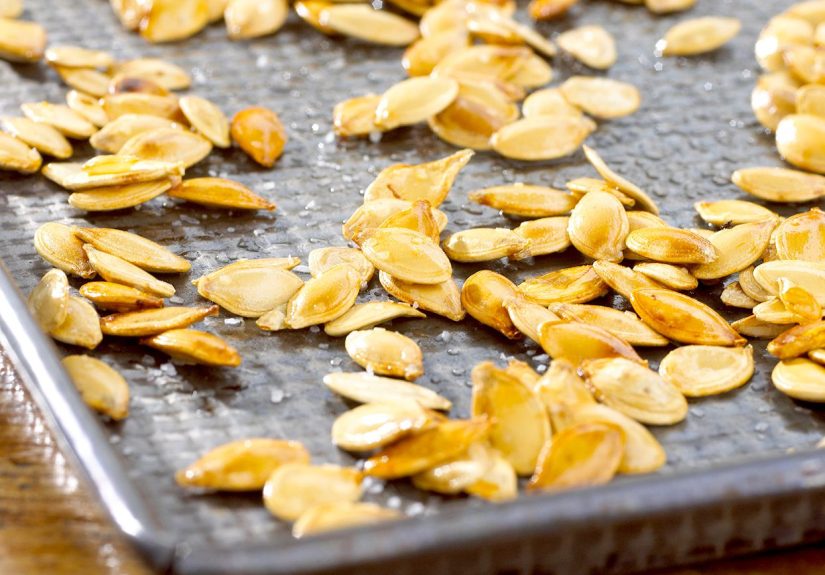
Roast 18–30 minutes, stirring every 8–10 minutes, until golden and crisp. Smaller seeds finish faster; larger, thicker seeds take longer. -
Cool for max crunch.
Let seeds cool completely on the baking sheet. They crisp up as they coolkind of like they’re finishing their “crunch training montage.”
Quick Timing Guide
- Shell-on seeds (fresh from carving pumpkin): 325°F for 18–30 minutes
- Pepitas (hulled): 350°F for 8–15 minutes (watch closely)
- Low-and-slow option: 300°F for 25–40 minutes for very even drying/crisping
- High-heat option: 425°F for 8–12 minutes (fast, but easy to burn)
Seasoning Ideas (Because Salt Isn’t the Only Personality)
Once you’ve mastered the basic roasted pumpkin seeds recipe, seasoning becomes the fun part. The trick is to keep dry spices modestseeds are small, and you don’t want “powdered regret” at the bottom of the bowl.
Savory Favorites
- Garlic-Parmesan: garlic powder + grated Parmesan added after roasting (so cheese doesn’t burn)
- Smoky BBQ: smoked paprika + chili powder + pinch of brown sugar
- Everything Bagel: everything seasoning + a tiny extra pinch of salt
- Ranch-ish: dried dill + garlic powder + onion powder
Spicy (But Still Friendly)
- Chili-Lime: chili powder + lime zest + squeeze of lime after roasting
- Cajun: Cajun seasoning + smoked paprika
- Hot Honey: drizzle lightly with hot honey right after roasting, then toss
Sweet (For People Who Think Dessert Can Be a Seed)
- Cinnamon Sugar: toss warm seeds with cinnamon + sugar (use a little oil or melted butter to help it stick)
- Maple Pumpkin Spice: tiny drizzle maple syrup + pumpkin pie spice; roast a few extra minutes to set
- Cocoa + Sea Salt: cocoa powder + a pinch of flaky salt (surprisingly addictive)
Common Problems (And How to Fix Them Like a Snack Scientist)
“My seeds are chewy.”
Chewy usually means too wet or too crowded. Dry longer, use a single layer, and roast a bit more while stirring. If you boiled them, make sure they drained and dried well before oiling.
“They burned fast!”
Seeds can go from golden to charcoal in minutesespecially at higher temps. Lower the oven to 300–325°F and stir more often. If your oven runs hot, it’s not you; it’s your oven living its truth.
“The seasoning won’t stick.”
Toss with oil (or a tiny bit of melted butter) before roasting. For powders like Parmesan or sugar-cinnamon, add them right after roasting while seeds are still warm.
“They taste bland.”
Salt is your friend, but timing matters. The optional salted-water simmer helps. Otherwise, season generously and taste after coolingflavors sharpen as they cool.
How to Store Roasted Pumpkin Seeds
Once completely cool, store roasted seeds in an airtight container at room temperature. For best crunch, keep them dry and away from steam (so, maybe not right above the stovetop where pasta water lives).
- Room temp: best quality for about 3–5 days
- Longer storage: freeze in a sealed bag/container and re-crisp in a low oven for a few minutes
Nutrition Notes (Snack With Benefits)
Pumpkin seeds are nutrient-dense: they provide plant protein, fiber (especially with shells), and minerals like magnesium and zinc. They also contain unsaturated fatsgreat for satiety and that “why am I suddenly full?” feeling.
Like most seeds and nuts, they’re calorie-dense, so a small handful goes a long way. Think “supporting actor,” not “entire movie franchise.”
Fun Ways to Use Roasted Pumpkin Seeds
- Sprinkle on soups (butternut squash soup loves this)
- Add crunch to salads, grain bowls, or roasted veggies
- Top yogurt or oatmeal (sweet versions shine here)
- Mix into trail mix with dried fruit and dark chocolate
- Blend into pesto-like sauces (pepitas are especially good for this)
FAQ: Quick Answers for Busy People Holding a Pumpkin
Do I have to remove every last bit of pulp?
No. Remove the big strings. A little clingy pulp is fine, but too much can steam the seeds and slow crisping.
Should I use oil or butter?
Oil is easiest and roasts evenly. Butter adds flavor but can brown faster. If using butter, keep the temp moderate and stir often.
Can I roast seeds from other squash?
Yesacorn, butternut, delicata, and more. Seed size varies, so adjust time and watch closely.
Is boiling really necessary?
Not necessary, but it’s a great upgrade for seasoning and crunchespecially if you’ve had batches turn out tough or uneven.
of “Roasted Pumpkin Seeds” Experiences (Because It’s a Whole Vibe)
Roasted pumpkin seeds are one of those foods that show up in your life like a seasonal side quest. You didn’t plan on it. You didn’t put it on your calendar. You were just trying to carve a pumpkin without accidentally creating modern art on your kitchen counterand then suddenly you’re holding a colander full of seeds thinking, “Well… I can’t just throw these away. That feels like admitting defeat.”
The first “experience” most people have is discovering that pumpkin seeds are basically glitter’s messier cousin. They migrate. One seed appears near the sink. Another shows up on the floor like it paid rent. A third somehow makes it to the living room. But once you rinse them and they turn from slimy to squeaky-clean, it starts to feel less like a chore and more like a transformation montageexcept your soundtrack is water running and you muttering, “Why is there so much pulp?”
Then comes the great drying dilemma: you lay them out, you pat them down, and inevitably a few cling to the towel like they’ve formed an emotional attachment. This is normal. Seeds are dramatic. But the payoff is realbecause the moment they hit the oven and start to toast, the kitchen flips from “pumpkin surgery ward” to “cozy fall snack bar.” That warm, nutty aroma shows up right on time to convince everyone within a 20-foot radius that they are, in fact, hungry.
Roasting also teaches a sneaky life lesson: patience. Pumpkin seeds don’t behave like cookies. They don’t politely brown all at once. Some are golden early, some pretend they’re still raw, and a few edge pieces will try to burn just to keep you humble. Stirring every few minutes feels fussy until you realize it’s the difference between “delightfully crunchy” and “campfire aftermath.” Watching them closely is part of the rituallike checking on a pet that’s technically fine but might do something chaotic if you ignore it.
Seasoning becomes its own tiny adventure. Classic salt is comforting, but once you try smoky paprika or everything seasoning, it’s hard to go back. Sweet versions can surprise you, toocinnamon sugar turns the seeds into a snack that feels like it belongs next to a mug of hot cocoa. And if you’ve ever served a bowl at a gathering, you’ve probably witnessed the mysterious “seed spiral,” where people keep returning for “just one more handful” until the bowl is empty and everyone swears they barely had any.
The best part? Roasted pumpkin seeds carry a little story with them. They’re tied to carving nights, goofy jack-o’-lantern faces, and that oddly satisfying feeling of using the whole pumpkin. It’s practical, yesbut it also feels like a small win. A crunchy, salty, ridiculously snackable win.
Conclusion
A great roasted pumpkin seeds recipe is less about fancy ingredients and more about a few smart moves: clean well, dry thoroughly, season evenly, roast at a steady temperature, and stir like you mean it. Start with the classic salty version, then branch out into spicy, savory, or sweet flavors once you’ve nailed the crunch. Your future self (and your snack bowl) will thank you.