Table of Contents >> Show >> Hide
- What ScotchBlue Painter’s Tape Actually Does (And Why It’s Not “Just Blue Tape”)
- Meet the ScotchBlue Lineup: Pick the Right Tape Like a Responsible Adult
- How to Use ScotchBlue Painter’s Tape for Clean Lines (Without Summoning Paint Bleed)
- Removing ScotchBlue Painter’s Tape: The Moment of Truth
- Common Problems (And How to Fix Them Without Starting Over)
- Project Examples: Where ScotchBlue Shines
- FAQ: Quick Answers Before You Walk Back Into the Paint Aisle
- Conclusion: Crisp Lines, Less Touch-Up, More Pride
- Real-World Experiences With ScotchBlue Painter’s Tape (The Extra You Asked For)
Painter’s tape is one of those humble supplies that can make you feel like a pro… or make you question every life choice you’ve ever made.
(Looking at you, “mystery paint bleed” that shows up after you peel the tape.) ScotchBlue Painter’s Tape has built a reputation for helping DIYers
and pros get cleaner lines with less dramaespecially when you match the tape to the surface and remove it the right way.
This guide breaks down what ScotchBlue Painter’s Tape is, which version to choose, and how to use it for crisp lineswithout yanking paint off the wall
like you’re peeling a stubborn sticker off a new laptop.
What ScotchBlue Painter’s Tape Actually Does (And Why It’s Not “Just Blue Tape”)
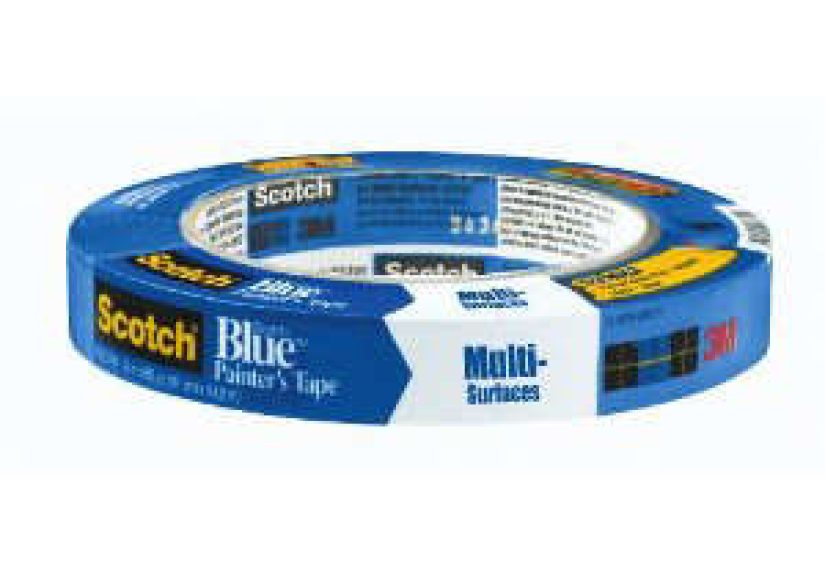
ScotchBlue Painter’s Tape is designed for maskingprotecting surfaces and creating sharper paint edges during painting and finishing work.
Compared to generic masking tape, painter’s tape is typically engineered to:
- Stick reliably without becoming a permanent resident.
- Reduce paint seepage (a.k.a. “bleed”) under the edge.
- Remove cleanlyideally without residue or surface damagewithin a stated time window.
The big idea is simple: a good tape creates a tight contact edge and maintains a predictable bond. The result is less touch-up time and fewer “How do I fix this?”
searches at 1:00 a.m.
Meet the ScotchBlue Lineup: Pick the Right Tape Like a Responsible Adult
ScotchBlue isn’t one tapeit’s a family of tapes with different adhesive levels and “clean removal” time windows. The trick is choosing the one that matches
your surface and timeline (yes, your timelinebecause sometimes life happens and tape stays up longer than planned).
Quick Comparison Table
| ScotchBlue / Scotch Painter’s Tape Type | Best For | Clean Removal Window | Standout Notes |
|---|---|---|---|
| Original Multi-Surface (e.g., #2090)[1] | Trim, baseboards, tile, glass, smooth/lightly textured walls | Up to 14 days | Everyday “workhorse” tape; common choice for most interior jobs |
| Delicate Surfaces (e.g., #2080)[2] | Fresh paint (after it’s had time to set), wallpaper, wood floors, cabinets | Up to 60 days (interior) | Gentler adhesive for sensitive surfaces; meant for indoor use |
| Sharp Lines (e.g., #2093)[4] | Crisper lines on common paint surfaces | Up to 21 days | Designed for sharper edges; uses Edge-Lock tech language |
| Ultra Sharp Lines (poly-tape options)[5] | Very crisp lines, curves, fast cornering | Up to 28 days (interior) | Poly backing; engineered for tear-free removal and straight tearing |
| Exterior Surface (e.g., #2097)[3] | Exterior metal, vinyl, painted wood, glass | Up to 10 days (exterior) | Weatherproof poly-tape; strong hold for outdoor conditions |
One more helpful shortcut: Ace Hardware’s ScotchBlue overview page summarizes the “big three” most shoppers recognizeOriginal (#2090), Delicate (#2080),
and PROSharp-style sharp-line options (often referenced as 21-day tapes).[12]
How to Choose in Real Life (Not in a Perfect World)
- If your surface is normal and your deadline is normal: Original (#2090) is usually the sensible default for walls/trim/tile/glass.[1]
- If your surface is nervous and sensitive: Delicate (#2080) is built for things that hate aggressive tapelike wallpaper and newer paint.[2]
- If your paint lines must be extra smug: go Sharp Lines / Ultra Sharp Lines for crisper edges and pattern work.[4][5]
- If you’re outside battling sun, wind, and humidity: Exterior (#2097) is made for exterior materials and weather exposure.[3]
How to Use ScotchBlue Painter’s Tape for Clean Lines (Without Summoning Paint Bleed)
Step 1: Prep the Surface Like You Mean It
Tape sticks best to clean, dry, dust-free surfaces. If the wall has sanding dust, cooking grease, or general “mystery film,” the tape edge won’t fully contact
the surfaceand paint will happily sneak underneath like it pays rent.
On trim and baseboards, wipe first. On walls, a quick dust-off can make a surprising difference. Prep isn’t glamorous, but neither is re-painting a jagged line
with a tiny craft brush.
Step 2: Apply the Tape in Short Runs (Don’t Stretch It)
Long, pulled-tight strips can lift at the edge or create micro-gaps. For straighter lines:
- Apply tape in manageable sections.
- Overlap ends slightly to avoid gaps.
- Align carefully at corners; don’t “bridge” a corner with tension.
Step 3: Seal the Edge (Yes, Pressing Matters)
This is where good lines are born. After the tape is down, press the edge firmly so it bonds smoothlyespecially on lightly textured walls.
Family Handyman calls this out plainly: press the edge to seal it or paint will seep under.[9]
Sherwin-Williams suggests smoothing painter’s tape with a putty knife or even a credit card to keep paint from seeping under the edge.[10]
Translation: “Burnish the edge.” (Translation of that translation: “Rub it down.”)
Step 4: Paint Smart Near the Tape
The biggest tape mistake isn’t the tapeit’s how people paint against it.
- Don’t flood the edge. Heavy paint builds up along the tape and can form a ridge.
- Brush away from the tape edge when possible. You’re less likely to push paint under the tape.
- Use thinner coats. Two light passes beat one gloopy pass almost every time.
Optional Pro Move: Seal the Edge With the Base Color
For stripes, geometric patterns, and two-tone walls, This Old House recommends a clever method: after taping, paint a thin layer of the base color along the tape edge.
If anything bleeds under, it’s the base colorso it “seals” the edge before your contrasting color goes on top.[11]
Removing ScotchBlue Painter’s Tape: The Moment of Truth
Tape removal is not a strength contest. It’s a technique contestand the tape is judging you.
Remove at a 45-Degree Angle (Slowly)
ScotchBlue’s own removal guidance recommends lifting the tape and pulling it back on itself at about a 45-degree angle. If adhesive sticks, try a 90-degree angle.[6]
That “pull back on itself” detail matters: you want the force parallel to the surface, not straight up.
Remove at the Right Time (Dry to Touch vs. Fully Cured)
There’s debate in the DIY universe about the perfect moment. A practical rule: remove tape when paint is dry to the touch but not rock-hard curedunless the instructions
for your paint or project suggest otherwise.
This Old House suggests removing tape as soon as paint is dry to the touchoften within a short windowand pulling at a 45-degree angle to avoid damaging fresh paint.[7]
Meanwhile, if you wait too long and the paint bridges over the tape, you may need to score the edge first.[8]
Score First If the Paint Has “Bridged”
If paint has dried over the tape edge, scoring helps prevent tearing or lifting. ScotchBlue notes scoring along the edge with a putty knife or razor can prevent paint from being pulled up and cracking along the line.[6]
Bob Vila also mentions scoring the painted edge with a utility knife if tape removal is catching or pulling.[8]
Common Problems (And How to Fix Them Without Starting Over)
Problem: Paint Bled Under the Tape
Usually caused by gaps, texture, or overloading paint at the edge. Fixes:
- Burnish the edge (credit card / putty knife method).[10]
- Use the “seal with base color” method for patterns and stripes.[11]
- Switch to a tape designed for sharper lines on your surface type.[4][5]
Problem: Tape Pulled Off Paint
This can happen when the adhesive is too aggressive for the surface, the paint underneath wasn’t ready, or the tape stayed up too long.
Real Simple notes that improper tape use (including removing it too late) can contribute to peeling issues, and emphasizes careful removal and scoring when needed.[6]
Try these:
- Use Delicate Surfaces tape for sensitive areas and newer paint.[2]
- Test in an inconspicuous spot first (especially on older walls with unknown paint history).
- Remove slowly at a low angle; score the edge if it’s bonded.[6]
Problem: Tape Leaves Residue
Residue risk goes up if tape is left past its clean-removal window, exposed to heat/sun beyond its intended use, or applied to surfaces it’s not designed for.
Choose a tape with an appropriate “days clean removal” rating for your schedule and environment.[1][2][3]
Project Examples: Where ScotchBlue Shines
1) Painting Baseboards and Trim
Use multi-surface tape for standard trim work, burnish the edge, paint in light coats, and peel at a 45-degree angle when paint is dry to the touch.[10][6]
This is classic ScotchBlue territory: practical protection, less cleanup.
2) Accent Walls and Crisp Color Blocks
For color-blocking or two-tone walls, sharp-line tapes and the “seal with base color” trick can dramatically improve edge quality.[4][11]
If the wall is freshly painted or delicate, step down to the Delicate Surfaces option.[2]
3) Cabinets, Wood Floors, Wallpaper (Stuff That Holds Grudges)
Sensitive surfaces deserve gentle adhesive and patience. Delicate Surfaces tape is marketed for things like wallpaper, cabinets, and wood floors,
and is also positioned for use on freshly painted surfaces after they’ve had time to set.[2]
4) Exterior Painting and Outdoor Masking
Outdoor projects add UV, moisture, temperature swings, and texture. Exterior Surface tape (like #2097) is designed for exterior materials and emphasizes weatherproof
poly backing and a shorter clean-removal window for outdoor use.[3]
FAQ: Quick Answers Before You Walk Back Into the Paint Aisle
Is ScotchBlue the same as masking tape?
Not really. Masking tape is often a general-purpose tape that may leave residue or damage surfaces more easily, especially if left up.
Painter’s tapes like ScotchBlue are designed for cleaner removal and sharper paint lines within a stated time window.[1]
How long can I leave ScotchBlue tape on?
It depends on the specific tape: Original Multi-Surface is commonly cited as up to 14 days; Delicate Surfaces up to 60 days (interior);
Sharp Lines up to 21 days; Ultra Sharp Lines up to 28 days (interior); Exterior Surface up to 10 days outdoors.[1][2][4][5][3]
What’s the safest tape for freshly painted walls?
Delicate Surfaces tape is positioned for freshly painted surfaces after they’ve had time to set (often stated as at least 24 hours), and other delicate substrates like wallpaper and veneers.[2]
Still: test first. Walls are unpredictable, like cats.
What’s the single best “clean line” tip?
Burnish the tape edge, then paint in light coatsand remove at a low, controlled angle. If you’re doing stripes or patterns, seal the edge with the base color first.[10][11]
Conclusion: Crisp Lines, Less Touch-Up, More Pride
ScotchBlue Painter’s Tape is most effective when you treat it like a system, not a magic wand:
choose the right tape for the surface, apply carefully, press the edge to seal, paint without flooding, and remove with a calm 45-degree peel.
Do that, and your paint lines will look less like “DIY panic” and more like “Yes, I meant to do that.”
Real-World Experiences With ScotchBlue Painter’s Tape (The Extra You Asked For)
If you hang around enough weekend painters (or scroll enough before-and-after photos), you’ll notice ScotchBlue tape stories fall into a few familiar categories
almost like a sitcom cast. There’s the Optimist, the Overachiever, the Person Who Leaves the Tape Up “Just for a Day,” and the One Who Learns What “Score the Edge”
means the hard way.
The Optimist uses Original Multi-Surface tape on everything: walls, trim, maybe the family dog if it stands still long enough. On smooth trim and decent drywall,
it usually works beautifullyespecially when they take ten seconds to press down the edge. The payoff is immediate: fewer wobbly lines and less time “detail painting”
with a brush that’s way too small for the amount of regret it’s carrying.
Then there’s the Overachiever, who’s painting a geometric accent wall with three colors, a laser level, and the emotional intensity of an Olympic athlete.
This is where sharp-line tapes and edge-sealing tricks become the difference between “modern design” and “optical illusion accident.” The Overachiever tends to tape,
burnish, seal with the base color, and remove carefullybecause they know the truth: the prettiest wall patterns are built on boring steps done consistently.
Their biggest enemy isn’t tape failure; it’s rushing the removal and accidentally brushing wet paint with a tape ribbon like it’s a celebratory parade streamer.
Next comes the Person Who Leaves the Tape Up. They start strong: tape goes down neatly, edges are pressed, paint looks good. Then life happens. A meeting runs late.
A kid needs something. A pet knocks over a roller tray (a classic). Suddenly the tape is still there days later. This is where the “clean removal window” stops being
marketing copy and becomes a real-life deadline. When tape sits too long, paint can bridge across the edge, and removal becomes a tug-of-war with your finish.
The fix many people end up using is slow peeling plus careful scoring. It feels fussy, but it’s usually faster than repairing torn paint and re-cutting the line.
The final character is the Gentle Surface Convert. They used a standard tape on wallpaper or newer paint once, and the wall responded with a dramatic flake-off that
could qualify as performance art. After that, they switch to Delicate Surfaces tape for anything remotely sensitivewood floors, cabinets, freshly painted walls
and suddenly the whole experience feels calmer. They still test first and remove carefully, but the tape choice matches the risk level, and that’s the whole game.
Across all these stories, the “best” experience is always the same recipe: pick the correct ScotchBlue tape for the surface, press the edge like you mean it,
paint with lighter passes, and peel it back slowly at a low angle. In other words, treat painter’s tape less like a lucky charm and more like a tool with rules.
Annoying? Slightly. Worth it? Absolutelyespecially when you step back and your lines look clean enough to make you want to text someone a photo of a baseboard.