Table of Contents >> Show >> Hide
- 1. Don’t Rinse Raw Chicken, Turkey, or Other Raw Meat
- 2. Do Rinse Fresh Fruits and Vegetables Under Running Water
- 3. Don’t Wash Produce with Soap, Bleach, or Fancy “Vegetable Cleaners”
- 4. Don’t Rewash Bagged Salad That Says “Pre-Washed” or “Ready-to-Eat”
- 5. Do Clean Can Lids and Jar Tops Before Opening
- 6. Don’t Wash Commercially Packaged Eggs at Home
- 7. Do Rinse with Purpose: Rice, Dried Beans, and Canned Beans All Play by Different Rules
- 8. Do Clean Mushrooms and Herbs Smartly, but Usually Right Before Using
- The Real Rule Behind All 8 Do’s and Don’ts
- Real-Kitchen Experiences: What These Food-Prep Rules Look Like in Practice
- Conclusion
There are two kinds of home cooks in this world: the ones who rinse everything like the faucet is handing out free wisdom, and the ones who stare at a carton of eggs or a bag of spinach and wonder, Am I supposed to do something to this before dinner? The annoying truth is that both groups are sometimes right, sometimes gloriously wrong, and occasionally one splash away from turning the kitchen sink into a germ trampoline.
So, should you rinse that first? Sometimes yes. Sometimes absolutely not. And sometimes the answer is, “Only if you enjoy creating extra work for yourself and maybe also a food-safety problem.” That is why smart food prep is less about habits and more about understanding what kind of food you’re handling, what problem you’re trying to solve, and whether water actually helps.
This guide breaks down eight practical food-prep do’s and don’ts, from raw chicken and leafy greens to canned beans, rice, eggs, mushrooms, and herbs. Along the way, you’ll get the logic behind each rule, plus real-life examples that make the advice easier to remember the next time you’re standing at the sink, looking suspiciously at a potato.
1. Don’t Rinse Raw Chicken, Turkey, or Other Raw Meat
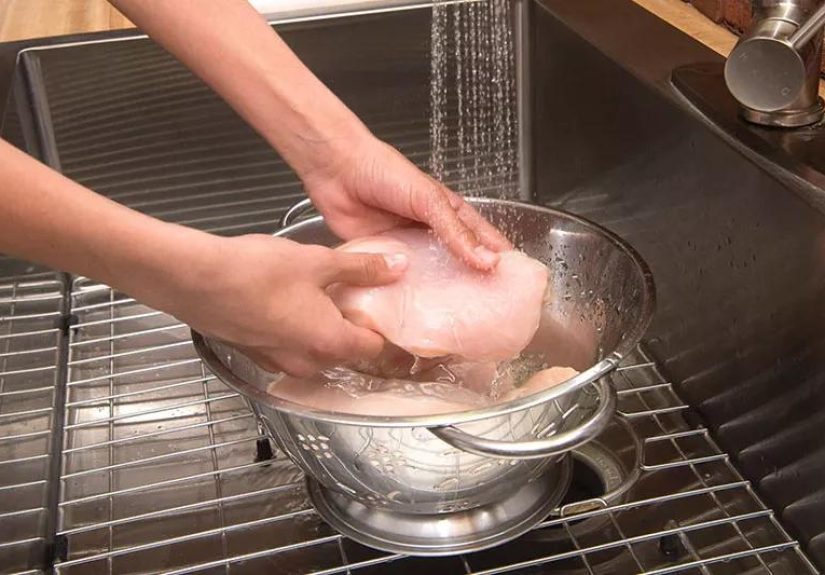
Let’s start with the big one, because this myth has had a ridiculously long career. You should not rinse raw chicken before cooking it. The same goes for turkey and, in most cases, other raw meats. Water does not “clean” raw poultry in any meaningful food-safety sense. What it can do is splash raw juices around your sink, faucet, countertop, dish rack, sponge, and whatever else happens to be within splash-zone distance.
That means rinsing chicken can actually increase the risk of cross-contamination. The bacteria you are worried about are not impressed by your faucet. They are impressed by heat. Proper cooking is what makes raw poultry safe, not a quick shower under cold water.
What to do instead
Take the chicken straight from the package to the pan, roasting tray, or marinade. If you want a drier surface for better browning, pat it dry with paper towels and throw those towels away immediately. Then wash your hands, sanitize the work area, and cook the chicken thoroughly. In other words, skip the rinse and keep the drama in the seasoning, not the sink.
2. Do Rinse Fresh Fruits and Vegetables Under Running Water
Produce is where rinsing does make sense. Fresh fruits and vegetables should be washed before you eat, cut, or cook them. Dirt, residue, and microbes can hitch a ride from the farm to the grocery store to your countertop, so giving produce a good rinse under running water is a smart step.
This applies even to produce you plan to peel. That sounds backwards until you remember that your knife can drag whatever is on the outside into the inside. If you slice through an unwashed melon, cucumber, avocado, or orange, congratulations: you have just given surface grime a backstage pass.
Best practice for produce
Rinse produce under cool running water right before prep or serving. Firm items like potatoes, carrots, cucumbers, apples, and melons can be scrubbed with a clean produce brush. Delicate items like berries should be handled more gently and washed just before eating so they do not turn mushy in the fridge like tiny regret balloons.
3. Don’t Wash Produce with Soap, Bleach, or Fancy “Vegetable Cleaners”
Here is where good intentions go off the rails. Yes, produce should be washed. No, it should not be washed with dish soap, hand soap, bleach, detergent, or a mystery potion sold in a bottle with suspiciously healthy-looking lemons on the label.
Fruits and vegetables are often porous, which means they can absorb substances you really do not want to eat. Plain running water is the standard recommendation for most home kitchens. The goal is to remove dirt and reduce contamination, not marinate your strawberries in lemon-scented dish liquid.
When plain water is enough
For most produce, plain running water plus friction does the job. Rub smooth-skinned items with your hands. Scrub firm produce. Remove damaged outer leaves on lettuce or cabbage. Cut away bruised spots. Simple beats theatrical every time.
4. Don’t Rewash Bagged Salad That Says “Pre-Washed” or “Ready-to-Eat”
This one surprises people because it feels wrong to trust a bag of lettuce. But if leafy greens are labeled pre-washed, triple-washed, or ready-to-eat, you generally do not need to wash them again.
In fact, rewashing those greens at home can create a new risk. Your sink, colander, salad spinner, cutting board, and hands may not be cleaner than the conditions used for commercial washing. So the extra rinse that feels virtuous can actually reintroduce contamination.
When to skip the extra rinse
If the package clearly says the greens are ready to eat, open the bag and use them. If the greens are not labeled that way, wash them yourself. The label matters here. This is a rare moment when reading the bag is more useful than pretending you can freestyle your way through food safety.
5. Do Clean Can Lids and Jar Tops Before Opening
Canned foods are one of the most overlooked food-prep trouble spots. The food inside may be shelf-stable, but the lid on top has traveled through warehouses, trucks, store shelves, and maybe your pantry, where it has met dust, spills, and life in general. If you drag a dirty can opener through that lid and pop it open, some of that grime can end up in the food.
That does not mean canned food is sketchy. It means the top deserves a quick cleanup before you crack it open.
Quick habit, big payoff
Wipe or rinse the lid of cans and jars before opening, especially if the top looks dusty or sticky. This is one of those tiny kitchen habits that takes about five seconds and saves you from the deeply unappetizing idea of pantry dust becoming a seasoning.
6. Don’t Wash Commercially Packaged Eggs at Home
Eggs are a weird category because they look like something you should wash, but commercially packaged eggs in the United States have already been processed. Washing them again at home is not necessary and can actually raise the chance of contamination if water helps move bacteria across the shell surface.
So if you buy eggs from the grocery store, do not scrub them in the sink before cracking them. Store them properly in the refrigerator and handle them with clean hands and clean tools.
A small but important exception
If you are dealing with eggs from a backyard flock or another noncommercial source, handling guidance can be different depending on how clean the shells are and how the eggs were collected. But for standard store-bought eggs, skip the home wash. Your omelet does not need a pregame car wash.
7. Do Rinse with Purpose: Rice, Dried Beans, and Canned Beans All Play by Different Rules
This is where food prep gets wonderfully annoying. “Should I rinse it?” depends on whether you care more about texture, sodium, tradition, convenience, or specific cooking results.
Rice: rinse for texture, and sometimes for extra caution
Rinsing rice is usually about surface starch, not food safety. A quick rinse can help grains cook up fluffier and less sticky, which is great for plain white rice, pilaf, or anything where you want distinct grains. But for dishes that rely on starch, such as risotto or rice pudding, rinsing can work against you.
There is also a broader nutrition conversation around rice. Washing and cooking rice in extra water may reduce some arsenic, but it can also wash away some nutrients, especially in enriched rice. So rinsing rice is not a universal commandment. It is a trade-off. The smart answer is: rinse when the recipe or your preference calls for it, not because the internet made you feel guilty.
Dried beans: yes, sort and rinse them
Dried beans are old-school in the best way, but they do require a little prep. Sorting and rinsing dried beans helps remove tiny stones, dust, and broken beans before soaking or cooking. If you soak them, drain that water and rinse the beans before cooking in fresh water. This is practical, tidy, and kinder to the finished dish.
Canned beans: usually worth rinsing
Canned beans are the weeknight heroes of the pantry. Rinsing them can help reduce sodium and wash away some of the starchy packing liquid, which improves flavor and texture in salads, grain bowls, tacos, and quick sautés. That said, there are exceptions. If you are making a soup, stew, or chili and want the liquid for body, keeping some of it may be useful. Again, context wins.
8. Do Clean Mushrooms and Herbs Smartly, but Usually Right Before Using
Mushrooms and fresh herbs are the divas of the produce drawer. They are useful, flavorful, and just fragile enough to punish rough handling.
Mushrooms: wash late, not early
Mushrooms should be cleaned, but timing matters. If you wash them and then let them sit around, they can get slimy faster. A quick rinse or gentle wipe right before cooking works well. Dry them off, then cook them. Waiting until the last minute keeps texture in better shape and avoids storing extra moisture.
Herbs: rinse gently and dry well
Fresh herbs often need a rinse because they can trap dirt between leaves and stems. Swish or rinse them in cool water, then dry them thoroughly with towels or a salad spinner. Wet herbs can bruise, wilt, or make your chopping board look like a tiny swamp. Dry herbs chop better, store better, and taste less like refrigerator sadness.
The Real Rule Behind All 8 Do’s and Don’ts
If there is one big takeaway from all this, it is that rinsing is not automatically a cleanliness upgrade. Sometimes it helps. Sometimes it is pointless. Sometimes it makes things worse. The smartest cooks are not the ones who rinse everything or nothing. They are the ones who understand the difference between cleaning off dirt, avoiding cross-contamination, improving texture, and protecting food quality.
That means:
- Skip rinsing raw poultry and raw meat.
- Wash whole produce under running water.
- Never use soap on fruits and vegetables.
- Trust labels on ready-to-eat greens.
- Clean can lids before opening.
- Leave store-bought eggs alone.
- Rinse rice and beans only when the goal makes sense.
- Wash mushrooms and herbs gently, and usually just before use.
In short, food prep is not a personality test. It is a series of small decisions. Make the smart ones, and dinner gets safer, tastier, and a lot less likely to involve unnecessary sink-based optimism.
Real-Kitchen Experiences: What These Food-Prep Rules Look Like in Practice
In real kitchens, these do’s and don’ts show up in funny, familiar ways. A lot of people grew up watching a parent rinse raw chicken like it was a sacred pre-dinner ritual. It looked responsible. It looked clean. It also usually meant the sink, the faucet handle, and the nearby sponge got unintentionally seasoned with raw poultry juice. The first time many home cooks learn that rinsing chicken is actually a bad idea, the reaction is usually the same: disbelief, followed by a long stare at the sink, followed by a quiet internal speech that begins with, “Well, that is upsetting.”
Produce creates the opposite problem. People skip washing apples because they “look fine,” then remember too late that clean-looking and clean are not the same thing. Or they cut into a cantaloupe without washing the rind first and suddenly realize the knife just pulled whatever was on the outside straight into the fruit. That is the moment food safety becomes less abstract and more of an annoying little genius sitting on your shoulder saying, “I told you so.”
Bagged greens are another classic kitchen trap. Home cooks often assume extra washing must be extra safe. But many have had the experience of taking perfectly good ready-to-eat greens, dumping them into a colander, crowding the sink, and then wondering why the whole process felt messy and unnecessary. It usually was. Sometimes the safest move really is the least dramatic one: open bag, use lettuce, move on with your life.
Rice and beans bring out the practical side of the debate. Some people rinse rice because their families always did, and the result is exactly what they want: fluffy grains that do not clump together like they are emotionally dependent. Others skip rinsing because they are making a creamier dish and want that starch. Both approaches can be right. The same goes for beans. Anyone who has rinsed canned black beans for tacos knows the small satisfaction of watching that thick liquid disappear and seeing the beans look fresher, cleaner, and more ready to join the party.
Mushrooms and herbs teach a different lesson: timing matters. Wash mushrooms too early and they can turn sulky. Rinse herbs without drying them and your chopping board becomes a puddle with garnish. After a few kitchen mishaps, most cooks develop a rhythm. Mushrooms get cleaned right before the pan. Herbs get rinsed, dried well, and handled like the fragile little overachievers they are.
That is really what good food prep becomes over time: not fear, not perfection, just better instincts. You stop doing things because they “feel cleaner” and start doing them because they actually make sense. And once that clicks, the whole kitchen gets easier. Fewer unnecessary steps. Less cross-contamination. Better texture. Better flavor. Less random sink chaos. Which, honestly, is all most of us wanted in the first place.
Conclusion
If the question is, “Should I rinse that first?” the answer is no longer a shrug. It is a smarter, more useful rulebook. Rinse produce, herbs, dried beans, and sometimes rice. Do not rinse raw chicken, raw meat, pre-washed greens, or commercially packaged eggs. Clean can lids. Think about texture, contamination, and purpose instead of blindly sending every ingredient through the faucet. A little food-prep knowledge goes a long way, and unlike that questionable produce wash in the back of the cabinet, it actually earns its shelf space.