Table of Contents >> Show >> Hide
- Why Fall Mulching Can Be Helpful in the First Place
- When Fall Mulch Becomes a Bad Idea
- Skip Fall Mulch If You’re Growing These Plants
- 1. Bearded Iris and Other Rhizomatous Plants That Prefer to Stay Dry
- 2. Lavender, Thyme, Rosemary, Sage, and Other Mediterranean Herbs
- 3. Self-Sowing Annuals and Wildflower Patches
- 4. Small Early Bulbs and Spring Ephemerals
- 5. Established Groundcovers That Need Room to Spread
- 6. Perennials That Resent Winter Wet or “Losing Their Centers”
- When You Should Mulch in Fall
- A Better Rule of Thumb for Fall Mulching
- How to Mulch Smarter If You’re Unsure
- Real-Garden Experiences: What This Advice Looks Like in Practice
- The Bottom Line
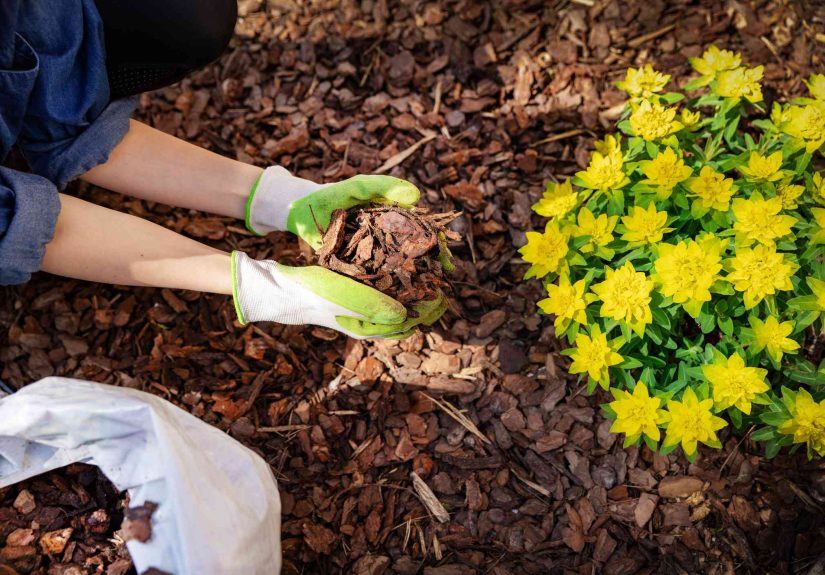
If fall gardening had a slogan, it would probably be: “Put a layer of mulch on it and call it a day.” It sounds tidy, efficient, and delightfully responsible. The leaves are dropping, the air is crisp, the pumpkin spice lobby is strong, and suddenly every gardener feels the urge to tuck the whole yard in with a blanket. Fair enough. Fall mulch can be smart. It helps moderate soil temperature, conserve moisture, reduce weeds, and protect roots from freeze-thaw cycles.
But here’s the plot twist: fall mulching is not a universal good idea for every bed, border, and beloved plant. In some cases, that cozy blanket acts less like comfort and more like a soggy winter trap. Certain plants hate having their crowns buried, their rhizomes kept damp, or their seedlings blocked from reaching soil. Others do better with light cover, not a thick, bark-heavy layer that sits there all winter like an overenthusiastic houseguest.
So, should you mulch in the fall? Yes, often. But not automatically. The smarter answer is this: mulch where it helps, and skip it where it increases winter wet, blocks reseeding, or smothers spring growth. If you’re growing the plants below, gardeners and horticulture experts say it may be better to hold back, lighten up, or rethink your fall mulching routine entirely.
Why Fall Mulching Can Be Helpful in the First Place
Before we start throwing mulch under the bus, let’s be fair. Fall mulch absolutely has a place in a healthy garden. In cold climates, it helps reduce the damaging cycle of freezing and thawing that can heave shallow-rooted plants right out of the ground. Around trees and shrubs, it helps hold moisture and buffer soil temperature swings. In vegetable beds, mulch can protect crops such as carrots, parsnips, and leeks for late harvest. And for tender perennials or newly planted specimens, a proper winter mulch can be the difference between spring growth and spring heartbreak.
The key word there is proper. Good fall mulching is usually done after the soil cools or lightly freezes, not while the ground is still warm. It’s applied at a sensible depth, not in a towering “mulch volcano.” And it’s kept away from trunks, stems, crowns, and exposed rhizomes. The problem is that many gardeners hear “mulch in fall” and stop reading after the first two words.
That’s where trouble starts.
When Fall Mulch Becomes a Bad Idea
Mulch can backfire when it keeps the root zone too wet, blocks air flow around the crown, interferes with spring emergence, or prevents seeds from making contact with bare soil. Heavy mulch can also slow the spread of certain groundcovers that are supposed to knit together naturally. In beds with poor drainage, thick mulch makes the wetness problem worse, not better.
In other words, mulch is not the villain. A bad match between the mulch, the plant, the soil, and the season is the villain. And like most garden villains, it usually shows up wearing sensible shoes and carrying a rake.
Skip Fall Mulch If You’re Growing These Plants
1. Bearded Iris and Other Rhizomatous Plants That Prefer to Stay Dry
Bearded iris are one of the biggest reasons this topic exists. These plants grow from rhizomes that like to sit near the soil surface, where they can bask in sun and stay relatively dry. Piling mulch over them in fall can trap moisture around the rhizome and invite rot. That is especially true in regions with rainy winters or in gardens with heavy clay soil.
If you’ve ever admired a healthy clump of bearded iris, you’ve probably noticed that the rhizomes are often visible or only lightly covered. That is not neglect. That is good sense. Established iris generally do not want a winter comforter. They want drainage, airflow, and a little breathing room.
There is one exception worth noting: newly planted iris in colder climates may sometimes get a very light mulch after the ground freezes to prevent heaving. But even then, the mulch is usually removed early in spring so the soil can dry and the rhizomes do not sit wet for long. So if your iris bed is mature and healthy, skip the thick fall mulch. Your plants will likely thank you by not dissolving into mush.
2. Lavender, Thyme, Rosemary, Sage, and Other Mediterranean Herbs
Mediterranean herbs are the garden equivalent of that friend who says they “love winter” but really mean a dry, sunny winter with excellent drainage and zero sogginess. Lavender, thyme, rosemary, oregano, and sage generally prefer lean, well-drained soil. Many of them struggle more with winter wet than with cold itself.
That means a thick, moisture-holding mulch can be a terrible idea around their crowns, especially in fall when rain, dew, and cooling temperatures are already working overtime. If the mulch stays damp, the crown can stay damp. If the crown stays damp, rot becomes much more likely. And if you garden in clay soil, low spots, or a region with wet winters, the risk goes up fast.
This does not mean every herb must be left bare in every climate. In colder regions, some gardeners use very light, airy protection or mulch around the root zone while keeping the base of the plant open. But if your herb garden already runs wet in winter, adding a thick layer of bark in late fall can do more harm than good. For these plants, drainage beats coziness every time.
3. Self-Sowing Annuals and Wildflower Patches
If you rely on flowers to reseed themselves, heavy fall mulch can accidentally wipe out next year’s show before it starts. Self-sowing annuals need seed-to-soil contact. When seeds land on a thick layer of bark or wood chips, they often never reach the soil surface at all. That means fewer spring volunteers and a much quieter garden than you expected.
This matters for plants such as larkspur, love-in-a-mist, calendula, cosmos, nicotiana, alyssum, and other annuals that naturally scatter seed at the end of the season. If part of your garden’s charm is that happy, slightly unruly, “I swear I planned this” cottage-garden look, don’t smother the seedbed with mulch in fall.
A better approach is to leave the soil mostly bare or use only a very light layer of chopped leaves that breaks down quickly. The goal is to protect the soil without creating a seed-proof mattress. Wildflower areas benefit from the same logic. If you want natural reseeding, fall mulch should be used sparingly or skipped altogether.
4. Small Early Bulbs and Spring Ephemerals
Mulch is often recommended over bulb beds, and that advice is generally sound. But small, early-blooming bulbs and delicate spring ephemerals need a lighter touch. Too much mulch can interfere with emergence and delay bloom, especially for little bulbs that are not exactly famous for bulldozing through thick layers of soggy bark.
Think crocus, species tulips, snowdrops, squill, and other early risers. These plants are trying to get moving while the garden still looks half asleep. A thick mulch layer can act like a weighted blanket they never asked for. Spring ephemerals are even more sensitive. Many of them rely on precise timing and quick emergence before the tree canopy fills in. Smothering them with too much fall mulch can reduce that brief but beautiful performance.
If you mulch these beds at all, keep it light and fluffy. Shredded leaves or a thin organic layer is usually safer than a thick cap of wood chips.
5. Established Groundcovers That Need Room to Spread
Mulch is useful when a groundcover bed is new and there is still lots of bare soil between plants. It helps suppress weeds while the planting fills in. But once groundcovers are established, continuing to mulch heavily can actually slow the spread you were hoping for in the first place.
Plants that creep, knit, and colonize by design do best when they can root into nearby soil and close gaps on their own. If you keep adding mulch between them every fall, you may be making that job harder. In woodland-style plantings, natural leaf litter is often better than a formal blanket of purchased mulch. It is lighter, more ecologically appropriate, and less likely to smother low growers.
So if your groundcover is already doing its job, it may not need another mulch refresh just because the calendar says November.
6. Perennials That Resent Winter Wet or “Losing Their Centers”
Some perennials simply do better without additional winter mulch because they dislike wet soils and are prone to rot or decline when kept too damp. This group often includes plants gardeners love for sunny, lean beds: blanket flower, basket-of-gold, creeping phlox, dianthus, coreopsis, geum, Shasta daisy, black-eyed Susan, and similar crown-sensitive perennials.
These plants are not usually asking for a thick winter blanket. They are asking for good drainage, decent air circulation, and a gardener who can resist the urge to “improve” things too much. In wet winters, heavy mulch can keep crowns moist and contribute to the dreaded disappearing act, where a plant that looked fine in October is weirdly gone by April.
If your perennial bed includes these sun-loving, drainage-loving types, fall cleanup should focus more on removing diseased material and improving drainage than on spreading a thick blanket of mulch just because the bags were on sale.
When You Should Mulch in Fall
Now for the balanced part: there are definitely times when fall mulching is the right move. Newly planted trees and shrubs benefit from mulch around the root zone, as long as it is kept away from the trunk. Tender perennials and marginally hardy plants often need winter protection after the ground cools. Strawberries are commonly mulched for winter protection in colder climates. Vegetable crops intended for winter harvest may also benefit.
In those situations, mulch is not the problem. Bad timing and bad placement are the problem. Apply it too early and you may encourage disease or prolonged growth when plants should be hardening off. Pile it against stems and crowns and you create the exact damp conditions many pathogens enjoy. Use too much and water may not penetrate well, or the soil may stay too wet for too long.
A Better Rule of Thumb for Fall Mulching
Instead of asking, “Should I mulch everything in fall?” ask these five questions:
- Does this plant hate wet feet or damp crowns in winter?
- Does it rely on self-sowing to come back next year?
- Does it emerge early and delicately in spring?
- Is it a groundcover that already spreads well on its own?
- Is the bed poorly drained, low-lying, or heavy in clay?
If the answer to one or more of those is yes, heavy fall mulch is probably not your best move.
How to Mulch Smarter If You’re Unsure
If you are on the fence, the safest strategy is not “more mulch.” It is better mulch habits. Wait until after several frosts or once the soil has cooled significantly. Use a lighter layer than you think you need. Keep mulch away from trunks, crowns, and exposed rhizomes. Choose airy materials like shredded leaves or pine needles instead of dense, mat-forming mulch in sensitive beds. And in spring, pull mulch back as growth resumes instead of letting it sit there until Memorial Day like a forgotten winter coat.
Also remember that natural leaf litter can sometimes do the job better than store-bought mulch, especially in woodland beds and wildlife-friendly gardens. Not every tidy-looking bed is healthier just because it has a uniform brown topping.
Real-Garden Experiences: What This Advice Looks Like in Practice
In real gardens, the difference between “good mulch” and “why is this plant dead?” often comes down to matching the material and the timing to the plant. One of the most common examples is the bearded iris bed that gets treated like a perennial border. A gardener spreads bark mulch everywhere in late fall, the bed looks neat for winter, and by spring the rhizomes are soft, spotted, or clearly unhappy. The mulch did exactly what mulch is supposed to do: it held moisture. The problem is that bearded iris did exactly what bearded iris is supposed to do: resent sitting wet.
Lavender tells a similar story. In a dry, raised bed, it may come through winter beautifully. In a flat bed with heavy soil and a thick ring of mulch hugging the base, it often declines fast. Gardeners sometimes assume cold killed it, when the bigger issue was moisture lingering around the crown for months. The same lesson shows up again and again with thyme, rosemary, and sage. These plants like life on the lean side. A rich, damp winter setup is not a luxury suite. It is a trap.
Then there are self-sowing flowers, which are experts at making gardeners accidentally sabotage their own success. Many people love larkspur, calendula, and love-in-a-mist because they drift through the garden naturally. But after a thorough fall cleanup and a thick mulch application, those cheerful volunteers mysteriously vanish. Nothing mystical happened. The seeds just never got the soil contact they needed. It is one of those classic gardening moments where being too tidy costs you flowers.
Small bulbs and early bloomers also teach humility. A thick mulch layer may look protective in November, but by March it can act like a barrier course for tiny shoots. Gardeners often notice that the lightly mulched section blooms earlier and more evenly, while the heavily mulched section lags behind. That does not mean mulch is bad. It means small plants need a lighter hand.
Established groundcovers offer another useful lesson. Many gardeners keep mulching them every fall out of habit, then wonder why the plants are not filling in faster. Once a groundcover is established, the better move is often to let it do its job. In some beds, leaving natural leaf litter in place works better than layering on purchased mulch year after year.
And perhaps the biggest experience-based takeaway is this: plants rarely care whether your bed looks finished for winter. They care whether their crowns stay dry, whether their roots can breathe, and whether their spring growth can emerge without fighting through a mulch mattress. The most successful gardeners are often not the ones who mulch the most. They are the ones who know when to stop.
The Bottom Line
Fall mulching is one of the most useful tools in the garden, but it is not a one-size-fits-all ritual. If you are growing bearded iris, Mediterranean herbs, self-sowing annuals, small early bulbs, established groundcovers, or perennials that hate winter wet, skipping fall mulch may be the smartest choice you make all season. At the very least, those beds deserve a lighter, more thoughtful approach.
So yes, mulch in the fall when it makes sense. Protect new plantings. Insulate vulnerable roots. Help crops and tender perennials get through winter. But do not spread it everywhere like powdered sugar at a bakery. Some plants want a blanket. Others want breathing room. Knowing the difference is what separates smart fall gardening from springtime regret.