Table of Contents >> Show >> Hide
- What Makes a Tokyo Bedroom Feel So Uncluttered?
- The Bed: Low, Simple, and Calm
- Materials: Concrete, Oak, Linen, and the Beauty of Honesty
- Storage: Hide the Chaos, Respect the Room
- Lighting: Soft, Low, and Sleep-Friendly
- Decor: Fewer Pieces, More Meaning
- How to Steal This Look on Different Budgets
- Small Bedroom Lessons from Tokyo Living
- Common Mistakes to Avoid
- A Practical Checklist to Create the Look
- Experience Notes: Living With an Uncluttered Tokyo-Inspired Bedroom
- Conclusion
There is a special kind of confidence in a bedroom that does not try too hard. No mountain of throw pillows. No “inspirational” wall sign yelling Dream Big while your laundry pile dreams bigger. Just a quiet room, carefully edited, where every object seems to have passed a very polite interview before being allowed inside.
That is the charm behind the look of an uncluttered bedroom in Tokyo: calm materials, low visual noise, honest textures, and the peaceful feeling that your room has finally stopped arguing with your brain. Inspired by Japanese minimalism, compact urban living, and the warm utility of linen, oak, concrete, and soft neutrals, this style is less about owning less for the sake of suffering and more about choosing better so the room can breathe.
The Tokyo bedroom look works because it understands one big truth: the bedroom is not a storage unit with a mattress. It is a recovery space. It should help you sleep, reset, read, stretch, and wake up without immediately seeing seventeen unfinished life admin tasks glaring from a chair. In this guide, we will break down how to steal the look in a practical, beautiful, and livable wayno passport, Tokyo apartment lease, or monk-level discipline required.
What Makes a Tokyo Bedroom Feel So Uncluttered?
An uncluttered Japanese-inspired bedroom is not empty. It is intentional. The difference matters. Empty can feel cold, unfinished, or like someone just moved out in a hurry. Intentional feels restful because every element has a purpose, a proportion, and a place.
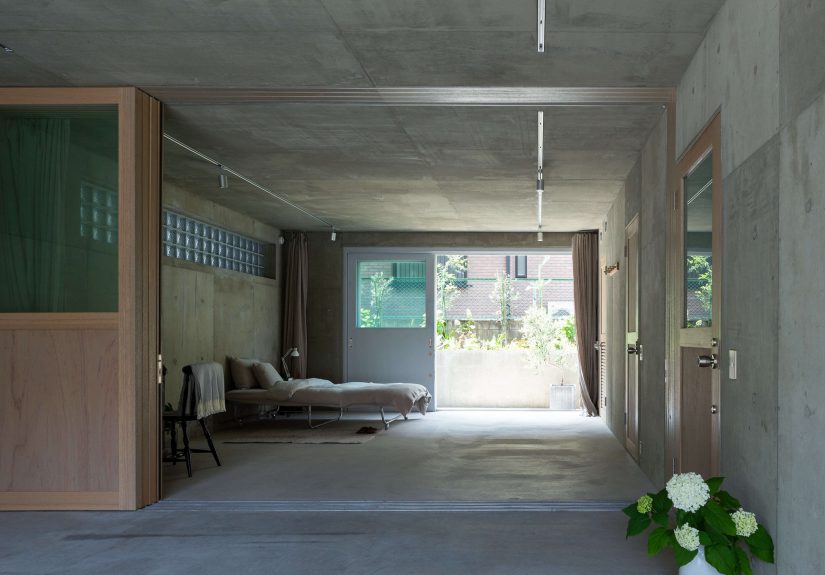
The Tokyo version of minimal bedroom design often blends industrial and organic materials. Think unfinished concrete walls, stainless steel accents, pale wood, linen bedding, and a simple bed frame. The result is not a showroom that refuses human contact. It is a room with quiet structure and soft comfort. The hard surfaces keep the design crisp; the textiles keep it from feeling like you accidentally fell asleep in an art gallery.
The Power of Negative Space
Japanese design often values the space between objects as much as the objects themselves. In a bedroom, this means not every wall needs decoration, not every corner needs furniture, and not every surface needs a decorative bowl full of mysterious wooden balls. Negative space gives the eye somewhere to rest. It makes a modest room feel larger and a larger room feel calmer.
To apply this at home, start by removing one piece of furniture or décor that is only there because the room “looked empty.” Empty is not the enemy. Visual shouting is.
A Restrained Color Palette
The easiest way to create an uncluttered bedroom is to limit the color palette. Tokyo minimalism often leans on warm whites, stone gray, oak, linen beige, charcoal, and soft black. These tones do not compete; they cooperate. That cooperation is what creates serenity.
A good formula is three main tones: one pale base, one natural material tone, and one quiet contrast. For example, use warm white walls, oak furniture, and matte black lighting. Or try concrete gray, natural linen bedding, and stainless steel accents. Keep the palette narrow, then add texture so the room does not become visually flat.
The Bed: Low, Simple, and Calm
The bed is the main character, but in this look it does not need a dramatic monologue. A low-profile bed frame, platform bed, foldable frame, or simple wood base works beautifully. The closer the bed sits to the floor, the more grounded the room feels. This is one reason Japanese-style bedrooms often feel peaceful: the furniture respects the horizontal line.
If a traditional futon suits your lifestyle, it can be a smart choice, especially in a small room. If you prefer a Western mattress, choose a minimal frame with clean lines. Avoid bulky upholstered headboards, giant storage beds with heavy profiles, or anything that looks like it requires its own zip code.
Bedding That Looks Relaxed, Not Neglected
Linen bedding is a natural fit for this look because it wrinkles beautifully. That sentence may sound like marketing magic, but it is true. Linen has a relaxed texture that looks better slightly imperfect. It gives the bed a lived-in softness without becoming messy.
Choose sheets and duvet covers in white, oatmeal, flax, soft gray, or muted clay. Skip loud patterns and shiny finishes. The goal is not hotel perfection; it is breathable comfort. Two sleeping pillows, one duvet, and perhaps one lightweight throw are enough. If your bed has more pillows than a boutique lobby, congratulations: you have accidentally opened a textile museum.
Materials: Concrete, Oak, Linen, and the Beauty of Honesty
The uncluttered Tokyo bedroom look becomes interesting through materials rather than decoration. Instead of adding more objects, add better surfaces.
Concrete for Quiet Structure
Unfinished concrete gives a room architectural calm. It is cool, minimal, and slightly industrial. If you do not have concrete walls, do not panic and start attacking your drywall. You can create a similar mood with limewash paint, plaster-look wallpaper, matte gray paint, or microcement-style finishes.
The key is softness in the shade. Avoid cold blue-gray if your room lacks natural light. Choose warm gray, greige, stone, or putty tones. The color should feel like a cloudy morning, not a parking garage.
Oak and Pale Wood for Warmth
Wood is what keeps minimalist design from becoming severe. Pale oak, ash, maple, or bamboo can bring warmth without adding visual heaviness. Use wood in a nightstand, low bench, simple shelf, floor, or bed frame.
For the most authentic effect, choose pieces with simple shapes and visible grain. The room should feel crafted, not overly polished. A small knot, a natural variation, or a handmade edge adds humanity. Minimalism is not about deleting personality; it is about refusing clutter the privilege of pretending to be personality.
Stainless Steel and Black Accents
A little metal sharpens the room. Stainless steel, brushed nickel, matte black, or dark bronze can appear in a reading lamp, bed frame, wall hook, or small side table. Use these accents sparingly. One or two are enough to create contrast against soft bedding and wood.
Storage: Hide the Chaos, Respect the Room
A bedroom cannot feel uncluttered if every surface is auditioning for a reality show called Things I Might Need Someday. Storage is not glamorous, but it is the quiet machinery behind the look.
Closed Storage Beats Open Storage
Open shelves can be beautiful, but they demand discipline. Closed storage is kinder to actual humans. Use drawers, boxes, lidded baskets, under-bed containers, or built-in closets to keep visual clutter out of sight. Matching baskets or boxes create order even when the contents are less poeticphone chargers, extra socks, seasonal bedding, that one cable nobody can identify but everyone fears throwing away.
Keep the top of the dresser nearly empty. A lamp, a tray, and one small object are enough. If the surface becomes a landing strip for receipts, coins, lip balm, and emotional baggage, reset it every evening.
The One-In, One-Out Rule
Tokyo apartments often require practical discipline because space is precious. Borrow that mindset. For every new item entering the bedroom, remove one item. New throw blanket? Retire the old one. New lamp? Donate the lamp you never liked but kept because it “still works.” This rule keeps the room from slowly becoming a storage closet with better lighting.
Lighting: Soft, Low, and Sleep-Friendly
Lighting can make or break an uncluttered bedroom. Overhead lighting that feels like a supermarket aisle will ruin the mood faster than a pile of unfolded laundry. Use layered, soft lighting instead.
Choose a wall-mounted reading light, a compact bedside lamp, or a paper-style shade that diffuses light gently. Warm bulbs are better than cold white ones in a bedroom. If you read at night, use focused task lighting so the whole room does not need to glow like an operating room.
Control Light for Better Rest
A restful bedroom should be cool, dark, quiet, and comfortable. Use blackout curtains or shades if streetlights enter the room. If total darkness feels too intense, choose a dim, warm night light placed low to the floor. The goal is to help your body understand that the day is done and your inbox is not invited to bed.
Decor: Fewer Pieces, More Meaning
In an uncluttered Tokyo bedroom, décor is not banned. It is edited. One ceramic vase, one branch, one framed print, or one small textile can be more powerful than a wall full of things bought during a 2 a.m. “room makeover” spiral.
Use Nature Without Creating a Jungle
A single plant can soften concrete, wood, and linen. Choose a low-maintenance plant with sculptural leaves, or use a simple branch in a ceramic vessel. Ikebana-inspired restraint works especially well: fewer stems, more breathing room, better composition.
If plants regularly come to your home to die, use dried grasses, a bare branch, or a small handmade object instead. Design should not become a guilt machine.
Choose Art That Whispers
Art in this style should support the room rather than dominate it. Try black-and-white photography, abstract line drawings, handmade paper, or a small textile wall hanging. Leave plenty of wall space around it. The blank wall is not unfinished; it is part of the composition.
How to Steal This Look on Different Budgets
You do not need a custom Tokyo home to create the mood. You need restraint, good proportions, and a plan.
Budget-Friendly Version
Start with decluttering. Remove anything unrelated to sleep, dressing, or calm personal ritual. Then repaint or simplify the color palette with warm white or soft gray. Add linen or cotton bedding in a neutral shade, a simple bedside lamp, and one storage basket. Replace visual clutter with texture: a cotton throw, a woven rug, or a wood tray.
Midrange Version
Upgrade the bed frame to a low platform style. Add matching closed nightstands or wall-mounted shelves. Invest in quality bedding, blackout curtains, and a wool or jute rug. Choose one handmade ceramic piece or framed artwork to give the room soul.
High-End Version
Consider plaster walls, custom built-ins, oak flooring, architectural lighting, and carefully sourced linen bedding. Add a handcrafted bench, a refined metal lamp, or a made-to-measure wardrobe. The luxury version should still feel modest. The best expensive minimalist room does not scream, “This cost a fortune.” It murmurs, “I make excellent decisions.”
Small Bedroom Lessons from Tokyo Living
Tokyo bedrooms remind us that small spaces are not design failures. They are design assignments. In a compact bedroom, every inch needs a job, but not every inch needs an object.
Use vertical space carefully. Wall hooks, floating shelves, and sconces can free the floor. Choose furniture with legs or low profiles to maintain openness. Keep the area under the bed either completely clear or neatly contained. Avoid oversized rugs that bunch, huge nightstands, and large decorative pieces that require constant negotiation.
Most importantly, keep pathways open. If you have to turn sideways to reach the closet, the room is not minimal; it is an obstacle course with bedding.
Common Mistakes to Avoid
Mistake 1: Confusing Minimalism with Discomfort
A minimalist bedroom should still be comfortable. Keep the good mattress. Keep the soft bedding. Keep the reading lamp. Remove the clutter, not the pleasure.
Mistake 2: Buying Too Many “Minimalist” Products
Buying twelve new objects to look minimalist is the home décor equivalent of ordering a salad and adding fries, cheese, and a milkshake. Start by subtracting before you add.
Mistake 3: Making Everything White
White can be beautiful, but all-white rooms can feel sterile without texture. Add wood, linen, wool, paper, stone, or metal. A good minimalist bedroom has depth, not just brightness.
Mistake 4: Leaving Technology Everywhere
Phones, tablets, laptops, and glowing clocks can disturb the mood of a bedroom. Charge devices outside the room when possible, or place them in a drawer. Your bed does not need to be mission control.
A Practical Checklist to Create the Look
- Limit the palette to three or four calm colors.
- Choose a low, simple bed frame or platform bed.
- Use linen, cotton, or wool bedding in neutral shades.
- Add closed storage to reduce visual clutter.
- Keep nightstands nearly empty.
- Use warm, soft lighting instead of harsh overhead light.
- Leave negative space on walls and floors.
- Add one natural element, such as wood, ceramic, or a branch.
- Remove work items, excess décor, and unused furniture.
- Reset the room for five minutes each evening.
Experience Notes: Living With an Uncluttered Tokyo-Inspired Bedroom
The real test of an uncluttered bedroom is not how it looks on day one. Any room can behave for a photograph. The true test is how it feels on a random Wednesday night when you are tired, your phone battery is at 6 percent, and one sock has mysteriously vanished into another dimension.
Living with a Tokyo-inspired bedroom teaches you that calm is maintained through small habits, not dramatic weekend overhauls. The first experience most people notice is the morning difference. When the floor is clear, the bedding is simple, and the first thing you see is not a cluttered dresser, waking up feels less abrasive. The room does not demand immediate action. It gives you a little silence before the day starts making requests.
The second experience is better decision-making. In a visually quiet room, it becomes obvious when something does not belong. A stack of mail on a wood bench looks rude. A laptop on linen bedding feels like a boundary violation. Shoes near the bed suddenly seem like they are trying to start a rebellion. This is useful. A well-edited room gently trains you to return objects to their proper places.
Another benefit is how much easier cleaning becomes. With fewer objects on surfaces, dusting takes minutes. With fewer textiles, laundry becomes simpler. With closed storage, the room can look peaceful even if one drawer contains a small civilization of mismatched accessories. Minimalism does not require perfection; it requires systems that forgive ordinary life.
The style also changes how you shop. Once your bedroom feels calm, you become more selective. You stop buying things just because they are “cute” and start asking better questions: Where will this live? Does it improve the room? Is it useful? Is it beautiful enough to earn visible space? This is where the Tokyo look becomes more than an aesthetic. It becomes a filter.
Of course, an uncluttered bedroom can reveal uncomfortable truths. For example, you may discover that the chair in the corner was never a design feature. It was a laundry cliff. You may learn that your nightstand was holding three books you were not reading, two glasses of water, receipts, headphones, and a tiny screwdriver for reasons nobody can explain. These discoveries are not failures. They are clues.
The most satisfying experience is the evening reset. It takes only a few minutes: fold the throw, clear the nightstand, put clothes away, dim the lamp, and open the bed. This small ritual makes the room feel cared for, and by extension, makes you feel cared for too. That is the quiet genius of an uncluttered Tokyo bedroom. It does not impress you with excess. It supports you through restraint.
In the end, stealing this look is not about copying a room exactly. It is about adopting the attitude behind it: choose fewer things, choose warmer materials, protect empty space, and let the bedroom be a place of rest rather than a showroom for unfinished tasks. The best version is not perfectly Japanese, perfectly minimalist, or perfectly styled. It is the version that helps you exhale when you walk in.
Conclusion
An uncluttered bedroom in Tokyo proves that simplicity can feel rich, personal, and deeply comfortable. By combining a restrained color palette, low furniture, honest materials, linen bedding, smart storage, and soft lighting, you can create a room that feels peaceful without feeling bare. The secret is not to remove everything. The secret is to remove the distractions so the good things can finally be noticed.
Whether you live in a small apartment, a suburban house, or a room that currently has “potential” buried under laundry, this look is achievable. Start with subtraction. Keep what supports rest. Add texture instead of clutter. Let blank space do some of the decorating. Your bedroom may not overlook a quiet Tokyo garden, but it can still borrow the same calm, edited, restorative spirit.