Table of Contents >> Show >> Hide
- What Is Swamp Soup?
- Why This Swamp Soup Recipe Works
- Best Ingredients for Swamp Soup
- Swamp Soup Recipe: Step-by-Step
- Tips for the Best Swamp Soup
- Easy Variations
- What to Serve with Swamp Soup
- How to Store and Reheat Swamp Soup
- Common Mistakes to Avoid
- Why People Love This Soup So Much
- Experiences with Swamp Soup: From Skeptic to Believer
- Conclusion
- SEO Tags
If you have never heard of swamp soup, congratulations: your first reaction is probably the correct one. It sounds like something a raccoon would order at a late-night diner. But once the bowl lands in front of you, steaming and loaded with smoky sausage, creamy beans, tender greens, and a broth that tastes like it has its own life coach, everything changes. Suddenly, “swamp” feels less like a warning and more like a promise of comfort.
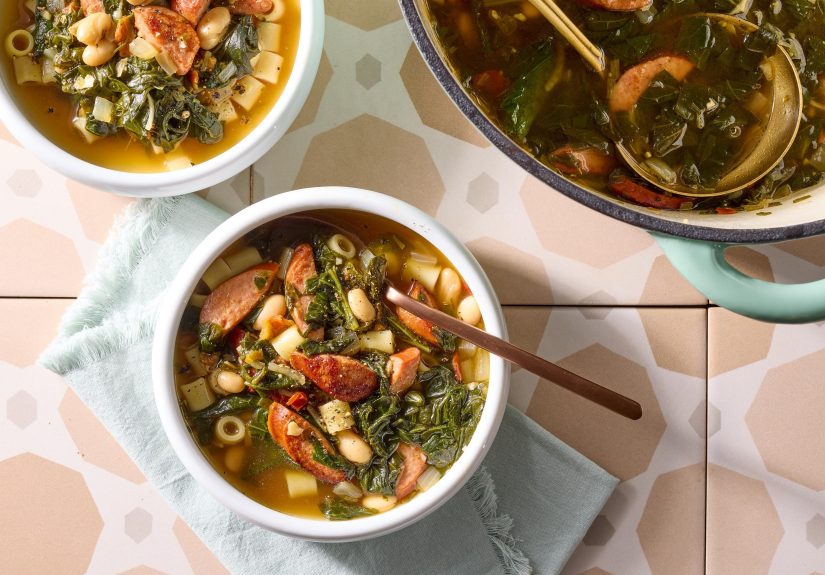
This classic Southern-style soup is hearty, flexible, budget-friendly, and wildly satisfying. It gets its name from the deep green look created by leafy greens floating through a rich broth. The appearance may be a little murky, but the flavor is crystal clear: savory, cozy, and exactly what you want on a chilly evening, a lazy Sunday, or any day when cooking elaborate meals sounds like a personal attack.
In this guide, you will learn how to make a truly delicious swamp soup recipe from scratch, why the ingredients work so well together, how to tweak it for your pantry, and how to avoid the common mistakes that turn a promising pot into a sad, swamp-adjacent puddle. Let’s get the ladle moving.
What Is Swamp Soup?
Swamp soup is a rustic soup built around a few dependable stars: smoked sausage, beans, greens, aromatics, and broth. Some versions add potatoes for body. Others add pasta for extra heartiness. Some lean spicy with tomatoes and chiles, while others stay mellow and savory with a splash of vinegar to brighten everything up at the end.
That flexibility is part of its charm. Swamp soup is not a fussy, white-tablecloth kind of recipe. It is the kind of meal that says, “Open the fridge, grab what works, and let’s make dinner happen.” As long as you keep the balance of smoky meat, tender greens, creamy beans, and flavorful broth, you are in very good shape.
Why This Swamp Soup Recipe Works
It layers flavor the smart way
Browning the sausage first creates fond, those tasty browned bits on the bottom of the pot. That flavor then gets picked up by the onions, celery, garlic, broth, and everything that follows. In other words, the pot does a lot of the heavy lifting while you casually look impressive.
It balances richness with freshness
Sausage and beans can be rich, even heavy, so greens and a finishing splash of vinegar help cut through that richness. The result is a soup that feels hearty without being exhausting.
It is forgiving
Turnip greens, kale, collards, or spinach all work. Cannellini, Great Northern, navy beans, or even black-eyed peas can step in. Smoked sausage is traditional, but kielbasa or andouille also deliver big flavor. This is the rare soup that does not panic when you improvise.
Best Ingredients for Swamp Soup
- Smoked sausage: Andouille adds heat, kielbasa adds gentle smoke, and standard smoked sausage gives you reliable, crowd-pleasing flavor.
- Onion, celery, and garlic: These build a savory base and keep the broth from tasting one-dimensional.
- Chicken broth: It gives the soup body and depth. Vegetable broth works if that is what you have.
- White beans: Cannellini or Great Northern beans are ideal because they turn creamy without falling apart too quickly.
- Greens: Turnip greens are classic, but kale and collards are excellent. Spinach works too, though it cooks much faster.
- Potatoes: They add comfort and help make the soup feel like a full meal.
- Tomatoes or diced tomatoes with green chiles: Optional, but great if you want a brighter, slightly punchier broth.
- Creole seasoning, black pepper, and red pepper flakes: These give the soup personality without making it taste like a dare.
- Apple cider vinegar: A small splash at the end wakes up the whole pot.
Swamp Soup Recipe: Step-by-Step
Ingredients
- 2 tablespoons olive oil
- 12 to 14 ounces smoked sausage, sliced into coins
- 1 medium yellow onion, chopped
- 3 celery stalks, sliced
- 4 garlic cloves, minced
- 1 tablespoon tomato paste
- 6 cups chicken broth
- 1 pound Yukon Gold potatoes, diced
- 2 cans cannellini beans, drained and rinsed
- 4 cups chopped turnip greens, kale, or collards
- 1 can diced tomatoes, optional
- 1 teaspoon Creole seasoning
- 1/2 teaspoon black pepper
- 1/4 teaspoon red pepper flakes, optional
- 2 teaspoons apple cider vinegar
- Salt to taste
Instructions
- Brown the sausage. Heat olive oil in a large Dutch oven or soup pot over medium heat. Add the sausage and cook until nicely browned, about 5 to 7 minutes. Remove it to a plate, but leave the flavorful drippings in the pot.
- Build the base. Add the onion and celery. Cook until softened, about 5 minutes. Stir in the garlic and tomato paste and cook for 30 seconds to 1 minute, just until fragrant.
- Add the broth and potatoes. Pour in the chicken broth, then add the potatoes, Creole seasoning, black pepper, and red pepper flakes if using. Bring to a gentle boil.
- Simmer. Lower the heat and simmer for about 12 to 15 minutes, or until the potatoes are nearly tender.
- Add beans, greens, and sausage. Stir in the beans, greens, browned sausage, and diced tomatoes if using. Simmer another 8 to 10 minutes, until the greens are tender and the flavors come together.
- Finish with vinegar. Stir in the apple cider vinegar. Taste and adjust salt and pepper. The vinegar should not make the soup taste sour; it should make it taste more alive.
- Serve hot. Ladle into bowls and serve with cornbread, crusty bread, or crackers.
Tips for the Best Swamp Soup
Do not rush the sausage
Color equals flavor. If the sausage looks pale and polite, keep cooking. You want some browning so the broth develops depth.
Add greens at the right time
Kale, collards, and turnip greens can simmer for a while without losing their identity. Spinach, however, should go in during the final minute or two unless you enjoy the emotional texture of green confetti.
Use acid carefully
A little vinegar transforms the broth. Too much makes the soup taste confused. Start with a small splash, stir, taste, and only add more if needed.
Mash a few beans if you want a thicker broth
For a richer texture, lightly mash some of the beans against the side of the pot before serving. It creates a creamier consistency without adding cream.
Easy Variations
Spicy swamp soup
Use andouille sausage, add diced tomatoes with green chiles, and finish with extra red pepper flakes. This version has a little swagger.
Potato-free version
Skip the potatoes and add a small pasta like ditalini or elbow macaroni instead. The soup becomes a little more stew-like and very family-friendly.
Vegetable-heavy version
Add carrots, bell peppers, or extra celery. The soup gets sweeter, brighter, and even more weeknight-worthy.
Ultra-rustic version
Use collard greens and black-eyed peas with smoked sausage for a deeper Southern feel. Serve with hot cornbread and do not pretend you are not proud of yourself.
What to Serve with Swamp Soup
Swamp soup is already a full meal, but side dishes can make it even better. Cornbread is the obvious favorite because it soaks up broth like a champion. Crusty bread works beautifully too, especially if you want contrast between crunchy edges and soft centers. A simple green salad with a sharp vinaigrette also pairs well, especially if your soup leans rich and smoky.
If you are feeding a crowd, set out hot sauce, grated Parmesan, crushed crackers, and extra vinegar on the table. This lets everyone fine-tune their bowl without turning your pot into a committee project.
How to Store and Reheat Swamp Soup
One of the best things about this swamp soup recipe is that it often tastes even better the next day. The broth gets cozier, the beans settle in, and the sausage has more time to charm the rest of the ingredients.
Let the soup cool slightly, then transfer it to shallow containers and refrigerate it within two hours. It keeps well in the refrigerator for 3 to 4 days. Reheat gently on the stove until hot all the way through. If you want to follow the safest route, heat leftovers until the soup reaches 165°F or comes to a boil.
You can also freeze swamp soup for longer storage. If you know you are freezing it, undercook the greens and potatoes just a little so they hold up better after reheating. Thaw in the refrigerator when possible, then warm it on the stove with a splash of broth if it has thickened too much.
Common Mistakes to Avoid
Using bland broth
If your broth tastes flat at the start, your soup will have to work uphill all night. Use a flavorful stock and season in layers.
Overcooking the greens
Tender is good. Gray-green surrender is not. Keep an eye on the pot once the greens go in.
Skipping the finishing touch
That final splash of vinegar or squeeze of lemon is small but mighty. It brings contrast and keeps the soup from tasting heavy.
Adding too much salt too early
Sausage and broth are often salty already. Taste near the end before making any bold sodium decisions.
Why People Love This Soup So Much
Swamp soup sits in the sweet spot between comfort food and practical cooking. It uses humble ingredients, but it does not taste humble. It feeds a family, reheats well, and welcomes substitutions without throwing a fit. It also has one of those names that start conversations instantly. Nobody forgets the first time they hear “swamp soup,” and almost nobody forgets the first bowl either.
It is the kind of recipe that becomes a repeat dinner because it solves real-life problems. It stretches a package of sausage. It turns pantry beans into something exciting. It helps use up greens before they become a science experiment in the crisper drawer. Best of all, it tastes like someone took all the cozy parts of winter and put them in one pot.
Experiences with Swamp Soup: From Skeptic to Believer
The first time I heard the words swamp soup recipe, I honestly assumed someone was joking. It sounded like the culinary equivalent of a dare. But then I saw a bowl of it on the table at a casual family dinner, and suddenly the name stopped mattering. The broth was golden and slightly green from the leafy vegetables, the sausage smelled smoky and rich, and the beans gave it that slow-cooked comfort food vibe that can make people hover around the stove with suspicious enthusiasm.
What surprised me most was how familiar it felt. Even though swamp soup has a quirky name, the flavor profile is deeply comforting. It reminds people of a lot of beloved soups at once: sausage and kale soup, bean soup, rustic vegetable soup, even a little bit of gumbo’s soul if you use a smoky sausage and bold seasoning. That familiar feeling is probably why it wins over skeptical eaters so quickly. It is new enough to be interesting, but cozy enough to feel like home.
I have also noticed that swamp soup tends to become a “signature dish” for people without much effort. Make it once, and everyone says, “You should make that again.” Make it twice, and someone starts requesting it when the weather cools off. Make it three times, and suddenly you are the swamp soup person, which is a strange title but, frankly, not the worst one to have.
Another great thing about the experience of making swamp soup is that it feels forgiving. Some recipes make you feel like one wrong move will summon kitchen disaster. Swamp soup is kinder than that. If you only have kale instead of turnip greens, it still works. If you prefer white beans one week and black-eyed peas the next, it still works. If you want it spicier, smokier, thicker, or brothier, it still works. That flexibility makes it especially satisfying for home cooks who want a recipe with structure but not attitude.
Then there is the leftover factor, which deserves its own small round of applause. Day-two swamp soup is excellent. Day-three swamp soup, with the flavors fully settled and the broth a little richer, can be downright magical. It is one of those meals that makes opening the refrigerator feel like a good decision. You see that container sitting there and think, “Ah yes, past me really cared about future me.”
Socially, swamp soup is a conversation starter too. Serve it to guests, and someone will always ask about the name. That question usually leads to a laugh, then a taste, then silence while people focus on their bowls. In food terms, that silence is a standing ovation.
If there is one common experience people seem to share with swamp soup, it is this: they expect it to be odd, and instead it becomes lovable. It is humble, hearty, and packed with the kind of flavor that feels bigger than the ingredient list suggests. That is probably the real magic of swamp soup. It lowers expectations with the name, then absolutely overdelivers with the spoon.
Conclusion
If you want a soup that is easy, flexible, deeply flavorful, and just weird enough in name to be unforgettable, this swamp soup recipe deserves a permanent spot in your rotation. With smoky sausage, creamy beans, tender greens, and a broth that knows exactly what it is doing, it is a one-pot wonder that turns simple ingredients into something warm, filling, and genuinely memorable.
So go ahead and make the soup with the questionable name and the excellent personality. Your kitchen will smell amazing, your leftovers will be worth protecting, and your dinner table will suddenly become a very happy little swamp.