Table of Contents >> Show >> Hide
- What Are “Electric Baths,” Anyway?
- Understanding Rheumatoid Arthritis Before Chasing “Shocking” Remedies
- The Real Benefit: Warm Water, Not Wizard-Level Electricity
- What Research Suggests About Hydrotherapy and RA
- Where TENS Fits Into the Conversation
- Safety First: Do Not DIY an Electric Bath
- Electric Baths vs. Evidence-Based RA Treatment
- Who Might Benefit From Warm Water Therapy?
- When Heat May Not Be the Best Choice
- How to Talk to Your Doctor About Electric Baths and TENS
- Practical, Safer Alternatives to “Electric Baths”
- The “Shocking Truth” in One Sentence
- Experiences and Real-Life Lessons About Electric Baths and RA
- Conclusion
Electric baths and rheumatoid arthritis sound like the beginning of a medical thriller: one part spa day, one part science experiment, and one tiny spark away from making your bathtub feel like it has a PhD in questionable decisions. But behind the dramatic title is a real question many people with RA ask: can warm water, electrical stimulation, or old-fashioned “galvanic bath” therapy actually help joint pain?
The short answer is this: warm water therapy may help ease stiffness, movement discomfort, and muscle tension for some people with rheumatoid arthritis. Electrical devices such as TENS units may help certain types of pain when used correctly. But “electric baths” as a cure for RA? That is where the rubber ducky needs to put on safety goggles. Rheumatoid arthritis is an autoimmune inflammatory disease, not simply a sore-joint problem, so no bathelectric, mineral, magical, or scented like lavender cookiescan replace medical treatment.
This article breaks down what electric baths actually mean, what science says about water therapy and RA, what electrical stimulation can and cannot do, and how to think about safety before mixing water, electricity, and inflamed joints.
What Are “Electric Baths,” Anyway?
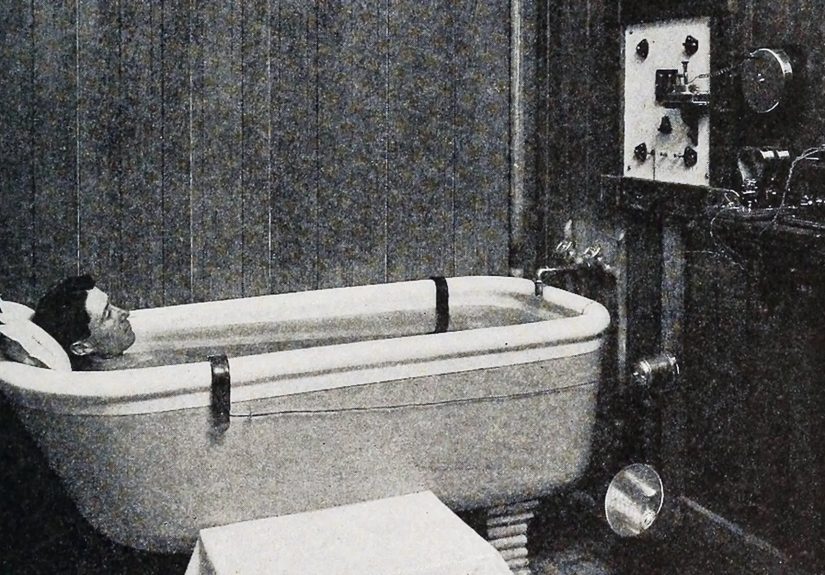
The phrase “electric bath” usually refers to older forms of electrotherapy that combined warm water with a mild electrical current. In the late 19th and early 20th centuries, these treatments were sometimes called galvanic baths, hydro-electric baths, or four-cell baths. A person might place hands and feet in water-filled chambers while a controlled current passed through the water. The goal was usually pain relief, improved circulation, or general “toning” of the nervous system.
Today, the term can also get mixed up with modern therapies such as TENS, which stands for transcutaneous electrical nerve stimulation. A TENS unit sends small electrical pulses through pads placed on the skin. It is not the same as sitting in electrified water, and that difference matters. A TENS unit is designed to deliver current through electrodes in a controlled way. A homemade electric bath is not a wellness hack; it is a bad idea wearing a spa robe.
Understanding Rheumatoid Arthritis Before Chasing “Shocking” Remedies
Rheumatoid arthritis, often shortened to RA, is a chronic autoimmune disease. Instead of politely protecting the body from germs, the immune system attacks joint tissues and triggers inflammation. RA often affects the hands, wrists, feet, ankles, knees, shoulders, and elbows. Symptoms may include joint pain, swelling, warmth, stiffness, fatigue, and flares that come and go.
Unlike a pulled muscle after moving furniture, RA is not just a temporary ache. Ongoing inflammation can damage joints over time. RA can also affect parts of the body beyond joints, including the lungs, heart, skin, nerves, muscles, blood vessels, and eyes. That is why rheumatologists usually focus on controlling disease activity with evidence-based treatment rather than only masking pain.
This distinction is important because electric baths and water therapy may influence comfort, relaxation, and mobility, but they do not stop the autoimmune process that drives RA. Think of them as possible supporting actors, not the lead role.
The Real Benefit: Warm Water, Not Wizard-Level Electricity
Warm water has a long history in pain management, and for good reason. Heat can relax muscles, reduce the sensation of stiffness, and make movement feel easier. Water also supports body weight, which can reduce stress on painful joints. This is why aquatic exercise is often recommended for people with arthritis: the water gives joints a break while still allowing the body to move.
For someone with RA, a warm bath may help loosen stiff hands in the morning or make stretching feel less like negotiating with a rusty gate. A warm pool can make gentle exercise more comfortable. The buoyancy of water reduces impact, while resistance from the water helps muscles work without the same pounding that happens on land.
The important part is that these benefits are mostly related to warmth, buoyancy, and gentle movementnot the thrill of adding electricity to the equation. If a bath feels soothing, the water deserves most of the credit. Electricity does not need to crash the party like an overconfident DJ.
What Research Suggests About Hydrotherapy and RA
Hydrotherapy is a broad term. It can include warm baths, pool-based exercise, spa therapy, mineral baths, warm compresses, and supervised aquatic rehabilitation. Studies and reviews have found that water-based exercise may improve pain, function, and quality of life for some people with arthritis, including inflammatory arthritis.
However, the evidence is not perfect. Some research on balneotherapy, or therapeutic bathing in mineral water, suggests possible short-term improvements in pain and well-being. But many studies are small, vary in methods, or are difficult to compare. In plain English: the water looks promising, but it is not a miracle potion. If it helps, great. If it does not, your joints are not “failing at relaxation.” RA is complicated.
The best-supported approach is usually not passive soaking alone. Gentle, regular, appropriate movement tends to matter more. Warm water can make that movement easier. A supervised aquatic class, physical therapy program, or low-impact exercise plan may be more useful than simply floating in a tub and hoping inflammation takes the hint.
Where TENS Fits Into the Conversation
TENS therapy uses electrical stimulation through pads placed on the skin. Some people use TENS for temporary pain relief. The device may help by interfering with pain signals or stimulating the release of natural pain-modulating chemicals in the body. The U.S. Food and Drug Administration classifies certain TENS devices for pain associated with arthritis, including rheumatoid arthritis.
Still, TENS is not an RA treatment in the disease-control sense. It does not reverse joint damage, calm the immune system, or replace medications such as DMARDs or biologics when those are prescribed. Its role, when appropriate, is symptom support.
Some people like TENS because it feels non-drug and adjustable. Others find it strange, irritating, or only mildly helpful. That variation is normal. Pain is personal, and RA pain can come from inflammation, joint damage, muscle guarding, nerve irritation, and fatigue. A device that helps one person’s wrist pain may do very little for another person’s swollen knees.
Safety First: Do Not DIY an Electric Bath
Let’s be very clear: do not create a homemade electric bath. Mixing water and electricity without medical-grade equipment and professional supervision is dangerous. Electricity is not impressed by your confidence, your YouTube history, or your “I’m pretty handy” energy.
Even approved electrical stimulation devices have precautions. People with pacemakers, implanted electronic devices, heart conditions, seizure disorders, pregnancy, cancer, blood clot concerns, bleeding disorders, broken skin, or unexplained pain should speak with a healthcare professional before using electrical stimulation. Pads should not be placed on the head, front of the neck, chest in a way that crosses the heart, infected skin, or areas with reduced sensation unless a clinician specifically advises it.
Warm water has safety concerns too. Very hot water can worsen dizziness, irritate skin, increase swelling in some situations, or cause burns, especially for people with reduced sensation. During an RA flare, a hot soak may feel soothing to one person and aggravating to another. The body is not a toaster; there is no universal setting.
Electric Baths vs. Evidence-Based RA Treatment
The biggest danger of trendy RA remedies is not always the remedy itself. Sometimes the danger is delay. RA treatment works best when inflammation is addressed early and consistently. Modern treatment often includes disease-modifying antirheumatic drugs, physical or occupational therapy, exercise, joint protection, lifestyle support, and regular monitoring.
If someone relies on electric baths instead of seeing a rheumatologist, inflammation can continue silently damaging joints. Pain relief can be useful, but pain is not the only target. The real goal in RA is to reduce inflammation, preserve function, prevent deformity, and protect overall health.
That does not mean comfort care is useless. It means comfort care should stand beside medical care, not shove it off the stage. A warm bath after a long day? Reasonable for many people. A supervised aquatic exercise class? Often a smart option. A mysterious device promising to “detox inflammation through electric water frequencies”? That deserves a raised eyebrow so high it needs its own elevator.
Who Might Benefit From Warm Water Therapy?
Warm water therapy may be worth discussing with a healthcare provider if RA stiffness makes movement difficult, if land-based exercise feels too harsh, or if stress and muscle tension make pain worse. It may be especially helpful for morning stiffness, gentle range-of-motion exercises, and easing into activity.
For example, a person with stiff fingers might soak hands in warm water before doing hand exercises recommended by an occupational therapist. Someone with knee or ankle discomfort might find walking in a warm pool easier than walking on pavement. Another person might use a warm shower before stretching to reduce that “my joints filed a complaint overnight” feeling.
The key is moderation. Warm water should feel comfortable, not scalding. Sessions should be short enough to avoid overheating or fatigue. Movement should be gentle and controlled. If symptoms worsen, the plan needs adjusting.
When Heat May Not Be the Best Choice
Heat is not always the hero. During an active flare with swollen, hot, inflamed joints, some people prefer cold packs because cold may reduce the sensation of swelling and irritation. Heat can sometimes make already-warm joints feel puffier or more uncomfortable.
A practical rule is to pay attention to the joint’s mood. If a joint feels stiff and tight without major swelling, warmth may help. If it feels hot, visibly swollen, or intensely inflamed, cold may be more soothing. This is not a substitute for medical advice, but it can help people communicate patterns to their care team.
How to Talk to Your Doctor About Electric Baths and TENS
If you are curious about TENS or hydrotherapy, bring it up directly with your rheumatologist, primary care clinician, or physical therapist. A good question is not “Can I cure RA with electric baths?” but “Would warm water therapy or a TENS unit be safe and useful as part of my symptom-management plan?”
Be ready to discuss your medications, implanted devices, heart history, pregnancy status, skin issues, nerve symptoms, pain locations, and current RA activity. If you already own a TENS unit, bring the model information and ask where pads should and should not be placed. For aquatic therapy, ask whether a supervised class or physical therapy referral would be appropriate.
Doctors have heard stranger questions. Trust me, “Can I use warm water or TENS for RA pain?” is not going to make the medical chart burst into flames.
Practical, Safer Alternatives to “Electric Baths”
1. Warm Hand Soaks
For stiff hands, a warm water soak may make gentle finger bends and stretches more comfortable. Keep the water warm, not hot, and stop if swelling or pain increases.
2. Aquatic Exercise
Water walking, gentle pool aerobics, and therapist-guided aquatic exercise can reduce joint impact while supporting strength and flexibility. This is often more productive than passive soaking.
3. Warm Showers Before Movement
A warm shower before morning movement can help loosen stiffness. It is simple, low-tech, and unlikely to require a dramatic warning label.
4. Clinician-Guided TENS
If electrical stimulation is appropriate, a physical therapist can help with pad placement, settings, timing, and safety precautions. This is far better than guessing.
5. Occupational Therapy Tools
Splints, jar openers, ergonomic pens, compression gloves, and joint-protection strategies may reduce daily strain. Sometimes the best RA tool is not futuristic. Sometimes it is a jar opener that saves your wrist from a wrestling match with pasta sauce.
The “Shocking Truth” in One Sentence
The shocking truth about electric baths and RA is that the electricity is usually less impressive than the marketing, while warm water, gentle movement, and evidence-based medical care remain far more important.
That may sound less dramatic than a miracle cure, but it is much more useful. RA management is not about chasing the newest sparkly promise. It is about building a plan that protects joints, reduces inflammation, supports movement, and makes daily life easier.
Experiences and Real-Life Lessons About Electric Baths and RA
People living with RA often describe their relationship with warm water in very human terms: it is not a cure, but sometimes it feels like a small vacation from stiffness. A warm bath may not erase inflammation, yet it can create a window where fingers bend more easily, shoulders drop away from the ears, and the body stops acting like every joint has submitted a formal complaint.
One common experience is morning stiffness. A person may wake up feeling as if their hands have been replaced with decorative wooden spoons. After soaking in warm water or taking a warm shower, they may find it easier to button a shirt, hold a toothbrush, or make breakfast. The improvement may be temporary, but temporary relief still counts when the day begins with a negotiation between you and your knuckles.
Another real-life lesson is that water-based movement can feel emotionally different from land exercise. On land, sore knees, ankles, or feet may complain with every step. In a pool, the body feels lighter. The water supports movement and gives people a chance to exercise without feeling punished by gravity. For someone who has started avoiding activity because it hurts, aquatic exercise can rebuild confidence. That confidence matters. RA can shrink a person’s world, and safe movement helps expand it again.
But experiences vary. Some people try warm baths and feel relaxed but not dramatically better. Others notice that too much heat makes swelling worse. A few find that getting in and out of a tub is the hardest part, especially during flares. That is why practical safety matters: grab bars, non-slip mats, moderate water temperature, and not bathing when dizzy or exhausted are not boring details. They are the difference between self-care and an accidental bathroom rodeo.
People who try TENS sometimes describe a tingling or buzzing sensation that distracts from pain. For certain aches, that can be helpful. For active joint inflammation, it may do very little. Some users love the sense of control because they can adjust intensity and timing. Others dislike the sensation or find electrode placement confusing. The best experiences usually happen when a physical therapist explains how to use the device safely and realistically.
The most important experience-related lesson is skepticism with balance. It is fine to be curious. It is wise to ask questions. It is not wise to believe every product that claims to “reset” the immune system, “detox” joints, or “electrically rebalance” inflammation. RA is not caused by a shortage of spa gadgets. It is an autoimmune disease that deserves proper medical care.
For many people, the winning formula is not dramatic. It looks more like this: prescribed RA treatment, regular follow-ups, gentle exercise, good sleep habits, joint protection, stress management, and comfort tools such as warm water when useful. There is no thunderclap, no glowing bathtub, no superhero origin story. Just steady care. And with RA, steady often beats shocking.
Conclusion
Electric baths have a fascinating history, but history alone does not make a therapy effective or safe. For rheumatoid arthritis, warm water therapy and aquatic exercise may offer comfort, easier movement, and short-term pain relief for some people. TENS may help selected individuals manage pain when used properly. But neither electric baths nor electrical stimulation devices treat the underlying autoimmune inflammation of RA.
The smartest path is not to fear every alternative therapy or believe every shiny promise. It is to separate helpful support from hype. Use warmth wisely. Move gently. Ask medical professionals about TENS before using it. Avoid homemade electric baths completely. And keep evidence-based RA treatment at the center of the plan, because your joints deserve more than a dramatic headline and a risky plug near the tub.