Table of Contents >> Show >> Hide
- Who Won 'The Voice' Season 25 in 2024?
- Why Asher HaVon's Win Made History
- Why Fans Are Riled Up Over the Season 25 Results
- Was Asher HaVon the Right Winner?
- How Reba McEntire Became the Season's Big Winner Too
- The Fan Backlash Says More About the Show Than the Winner
- What Happens Next for Asher HaVon?
- My Experience Watching the Season 25 Winner Debate Unfold
- Conclusion: A Worthy Winner, a Loud Fan Debate, and a Finale People Remember
Every season of The Voice ends with confetti, happy tears, and at least one corner of the internet acting like America just fumbled the Super Bowl. Season 25 was no exception. When Carson Daly announced Asher HaVon as the 2024 winner, Team Reba celebrated a historic victory, Reba McEntire looked like the proudest country-music fairy godmother on television, and fans immediately split into two very loud camps: “Absolutely deserved!” and “Wait, Nathan Chester finished fourth?”
The debate did not happen because Asher HaVon lacked talent. Quite the opposite. His voice was huge, polished, emotional, and theatrical in the best way. He delivered finale performances that sounded less like a contestant trying to win a TV show and more like a headliner calmly reminding everyone where the roof used to be before he lifted it. Still, The Voice fans are a passionate species. Give them a finale ranking, and they will study it like detectives at a glitter-covered crime scene.
So why are Season 25 fans riled up over the 2024 winner? The short answer is that Asher HaVon won, Reba McEntire made history, and many viewers believed Nathan Chester, Bryan Olesen, or Josh Sanders deserved a higher placement. The longer answer is more interesting: Season 25 had one of the most competitive finales in recent memory, and the result exposed the classic Voice argument between technical vocals, stage presence, consistency, coach popularity, genre loyalty, and what viewers actually vote for when the lights go down.
Who Won ‘The Voice’ Season 25 in 2024?
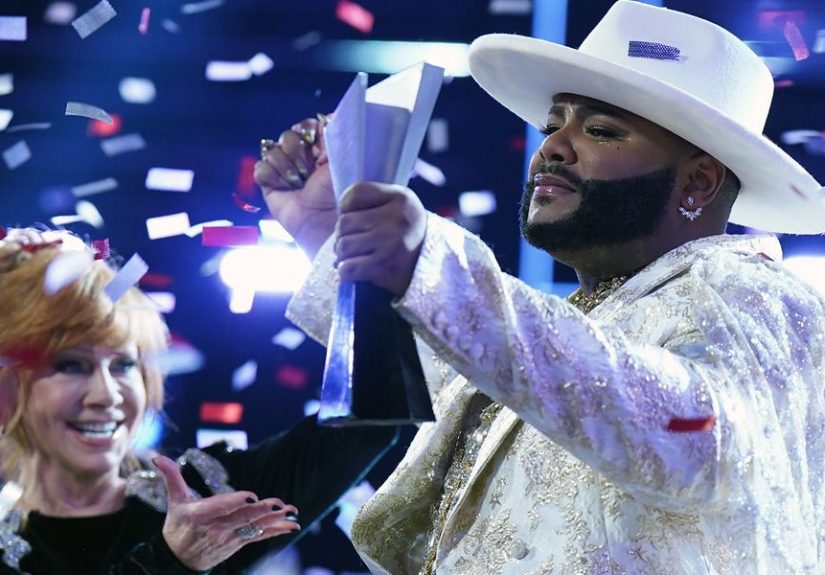
Asher HaVon won The Voice Season 25 on May 21, 2024. He represented Team Reba, giving Reba McEntire her first win as a coach. That alone made the finale a major moment for the NBC singing competition. Reba joined the show as a coach after years of being one of country music’s most beloved figures, and Season 25 proved she was not just there to offer sweet advice and charming one-liners. She came to compete, and she left with the trophy.
The final rankings were:
- Asher HaVon Team Reba
- Josh Sanders Team Reba
- Bryan Olesen Team Legend
- Nathan Chester Team Legend
- Karen Waldrup Team Dan + Shay
That order is where the online fireworks began. Plenty of viewers were thrilled for Asher, especially because his win was historic. He became the first openly LGBTQ+ winner of The Voice, and his victory also highlighted a powerful story of confidence, identity, and artistic comeback. But other fans were stunned that Nathan Chester, one of the season’s most consistent performers, landed in fourth place. Some viewers also argued that Bryan Olesen’s rock edge or Josh Sanders’ country appeal could have carried them to the top.
Why Asher HaVon’s Win Made History
Asher HaVon’s win was not just another finale result. It was a cultural milestone for the show. The Selma, Alabama singer brought gospel roots, theatrical flair, emotional precision, and a commanding stage presence to Season 25. He did not simply sing songs; he built moments. That is a big reason his supporters felt the win was obvious.
From the beginning, Asher stood out. His Blind Audition performance of Adele’s “Set Fire to the Rain” earned a three-chair turn and introduced him as a vocalist with serious power. He chose Reba McEntire, a move that surprised some viewers but turned out to be one of the smartest coach-contestant pairings of the season. Their chemistry felt natural. Reba offered warmth, discipline, and confidence, while Asher brought the kind of voice that can make a ballad feel like a weather event.
During the finale, Asher performed Donna Summer’s “Last Dance” and later delivered a soaring version of “I Will Always Love You,” a song dangerous enough to make even seasoned professionals check their pulse before attempting it. He also performed “On My Own” with Reba, creating one of those big finale duets designed to make fans reach for tissues, snacks, or both.
For many viewers, Asher’s win felt earned because he peaked at exactly the right time. That matters on The Voice. A contestant can be strong all season, but finale night is the last sales pitch. Asher gave voters drama, vocal range, emotional stakes, and a polished sense of self. In a show built around “moments,” he delivered several.
Why Fans Are Riled Up Over the Season 25 Results
The anger, surprise, and social media debates did not come from one single issue. Instead, fans were reacting to a messy cocktail of expectations. Season 25 had multiple contestants who could reasonably claim finalist-level greatness. When that happens, someone’s favorite inevitably lands lower than expected, and the comment sections start warming up like a choir before Sunday service.
1. Nathan Chester Fans Thought He Was Robbed
The loudest reaction came from fans of Nathan Chester. Nathan, a Team Legend contestant, became known for energetic, retro-inspired performances that mixed soul, Motown, showmanship, and old-school charisma. He was not just a singer who stood behind a microphone and hoped the lighting did the heavy lifting. He performed with his whole body, connected with the audience, and gave the season a spark that felt refreshingly theatrical.
That is why his fourth-place finish shocked many viewers. To Nathan’s supporters, he was the most consistent performer of the season. They believed he had the strongest overall stage package: vocals, movement, personality, confidence, and entertainment value. His duet with John Legend on “When a Man Loves a Woman” also reminded fans how naturally he could hold his own beside a superstar coach.
Fourth place, for those fans, felt too low. Not necessarily because they disliked Asher, but because they expected Nathan to finish at least in the top two. In reality competition terms, that is enough to fuel a thousand posts beginning with “America got it wrong.”
2. Reba McEntire Had Two Finalists in the Top Two
Another reason the result stirred debate was the dominance of Team Reba. Asher HaVon won, and Josh Sanders finished second. That meant Reba had the top two contestants of the season, an impressive coaching achievement and a major statement in only her second season as a coach.
Some viewers saw that as proof that Reba played the game brilliantly. She chose strong singers, guided them well, and connected with the audience. Others wondered whether Reba’s popularity helped push her artists over the finish line. That is not an insult; coach loyalty has always been part of The Voice. Fans vote for singers, but they also bring feelings about coaches, genres, personalities, and storylines into the voting process. Reba is beloved, and beloved coaches can create momentum.
Still, Asher and Josh were not passengers on the Reba Express. They both delivered strong performances and built clear identities. Asher brought vocal glamour and emotional power. Josh brought heartfelt country storytelling. Together, they gave Reba a finale hand most coaches would envy.
3. Country, Soul, Pop, and Rock Fans Wanted Different Outcomes
Part of the Season 25 debate comes down to genre. The Voice has always been a strange and fascinating battlefield where country fans, pop fans, soul fans, gospel fans, and rock fans all vote under the same roof. That can make results unpredictable.
Josh Sanders had the kind of country sincerity that often performs well with the show’s audience. Bryan Olesen brought a rock background and a veteran musician’s confidence. Nathan Chester offered throwback soul and showmanship. Karen Waldrup had country grit and experience. Asher HaVon brought gospel-influenced powerhouse vocals with pop-diva drama. In other words, the finale was not comparing apples to apples. It was comparing apples, oranges, guitars, rhinestones, and one extremely emotional ballad.
When fans say the “wrong” person won, they often mean the person who best represented their favorite style did not win. That is natural. Music is personal. People do not vote like accountants; they vote like people whose playlists know too much about them.
Was Asher HaVon the Right Winner?
From a performance standpoint, Asher HaVon was absolutely a defensible winner. His vocals were among the strongest of the season, his finale song choices gave him room to shine, and his story connected emotionally. He also had a distinctive presence. You remembered him. On a show filled with talented singers, being memorable is half the battle.
His “I Will Always Love You” performance was especially important. That song carries enormous baggage because listeners immediately compare any version to Whitney Houston’s iconic recording and Dolly Parton’s original emotional simplicity. It is the vocal equivalent of walking across a tightrope while the internet watches with binoculars. Asher handled it with control, drama, and enough vocal firepower to justify the risk.
However, fans who preferred Nathan Chester also had a fair argument. Nathan was one of the season’s best entertainers. He made performances feel alive. He had a clear artistic lane and brought a level of joy that stood out. If someone says Nathan should have finished higher, that is not an unreasonable take. It is simply a different interpretation of what The Voice should reward: the most powerful vocalist, the most complete performer, the most consistent contestant, or the artist with the strongest finale moment.
The truth is that Season 25 had several “right” winners depending on the criteria. Asher won the actual vote, which makes him the rightful champion. But the debate exists because Nathan, Josh, Bryan, and Karen each gave fans reasons to believe in an alternate ending.
How Reba McEntire Became the Season’s Big Winner Too
Asher got the trophy, but Reba McEntire had a victory arc of her own. Season 25 turned Reba from a beloved new coach into a proven champion. She had already entered the show with decades of credibility, but coaching on The Voice requires a different skill set. A great coach needs to pick songs, shape performances, calm nerves, build confidence, and make strategic decisions under pressure.
Reba’s style worked because it felt personal. She gave advice like someone who understood both the stage and the human being standing on it. With Asher, that mattered. Their relationship became part of the season’s emotional center. Asher often spoke warmly about Reba’s support, and Reba seemed genuinely moved by his growth.
Her win also arrived during a season with an unusual coaching lineup. Season 25 featured John Legend, Chance the Rapper, Reba McEntire, and Dan + Shay, who made history as the show’s first coaching duo. That gave the season a fresh dynamic. Dan + Shay’s double chair brought novelty, John Legend brought polished musical expertise, Chance brought creative energy, and Reba brought country royalty with a maternal edge. In the end, Team Reba had the strongest finale outcome.
The Fan Backlash Says More About the Show Than the Winner
Fan outrage is practically part of The Voice finale tradition. It happens because the show asks viewers to become emotionally invested in artists, then ranks those artists in a way that can feel brutally simple. Weeks of growth, backstory, coaching, and performance get reduced to one list. Someone wins. Someone finishes fifth. The internet sighs, screams, and starts typing.
Season 25 was especially combustible because no finalist felt like filler. Karen Waldrup had experience and a loyal country audience. Bryan Olesen had grit and a strong rock identity. Nathan Chester had charisma for days. Josh Sanders had heartland appeal and Reba’s coaching behind him. Asher HaVon had the biggest vocal fireworks and a historic narrative. That is a recipe for passionate disagreement.
It also raises a familiar question: what is The Voice really measuring? Is it the best voice in a technical sense? The best performer? The most marketable artist? The most improved contestant? The singer who owns finale night? The answer changes depending on whom you ask. The official answer is simple: the winner is the artist who receives the most viewer votes. Everything else is where fandom gets spicy.
What Happens Next for Asher HaVon?
Winning The Voice is a major platform, but it is not a guaranteed shortcut to superstardom. The show has produced memorable champions, but the post-show path depends on song choice, branding, management, touring, streaming, and the artist’s ability to turn TV exposure into a real fan base. For Asher HaVon, the opportunity is clear: he has a voice built for big emotional songs, a compelling personal story, and a polished image that could translate well beyond the show.
The challenge will be defining his lane. Is he a pop-soul powerhouse? A gospel-influenced balladeer? A theatrical vocalist with adult contemporary appeal? A genre-blending artist who can move between church, club, and concert hall? The best version of Asher’s career may include all of those pieces, but the first post-show releases will matter. Fans who voted for him will want music that captures the magic they saw on television.
For Nathan Chester, Bryan Olesen, Josh Sanders, and Karen Waldrup, the finale result is not the end either. In many reality competitions, non-winning finalists build meaningful careers because they leave with exposure, performance clips, and dedicated fans. Nathan, in particular, gained a passionate following that may be more valuable than a higher finale ranking. Sometimes finishing fourth with fans shouting your name is better than finishing higher and being quietly forgotten.
My Experience Watching the Season 25 Winner Debate Unfold
Watching the reaction to The Voice Season 25 felt like sitting in a living room with five remote controls and no agreement on who gets to hold the snacks. Everyone had a point. The Asher fans were right that his voice was spectacular. The Nathan fans were right that his fourth-place finish felt surprisingly low. The Josh fans were right that his emotional country performances connected. The Bryan fans were right that rock voices often have to fight harder on shows like this. And Karen Waldrup’s supporters had every reason to admire her professionalism and grit.
That is what made the finale fun. A boring season produces a predictable winner and a polite shrug. Season 25 produced arguments because viewers cared. They had favorites. They remembered performances. They felt attached to contestants as people, not just as singers in sparkly jackets. That is the secret ingredient reality TV spends millions trying to bottle.
Asher’s win also showed how powerful a finale moment can be. Throughout the season, he was excellent, but the finale gave him the ideal runway. “I Will Always Love You” was a bold choice, and bold choices either crash dramatically or become the clip everyone replays the next morning. Asher landed closer to the second category. The performance reminded voters that he could handle pressure, emotion, and a song with skyscraper-high expectations.
At the same time, Nathan Chester’s placement is the kind of result that keeps fans talking long after the confetti is swept away. He had the rare ability to make a TV performance feel like a live show. There was movement, joy, humor, and soul in what he did. Many contestants sing well; fewer make viewers feel like they bought a ticket. Nathan did that repeatedly. So when he came in fourth, the reaction was understandable. Fans were not just defending a singer. They were defending the feeling he gave them.
That tension is exactly why The Voice remains such a durable format. The show is not only about vocal technique. It is about taste. It is about identity. It is about whether you prefer polish or personality, ballads or bangers, country sincerity or soul swagger. It is about whether a single finale performance should outweigh weeks of consistency. It is about whether coach loyalty influences votes. It is also, occasionally, about whether America needs a gentle reminder to count correctlyat least according to whatever fan base is currently yelling online.
In the end, the Season 25 debate does not weaken Asher HaVon’s win. If anything, it proves the season had depth. A controversial finale is often a sign that the talent pool was strong enough to support multiple outcomes. Asher won the title, Reba won her first coaching trophy, Nathan won a devoted army of defenders, and viewers won a finale worth arguing about. That is a pretty good result for a show that began with chairs spinning around and ended with the internet spinning even faster.
Conclusion: A Worthy Winner, a Loud Fan Debate, and a Finale People Remember
The Voice Season 25 ended with Asher HaVon as the 2024 winner, and the reaction was exactly what a big reality TV finale tends to produce: celebration, disagreement, emotional speeches, and fans typing in all caps like their keyboards owed them money. Asher’s victory was historic, vocally impressive, and deeply meaningful. Reba McEntire’s first coaching win gave the season a satisfying storyline, especially with both Asher and Josh Sanders finishing in the top two.
Still, the frustration from Nathan Chester fans is not hard to understand. Nathan brought consistency, charm, and old-school showmanship that made him one of the season’s most exciting performers. His fourth-place finish will probably remain the biggest “Wait, what?” moment of the Season 25 finale. But that debate is part of what keeps The Voice alive in pop culture. Fans argue because they care, and Season 25 gave them plenty to care about.
Was Asher HaVon the right winner? Based on the public vote, yes. Based on vocal power, finale impact, and emotional connection, he had a strong case. Was he the only contestant with a winning argument? Not at all. That is why the 2024 finale still has fans riled upand why Season 25 will be remembered as one of those Voice seasons where the trophy was awarded, but the debate kept singing.
Note: This article is written in original language for web publishing and is based on publicly reported information about The Voice Season 25, including the 2024 finale results, contestant performances, coach lineup, and fan reaction.