Table of Contents >> Show >> Hide
- Why Mythological Monsters Still Feel So Scary
- 10 Creepy Mythological Creatures That Still Haunt the Imagination
- 1) Medusa: The Original “Don’t Look” Monster
- 2) The Minotaur: Terror in the Maze
- 3) Cerberus: The Guard Dog You Absolutely Don’t Pet
- 4) Chimera: The Monster Built Like a Bad Idea
- 5) Sirens: Beautiful Voices, Terrible Outcomes
- 6) Cyclops: The Giant With One Eye and Zero Chill
- 7) Griffin: Majestic, Protective, and Still Slightly Menacing
- 8) Kraken and Sea Serpents: Ocean Nightmares With Tentacles
- 9) Dragons: Same Creature Name, Totally Different Nightmares
- 10) La Llorona and Kappa: Water Spirits With a Warning
- What These Monsters Really Represent
- on the Experience of Encountering These Creatures Through Stories, Art, and Travel
- Conclusion
If you’ve ever looked at a dark lake and thought, “Nope,” congratulations: mythology is still doing its job. Long before horror movies, jump scares, and cursed dolls with suspiciously expensive wardrobes, people told stories about terrifying creatures to explain danger, chaos, death, and the weird noises outside at night. Some of these monsters guarded treasure. Some haunted rivers. Some sang beautifully right before ruining your entire day. And somelooking at you, Medusamade “avoid eye contact” a survival strategy.
What makes creepy mythological creatures so unforgettable is that they rarely exist just to scare us. They usually carry a warning. Don’t wander too far. Don’t trust appearances. Don’t ignore nature. Don’t get arrogant. In other words, mythology was the original life coaching… just with more snakes, claws, and dramatic weather.
In this guide, we’re diving into the most chilling creatures from myth and folklore, why they still freak people out, and what they reveal about the cultures that created them. You’ll meet classic Greek monsters, sea terrors, shape-shifting nightmares, and cautionary spirits that still echo in modern storytelling. Sleep well.
Why Mythological Monsters Still Feel So Scary
Even when we know a creature is fictional, the fear can feel weirdly real. That’s because great monsters are built from real anxieties. Mythological creatures often combine familiar things into something wrong: a human with an animal head, a beautiful face with a deadly gaze, a song that sounds safe but leads to danger. They trigger the “almost normal, definitely not safe” feeling that horror creators still use today.
They also tend to live at boundaries: caves, crossroads, forests, rivers, cliffs, and oceans. Those are places where ancient people faced genuine risks, so myths turned danger into memorable characters. A river becomes more than water when a spirit haunts it. A storm becomes more than weather when a dragon rides it. A cave becomes more than rock when a giant lives inside and hates visitors.
And then there’s the design factor. Mythological creatures are incredibly visual. Wings, scales, horns, extra heads, impossible body combinationsthese details made them easy to picture, easy to retell, and hard to forget. That’s why they still dominate fantasy, horror, games, tattoos, logos, and late-night “top 10 creepiest creatures” videos.
10 Creepy Mythological Creatures That Still Haunt the Imagination
1) Medusa: The Original “Don’t Look” Monster
Medusa is one of mythology’s most famous nightmare figures, and for good reason. In Greek mythology, her face could turn onlookers to stone. That alone is terrifying, but Medusa’s story gets more unsettling the deeper you go. She’s not just a monster in a caveshe’s also a figure whose image and meaning changed dramatically over time.
In early imagery, Medusa appears as a protective, monstrous facewild, intense, and meant to repel evil. Later representations, especially in Greek and Roman art, make her look more human and even beautiful, which adds a psychological twist. She becomes scarier not because she looks more monstrous, but because she looks almost familiar. It’s the same reason modern horror loves smiling villains. The contrast is unsettling.
Medusa also survives because she works on multiple levels. She is a symbol of danger, punishment, protection, and power all at once. That complexity is why she keeps reappearing in art, film, fashion, and social commentary. Plus, she remains the undisputed champion of “bad hair day” jokes, which she has absolutely earned.
2) The Minotaur: Terror in the Maze
The Minotaur is nightmare fuel with architecture. This creaturepart man, part bullwas trapped in the Labyrinth, an elaborate maze built to contain it. That setup is brilliant because the fear is doubled: the monster is scary, and the place is scary. You’re not just being hunted; you’re also lost.
The Minotaur myth taps into a very old fear: being trapped in a space you don’t understand. The maze becomes a symbol of confusion, punishment, and power. It also reflects the political side of mythkings, tribute, and controlso the monster isn’t just a random beast. It is embedded in a system. That makes the whole story feel darker and more believable.
Modern horror still borrows this formula constantly: dangerous creature + confusing environment = instant panic. Haunted hotels, underground labs, cursed mansions, endless backroomssame energy, different decor.
3) Cerberus: The Guard Dog You Absolutely Don’t Pet
Cerberus, the watchdog of the underworld, is one of mythology’s greatest “do not cross this line” creatures. Usually depicted with three heads (and often snakes in the mix), Cerberus guarded the realm of the dead and prevented escape. He wasn’t just scary because he looked terrifying; he was scary because he enforced a final boundary.
That’s the key to Cerberus’s creep factor: he represents no return. Mythologies around the world often create guardians at thresholdsgates, bridges, tombs, riverbanksand Cerberus is one of the most iconic. He isn’t a wandering monster. He has a job. A very specific, very grim job.
And somehow that makes him more unsettling. A monster with a mission is always scarier than a monster with free time.
4) Chimera: The Monster Built Like a Bad Idea
The Chimera is one of the best examples of a hybrid horror creature. In Greek mythology, she’s described as a fire-breathing female monster made from multiple animalslion, goat, and serpent. It sounds chaotic because it is. The Chimera is basically the ancient world saying, “What if nature glitched?”
What makes the Chimera especially fascinating is how the idea spread beyond mythology. The word “chimera” now also means an impossible fantasy or an illusion, and in science it has technical uses related to mixed genetic origins. That linguistic afterlife shows how powerful the image is: the Chimera stopped being just a monster and became a concept.
Also, let’s be honest: hybrid creatures remain creepy because they break our visual expectations. We like categories. Lion? Fine. Snake? Fine. Fire-breathing lion-goat-snake combo? My brain would like to file a complaint.
5) Sirens: Beautiful Voices, Terrible Outcomes
Sirens are often confused with mermaids in modern pop culture, but their older form is much stranger. In ancient Greek tradition, sirens were associated with birds and women, not fish tails. Their power came from songbeautiful, irresistible, and deadly for sailors who followed the sound into danger.
This is one of mythology’s most effective horror tricks: weaponized attraction. Sirens don’t usually chase, roar, or smash. They lure. The threat feels elegant, which somehow makes it worse. You don’t run from a sirenyou drift toward one, convinced everything is fine right up until it’s absolutely not.
Over time, the siren image evolved, and modern culture leaned hard into the mermaid aesthetic. But the core fear never changed: seduction, distraction, and the danger of ignoring your better judgment. In short, sirens are the mythological version of clicking “I agree” without reading anything.
6) Cyclops: The Giant With One Eye and Zero Chill
The Cyclops is one of the most enduring monsters in Western myth, especially through the story of Polyphemus in the Odyssey. A giant with a single eye in the center of his forehead is already memorable, but the Cyclops persists because the image is both simple and deeply weird. One eye is enough to feel humanbut just wrong enough to feel disturbing.
The Cyclops myth also reflects fear of isolation and lawlessness. In many versions, the Cyclops lives outside normal society, far from cities and rules. He is physically powerful, unpredictable, and impossible to reason with. That combinationmassive size plus social disconnectionstill powers modern monster design.
And yes, there’s a little body horror in the concept, but what really makes the Cyclops scary is scale. A one-eyed giant turns every cave into a trap and every sheep pen into a very questionable hiding place.
7) Griffin: Majestic, Protective, and Still Slightly Menacing
The griffin is often treated as a noble creature rather than a horror icon, but let’s be real: a lion-eagle hybrid with claws, wings, and a reputation for guarding treasure is not exactly cuddly. The griffin blends two apex predators into one creature, which is a very efficient way to create a monster that screams “power.”
Historically, griffins appear widely in ancient art across the Mediterranean and Near East, often as decorative motifs tied to wealth, status, and protection. That visual legacy matters because it shows how some “creepy” creatures were not just fearedthey were respected. A griffin can be a guardian and a threat at the same time.
That dual role is what keeps griffins compelling today. They appear on crests, buildings, fantasy maps, and game worlds because they project majesty. But if you actually met one in a mountain pass, you would not be asking for a selfie. You would be rethinking your travel plans.
8) Kraken and Sea Serpents: Ocean Nightmares With Tentacles
The ocean has always been a myth-making machine. It’s vast, dark, and full of things humans couldn’t explain for most of history. Enter the kraken: a legendary sea monster from Scandinavian lore, often linked to giant squids and other enormous marine creatures seen (or imagined) by sailors.
The kraken works because it reflects a real experiencepeople encountering massive, unfamiliar animals in rough waters and trying to describe them without marine biology textbooks. Early naturalists and storytellers often blurred the line between observation and legend, which is part of why sea monsters became so popular. Mermaids, serpents, and tentacled giants all flourished in that space between fact and fear.
Even now, deep-sea creatures look like they were designed by someone who lost a bet. So the kraken remains believable in the emotional sense, even if we know the difference between folklore and zoology.
9) Dragons: Same Creature Name, Totally Different Nightmares
Dragons may be the ultimate mythological creature because they show up almost everywherebut not always in the same role. In many Western traditions, dragons are often cast as destructive monsters, enemies to be defeated, or symbols of evil and chaos. Medieval stories especially loved using dragons as moral and religious symbols.
In Chinese traditions, however, dragons often have a very different vibe. They can be linked to water, rain, weather, and imperial power. Instead of being simple villains, they may be forces of nature, cosmic order, or divine authority. That contrast is one of the coolest things about mythology: the same creature type can mean opposite things depending on the culture.
So yes, dragons are terrifyingbut they’re also flexible. They can be demons, guardians, rulers of rain, or symbols of kingship. They are basically mythology’s most overqualified employees.
10) La Llorona and Kappa: Water Spirits With a Warning
Some of the creepiest creatures and spirits in folklore exist for a practical reason: to keep people away from dangerous water. Two striking examples are La Llorona in Latin American folklore and the kappa in Japanese folklore.
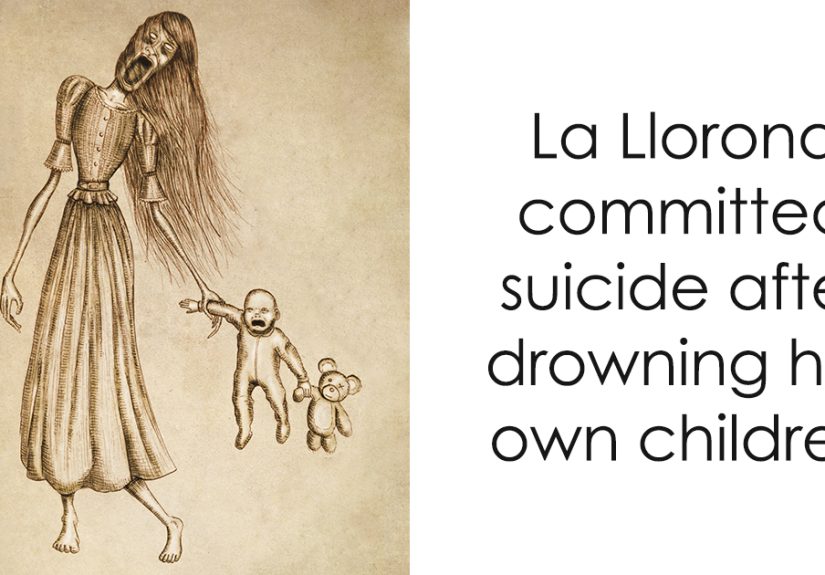
La Llorona, often described as the “Weeping Woman,” appears in many versions across Mexico and Latin America. Depending on the telling, she is a ghost, a wandering spirit, or a tragic supernatural figure. The details vary widely, but the emotional effect is consistent: grief, fear, and a warning about night travel, rivers, and unsafe choices. She isn’t just a scare storyshe’s a cultural mirror, and communities use her legend to talk about danger, morality, and memory.
The kappa, a famous yokai from Japanese folklore, also began as a frightening explanation for water-related danger, especially river drownings. Modern depictions often make kappa look quirky or cute, but older versions were much more sinister. That evolution is a perfect example of how mythological creatures change over time. A terrifying river spirit can become a cartoon mascotwithout losing the old warning underneath.
Together, La Llorona and the kappa prove that mythology doesn’t always need claws and fire. Sometimes a cry in the dark or a ripple in the river is enough.
What These Monsters Really Represent
If you line these creatures up side by side, a pattern emerges. They are not random nightmares. They are maps of human fear.
Medusa and sirens reflect fear of beauty mixed with danger. The Minotaur and Cyclops represent fear of being trapped with brute force. Cerberus is fear of death’s finality. The Chimera is fear of unnatural combination and chaos. Dragons and krakens embody forces too large to control. La Llorona and kappa turn moral and environmental warnings into unforgettable stories.
That’s why these creatures survive every generation. They are endlessly adaptable. You can put them in ancient poetry, medieval manuscripts, Victorian adventure tales, anime, fantasy novels, superhero stories, or video games, and they still work. The costumes change. The fear doesn’t.
on the Experience of Encountering These Creatures Through Stories, Art, and Travel
One of the most interesting things about creepy mythological creatures is that most people “meet” them long before they learn their actual stories. You see Medusa on a T-shirt, a dragon in a movie trailer, a kraken on a sports logo, or a siren in a song lyric. At first, they feel like cool images. Then you read the mythology and realize, “Oh wow, this got dark fast.” That shiftfrom symbol to storyis part of the experience, and it’s exactly why these creatures stick with people.
A museum is one of the best places to feel that transformation. When you stand in front of an ancient vase, mosaic, or sculpture and spot a monster worked into the design, it feels different from seeing the same creature in a modern poster. The old artwork reminds you that these weren’t just entertainment characters. They were meaningful. Protective symbols, warnings, religious metaphors, political messagessometimes all at once. A Medusa face on an object doesn’t just look eerie; it feels intentional, like it was placed there to do something.
Then there’s the storytelling experience itself. Mythological creatures hit harder when someone tells the story out loud, especially at night, especially when they know how to pace it. A siren story told near the ocean sounds different than one read on a phone. A La Llorona tale told near a river carries a different weight than a summary in a textbook. Even if you’re totally rational (and maybe a little smug about it), setting matters. The environment starts doing half the work.
Travel adds another layer. You begin to notice how places hold onto their creatures. A town mural, a festival mask, a carved dragon on a temple roof, a warning sign near water, a griffin perched on a buildingmyth lives in public space more than people realize. And once you start seeing it, you can’t unsee it. You realize these creatures are still part of everyday design, language, tourism, and local identity. They are not “dead stories.” They’re active cultural furniture.
There’s also a personal experience many readers have: revisiting the same creature later in life and finding it more complicated. As a kid, the Minotaur is just a scary bull-man. As an adult, the labyrinth feels like the real monster. As a kid, dragons are just giant enemies. Later, you notice how one culture treats dragons as evil and another treats them as divine. As a kid, sirens are “dangerous singers.” Later, you see themes of temptation, control, and how societies portray desire. The creature didn’t changeyou did.
That may be the creepiest and coolest part of all. Mythological monsters evolve in culture, but they also evolve in us. We return to them at different ages and find new meanings hiding under the scales, feathers, and fangs. So yes, these creatures can terrify you. But they also invite you to think, compare, and look closer. Just maybe not too closely if Medusa is involved.
Conclusion
These creepy mythological creatures have survived for centuries because they do more than scare peoplethey explain the world. They help cultures talk about danger, temptation, death, nature, power, and the unknown in a way that’s unforgettable. Whether it’s a dragon ruling the weather, a siren luring sailors, a kappa haunting the riverbank, or Medusa freezing people in place, each creature carries a warning wrapped in a story.
And that’s why they’re still everywhere. Mythological monsters are not relics. They’re living symbols that continue to shape art, entertainment, and how we tell scary stories today. Ancient people created them to make sense of fear. We keep them around because, honestly, they’re still extremely good at it.