Table of Contents >> Show >> Hide
- Why It’s So Hard to Put the Phone Down (It’s Not Just “Lack of Discipline”)
- What You Gain When You Spend Less Time on Your Phone
- 3 Tiny “Friction” Tricks That Make Alternatives Stick
- Things to Do Instead of Being on Your Phone: 33 Alternatives
- How to Pick the Right Alternative (So You Don’t “Relapse” Into Scrolling)
- A Realistic “Phone-Lite” Rule for Daily Life
- What It Feels Like to Spend Less Time on Your Phone (Real-Life Experiences)
- Conclusion: Make “Less Phone” Easy, Not Dramatic
- SEO Tags
Your phone is basically a tiny slot machine that also texts your mom back. It’s helpful, hilarious, andif we’re being honestway too good at
turning “I’ll check one thing” into “Why is it suddenly dark outside?”
If you’re trying to cut down on scrolling (without moving to a cabin and befriending squirrels), you don’t need superhuman willpower. You need
better swapssimple, satisfying alternatives that give your brain the same “ahhh” feeling without the endless feed.
This guide gives you 33 screen-free ideas to do instead of being on your phone, plus practical tips to make those alternatives actually
stick in real life (even when you’re bored, stressed, or “just waiting for one email”).
Why It’s So Hard to Put the Phone Down (It’s Not Just “Lack of Discipline”)
A lot of phone use isn’t intentionalit’s automatic. You reach for it when you’re bored, awkward, anxious, tired, or avoiding something mildly
annoying (like folding laundry or experiencing your own thoughts for 30 seconds).
Here’s what’s usually happening under the hood:
- Endless novelty: Your brain loves new information. Feeds and notifications deliver it in snack-size pieceseasy to start, hard to stop.
-
Stress scrolling: Doomscrolling can feel like “staying informed,” but it often becomes an anxiety loop where you keep reading to feel
better… and don’t. -
Distraction costs: Frequent interruptions make it harder to focus and get back into what you were doingso you stay scattered and reach
for your phone again.
The goal isn’t to “never use your phone.” It’s to use it on purposeand have other options ready when your thumb wants entertainment,
comfort, or a quick escape.
What You Gain When You Spend Less Time on Your Phone
Most people expect less screen time to feel like deprivation. In practice, it often feels like getting your day back in small, surprising chunks.
Common wins include:
- Better sleep habits: Fewer late-night rabbit holes and fewer “just one more video” spirals.
- More calm: Less emotional whiplash from news, arguments, and comparison content.
- More connection: More real conversationsplus more noticing what’s around you.
- More momentum: You start finishing things again (projects, books, recipes, walksyour life).
3 Tiny “Friction” Tricks That Make Alternatives Stick
If your phone lives in your hand, your alternatives don’t stand a chance. Add a little friendly friction so your default changes.
1) Create a “phone parking spot”
Pick one place where your phone rests when you’re home: a bowl by the door, a shelf, a drawer. Not as punishmentmore like a dog bed for your
phone. It belongs there when it’s off duty.
2) Make “screen-free zones” for the easiest wins
The two highest-impact zones are usually: the bed and the table. If you can keep phones out of those places, your sleep
and relationships tend to improve without a massive lifestyle overhaul.
3) Keep a “swap list” where you’ll actually use it
Don’t store your best ideas in your brain (which is already busy trying to remember passwords). Print this list, put it on the fridge, or keep a
sticky note by your couch. When the urge hits, you shouldn’t have to brainstormyou should just pick.
Things to Do Instead of Being on Your Phone: 33 Alternatives
Use these like a menu. If one doesn’t sound good today, skip it. The best alternative is the one you’ll genuinely doespecially when you’re bored.
Quick swaps (when you’ve got 2–10 minutes)
-
Do a two-minute reset stretch.
Roll your shoulders, stretch your neck, loosen your hands. Bonus: your thumbs will stop acting like they work overtime. -
Drink water (like it’s your job).
Fill a glass, drink it, refill a bottle. You’d be amazed how often “I need to scroll” is really “I’m dehydrated and restless.” -
Write a micro to-do list.
Three bullets: one easy task, one important task, one “future me will thank me” task. -
Tidy one small surface.
Just one: your desk corner, nightstand, coffee table. Stop after five minutes. You’re building momentum, not starting a renovation. -
Make tea or coffeeslowly.
Use the steps as a mini mindfulness practice: smell, stir, sip. Congratulations, you just treated your nervous system like a person. -
Do a brain teaser.
Crossword, Sudoku, logic puzzle, riddle bookpaper versions are perfect “waiting time” replacements. -
Doodle something ridiculous.
A frog in a business suit. A donut with feelings. Bad art counts. The point is using your hands for creation, not consumption. -
Read 5–10 pages of a book.
Keep a “phone-replacement book” in the places you tend to scroll: couch, bed, bag, bathroom (yes, we said it). -
Listen to music without multitasking.
Put a song on and do nothing else. If you need a “job,” read the lyrics on the album cover or imagine a music video in your head. -
Step outside for fresh air.
Even two minutes of daylight and movement can reset your mood better than 47 short videos. -
Write one paragraph in a journal.
Start with: “Right now I feel…” or “What I actually need is…” Keep it messy and honest.
Mind + body boosts (when you feel restless, stressed, or stuck)
-
Take a 10-minute walk.
No podcast, no scrollingjust you and the outdoors. If you want a mission: notice five things you’ve never noticed before. -
Do a short bodyweight circuit.
Example: 10 squats, 10 wall push-ups, 20-second plank. Repeat twice. It’s fast, free, and your brain will quiet down. -
Try a gentle yoga flow.
Pick three poses you like and loop them for five minutes. Your spine will write you a thank-you note. -
Dance to one song.
Not “perfect choreography.” Just “move like nobody’s recording you.” (Because ideally nobody is.) -
Do a breathing drill.
Box breathing (inhale-hold-exhale-hold) for a minute is a solid replacement for anxious scrolling. -
Cook a simple snack.
Slice fruit, make toast, mix yogurt, assemble a “snack plate.” You’re feeding yourself instead of feeding the algorithm. -
Spend five minutes in nature.
Backyard, balcony, parkany green counts. Touch a leaf. Watch clouds. Be a mammal in a world built for mammals. -
Play with a pet.
Toss a toy, practice a trick, brush their fur. Pets are excellent at living offline. -
Do a “brain dump” on paper.
Write every thought that’s buzzing. Then circle one small next step. Clarity is the opposite of doomscrolling.
Creative + home projects (when you want something absorbing)
-
Start (or continue) a puzzle.
Puzzles are basically “scrolling,” but with an endingand your brain gets to win. -
Try an easy craft.
Origami, crochet, beading, embroidery, whittling (carefully), model kits. Choose something that keeps your hands busy. -
Write a letter or card.
A thank-you note, a birthday card, or a “thinking of you” message. Old-school kindness hits different. -
Cook one new recipe.
Pick something simple: sheet-pan dinner, pasta sauce, homemade cookies. The best part is you can eat your progress. -
Organize one drawer.
Just one. Set a timer for 15 minutes. Stop when it goes off. This is about consistency, not perfection. -
Start a “tiny DIY” project.
Hang a hook, fix a squeaky hinge, paint a small item, repot a plant. Small wins build big confidence. -
Learn a musical riff or basic chords.
Guitar, keyboard, ukuleleanything. Practicing for 10 minutes beats scrolling for 30 (and makes you more interesting at parties). -
Make your space more cozy.
Light a candle, swap pillows, declutter a corner, open a window. Your environment affects your attention more than you think.
Social + out-in-the-world alternatives (when you need connection or novelty)
-
Call someone (or talk to a human nearby).
A real conversation is richer than a comment section. If you live with people, try “kitchen-chat time.” -
Plan a low-effort outing.
Park walk, library visit, coffee shop sit, local market stroll. The goal is to be around life, not inside a feed. -
Play a board or card game.
Uno, chess, Scrabble, trivia cards, even solitaire with real cards. Games give your brain structure and fun. -
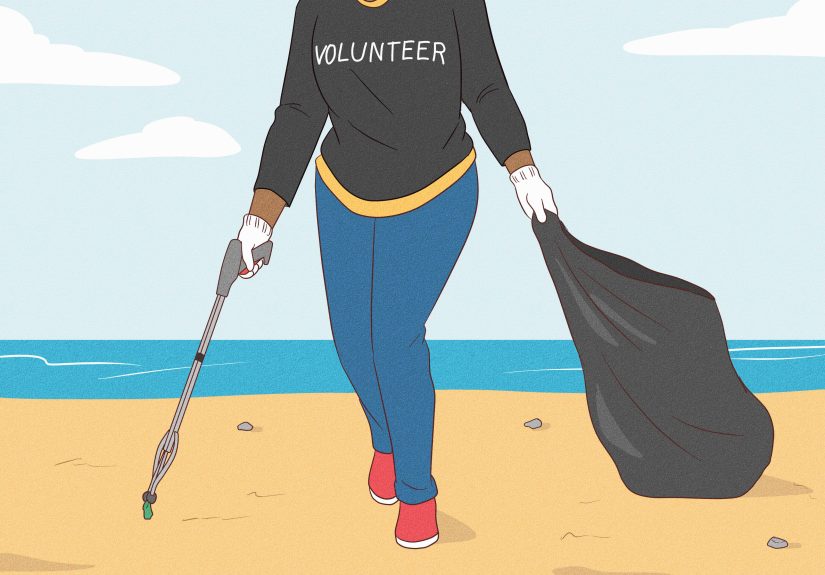
Volunteer or do a small act of service.
Help a neighbor, donate items, walk dogs at a shelter, write a supportive note. Meaning is a powerful screen-time replacement. -
Do absolutely nothing for five minutes.
Sit. Stare out a window. Let boredom arrive. Creativity and calm often show up right after boredom stops being scary.
How to Pick the Right Alternative (So You Don’t “Relapse” Into Scrolling)
Matching the activity to your mood is the secret sauce. Try this quick selector:
- If you’re anxious: breathing drill, walk, tidy one surface, journal one paragraph.
- If you’re bored: puzzle, craft, book chapter, cook something, board game.
- If you’re lonely: call a friend, write a letter, plan an outing, volunteer.
- If you’re tired: tea, gentle stretch, music, light reading, early bedtime routine.
A Realistic “Phone-Lite” Rule for Daily Life
Instead of trying to ban your phone, try an easier rule: “I don’t scroll when I’m transitioning.”
That means no scrolling:
- right after waking up
- during meals
- in the last hour before bed
- while waiting in line (that’s prime alternative time)
Those four moments alone can remove a huge chunk of mindless screen timewithout making you feel like you live under a rock.
What It Feels Like to Spend Less Time on Your Phone (Real-Life Experiences)
People often expect a digital break to feel peaceful immediately. The truth is, the first stage can feel oddly uncomfortablelike you keep patting your
pockets for a phone that’s literally in your house, minding its business. The urge to check can pop up in the most random moments: waiting for the
microwave, walking from one room to another, or pausing between tasks. That’s not failure; that’s your brain noticing the “gaps” it used to fill with
instant stimulation.
A common experience is realizing how often the phone is used as an emotional buffer. Awkward pause? Check phone. Mild stress? Check phone. Tiny
uncertainty (“Did I send that email?”)? Check phone. When you remove the automatic scroll, the feelings don’t disappearthey just show up so you can
actually deal with them. Many people find that a replacement habit like a two-minute stretch, a glass of water, or a short walk gives the same “reset”
feeling, but without the accidental 40-minute detour through everyone’s vacation photos and a heated argument about pineapple on pizza.
Another surprise: time starts feeling bigger. Without constant micro-checks, you get longer stretches of attention. At first, this can feel
strangealmost too quiet. But then you notice you’re finishing things. You read a chapter instead of a headline. You clean one drawer and it actually
stays clean. You make a snack and enjoy it instead of eating while scrolling so fast you barely taste it. Small tasks feel more satisfying because your
attention isn’t being split into 17 tiny tabs.
Socially, people describe a shift from “half-present” to “fully there.” Meals feel warmer. Conversations go deeper. You notice your surroundings more,
which sounds cheesy until you realize how often you’ve walked the same street without seeing the trees or the weirdly confident squirrel that owns the
sidewalk. If you live with family, roommates, or friends, a simple rule like “phones park during dinner” can lead to more laughter than you expectplus
you stop rewatching the same three clips while your food gets cold.
Sleep is another area where many notice changes. Even if the phone’s light isn’t the only factor, the bigger issue is what phones invite: stimulating
content, emotional news, endless “just one more” loops, and late-night notifications that pull your brain back into response mode. People who keep the
phone out of the bedroom often report falling asleep faster and feeling less mentally cluttered at night. Replacing that last-hour scroll with a puzzle,
light reading, stretching, or journaling can feel almost suspiciously effectivelike you found a cheat code for your own brain.
Finally, one of the best experiences people report is regaining choice. The phone stops being the default. You still use itmaps, messages,
music, plansbut you’re not stuck in it. You become the person who can wait in line without needing a feed, who can sit in a quiet moment without
panicking, and who can pick an activity from a list and actually feel better afterward. That’s not perfection. That’s progressand it adds up fast.
Conclusion: Make “Less Phone” Easy, Not Dramatic
You don’t need to delete your entire digital life, throw your phone into the ocean, or become a monk who communicates exclusively through interpretive
dance. You just need better defaults: a few simple rules, a little friction, and a menu of alternatives that feel good in the moment.
Start small: pick three alternatives from the list and try them for a week. When you catch yourself reaching for your phone automatically, don’t
scold yourselfswap yourself. Your attention is valuable. Spend it like it matters.