Table of Contents >> Show >> Hide
- Why pain gets more noticeable in the third trimester
- Common third trimester pains and what causes them
- 1. Lower back pain
- 2. Pelvic pain and pelvic pressure
- 3. Round ligament pain
- 4. Braxton Hicks contractions
- 5. Leg cramps and aching legs
- 6. Rib pain and upper abdominal discomfort
- 7. Headaches
- 8. Heartburn and painful indigestion
- 9. Constipation, hemorrhoids, and bowel-related pain
- 10. Swelling-related discomfort
- When third trimester pain is a red flag
- Treatments: what is usually safe and what needs a provider’s okay
- Practical daily habits that can reduce late-pregnancy pain
- What many pregnant people experience in real life
- Conclusion
The third trimester is when pregnancy starts to feel a little like a miracle and a full-time wrestling match happening inside your torso at the same time. Your baby is growing fast, your posture is changing, your joints are under pressure, and your sleep may now depend on a pillow arrangement that deserves its own engineering award. So yes, aches and pains are common. But “common” does not always mean “ignore it and hope for the best.”
This guide breaks down the most common third trimester pains, why they happen, what may help, and when it is time to call your healthcare provider right away. If you are wondering whether your sore back is just pregnancy being pregnancy or your body trying to send a strongly worded email, this article will help you sort it out.
Why pain gets more noticeable in the third trimester
From week 29 until delivery, your body is doing some heavy lifting. The uterus is larger, the baby gains weight quickly, connective tissues loosen, your center of gravity shifts, and extra pressure builds in the pelvis, spine, ribs, bladder, stomach, and legs. That combination can lead to a whole menu of discomforts, including back pain, pelvic pressure, round ligament pain, Braxton Hicks contractions, leg cramps, rib pain, headaches, heartburn, and swelling-related aches.
Many of these symptoms are normal in late pregnancy. The trick is learning the difference between expected discomfort and warning signs that need prompt medical attention.
Common third trimester pains and what causes them
1. Lower back pain
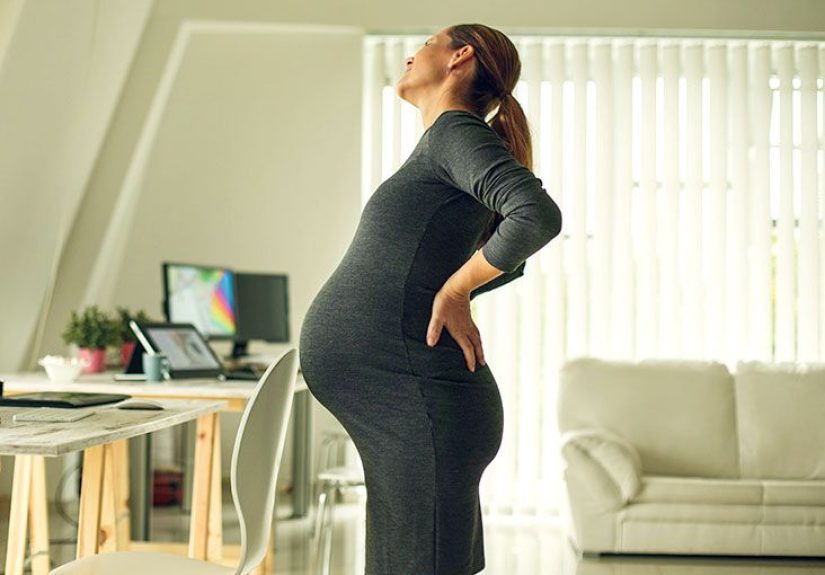
Back pain is one of the most common third trimester complaints. It can happen because pregnancy hormones relax ligaments, abdominal muscles stretch, posture changes, and the growing uterus shifts body mechanics. If you already had back issues before pregnancy, late-pregnancy back pain may feel even more dramatic.
Back pain may feel dull, sore, tight, or sharp. It often gets worse after standing for long periods, lifting, rolling in bed, or reaching the end of a long day when you have officially run out of patience and spine energy.
What may help
- Use good posture and avoid standing for too long.
- Wear supportive shoes instead of flimsy flats or sky-high heels.
- Sleep on your side with pillows between your knees and under your belly.
- Try regular low-impact movement such as walking, prenatal stretching, or provider-approved exercise.
- Ask your provider whether a maternity support belt may help.
- Use heat cautiously if your clinician says it is appropriate.
If back pain comes with regular contractions, pelvic pressure, bleeding, fever, or burning with urination, it may not be simple muscle strain. That is your cue to call your provider.
2. Pelvic pain and pelvic pressure
As the baby grows and drops lower, pressure in the pelvis can become intense. Some people describe it as heaviness, aching, or a “bowling ball in the pelvis” feeling. Others feel sharp pain in the groin, hips, tailbone, or pubic bone, especially when walking, turning in bed, climbing stairs, or standing on one leg to put on pants. Pregnancy is beautiful, but getting dressed in the third trimester can feel like an Olympic event.
This pain may be related to the loosening of joints and ligaments in the pelvic area, muscle strain, nerve irritation, or the baby’s position. Pressure usually increases as labor gets closer, but severe or sudden pain should not be brushed off.
What may help
- Change positions slowly and avoid sudden twisting.
- Keep your knees together when getting out of bed or the car.
- Use a pelvic support garment if recommended.
- Rest with your hips supported.
- Ask about physical therapy or pelvic floor therapy if pain interferes with walking or sleep.
3. Round ligament pain
Round ligament pain is often more famous in the second trimester, but it can continue later in pregnancy too. It usually feels sharp, brief, or stabbing on one or both sides of the lower belly or groin. It may strike when you stand up too quickly, cough, laugh, roll over, or move like a normal human for three seconds.
The cause is stretching of the ligaments that support the uterus. It is usually harmless, but because abdominal pain in late pregnancy can sometimes signal something more serious, new or severe pain should always be taken seriously.
What may help
- Move more slowly, especially when getting up.
- Support your belly during position changes.
- Rest on your side.
- Use gentle stretching only if your provider approves.
4. Braxton Hicks contractions
Braxton Hicks contractions are practice contractions. They usually feel like tightening or hardening across the abdomen. They tend to be irregular, infrequent, and less intense than true labor. They may be more noticeable in the third trimester, especially after activity, sex, dehydration, or a full bladder.
These contractions can be uncomfortable, but they usually do not become steadily stronger, longer, and closer together the way labor contractions do.
What may help
- Drink water.
- Empty your bladder.
- Change activity level: rest if you have been active, walk if you have been sitting still.
- Take a break and breathe slowly.
If contractions are regular, painful, and coming closer together, or if they are paired with pelvic pressure, backache, vaginal discharge changes, bleeding, or fluid leakage, call your provider right away. That can be a sign of preterm labor.
5. Leg cramps and aching legs
Leg cramps are common in the last months of pregnancy, especially at night. They usually affect the calves and can wake you up from the rare and precious sleep you finally managed to get. Pregnancy can also cause swelling, slower circulation, and varicose veins, all of which may contribute to tired, achy legs.
What may help
- Stretch your calf before bed.
- Stay hydrated during the day.
- Walk and change positions often.
- Elevate your legs when resting.
- Wear supportive footwear.
One important exception: pain and swelling in one leg but not the other can signal a blood clot. That needs urgent medical attention.
6. Rib pain and upper abdominal discomfort
In late pregnancy, the baby can press upward into the ribs. That may cause soreness, bruised-feeling discomfort, or a sharp jab under the ribs, especially after a dramatic kick that seems aimed directly at your internal organs. Mild rib pain from baby positioning is common.
But upper abdominal pain can also be a warning sign. Pain in the upper right abdomen, especially with headache, swelling, nausea, or vision changes, may point to preeclampsia or another serious problem. Sudden, severe belly pain with or without bleeding can also signal placental problems.
What may help if it is simple pressure
- Shift positions or lean away from the painful side.
- Sit up tall to create more room.
- Use pillows for support when resting.
- Try gentle movement to encourage the baby to reposition.
7. Headaches
Headaches can happen in pregnancy for lots of ordinary reasons, including fatigue, dehydration, stress, poor sleep, and muscle tension. But in the third trimester, a headache that is severe, persistent, or unusual should never be ignored.
A headache that does not go away, especially when paired with vision changes, swelling of the face or hands, shortness of breath, or upper abdominal pain, can be a warning sign of preeclampsia.
What may help for routine headaches
- Drink water and eat regular meals.
- Rest in a dark, quiet room.
- Address neck and shoulder tension with better support and posture.
- Talk with your ob-gyn before taking any medication.
Acetaminophen may be an option during pregnancy, but it is still smart to check with your clinician first, especially if headaches are frequent or severe.
8. Heartburn and painful indigestion
Heartburn is not technically a muscle pain, but ask any pregnant person who has tried to lie down after dinner and they will tell you it absolutely belongs on this list. Third trimester heartburn happens because hormones relax the valve between the esophagus and stomach, while the growing uterus pushes upward on the stomach.
The result can be a burning feeling in the chest or throat, a sour taste, bloating, and discomfort that is worse after meals or when lying down.
What may help
- Eat smaller meals instead of large ones.
- Avoid lying down right after eating.
- Limit foods that trigger symptoms, such as greasy, spicy, or acidic foods if they bother you.
- Sleep with your upper body slightly elevated if your provider recommends it.
- Ask your clinician before using antacids or other heartburn medicines.
9. Constipation, hemorrhoids, and bowel-related pain
Constipation becomes more common in pregnancy because hormones slow digestion, iron supplements may add to the problem, and the growing uterus can press on the bowel. Constipation can cause cramping, bloating, painful bowel movements, and hemorrhoids, which can make sitting feel wildly unfair.
What may help
- Drink plenty of water.
- Eat more fiber from fruits, vegetables, beans, and whole grains.
- Stay physically active as tolerated.
- Ask your provider whether a stool softener or fiber supplement is appropriate.
- Do not start laxatives, supplements, or over-the-counter remedies without checking first.
10. Swelling-related discomfort
Mild swelling in the feet and ankles is common in the third trimester. It happens because pregnancy changes circulation and increases pressure in the lower body. Swelling can make legs, feet, and hands ache or feel tight, especially late in the day or after standing.
What may help
- Elevate your legs.
- Avoid standing for long periods.
- Wear comfortable shoes and loose clothing.
- Stay hydrated and keep moving gently.
Sudden swelling in the face or hands, or swelling paired with headache, vision changes, or upper abdominal pain, is different from everyday pregnancy puffiness and needs prompt evaluation.
When third trimester pain is a red flag
Call your healthcare provider or seek urgent care if you have:
- Regular painful contractions before 37 weeks.
- Leaking fluid or a gush from the vagina.
- Vaginal bleeding.
- Severe or constant abdominal pain.
- Upper right abdominal pain.
- A severe headache that will not go away.
- Blurred vision, seeing spots, or other vision changes.
- Shortness of breath, chest pain, or trouble breathing.
- Pain and swelling in one leg only.
- Fever or signs of infection.
- Decreased fetal movement.
These symptoms can be linked to preterm labor, preeclampsia, placental abruption, blood clots, infection, or other complications. In other words, this is not the moment for internet bravery.
Treatments: what is usually safe and what needs a provider’s okay
For most routine third trimester pains, first-line treatment is usually conservative: rest, hydration, gentle movement, posture changes, belly support, stretching, sleep support, and targeted lifestyle adjustments. Exercise during pregnancy is helpful for many people, and approved physical activity may reduce back pain and constipation.
Medication is more nuanced. Some over-the-counter options may be used in pregnancy, but not every “normal” medicine is pregnancy-friendly. Acetaminophen is commonly discussed as an option for pain relief during pregnancy, but you should still ask your ob-gyn about the right dose and whether your symptoms need evaluation first. The same rule applies to antacids, laxatives, and supplements. Pregnancy is a season for asking before swallowing.
Practical daily habits that can reduce late-pregnancy pain
- Hydrate consistently instead of trying to catch up at night.
- Use pillows strategically for sleep, hip support, and belly support.
- Take movement breaks if you sit or stand for long periods.
- Lift carefully and avoid twisting while carrying things.
- Eat smaller meals to reduce heartburn.
- Choose supportive shoes.
- Track patterns in your pain so you can describe them clearly to your provider.
- Do not ignore symptoms that feel different, stronger, or suddenly worse.
What many pregnant people experience in real life
By the third trimester, discomfort often becomes less about one dramatic pain and more about a rotating cast of complaints that tag-team throughout the day. Morning may start with stiff hips and calf tightness. Afternoon may bring back pain after standing too long. Evening might feature heartburn, pelvic pressure, and a baby kick to the ribs for good measure. This pattern can be normal, but it is also exhausting.
Many pregnant people say the hardest part is not always the pain itself. It is the unpredictability. One day they can take a long walk and feel pretty good. The next day, turning over in bed feels like assembling furniture without instructions. Some describe pelvic pressure as a heavy downward pull that gets worse by evening. Others notice back pain while cooking, doing laundry, or simply existing in the kitchen for more than ten minutes. There is often a mental side to it too: when every new ache shows up in late pregnancy, it can be hard not to wonder whether labor is starting or something is wrong.
Leg cramps are another frequent complaint. People often report being sound asleep for approximately six glorious minutes before a calf cramp bolts them upright like a haunted house jump scare. Rib pain gets its own category of frustration. A baby tucked high under the ribs can make sitting at a desk, driving, or eating a meal strangely uncomfortable. Then there is heartburn, which many describe as less of a symptom and more of a nightly personality trait.
Emotionally, third trimester pain can feel isolating, even when it is common. A pregnant person may hear, “That’s normal,” and still feel miserable. That is why practical support matters. Sometimes relief comes from simple things: a better pillow setup, a slower pace, a warm shower, a support belt, help with chores, or reassurance from a clinician that the symptom fits a normal pattern. Sometimes the most helpful sentence is not “You’re fine,” but “Let’s talk through exactly what you’re feeling.”
It is also common for people to become more aware of their bodies in the third trimester. They learn the difference between a random sharp ligament pain and a pattern of contractions. They begin to notice which positions make the pelvis ache, which foods ignite heartburn, and which days swelling is worse. That awareness is valuable. It helps pregnant people rest when needed, ask smarter questions, and recognize warning signs sooner.
The overall experience of third trimester pain is often a strange mix of discomfort, humor, anticipation, and vigilance. People joke about needing forklift assistance to get out of bed, but they are also paying close attention to fetal movement, blood pressure symptoms, and labor signs. That balance is important. You do not need to panic over every ache, but you also do not need to tough it out in silence. Late pregnancy may be uncomfortable, but you still deserve support, symptom relief, and a provider who takes your pain seriously.
Conclusion
Third trimester pains are common, but they are not all created equal. Many late-pregnancy aches come from normal body changes: stretching ligaments, shifting posture, growing baby weight, slowed digestion, and extra pelvic pressure. In many cases, relief comes from hydration, rest, gentle exercise, support belts, sleep adjustments, and smart daily habits. But pain that is severe, constant, one-sided, paired with bleeding, leaking fluid, shortness of breath, severe headache, vision changes, fever, or decreased fetal movement needs prompt medical care.
The bottom line is simple: trust your body, but do not play detective alone. If something feels off, bigger than usual, or just plain wrong, call your provider. Pregnancy may come with plenty of “normal weird,” but serious symptoms should never be filed under “probably fine.”