Table of Contents >> Show >> Hide
- What Makes This Hot Pot Special?
- Why Lamb Is the Star
- Traditional Mongolian Hot Pot With Lamb Recipe
- How to Make It
- Best Ingredient Pairings for Flavor and Texture
- Tips for Making It Taste More Traditional
- Common Mistakes to Avoid
- What to Serve With Mongolian Hot Pot
- Conclusion
- A Longer Look at the Experience of Making and Eating Traditional Mongolian Hot Pot With Lamb
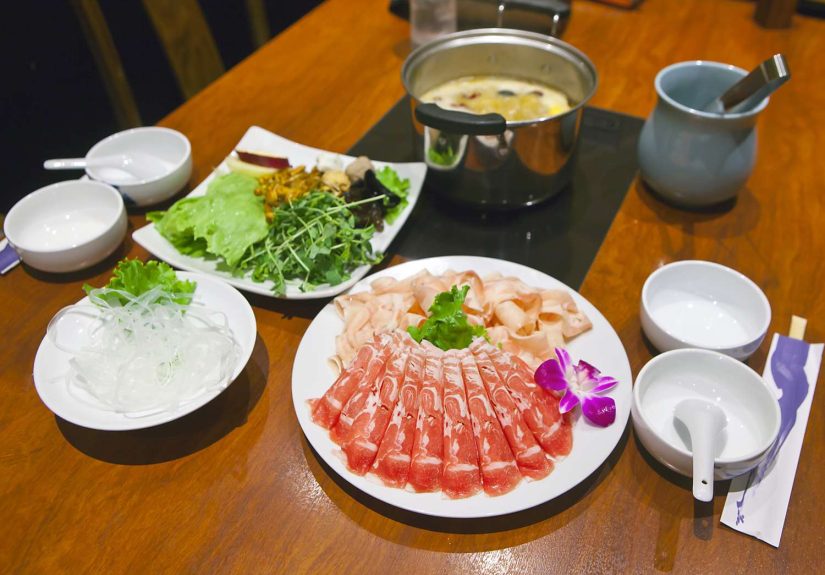
Some dinners are meals. This one is an event. Traditional Mongolian hot pot with lamb is the kind of food that turns a table into a tiny cooking show, except everyone gets to eat the props. A gently simmering pot of fragrant broth sits in the middle, thin slices of lamb wait their turn like eager little flavor blankets, and bowls of greens, tofu, mushrooms, and noodles line the table like edible confetti. It is warm, interactive, and gloriously impossible to rush.
In many English-language recipe traditions, Mongolian hot pot is described as a northern Chinese or Mongolian-style lamb-centered hot pot built on a relatively simple broth and paired with bold dipping sauces. That balance is the magic trick. The broth stays clean and savory, while the sauce brings the personality: nutty sesame, salty soy, bright vinegar, a little heat, maybe a little garlic if you like your dinner to make a statement.
This version keeps the spirit of the classic approach while making it practical for an American home kitchen. You do not need a restaurant setup, a dramatic soundtrack, or a yak in the backyard. You just need a pot, a burner, thinly sliced lamb, a few smart vegetables, and a willingness to hover over bubbling broth like it owes you money.
What Makes This Hot Pot Special?
Unlike heavier soups or stews, traditional Mongolian hot pot is all about fresh ingredients cooked right at the table. The broth is intentionally light so it supports the lamb instead of bulldozing over it. Thin slices of lamb cook in seconds, which means the meat stays tender instead of turning into chewable regret. Tofu absorbs flavor, leafy greens soften into the broth, and bean-thread noodles finish the meal by soaking up every drop of the good stuff.
The result is a dinner that feels both rustic and elegant. Rustic, because you are essentially simmering broth and cooking ingredients one dip at a time. Elegant, because the textures are layered, the flavors are balanced, and the whole experience feels strangely fancy for something that mostly involves swishing meat through hot liquid.
Why Lamb Is the Star
Lamb belongs here. It has the rich, slightly sweet, unmistakably savory flavor that makes a simple broth taste deeper with every round of cooking. For hot pot, the best cuts are boneless leg or shoulder sliced very thin. If you can buy lamb already sliced for hot pot or shabu-shabu, congratulations, you have skipped the most annoying part of the recipe. If not, place the lamb in the freezer for 30 to 45 minutes first. That firms it up just enough to make thin slicing less like butchery and more like a solid life choice.
Do not cut thick chunks. This is not stew. The beauty of hot pot is speed. Thin slices cook quickly, stay tender, and gather flavor from both the broth and the dipping sauce. A fatty edge is welcome too. In hot pot, fat is not a problem. Fat is an employee of the month.
Traditional Mongolian Hot Pot With Lamb Recipe
Serves
4 to 6 people
For the Broth
- 8 cups lamb stock or good-quality chicken stock
- 1 tablespoon dark soy sauce
- 1 tablespoon light soy sauce
- 1 large piece fresh ginger, sliced
- 4 scallions, cut into large lengths
- 3 garlic cloves, lightly smashed
- 1 teaspoon kosher salt, plus more to taste
- 1/2 teaspoon white pepper
For the Lamb and Table Ingredients
- 2 to 2 1/2 pounds boneless lamb leg or shoulder, sliced paper-thin
- 12 ounces firm tofu, cut into rectangles
- 1 small napa cabbage, chopped
- 4 baby bok choy, halved
- 8 ounces shiitake or enoki mushrooms
- 6 ounces bean-thread vermicelli or glass noodles
- 1 bunch spinach or chrysanthemum greens
- 1 small platter sliced daikon or potato, optional
- Cooked white rice, optional for serving
For the Sesame Dipping Sauce
- 4 tablespoons Chinese sesame paste or smooth tahini
- 2 tablespoons soy sauce
- 1 tablespoon rice vinegar
- 1 tablespoon sesame oil
- 1 to 2 teaspoons sugar
- 1 tablespoon chili oil, or to taste
- 1 tablespoon warm water, plus more as needed
- 2 tablespoons finely chopped scallions
- 1 teaspoon finely grated garlic
- 1 teaspoon finely grated ginger
- Optional: chopped cilantro, hoisin sauce, or fermented bean curd for extra depth
How to Make It
1. Prepare the lamb
Trim away only any large, hard pieces of fat, then slice the lamb across the grain as thinly as possible. Arrange it in overlapping rows on a platter. Try to keep the slices separate enough that guests can grab one without accidentally starting a lamb avalanche.
2. Build the broth
In a large pot, combine the stock, dark soy sauce, light soy sauce, ginger, scallions, garlic, salt, and white pepper. Bring it to a gentle boil, then lower to a simmer for about 15 minutes. Taste it. You want the broth to be savory and aromatic, but not overly salty, because it will continue to develop as ingredients cook. Transfer the broth to your tabletop hot pot or fondue-style pot and keep it at a steady simmer.
3. Soak the noodles
Place the bean-thread noodles in hot water for 15 to 20 minutes, or according to package directions, until pliable. Drain and set aside. These noodles are late-game heroes. They do not need applause, but they deserve it.
4. Mix the dipping sauce
In a bowl, whisk together the sesame paste, soy sauce, rice vinegar, sesame oil, sugar, chili oil, and warm water until smooth. Stir in the scallions, garlic, and ginger. Adjust the texture with a little more warm water if needed; it should be creamy but spoonable, not cement. Divide into small bowls for each guest.
5. Arrange the table
Place the lamb, tofu, cabbage, bok choy, mushrooms, spinach, optional root vegetables, and soaked noodles on separate platters around the pot. Give everyone chopsticks, a small bowl, and some kind of strainer ladle or hot pot basket if you have one. If not, long chopsticks and patience work just fine.
6. Cook and eat
Start with mushrooms and any firm vegetables so they can season the broth. Swish lamb slices in the simmering liquid for just a few seconds until they change color and are cooked to your liking. Dip them into the sesame sauce and eat immediately. Add tofu, leafy greens, and cabbage as the meal goes on. Cook the noodles near the end, when the broth is deeply flavored and impossible to resist.
Best Ingredient Pairings for Flavor and Texture
The classic combination works because each ingredient does a different job. Lamb brings richness. Tofu acts like a sponge with excellent manners. Napa cabbage turns sweet and silky. Bok choy adds freshness and a little crunch if you do not overcook it into green confetti. Mushrooms add umami and make the broth more interesting with every passing minute. Bean-thread noodles are the final mop, soaking up the broth like they were born for the assignment.
If you want to expand the spread without straying too far from the spirit of the dish, add frozen tofu, fried bean curd rolls, or thin slices of daikon. Potato is also surprisingly good in hot pot because it catches broth beautifully without getting bossy. Just slice it thin so it cooks fast.
Tips for Making It Taste More Traditional
Keep the broth simple
Do not overbuild the broth with too many spices. This is not the moment for cinnamon, curry powder, smoked paprika, or whatever jar in your cabinet is trying to be relevant. Ginger, scallions, stock, and soy are enough to create a clean base that lets the lamb stay in charge.
Use a sesame-forward sauce
Mongolian-style hot pot is often more about the dipping sauce than an aggressively seasoned broth. A rich sesame base with soy, vinegar, and chili gives each bite body, salt, brightness, and heat. It also makes tofu feel less like a healthy decision and more like a reward.
Don’t boil the life out of the lamb
A furious rolling boil is great if your goal is kitchen drama. It is less great if your goal is tender meat. Keep the broth at a simmer. Lamb slices cook fast, and overcooking will make them tough enough to require emotional support.
Let the broth evolve
Hot pot broth gets better as dinner goes on. Meat juices, mushrooms, greens, and tofu all leave something behind. By the end, the broth is richer, sweeter, and more complex than when you started. That is why the noodles go in last. They catch the grand finale.
Common Mistakes to Avoid
The first mistake is slicing the lamb too thick. Thick lamb turns hot pot into a waiting game, and nobody wants to stare at their dinner like it is buffering. The second mistake is oversalting the broth at the beginning. Because ingredients continue to season the liquid, it is smarter to start a little lighter and adjust later.
The third mistake is crowding the pot. Yes, it is tempting to dump in everything at once and declare victory. Resist. Cook in small batches so ingredients stay distinct, the broth temperature stays stable, and your mushrooms do not end up fused to a noodle brick at the bottom of the pot.
Another common issue is neglecting the sauce. A weak dipping sauce makes the whole meal feel flatter than it should. Taste and adjust. Need more nutty richness? Add sesame paste. Need more brightness? Add vinegar. Need more drama? Chili oil is standing by.
What to Serve With Mongolian Hot Pot
Honestly, this dish barely needs side dishes because the table already looks like a feast. But plain steamed rice is a smart addition, especially for guests who enjoy a little breathing room between intensely flavored bites. Crisp cucumbers with rice vinegar, quick-pickled radishes, or a cold smashed cucumber salad also work well because they refresh the palate without competing with the hot pot.
For drinks, unsweetened tea is excellent. Light beer works too. Anything icy and crisp is welcome because hot pot has a way of turning dinner into a pleasantly steamy affair.
Conclusion
Traditional Mongolian hot pot with lamb is more than a recipe. It is a format for a meal that encourages slowing down, cooking in the moment, and eating in rounds instead of racing to the finish line. The broth starts simple, the lamb cooks fast, the sauce does heavy lifting, and the whole table participates. It is interactive without being fussy and impressive without requiring restaurant-level equipment.
If you love meals that feel generous, cozy, and just theatrical enough to make a Tuesday feel like a special occasion, this is your dish. Set out the platters, keep the broth humming, and let everyone swish their own lamb. That is dinner and entertainment in one pot, which is frankly the kind of efficiency we should all respect.
A Longer Look at the Experience of Making and Eating Traditional Mongolian Hot Pot With Lamb
The best thing about this meal is that it does not begin when the broth boils. It starts earlier, when the kitchen gets quiet and focused and you begin arranging ingredients into neat little piles that make you feel suspiciously competent. The lamb goes onto a platter in soft pink ribbons. The bok choy looks crisp and cheerful. The noodles sit off to the side like they know their big moment is coming later. Even before anyone sits down, there is a sense that dinner is not just being made. It is being staged.
Once the pot reaches the table, everything changes. People stop checking their phones. They start leaning in. Someone always asks, “How long does the lamb take?” and the answer is always delightfully short. A few swishes, a quick dip in sauce, and suddenly everyone understands the point of the whole meal. The broth is hot, the sesame sauce is rich, and the lamb is tender in a way that feels almost unfair for something cooked so quickly.
There is also something wonderfully democratic about hot pot. Everyone gets to decide what happens in their own bowl. One person piles in mushrooms and tofu like they are building a tiny edible forest. Another goes straight for the lamb and acts like vegetables are a rumor. Someone gets very serious about sauce ratios, adding more vinegar, more chili oil, more sesame paste, as if conducting important scientific research. They are, in a way.
The aroma of the broth changes through the meal. At first it smells clean and gingery. Then the lamb deepens it. The mushrooms add earthiness. The cabbage softens and sweetens. By the time the noodles go in, the broth has become the kind of thing people hover over with complete sincerity, saying things like, “Wow, this is really good,” as if they are surprised that broth, lamb, and vegetables could somehow outperform half the restaurants in town.
It is also the rare dinner that naturally slows people down. Nobody can shovel hot pot at top speed. The meal forces a rhythm: cook, dip, eat, talk, repeat. It creates pauses in all the right places. Stories get longer. Laughter shows up more easily. The table feels warmer, not just because there is a pot of simmering broth in the middle of it, but because everyone is participating in the same small, delicious task.
And then there is the ending, which may be the best part. The noodles slide into the broth after it has collected all the flavor of the evening. They soak up the lambiness, the sweetness from the greens, the savoriness from the mushrooms, and all that slow-building richness. The final bowls taste like the entire meal condensed into one last, deeply satisfying bite. It is a strong closing argument.
That is why traditional Mongolian hot pot with lamb sticks with people. It is not flashy in the usual way. There is no towering garnish, no complicated plating, no need for tweezers or a culinary degree. But it delivers something better: warmth, interaction, and a meal that feels alive while you are eating it. It turns dinner into a shared process instead of a finished product, and somehow that makes every bite taste a little better.