Table of Contents >> Show >> Hide
- What Are Turkish Hand-Loomed Towels?
- Why These Towels Stand Out
- The Hand-Loomed Difference
- Best Uses for Turkish Hand-Loomed Towels
- How to Choose the Right One
- How to Care for Turkish Hand-Loomed Towels
- Are They Better Than Traditional Terry Towels?
- Why They Keep Showing Up in Stylish Homes
- Experiences With Turkish Hand-Loomed Towels
- Conclusion
If your towel drawer is full of fluffy giants that feel luxurious for approximately twelve minutes before turning into damp furniture, it may be time to meet a more graceful overachiever: the Turkish hand-loomed towel. These towels have been winning over bath lovers, beach regulars, minimalists, travelers, and anyone tired of wrestling bulky terry cloth into an overstuffed linen closet. They are elegant without trying too hard, practical without looking boring, and somehow manage to feel both old-world and modern at the same time.
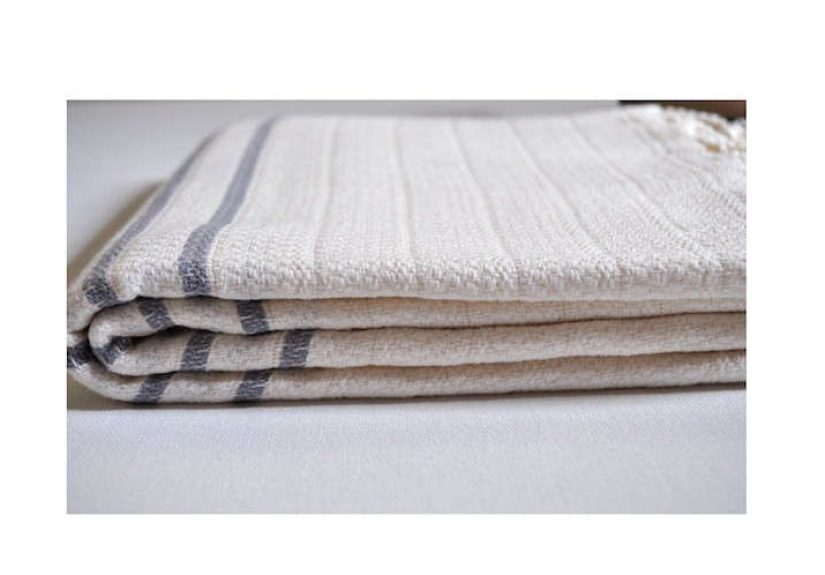
At first glance, a Turkish hand-loomed towel can seem almost too pretty to be useful. It is often flat-woven, striped, trimmed with hand-tied fringe, and light enough to fold into a compact rectangle that does not require its own zip code. But looks are only part of the story. The real appeal lies in the combination of breathable weave, quick-drying performance, softness that improves with use, and versatility that makes one towel do the work of three.
In other words, this is not just a towel. It is a bath towel, beach towel, travel wrap, picnic layer, poolside companion, hair towel, scarf-in-a-pinch, and a subtle signal that you have your life together even if your socks still do not match.
What Are Turkish Hand-Loomed Towels?
Turkish hand-loomed towels are traditionally inspired woven towels, often associated with peshtemal-style bath textiles used in Turkish bath culture. Unlike thick looped terry towels, many of these towels are flat-woven or combine a smooth woven face with a more absorbent backing. When they are genuinely hand-loomed, they are produced on traditional looms by skilled weavers rather than pushed out at high speed by industrial machines.
The phrase “Turkish towel” can mean two related things in the American market. Sometimes it refers to a towel made from Turkish cotton, especially long-staple cotton valued for softness and durability. Other times it refers to the classic flat-woven towel style itself, known for being lightweight, fast-drying, and easy to pack. A hand-loomed Turkish towel sits at the sweet spot where premium fiber and traditional technique meet.
That meeting matters. Hand-looming tends to create a denser, more character-rich textile with subtle variation, better drape, and a crafted feel that machine-made versions often imitate but rarely duplicate. A hand-loomed towel does not scream for attention. It quietly says, “Yes, I was made by an actual person, thank you very much.”
Why These Towels Stand Out
1. They Dry Fast
One of the biggest reasons people switch to Turkish hand-loomed towels is drying time. Traditional plush towels can stay damp for hours, especially in humid bathrooms. Turkish towels are usually lighter and flatter, which allows moisture to evaporate more quickly. That makes them ideal for everyday bathrooms, guest spaces, beach bags, gym totes, and travel.
Fast drying is not just a convenience feature. It also means less of that stale, damp-towel smell nobody wants to discuss at brunch. A towel that dries efficiently feels fresher between washes and is easier to live with in apartments, shared bathrooms, and houses where hooks are apparently decorative rather than functional.
2. They Become Softer Over Time
High-quality Turkish cotton is often praised for getting softer with washing, and that is part of the long-term charm. A good hand-loomed towel does not peak on day one. It breaks in. The fibers relax, the weave settles, and the towel starts to feel like something you reach for automatically.
This is one reason first impressions can be misleading. Some people expect plush hotel-towel puffiness right out of the package. Turkish hand-loomed towels play a different game. They are more about drape, texture, absorbency, and ease than about bulk. Think less “marshmallow in robe form,” more “European spa with better lighting.”
3. They Are Surprisingly Absorbent
Because these towels are thinner, many shoppers assume they will not absorb well. That assumption usually disappears after a few washes and normal use. A quality Turkish towel can be very effective at drying skin, hair, or hands while avoiding the heavy, waterlogged feeling of thick terry. Some styles are woven tightly for durability, while others mix flat weave and terry to deliver both quick-dry performance and a more familiar absorbent hand feel.
The key is not thickness alone. Fiber quality, weave structure, and finishing all matter. That is why a thoughtfully made hand-loomed towel can outperform a cheaper bulky towel that looks impressive in a stack but behaves like a damp woolly mammoth in real life.
4. They Travel Beautifully
If you have ever tried packing a standard bath towel into a suitcase, you know it behaves like you are smuggling upholstery. Turkish hand-loomed towels fold flat, weigh less, and take up remarkably little space. That makes them excellent for road trips, beach vacations, camping, boating, yoga, and carry-on luggage.
They also multitask well on the road. The same towel can work as a wrap on a chilly plane, a beach blanket, a bath towel in a rental, or a casual layer over a chair. Few textiles earn their keep so efficiently.
The Hand-Loomed Difference
There is a real difference between a towel that is hand-loomed and one that is merely styled to look artisanal. Hand-loomed towels often show the tiny irregularities that make handmade goods appealing: a fringe with character, a weave with life, a texture that feels thoughtful rather than stamped out. Those details are not flaws. They are the signature of craftsmanship.
More importantly, hand-looming supports techniques that are increasingly rare in a market flooded with mass production. Traditional looms require skill, patience, and time. The result is a towel with more personality and often better longevity. When you buy one, you are not just purchasing a household basic. You are helping keep a textile tradition alive in a world that loves to replace things before they have had a fair chance to become favorites.
That is part of the emotional value here. A hand-loomed Turkish towel feels intentional. It does not act like disposable home décor. It acts like the beginning of a long relationship.
Best Uses for Turkish Hand-Loomed Towels
Bathroom Essential
For daily bathing, these towels are especially appealing to people who want something lighter, less bulky, and more stylish than standard bath towels. They hang neatly, dry faster, and look beautiful in open shelving, on hooks, or rolled in a basket. If your bathroom aesthetic goal is “clean, calm, and not full of giant lint factories,” this towel understands the assignment.
Beach and Pool Favorite
Turkish towels are popular at the beach because they are easier to shake out, easier to carry, and easier to wrap. Many people prefer them over thick terry for hot weather because they feel breathable instead of swampy. They can also function as a light blanket or lounger cover, which is handy when you want your beach bag to contain snacks instead of textile bricks.
Travel Companion
Because they pack small and dry quickly, Turkish hand-loomed towels are a smart choice for weekend trips and long vacations. They are also useful for camper vans, cabins, college dorms, and gym lockers where space is limited and damp laundry is a universal enemy.
Home Décor Accent
One underrated advantage is how good these towels look when they are not being used. A striped hand-loomed towel draped over a ladder, basket, or bench adds texture and a relaxed Mediterranean feel to a room. Some people even use them as table accents, lightweight throws, or guest-room layers. Few home essentials have this much decorative range without becoming annoying.
How to Choose the Right One
Look at the Fiber
Start with material. Cotton is the classic choice, especially long-staple or Turkish cotton. Some towels incorporate linen or bamboo for added texture or different performance. If you want softness with everyday practicality, cotton remains the easiest and most versatile bet.
Check the Weave
Flat-weave towels are the traditional lightweight option. They are excellent for travel, humid climates, and beach use. Terry-backed or hybrid weaves may feel more familiar for bath use while still drying faster than many standard towels. Hand-loomed texture is a bonus if you want craftsmanship and visual depth.
Pay Attention to Size
Some Turkish towels are oversized and ideal for the beach or wrapping after a shower. Others are slimmer and better as hand towels, hair towels, or decorative guest towels. Always check dimensions instead of trusting your eyes. Online photos can turn a hand towel into what appears to be a blanket for a stylish raccoon.
Notice the Finish
Fringe, yarn-dyed stripes, soft neutrals, and classic woven patterns are part of the appeal. A good hand-loomed towel should feel timeless rather than trendy in a way that will embarrass you next season. If it looks good in a modern coastal bathroom and also in a simple city apartment, you are probably on the right track.
How to Care for Turkish Hand-Loomed Towels
Caring for these towels is usually straightforward. Wash them before first use, ideally with mild detergent and without fabric softener, which can coat fibers and reduce absorbency. Some makers recommend an initial soak or gentle first wash to help the fibers relax and bloom.
Use cool or warm water, wash with similar colors, and avoid overloading the machine. Tumble dry on low or line dry when possible. High heat is not your friend here. Neither is bleach unless the manufacturer clearly says otherwise.
Fabric softener is the biggest fake friend in the towel world. It promises softness, then quietly reduces performance. Turkish hand-loomed towels do best when you let the cotton do the work on its own.
Are They Better Than Traditional Terry Towels?
Better is not the right word for everyone. Different towels suit different habits. If you love ultra-thick, ultra-plush, spa-hotel density and do not mind long drying times, traditional terry may still be your favorite. But if you value faster drying, lighter weight, smaller storage footprint, and a more refined look, Turkish hand-loomed towels often win.
For many households, the smartest approach is not choosing one over the other forever. It is mixing both. Keep a few thick towels for when you want maximum plushness, and use hand-loomed Turkish towels for daily rotation, guests, travel, and warm-weather use. Life is complicated enough without forcing every towel to have the same personality.
Why They Keep Showing Up in Stylish Homes
There is a reason Turkish hand-loomed towels keep appearing in beautifully photographed bathrooms and thoughtfully packed beach bags. They solve practical problems while looking effortlessly polished. They suit minimalist homes, coastal interiors, modern organic décor, and even classic spaces that need a little texture.
More than that, they reflect a broader shift in how people shop for home goods. Buyers increasingly want items that are versatile, durable, attractive, and rooted in real craftsmanship. A hand-loomed Turkish towel checks every one of those boxes without feeling precious or difficult. It works hard. It looks good. It ages well. That is a pretty compelling résumé for something that spends most of its life near a shower.
Experiences With Turkish Hand-Loomed Towels
The best way to understand Turkish hand-loomed towels is through lived experience, because this is one of those products that makes more sense after a week of use than after five minutes of reading a label. Imagine replacing your usual bath towel with a hand-loomed one for the first time. You pull it off the hook after a shower and immediately notice that it feels lighter in your hands. At first, that can be surprising. You almost expect less from it because it is not thick and fluffy. Then you dry off and realize it works quickly, wraps easily, and does not become a soggy burden halfway through the process.
Then there is the next part of the experience: you hang it back up, walk away, and later notice it is already dry. That moment changes people. Suddenly the towel is not just another bathroom item. It is a tiny daily win. No damp clumps. No heavy, slow-drying fold thrown over a chair because the hook “wasn’t doing enough.” Just a clean, breathable textile ready for its next shift.
At the beach, the experience shifts again. A Turkish hand-loomed towel feels less like equipment and more like a companion. It is easy to sling over a shoulder, easy to spread out, and easy to shake clean. Sand tends to let go more willingly than it does with thick terry, and the towel can move from lounger cover to wrap to picnic layer without protest. When the sun dips a little and the breeze starts acting dramatic, the towel suddenly becomes a shawl. That kind of flexibility is hard to appreciate until you have used one outside the bathroom.
Travelers often describe another kind of satisfaction: efficiency. In a hotel, rental, or gym, a Turkish hand-loomed towel takes up less room, dries overnight, and slips into a bag without demanding its own packing strategy. It feels like the towel equivalent of a person who travels with one carry-on and somehow still looks polished at dinner.
There is also the visual experience, which matters more than people admit. A striped, hand-loomed towel hanging in a bathroom adds texture and warmth in a way a generic towel rarely does. It makes a room feel considered. Guests notice. You notice. Even laundry day feels slightly more sophisticated, which is not a sentence one gets to write often.
Over time, the relationship gets better. The towel softens, the fibers settle, and it starts to feel familiar in the best way. It becomes the one you reach for first. The one you pack automatically. The one guests ask about. The one that proves a home essential does not have to be boring to be useful. And that, more than any product description, is the real experience of owning a Turkish hand-loomed towel: it quietly improves your routine until you wonder why all towels were not designed with this much common sense and charm.
Conclusion
Turkish hand-loomed towels earn their reputation because they combine beauty, utility, and craftsmanship in a way that feels genuinely useful in daily life. They dry fast, pack small, soften with time, and move easily from bath to beach to travel. More importantly, they bring a sense of intention to an item most people usually treat as an afterthought.
If you want a towel that feels lighter, looks better, and works harder, this is an upgrade worth making. Not every towel needs to be a hand-loomed Turkish one, but once you own a good one, the odds are high it becomes the towel you keep choosing. Your linen closet may never recover from the favoritism, but that is between you and your other towels.
Note: This HTML body is ready for web publishing and contains no placeholder citation artifacts or unnecessary reference markup.