Table of Contents >> Show >> Hide
- Jason Lemkin, SaaStr, and the Power of Event-Driven Growth
- Why Event Marketing Matters More Than Ever
- The Future of Events: Hybrid, Human, and Hugely Strategic
- Lessons from SaaStr’s Approach to Event Marketing
- Practical Playbook: How to Use Event Marketing in Your SaaS GTM
- Experiences and Insights Inspired by Uncharted #134 & SaaStr Events
- What seasoned SaaS teams are learning from event-centric strategies
- Scenario 1: The Series B company that “rediscovered” field marketing
- Scenario 2: The founder who turned a meetup into a movement
- Scenario 3: Hybrid events as a long-term engagement engine
- Lessons learned from the “bad events” too
- The human side: serendipity you can’t automate
- Conclusion
If you’ve ever stood in a noisy expo hall wondering whether the tiny logo on your badge was really
worth the flight, hotel, and 37th coffee of the day, you’re not alone. Event marketing can feel
expensive, exhausting, and a little chaotic. And yet, founders and marketers keep showing up.
Why? Because when it’s done right, events quietly become the engine behind brand awareness,
pipeline, and long-term customer loyalty. That’s exactly the message behind
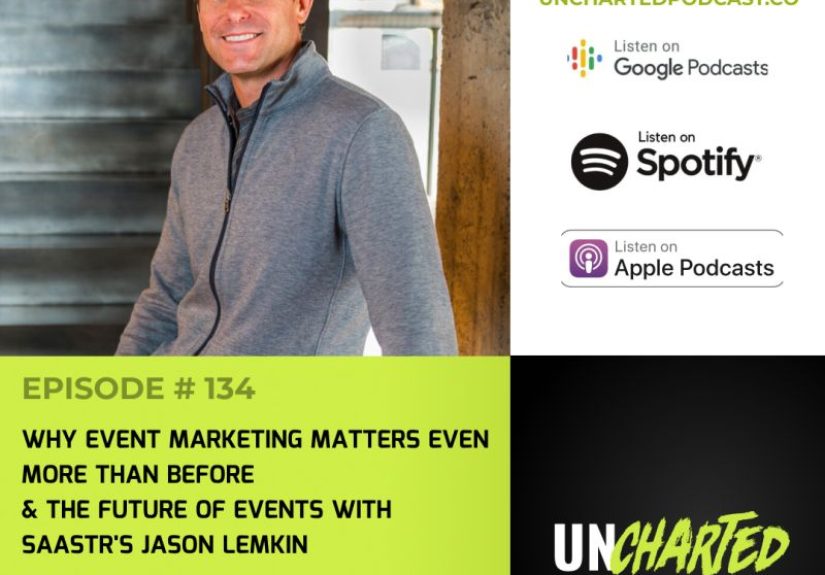
Uncharted #134: Why Event Marketing Matters Even More Than Before & The Future Of Events,
featuring SaaStr’s Jason Lemkin.
In this episode and in SaaStr’s broader playbook, events aren’t treated as “nice-to-have”
experiments. They’re treated as a core go-to-market channel. SaaStr’s own growth has been
powered by in-person conferences, meetups, digital summits, and a year-round community approach.
For B2B SaaS companies in particular, event marketing isn’t just alive and well – it’s evolving,
getting smarter, and becoming even more valuable in a noisy digital world.
Jason Lemkin, SaaStr, and the Power of Event-Driven Growth
From blog to the world’s largest SaaS founder community
SaaStr started as a blog and Q&A-style content hub for SaaS founders. Over time, it grew into
one of the largest communities of SaaS founders, executives, and investors. Events like
SaaStr Annual and SaaStr Europa didn’t appear as a side project; they became the main
stage for the brand. Today, SaaStr’s identity is deeply tied to its conferences – multi-day,
content-heavy, networking-first experiences that bring together tens of thousands of people
across the SaaS ecosystem.
In Uncharted #134, Jason Lemkin doubles down on this reality: for SaaS companies, especially in
B2B, events are often the most efficient way to:
- Meet high-intent prospects in a concentrated time frame
- Build trust faster than a year’s worth of emails and ads
- Deepen relationships with existing customers and partners
- Anchor your brand in a real community, not just a content feed
Events as a product, not a campaign
One of the big mental shifts Jason often talks about is treating your flagship event like a
product, not like a one-off marketing campaign. That means:
- Having a clear value proposition for attendees (who is this for, and why should they care?)
- Iterating every year based on attendee feedback and performance
- Investing in brand, content, and experience design – not just booths and swag
- Building a roadmap: side events, digital spin-offs, regional meetups, and community programs
When you think like a product owner, you stop asking, “Was this conference good PR?” and start
asking, “How does this event deepen our flywheel of community → trust → revenue → loyalty?”
Why Event Marketing Matters More Than Ever
The digital noise problem (and why events cut through it)
Buyers are drowning in content: automated outreach, generic LinkedIn posts, endless webinars,
and ads that follow them across the internet. In that environment, event marketing stands out
because it offers something rare: focus and presence.
At a well-run SaaS event, your ideal customers are not half-watching a webinar while answering
Slack messages. They’ve flown in, blocked off time, and committed to being there. That alone
makes event marketing remarkably powerful. You’re no longer fighting for a tiny slice of their
attention; you get hours or even days of it.
Events drive revenue, not just “awareness”
A lingering myth in marketing is that events are just about brand visibility. In reality, modern
B2B event marketing is deeply tied to pipeline and revenue. High-intent conversations happen
on the show floor, in hallway chats, and over coffee. Sponsors close deals. Speakers turn into
advisors. Customers renew or expand because they met more of your team and saw your roadmap live.
For SaaStr and similar communities, sponsors aren’t there for logo placement. They’re there
because they can walk away from an event with:
- Warm opportunities that already understand their category
- Qualified leads from companies that match their ICP
- Partners and resellers that help them scale faster
That’s why many B2B brands continue to allocate significant budget toward events even as digital
performance channels get more competitive and more expensive.
Community: the secret multiplier behind event marketing
Another reason event marketing matters more than ever is the rise of community-led growth.
People don’t just want tools; they want networks. They want to be around others who solve
similar problems and face similar challenges. Events bring that to life in a way no email
nurture can.
SaaStr is a great case study here. The conference is not just a place to hear talks – it’s a
place where:
- Early-stage founders meet future investors
- Ops leaders trade unfiltered stories about growth pains
- Product, sales, and marketing teams compare playbooks
Those connections outlive the conference. They turn into Slack groups, follow-up calls, joint
projects, and even whole new companies. When your event creates that kind of ecosystem,
marketing ROI stops being a single number in a spreadsheet and becomes an ongoing advantage.
The Future of Events: Hybrid, Human, and Hugely Strategic
Hybrid isn’t a fad – it’s infrastructure
The pandemic forced events to go fully virtual. Then came the rebound: in-person conferences
came back strong, and “Zoom fatigue” became a meme. Today, we’re in the next phase:
hybrid events as infrastructure, not a quick patch.
What does that mean in practice?
- Large in-person conferences with digital passes and on-demand replays
- Smaller, local meetups feeding into a bigger flagship event
- Always-on digital communities that keep the conversation going between conferences
For SaaS brands, this is a huge opportunity. Instead of treating events as “once-a-year spikes,”
you can build an event ecosystem that keeps your brand at the center of the market you serve.
AI, data, and the smarter event stack
The future of event marketing is also deeply tied to better data and smarter technology.
Instead of guessing who got value from your event, you can actually see:
- Which sessions your ICP attended (and for how long)
- Which booths they visited or scanned
- Which roundtables or workshops triggered the most follow-up interest
With AI layered on top of event platforms, you can personalize agendas, recommend sessions,
cluster attendees by interests, and help sponsors prioritize conversations. That’s where event
marketing stops being “expensive brand spend” and starts looking like precision field marketing.
Smaller, sharper, and more curated
Big tentpole events like SaaStr Annual aren’t going away, but the future is also full of
micro-events: invite-only dinners, executive roundtables, deep-dive workshops, and city-based
meetups around specific topics (like pricing, AI, or PLG).
These smaller gatherings often drive:
- Higher signal conversations
- More relevant relationships
- Faster paths from conversation to opportunity
Jason’s broader philosophy on events aligns with this: don’t just chase scale – chase
quality of interaction. It’s better to have 50 deeply engaged target accounts at a dinner than
5,000 random badge scans.
Lessons from SaaStr’s Approach to Event Marketing
1. Anchor your brand in a flagship event
SaaStr Annual isn’t just another conference; it’s the brand’s beating heart. For your company,
you might not start with 10,000+ attendees, but you can still define a flagship event:
- A yearly summit for your niche
- An annual customer conference
- A founder-only or practitioner-only gathering
The key is consistency. When people know, “Every fall, this is the event where our people show
up,” your event gradually becomes part of how the industry organizes itself.
2. Build around your ICP, not your ego
A common mistake in event marketing is designing experiences around what you like – not what
your ideal customers actually need. SaaStr is laser-focused on SaaS founders and operators, so
the programming is tailored to their pains: ARR growth, fundraising, sales efficiency, renewals,
product-market fit, and so on.
For your own events, ask:
- Who is this really for? (Be specific: “Series A B2B GTM leaders,” not just “marketers.”)
- What problems do they wake up thinking about?
- What conversations would make them say, “That event was absolutely worth it”?
Build your agenda, speakers, and networking structure around those answers – not around who has
the biggest social following or who you’d personally like to meet.
3. Make events part of a broader content and community flywheel
One of SaaStr’s superpowers is that its events are not isolated. Talks become videos, blog
posts, and podcasts. Speaker relationships turn into repeat sessions, AMAs, and advisory roles.
Sponsors and attendees feed into newsletters and follow-up digital programs.
You can copy this pattern:
- Turn keynote talks into article series or video clips
- Use session topics to inspire webinar tracks or podcast episodes
- Invite your best attendees into customer councils or beta programs
When your event marketing plugs into your content strategy and customer programs, it’s no longer
“just an expense.” It’s a multiplier.
4. Measure what actually matters
Event ROI is famously tricky, but it’s far from impossible. Instead of obsessing over a single
“ROI number,” track:
- Deals influenced or sourced by event touches
- Expansion or renewal uplifts from customers who attended
- Partner and ecosystem wins (co-marketing, integrations, alliances)
- Community growth: signups to newsletters, private groups, or product communities
Jason’s view aligns with many experienced B2B leaders: if you treat events as a strategic GTM
motion, you’ll see results across your funnel – not just at the booth.
Practical Playbook: How to Use Event Marketing in Your SaaS GTM
Step 1: Decide your role – host, sponsor, or participant
Not every company needs to host a giant conference. You can mix and match:
- Host smaller, tightly focused events you can control end-to-end
- Sponsor major industry conferences where your ICP already gathers
- Participate as speakers, panelists, or community leaders at third-party events
Early-stage startups often get more leverage by sponsoring niche events or speaking at
established ones rather than trying to run everything themselves immediately.
Step 2: Clarify goals and metrics before you book anything
Before you sign a contract for a booth, answer:
- Is the goal pipeline, expansion, hiring, positioning, or all of the above?
- Who from your team needs to go (sales, founders, product, CS)?
- What does a “win” look like from this event?
For example, you might set goals such as:
- 30 qualified conversations with target accounts
- 5 live demos with high-value prospects
- 3 strategic partnerships initiated
Suddenly, event marketing is less about “We showed up and handed out stickers” and more about
achieving clear, trackable outcomes.
Step 3: Design for connection, not just content
Great content brings people in; great connection keeps them there. Borrow from the SaaStr-style
playbook:
- Host curated roundtables based on role or stage (e.g., “$10M–$30M ARR founders”)
- Plan office hours with your CSMs or product team
- Offer “Ask Me Anything” corners for speakers or experts
The more chances people have to actually talk to each other, the more memorable – and valuable –
your event becomes.
Step 4: Follow up like it’s part of the event (because it is)
The event isn’t over when the badges go in the trash. Smart teams treat follow-up as
Phase 2 of the event, not an afterthought:
- Send tailored recaps and resources based on sessions people attended
- Turn key conversations into follow-up meetings while the energy is still high
- Invite attendees into your ongoing community or content programs
If you ghost your own events, your attendees will ghost your brand.
Experiences and Insights Inspired by Uncharted #134 & SaaStr Events
What seasoned SaaS teams are learning from event-centric strategies
To bring all of this down to earth, let’s walk through some experience-based scenarios and
patterns that line up with what Jason Lemkin and other SaaS leaders emphasize about event
marketing and the future of events.
Scenario 1: The Series B company that “rediscovered” field marketing
Picture a Series B SaaS company that rode the early wave of low-cost digital acquisition:
search ads were cheap, LinkedIn CPCs weren’t painful yet, and inbound leads looked amazing on
spreadsheets. Over time, though, performance channels got more crowded, quality dropped, and
CAC quietly crept up.
When the team doubled down on event marketing – sponsoring SaaStr-style conferences, hosting
small executive dinners, and speaking on niche stages – they started to notice a pattern:
- Leads from events moved faster through the pipeline
- Win rates were higher because trust was established in person
- Cross-sell and upsell conversations flowed more naturally
In internal debriefs, their VP of Marketing summed it up: “One good event conversation is worth
50 cold outbound touches.” That’s not hyperbole; it’s the compounding benefit of context and
connection that Jason talks about so often.
Scenario 2: The founder who turned a meetup into a movement
Another real-world pattern mirrors SaaStr’s own origin story. A solo founder in the devtools
space started with informal meetups – 20–30 engineers at a coworking space, a bit of pizza, and
a short talk about deployment pain points.
Over a couple of years, those meetups:
- Scaled into a regional conference with a few hundred attendees
- Attracted sponsors from infrastructure and tooling companies
- Became a trusted place where engineering leaders shared candid stories
The founder’s product was never the “star of the show,” but it was quietly present – at booths,
in talks, and in hallway conversations. That community trust turned into expansion across
teams, word-of-mouth adoption, and even early advisory customers. It’s a smaller-scale echo of
what SaaStr has done for the SaaS ecosystem.
Scenario 3: Hybrid events as a long-term engagement engine
Many brands are now learning that the most successful events are not simply “in-person vs.
virtual,” but a blend of both over time. Imagine a company that:
- Runs a flagship in-person summit once a year
- Hosts quarterly virtual “mini-events” focused on specific playbooks
- Maintains an always-on community where recordings, frameworks, and templates live
This structure achieves something powerful: it keeps the energy and intimacy of live events
while making the learning and networking accessible to people who can’t always travel. Sponsors
stay engaged year-round. Attendees don’t feel like they “missed the moment” if they couldn’t
fly to the main conference.
These are exactly the kinds of patterns shaping the future of event marketing – and they echo
Jason Lemkin’s belief that events and community aren’t just campaigns, but platforms.
Lessons learned from the “bad events” too
Of course, not every event is magical. Ask any marketer, and they’ll have horror stories:
- The booth with no foot traffic because it was hidden behind a pillar
- The speaking slot scheduled at 8 a.m. after the big party night
- The event where badge scans looked great – but none of the leads were actually ICP
These experiences reinforce what Jason and other experienced operators preach:
- Location and positioning matter – physically and strategically
- Agenda placement is value; negotiate it like you would budget
- Lead quality beats lead quantity every single time
Teams that learn from these missteps end up being far more selective and intentional about
where they show up and how they design their own events.
The human side: serendipity you can’t automate
Finally, there’s the part of event marketing that’s hardest to quantify but easy to feel:
serendipity. A random chat in a hallway turns into a customer. A shared joke in a line for
coffee becomes a partner relationship. A question asked in a Q&A leads to a follow-up call that
changes your roadmap.
Uncharted #134 and SaaStr’s entire story underline this simple truth: in-person, high-intent
gatherings still do something no algorithm has fully replaced. The future of events will be
more digital, more hybrid, and more data-driven – but the reason we attend in the first place
will always be human.
If you’re building or scaling a SaaS company today, event marketing is no longer something to
tack on at the end of your budget planning. It’s a strategic pillar. Take a page from Jason
Lemkin and SaaStr: treat events as a product, build a community around them, and let that
ecosystem compound for years.
Conclusion
Event marketing matters more than ever because attention is scarce, trust is fragile, and
relationships are everything. Uncharted #134 with Jason Lemkin doesn’t just remind us that
events are “back.” It makes the case that they were never just about lanyards and swag – they
were always about community, credibility, and long-term growth.
Whether you’re running a massive SaaS conference or hosting your first user meetup, you’re
playing in the same arena: helping people connect in ways that move their business – and yours –
forward. The future of events is hybrid, tech-enabled, and strategically integrated into
marketing and revenue motions. But at its core, it’s still what it’s always been: people in a
room (physical or virtual), trying to solve real problems together.
meta_title: Why Event Marketing Matters More Than Ever | SaaStr
meta_description:
Discover why event marketing is more powerful than ever and how SaaStr-style events shape the future of B2B SaaS.
sapo:
Event marketing isn’t just back – it’s becoming the backbone of modern B2B SaaS growth. Inspired by Uncharted #134 with
SaaStr’s Jason Lemkin, this in-depth guide breaks down why events matter more than ever, how SaaStr uses conferences and
community to fuel long-term revenue, and what the future of hybrid, AI-powered, community-driven events really looks like.
From building a flagship SaaS conference to designing smaller curated meetups and tying everything into your GTM strategy,
you’ll learn practical, experience-based lessons and real-world scenarios that show exactly how to turn events into a
durable competitive advantage.
keywords:
event marketing, B2B SaaS events, SaaStr Annual, Jason Lemkin, future of events, hybrid events, field marketing