Table of Contents >> Show >> Hide
- Why This DIY Centerpiece Works So Well
- What You Need for an Upcycled Dollar Store Dish Centerpiece
- How to Make the Pretty Yellow Roses Centerpiece
- Why Yellow Roses Are Such a Great Choice
- Fresh Roses vs. Faux Roses
- Simple Styling Ideas for Different Spaces
- Common Mistakes to Avoid
- Experience: What It’s Really Like to Make an Upcycled Dollar Store Dish to Pretty Yellow Roses Centerpiece
- Final Thoughts
There is something wildly satisfying about turning a humble dollar store dish into a centerpiece that looks like it belongs on a sunny spring table in a boutique home store. It is part craft project, part floral styling trick, and part tiny act of rebellion against overpriced decor. After all, why should a pretty yellow roses centerpiece cost a small fortune when a little creativity, a simple dish, and a few blooms can do the heavy lifting?
This upcycled dollar store dish project is ideal for anyone who loves budget-friendly decorating, easy DIY table decor, and flowers that make a room feel cheerful in about three seconds flat. Yellow roses are the stars here because they bring warmth, freshness, and a happy, inviting energy. They can feel elegant, farmhouse-friendly, vintage, modern, or cottagecore depending on the dish you choose and how you style the finished arrangement.
Even better, this project works with fresh roses, faux roses, or a mix of both. That means you can make it for a brunch table, a spring mantel, a baby shower, a Mother’s Day gathering, a coffee table, or just because your dining room has been looking a little too serious lately. Let us fix that with flowers.
Why This DIY Centerpiece Works So Well
The secret is contrast. A basic dollar store dish usually starts out plain, practical, and forgettable. But when you repurpose it as a floral vessel, it suddenly becomes the supporting actor that lets the roses steal the show. A shallow dish also creates a lower, wider arrangement, which is exactly what makes many centerpieces feel polished instead of awkwardly tower-like and conversation-blocking.
Another reason this idea works is flexibility. You can choose a glass dish, ceramic bowl, compote-style container, or even a platter with a hidden insert. If the dish has a slightly old-fashioned shape, that is even better. Vintage-looking pieces make flowers look intentional. New pieces can be painted, distressed, decoupaged, wrapped with ribbon, or lightly embellished until they look like they have a backstory.
In short, you are not just making a yellow roses centerpiece. You are creating a custom decor piece that feels personal, seasonal, and far more expensive than it actually is. That is the sweet spot for any DIY.
What You Need for an Upcycled Dollar Store Dish Centerpiece
You do not need a craft room that looks like a television set. A kitchen table and a little patience will do just fine.
Basic supplies
- One dollar store dish, bowl, shallow vase, compote, or decorative plate
- Yellow roses, either fresh or faux
- Greenery such as eucalyptus, faux leaves, or soft filler stems
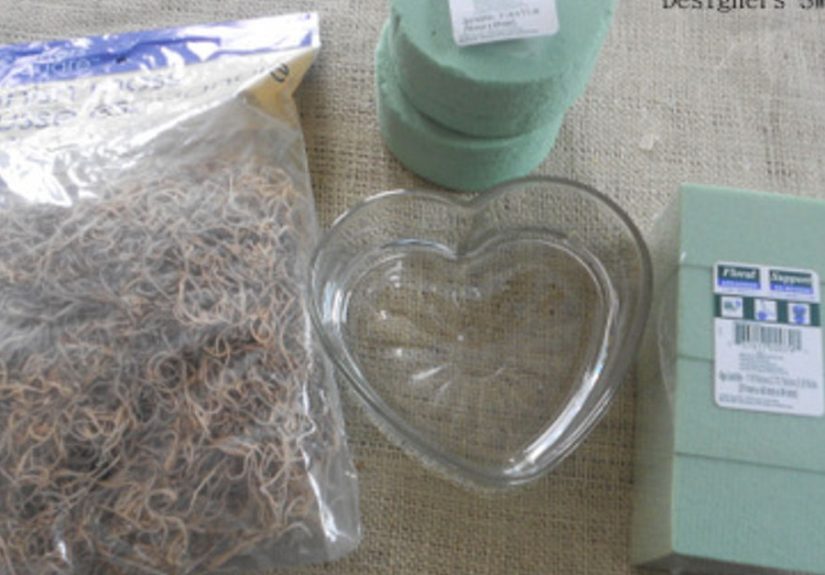
- A small glass jar, floral tape grid, flower frog, or floral mechanic to support stems
- Craft paint, spray paint, or decorative embellishments if you want to customize the dish
- Ribbon, jute twine, pearls, or beads for optional trim
- Hot glue or craft glue if you are adding permanent decorative details
- Scissors or floral snips
If you are using fresh flowers, it is smart to place a watertight glass or small container inside the dish instead of filling a painted or sealed decorative dish directly with water. That keeps the project beautiful and practical, which is the dream combination in any home craft.
How to Make the Pretty Yellow Roses Centerpiece
1. Start with the right dish
Look for a dish that has a graceful shape. A shallow bowl creates a gathered, lush arrangement. A pedestal dish feels more formal. A round dish gives you a classic centerpiece silhouette, while an oval dish feels great on a dining table or console. Do not overthink perfection. Minor imperfections are charming once flowers enter the chat.
2. Clean and prep the surface
If you plan to paint or decorate the dish, clean it thoroughly first. Dust, oil, and mystery shelf grime are not your friends. Once the dish is dry, decide whether you want a soft vintage finish, a glossy cheerful color, or a neutral base that lets the roses do all the talking.
For a cottage-inspired centerpiece, paint the dish a soft cream or pale white and gently distress the edges. For a brighter spring look, use a buttery yellow, soft sage, or pale robin’s egg blue. If the dish is already attractive, do not mess with success. Sometimes the best makeover is simply using the item in a new way.
3. Add decorative detail without overdoing it
This is where many DIY projects accidentally sprint into “craft fair at closing time” territory. Resist the urge to glue on every pretty thing you own. A ribbon around the base, a touch of gold edging, a decoupaged floral motif, or subtle texture is enough. The roses should remain the headline act, not the dish’s very confused backup dancers.
4. Build the floral base
If you are using fresh roses, place a hidden jar or small vessel inside the dish. You can also use a flower frog or a simple tape grid across the top to keep stems in place. If you are using faux roses, floral foam can work, but you can also secure stems inside a smaller weighted insert hidden by moss, greenery, or filler flowers.
Start with greenery first to create the shape. This step gives the arrangement a natural frame and prevents the roses from looking like they all showed up and stood in one clump at the center. After the greenery, add the yellow roses in a loose circular or slightly asymmetrical pattern. Vary the heights just a bit so the centerpiece looks layered rather than flat.
5. Trim, place, step back, repeat
The hardest part of flower arranging is not the arranging. It is knowing when to stop poking it. Trim stems little by little. Rotate the arrangement. Step back from the table. Look at it from all sides. Then make small adjustments. Usually, the prettiest centerpiece feels balanced without looking stiff.
If you are using fresh roses, remove leaves that would sit below the water line and keep the blooms grouped low enough that guests can still see each other across the table. If you are using faux roses, fluff the petals and gently bend the stems so they do not look too factory-perfect. Nature rarely makes anything in identical angles, and your centerpiece should not either.
Why Yellow Roses Are Such a Great Choice
Yellow roses bring brightness without shouting. Red roses can feel formal, white roses can lean bridal, and pink roses can read sweet or romantic. Yellow roses sit in a wonderfully versatile middle ground. They feel joyful, welcoming, and sophisticated all at once.
They also pair beautifully with a wide range of styles. Want a farmhouse centerpiece? Add seeded eucalyptus and a distressed bowl. Want a more classic tablescape? Use a smooth white dish with compact rose heads and minimal greenery. Want something fresh and garden-inspired? Add lemony tones, soft leaves, and maybe a few filler flowers in cream or pale green.
Yellow roses work especially well in spring and summer, but they are not limited to those seasons. In fall, they can be paired with brass tones and muted greenery. In winter, they offer a welcome burst of sunshine when everything outside looks like it forgot how color works.
Fresh Roses vs. Faux Roses
Fresh roses are ideal if you want fragrance, softness, and that unmistakable real-flower magic. They are perfect for events, weekend dinners, showers, and special occasions. A fresh arrangement feels alive because, well, it is. Just remember that real roses need trimmed stems, clean water, and occasional maintenance.
Faux roses, meanwhile, are the practical overachievers of the decor world. They last, they travel well, they do not drop petals on your table, and they let you keep the centerpiece out for weeks or months. The trick is choosing blooms with believable shape and mixing them with greenery so the final look feels styled rather than plastic.
A mixed arrangement can also work beautifully. Use faux greenery for structure and fresh yellow roses for softness and scent. That gives you the best of both worlds and stretches your budget in a smart way.
Simple Styling Ideas for Different Spaces
Dining table
Keep the arrangement low and full. Add candles on either side for a cozy, polished look.
Coffee table
Use a slightly smaller dish and tuck in a few trailing greens for a relaxed, collected feel.
Entry table
Go a little taller with the greenery and place the centerpiece near a mirror or lamp so it catches attention right away.
Seasonal party table
Add coordinating napkins, citrus accents, or soft ribbon details that echo the yellow roses without turning the whole setup into a yellow emergency.
Common Mistakes to Avoid
One common mistake is choosing a dish that is too shallow without planning how the stems will stay upright. Another is making the arrangement too tall for a table where people need to talk. A third is overdecorating the base until it competes with the flowers.
The biggest mistake, though, is assuming budget decor has to look cheap. It does not. Low cost and low effort are not the same thing. A simple dish, thoughtfully styled, can look elegant, warm, and impressively custom. That transformation is what makes this project so fun.
Experience: What It’s Really Like to Make an Upcycled Dollar Store Dish to Pretty Yellow Roses Centerpiece
The first time I made a centerpiece like this, I did what many enthusiastic DIY people do: I bought the dish because it looked “full of potential,” which is hobby language for “slightly weird but maybe fixable.” It was a plain little bowl with no personality whatsoever. On the store shelf, it looked like something that had given up on its dreams. But once I got it home, cleaned it, and started imagining yellow roses spilling out of it, the whole project clicked.
What surprised me most was how much of the final result depended on slowing down. The dish itself only needed a simple makeover. I gave it a soft painted finish and added a subtle trim around the base. Nothing dramatic. The magic happened once the flowers went in. At that point, the bowl stopped looking like a bargain-store find and started looking like a deliberate decor piece.
I also learned that yellow roses are much friendlier than they get credit for. Some people worry yellow can feel too bright or too loud, but in a centerpiece, that brightness becomes the whole reason the piece feels alive. On a wood table, yellow roses feel warm. On a white table, they feel crisp and happy. Next to greenery, they look fresh and natural. Near candles, they pick up a soft golden glow that makes the entire arrangement feel more expensive.
Another real-life lesson was that structure matters more than fancy supplies. You do not need a florist’s toolkit worthy of a professional studio. You just need a way to support the flowers and an eye for balance. Once I stopped obsessing over making every bloom identical and started focusing on the overall shape, the arrangement looked much better. A slightly imperfect rose here and a tilted stem there actually made it feel more natural.
I also discovered that this kind of project changes the mood of a room faster than almost any other budget decor trick. A lamp helps. A throw pillow helps. But flowers in an unexpected vessel make people pause and say, “Wait, you made that?” That reaction is part of the fun. It feels creative without being intimidating. It feels stylish without requiring a giant budget. And it feels personal in a way that store-bought centerpieces often do not.
There is also a quiet satisfaction in using something ordinary in a completely different way. A dollar store dish is not meant to wow anyone. It is just there, being affordable and overlooked. Turning it into a yellow roses centerpiece feels like giving it a second life with much better lighting. That is the beauty of upcycling. You are not just saving money. You are training your eye to see possibility where other people see random stuff on a shelf.
Since then, I have made versions of this centerpiece for casual lunches, seasonal tables, and everyday decor. Each one looked different because the dish, greenery, and flower placement changed slightly. That is another reason I love the project. It is repeatable without being boring. You can make one that feels rustic, another that feels elegant, and another that feels playful. Same basic idea, totally different mood.
If you are nervous about trying it, do not wait until you think you have perfect supplies or perfect floral skills. You do not need perfection. You need a dish, a few yellow roses, and the willingness to experiment a little. The first version may not look like a magazine cover, but it will teach you what shape you like, how much greenery you prefer, and how to build arrangements that fit your home. The second version will be better. The third one may become your signature centerpiece.
And honestly, that is the best part of this DIY. It starts as a thrifty craft and ends as a confidence-building design project. You look at a simple little dish and realize it can become something beautiful. That feeling sticks with you. Suddenly, you start seeing potential everywhere. A bowl can be a centerpiece. A platter can be a base. A forgotten piece can become the prettiest thing on the table. Not bad for a project that began in the dollar store aisle.
Final Thoughts
An upcycled dollar store dish to pretty yellow roses centerpiece is proof that beautiful decor does not have to be complicated or expensive. With a little imagination, a simple vessel, and thoughtfully arranged blooms, you can create a centerpiece that looks elegant, cheerful, and completely at home in your space.
Whether you choose fresh roses for a special gathering or faux stems for everyday display, the result is the same: a warm, eye-catching focal point that feels personal and polished. And perhaps best of all, it reminds us that some of the prettiest things in a home begin with the items most people walk right past.