Table of Contents >> Show >> Hide
- What Is a “Value Series” Wall Mount Grid, Exactly?
- Why Grids Beat Shelves (Sometimes)
- Sizes, Finishes, and What They Mean in Real Life
- Accessories: The Part That Makes the Grid Worth It
- Planning Your Layout Like You Actually Want It to Stay Organized
- Installation: Secure It Like You Enjoy Not Fixing Holes in Drywall
- Example Setups That Make Sense (Not Just Look Nice)
- Cleaning and Maintenance: Keep It Useful (and Not Gross)
- Buying Checklist: What to Confirm Before You Click “Add to Cart”
- Common Mistakes (So You Don’t Star in a DIY Horror Story)
- Conclusion: Small Upgrade, Big Daily Payoff
- Experiences: What It’s Like Living With a Wall Mount Grid (The Good, the Funny, the “Oops”)
If your kitchen (or garage, or stockroom, or that one closet that’s basically a portal to another dimension) keeps eating tools, pans, and “I swear I just had it” gadgets, you don’t need more cabinetsyou need vertical real estate. That’s where a Value Series Wall Mount Grid steps in: a simple, sturdy wire grid that mounts to the wall and turns wasted space into an organized, grab-and-go zone.
This guide breaks down what the Value Series wall mount grid is, how it’s typically used (especially in commercial kitchens), how to choose the right finish and size, how to install it safely, and how to actually keep it from becoming “a wall of random hooks” by week two. We’ll keep it practical, a little witty, and very focused on real-world setups that work.
What Is a “Value Series” Wall Mount Grid, Exactly?
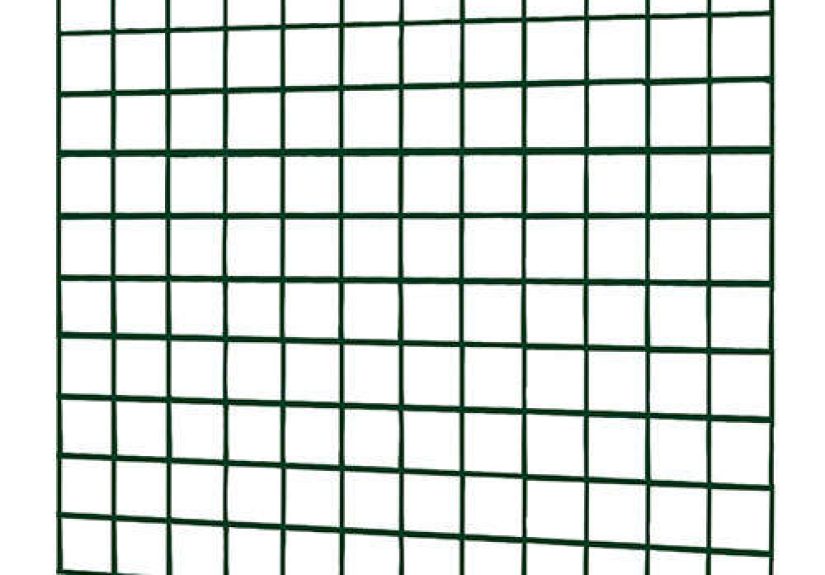
A wall mount grid is a rigid wire panel designed to be attached to a wall so you can hang or support storage accessorieshooks, shelves, baskets, utensil holders, lid racks, and more. In foodservice settings, wall grids are popular because they keep prep areas clear, improve workflow, and help you store items where they’re visible, dry, and easy to sanitize.
“Value Series” typically signals a no-drama approach: the essentials (durable wire construction, common sizes, compatible add-ons) without boutique pricing. In the restaurant-supply world, these grids often appear as part of modular wall storage systemsthink “build it your way,” but without needing an engineering degree.
Common Use Cases
- Commercial kitchens: pot/pan storage, utensils, sheet pans, lids, small wares near the line
- Dish and drying zones: air-drying racks, lid holders, scrubbers and caddies
- Retail and back-of-house: grid accessories for merch, tools, supplies, or packing stations
- Home garages and workshops: hand tools, tape, chargers, bins, cords, and “mystery screws”
Why Grids Beat Shelves (Sometimes)
Shelves are greatuntil you’re stacking stuff like a game of Jenga. A wall grid shines when you need flexibility. Instead of committing to a single shelf height forever, you can reconfigure hooks and add-ons as your needs change. That’s especially useful in busy kitchens where the “perfect setup” changes with menus, staff habits, or new equipment.
Benefits You’ll Notice Fast
- Speed: tools and pans are visible and reachableless rummaging, more doing
- Space: frees counter space and reduces overcrowded drawers
- Cleanliness: better airflow than closed bins; easier wipe-down access
- Modularity: add or remove accessories without replacing the whole system
Sizes, Finishes, and What They Mean in Real Life
Value Series wall grids often show up in practical, high-utility dimensionscommonly around 36 inches wide with varying depths (for example, roughly 18″ or 30″ deep), depending on the model and intended load. A deeper grid gives you more room for shelves and hanging storage; a shallower grid can be a better fit for tighter aisles or narrow prep zones.
Finish Options: The “Where Will This Live?” Decision
The finish matters more than people thinkespecially if steam, humidity, or corrosion is part of your daily reality.
- Green epoxy: common in foodservice environments for wet/damp zones (walk-ins, dish areas, humid kitchens). It’s chosen because it resists corrosion better than basic chrome in moisture-heavy spaces.
- Chrome: a classic look, typically favored for dry or heated environments where moisture is less of an issue. It’s also easy to spot grime on chrome, which can be a weirdly helpful cleaning motivator.
Practical tip: If you’re mounting near dishwashers, sinks, mop areas, or walk-in doors that fog like a sauna, epoxy is usually the safer bet. If it’s a dry storage wall away from splashes and steam, chrome can work well.
Accessories: The Part That Makes the Grid Worth It
A wall grid by itself is just an honest rectangle. The magic is the accessory ecosystem: hooks, shelves, baskets, brackets, utensil cups, lid racks, and specialty holders. This is where you turn “wall decoration” into “workstation upgrade.”
Accessory Picks That Earn Their Keep
- S-hooks and straight hooks: for ladles, tongs, whisks, strainers, and lightweight pans
- Double hooks: for heavier items like sauté pans or small pots (use studs, please)
- Wire shelves (grid-mounted): for spice bins, deli containers, towels, or frequently used tools
- Wire baskets: for gloves, labels, scrubbers, squeeze bottles, or “grab bag” supplies
- Utensil holders and caddies: to stop spatulas from becoming drawer refugees
- Lid holders/drying racks: underrated for dish areas and small equipment parts
For commercial buyers, you’ll also see NSF-listed components in wall-grid ecosystems. That can matter if you’re building a system intended for foodservice sanitation expectations.
Planning Your Layout Like You Actually Want It to Stay Organized
The easiest mistake is building a grid that looks great on day one and turns into chaos by day ten. Instead, plan your layout based on frequency and flow, not aesthetics.
Step 1: Make Zones
- Daily zone: tools used every shift (tongs, ladles, thermometer, gloves, towels)
- Service zone: items needed during rush (certain pans, strainers, squeeze bottles)
- Restock zone: backups (labels, extra scrubbers, bar towels, parchment)
Step 2: Put Heavy Stuff Low
It’s safer and more ergonomic to store heavier items lower, keeping the top for lighter tools. This reduces the risk of drops and strainand aligns with common safety logic for stored materials.
Step 3: Build for Visibility
Use open baskets and hooks so you can see what’s missing. If the grid makes it obvious someone walked off with the last clean whisk… the grid is doing its job.
Installation: Secure It Like You Enjoy Not Fixing Holes in Drywall
A wall grid is only as good as its mounting. The safest approach is anchoring into studs whenever possible. If studs don’t line up perfectly, you can combine stud anchoring with heavy-duty drywall anchorsbut you must follow the hardware’s load ratings and distribute the load.
Tools and Supplies
- Stud finder
- Level and tape measure
- Drill/driver
- Appropriate screws/lag screws for studs
- Heavy-duty anchors (toggle bolts or molly bolts) if needed
- Mounting brackets/connectors designed for your grid system
Safe, Reliable Install Steps
- Pick the height: place daily-use items at comfortable reach (roughly chest-to-eye level).
- Find studs: mark stud centers; aim to use them for the primary load-bearing points.
- Mark bracket positions: keep spacing consistent; use a level so the grid sits square.
- Install top brackets first: secure into studs when possible; then hang the grid and confirm level.
- Secure lower brackets: prevents sway and supports load distribution.
- Test before loading: apply gentle force; make sure nothing shifts or flexes.
- Load gradually: start light, then increase while checking stability.
Hardware Reality Check (Drywall vs. Studs)
If you can’t hit studs for every connection point, don’t panicjust don’t “wing it” either. Toggle bolts and molly bolts are commonly recommended for stronger drywall mounting, and spreading the load across more brackets can increase stability. Always match your anchor choice to the weight you intend to store, and don’t exceed manufacturer ratings.
Pro-level trick for heavy setups: mount a sturdy backer board into multiple studs, then attach the grid system to the backer. It’s not glamorous, but it’s incredibly solid.
Example Setups That Make Sense (Not Just Look Nice)
1) The “Line Cook Survival Wall”
Install a 36″ wide grid near the pass. Add: 6–10 hooks for tongs/ladles, a small wire shelf for thermometers and towels, and a basket for gloves. Keep the heaviest pans on low hooks, and leave an empty “return zone” so tools don’t migrate.
2) The Dish Area Dry-and-Store Grid
Use epoxy finish if the area stays humid. Add drying racks/lid holders, plus a basket for scrubbers and a hook zone for brushes. The open-wire format improves airflow, which helps items dry faster and reduces that “wet rag” vibe.
3) The Small Retail Packing Station
Mount the grid behind the packing table. Add baskets for tape, labels, scissors, markers, and spare box cutters. Keep the tape guns on hooks. Bonus: put a “returns” basket where it’s visible so it doesn’t become a mystery pile.
Cleaning and Maintenance: Keep It Useful (and Not Gross)
- Wipe weekly: especially around hooks where grime collects.
- Watch the finish: if epoxy gets chipped, touch it up to reduce corrosion risk.
- Tighten hardware: vibration and daily use can loosen screws over time.
- Rebalance loads: if one side is sagging, redistribute and add support.
Buying Checklist: What to Confirm Before You Click “Add to Cart”
- Dimensions: will depth block walkways or bump into equipment?
- Finish: epoxy for wet/humid zones; chrome for drier areas
- Accessory compatibility: hooks, baskets, and shelves that fit your grid system
- Mounting hardware included? some kits include brackets; some require separate connectors
- Compliance needs: if foodservice, check whether specific components are NSF-listed
- Load plan: what you’ll hang today and what you’ll “definitely add later”
Common Mistakes (So You Don’t Star in a DIY Horror Story)
- Mounting with weak anchors: the grid may hold… until it doesn’t.
- Overloading the top: heavy items high up increase risk and strain.
- Buying accessories after the fact: confirm compatibility first to avoid “hook heartbreak.”
- No system: a grid without zones becomes a wall-shaped junk drawer.
Conclusion: Small Upgrade, Big Daily Payoff
The Value Series Wall Mount Grid is one of those upgrades that feels almost too simpleuntil you realize it’s saving time, space, and frustration every single day. Whether you’re building an organized line station, creating a cleaner dish area, tightening up a stockroom, or giving your garage tools a permanent home, a wall grid system works best when you mount it securely, choose the right finish for the environment, and set it up around real workflow.
And if nothing else, it’s a great way to stop your kitchen from playing “hide and seek” with the only pair of tongs that aren’t mysteriously sticky.
Experiences: What It’s Like Living With a Wall Mount Grid (The Good, the Funny, the “Oops”)
People usually buy a wall mount grid for one reason: they’re tired of the daily scavenger hunt. The first week is the honeymoon phase. Everything is neatly hung. The hooks are aligned. Someone even labels a basket. It’s beautiful. Then real life shows updinner rush, shipping deadlines, kids asking where the tape went, and a new pan that “temporarily” gets hung wherever it fits.
In commercial kitchens, the biggest “aha” moment is how much counter space comes back. When utensils and small wares move onto the wall, prep tables stop turning into clutter magnets. One common setup is a grid near the line with a hook zone for tongs and ladles, plus a small shelf for thermometers and towels. The benefit isn’t just neatnessit’s speed. When the tools always live in the same place, new staff learn faster, and the whole station runs smoother. The grid becomes the station’s “map,” and missing items are obvious, which is both helpful and mildly hilarious (“Who borrowed the whisk? The wall is accusing you.”).
In dish areas, grids tend to earn their reputation as the unsung hero. Airflow is a big deal: open wire storage lets things dry, which helps reduce odors and that grimy damp feeling. People often start with a couple of hooks, then add a basket for scrubbers and a drying rack for lids or small parts. The funniest pattern is how quickly the grid becomes a “tool parking lot.” When there’s a clear spot for brushes, they actually get returnedbecause the alternative is somebody setting a wet brush on a random ledge like it’s an art installation.
In retail and packing stations, the experience is all about reducing micro-annoyances. Tape, labels, scissors, markers, and cutters can disappear in seconds when you’re moving fast. A grid with baskets and hooks puts those tools where your hands expect them to be. The moment people love most is when they can pack an order without walking away from the table five times. The moment they regret is mounting the grid too low, then realizing it’s a shoulder-check hazard every time they turn around. Height matters.
For home garages, grids often start as a “weekend project” and quickly turn into a lifestyle. The first version is usually hooks for tools. Then someone adds a basket for fasteners. Then a shelf for chargers. Then a second grid because the first grid is “full but organized,” which is the nicest way to say “I bought more tools.” The biggest lesson here is weight: garages invite heavier loads, so it’s worth taking the extra time to anchor into studs (or use a backer board) and spread out support points. People who do this onceand do it righttend to keep the system for years, swapping accessories as projects change.
The most relatable experience across all settings is this: a wall grid doesn’t magically organize your life. It organizes your choices. If you create clear zones (daily tools, backup supplies, random extras), the grid stays tidy and saves time. If you skip the zones, the grid becomes a vertical junk drawer with better lighting. The good news is that grids forgive you. You can reset the layout in 10 minutes, move a few hooks, and suddenly you’re “organized” againuntil the next rush, the next project, or the next person who borrows the only tape gun and forgets the wall is watching.