Table of Contents >> Show >> Hide
- What Is Water Walking?
- Why Water Walking Works So Well
- How to Do Water Walking Correctly
- Best Water Walking Exercise Variations
- Sample Water Walking Workouts
- Who Can Benefit from Water Walking?
- Common Mistakes to Avoid
- How Often Should You Do Water Walking?
- How to Make Water Walking More Fun
- Real-Life Experience: What Water Walking Feels Like Over Time
- Conclusion
Water walking sounds almost too simple to be useful. You get into a pool, walk from one side to the other, and somehow call it exercise. No treadmill buttons. No complicated machines. No gym mirror judging your form from three angles. Just you, the water, and the quiet suspicion that your legs are working harder than they did on dry land.
That suspicion is correct. Water walking is a low-impact aquatic exercise that uses the natural buoyancy and resistance of water to help improve cardiovascular fitness, muscle endurance, balance, flexibility, and joint-friendly movement. It is especially popular among older adults, beginners, people returning to fitness after a break, and anyone who wants a workout that does not feel like their knees are filing a formal complaint.
Unlike swimming, water walking does not require advanced technique. You do not need to master a perfect freestyle stroke, hold your breath like a dolphin, or pretend you enjoy getting pool water in your nose. If you can walk and safely enter a pool, you can begin with basic pool walking exercises and gradually make them more challenging.
In this guide, we will break down the real benefits of water walking, how to do it correctly, the best pool exercise variations, sample workouts, safety tips, and practical experiences that can help you turn a simple pool session into a surprisingly effective fitness routine.
What Is Water Walking?
Water walking is exactly what it sounds like: walking in a swimming pool or aquatic exercise area while using the water’s resistance to challenge your muscles. It can be done in waist-deep, chest-deep, or deeper water with flotation support, depending on your comfort level and fitness goals.
The beauty of water walking is that it meets you where you are. A beginner may simply walk forward across the shallow end for 10 minutes. Someone with more experience may add high knees, side steps, backward walking, arm pushes, water dumbbells, interval bursts, or deep-water running with a flotation belt.
Because water supports part of your body weight, pool walking reduces impact on the joints compared with land-based walking or jogging. At the same time, moving through water requires effort because water is denser than air. Every step becomes a gentle resistance exercise. In other words, water walking is low impact, but it is not “low effort” unless you choose to make it that way.
Why Water Walking Works So Well
1. It Is Gentle on Joints
One of the biggest benefits of water walking is joint relief. When you walk on land, your feet, ankles, knees, hips, and spine absorb repeated impact. That impact is not automatically bad, but for people with arthritis, joint stiffness, previous injuries, or excess soreness, it can make regular walking uncomfortable.
In the pool, buoyancy helps support the body. This reduces stress on weight-bearing joints, which can make movement feel smoother and less painful. That is why aquatic exercise is often recommended as a joint-friendly option for people who want to stay active without pounding the pavement.
Think of it as walking with a built-in cushion. The pool does not remove effort; it simply removes much of the “ouch factor.” That is a pretty fair trade.
2. It Builds Strength Through Water Resistance
Water pushes back from every direction. When you walk forward, your legs must drive through resistance. When you swing your arms, your shoulders, chest, back, and core also join the party. If you increase speed, widen your steps, or use aquatic equipment, the challenge grows quickly.
This makes water walking useful for muscular endurance. Your calves, quadriceps, hamstrings, glutes, hip flexors, abdominal muscles, and upper body can all be trained during a well-designed pool walking workout.
Unlike traditional strength training, water resistance is naturally adjustable. Move slowly and the exercise feels easier. Move faster and the water says, “Oh, we are doing this now?” The result is a workout that can be gentle, moderate, or intense depending on how you move.
3. It Supports Cardiovascular Fitness
Water walking can raise your heart rate and improve endurance, especially when performed continuously or in intervals. Walking briskly across the pool, adding arm movements, or alternating easy and fast laps can create a moderate cardio workout.
The simple “talk test” works well here. If you can talk but not sing during your pool walking session, you are likely working at a moderate intensity. If you can belt out a full concert playlist while walking, you may need to pick up the pace. Your pool neighbors may also appreciate that decision.
For people who find running too stressful or traditional cardio too boring, aquatic exercise offers a refreshing alternative. It is not only easier on the joints but also mentally different enough to keep workouts interesting.
4. It Improves Balance and Coordination
Walking in water challenges balance in a unique way. The water constantly moves around you, especially in a busy pool. Your core, hips, feet, and stabilizing muscles must respond to small shifts in pressure and direction.
This can help improve body awareness and coordination over time. Side walking, backward walking, heel-to-toe walking, and marching variations can be especially helpful for balance training. The pool also offers a more forgiving environment than hard flooring. If you wobble, you are surrounded by water rather than a dramatic crash scene.
5. It Encourages Better Range of Motion
Warm water can help muscles relax, making it easier to move through a comfortable range of motion. Many people find that their hips, knees, ankles, and shoulders feel less stiff in the pool. Water walking variations such as high knees, hamstring curls, and side steps encourage the joints to move in multiple directions.
This does not mean you should force big movements. Gentle, controlled motion is the goal. If your body feels like it is arguing with you, do not turn the workout into a debate tournament. Reduce the range, slow down, and build gradually.
6. It Is Beginner-Friendly
Some workouts feel as if they were designed by someone who thinks “fun” means burpees at sunrise. Water walking is different. It is simple, scalable, and approachable. You do not need expensive gear or advanced athletic skills.
You can start with 10 to 15 minutes and increase as your fitness improves. You can walk slowly, use the pool wall for support, or join a water aerobics class for structure and social motivation. For many people, the hardest part is not the workout itself; it is convincing themselves to get into the pool in the first place.
How to Do Water Walking Correctly
Good form matters in the pool just as it does on land. The water may be forgiving, but it is not magical. Sloppy posture can still make your workout less effective.
Basic Water Walking Form
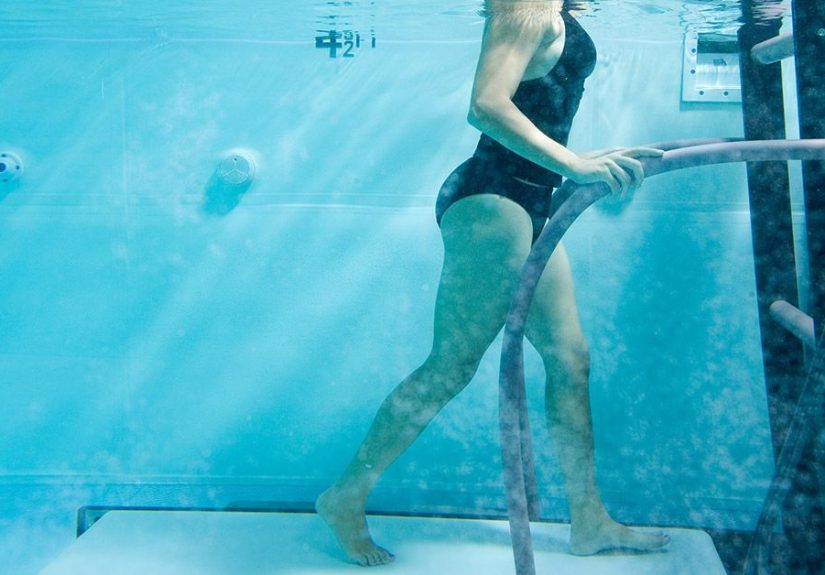
Start in water that reaches somewhere between your waist and chest. Stand tall with your shoulders relaxed, chest lifted, and core lightly engaged. Look forward rather than down at your feet. Step forward with control, placing your whole foot on the pool floor when possible.
Swing your arms naturally as you walk. Keep your hands open or slightly cupped if you want more resistance. Avoid leaning too far forward. If you feel like you are chasing your own forehead through the water, slow down and reset your posture.
Recommended Starting Routine
For beginners, try this simple structure:
- Warm up with 3 to 5 minutes of easy walking.
- Walk at a steady moderate pace for 10 minutes.
- Add 2 minutes of side steps.
- Return to easy walking for 3 minutes.
- Cool down with gentle leg and shoulder movements.
As you improve, increase the total time to 20, 30, or 45 minutes. You can also add intervals, equipment, or more advanced water walking variations.
Best Water Walking Exercise Variations
1. Forward Water Walking
This is the foundation. Walk from one side of the pool to the other while maintaining good posture and a steady rhythm. Focus on placing your feet with control and pushing through the water with your legs.
To increase difficulty, walk faster, take longer strides, or swing your arms more strongly. You can also cup your hands to increase upper-body resistance.
2. Backward Water Walking
Backward walking in the pool activates the legs differently from forward walking. It can challenge the quadriceps, shins, glutes, and core while also improving coordination.
Start slowly. Look around before moving so you do not back into another swimmer, pool steps, or someone peacefully pretending to exercise while actually chatting. Keep your steps controlled and use the pool wall if needed.
3. Side-Step Walking
Side stepping targets the hips, inner thighs, outer thighs, and glutes. Stand tall, step to the side with one foot, then bring the other foot toward it. Continue across the pool, then return in the opposite direction.
For more challenge, bend your knees slightly and stay in a mini-squat position. This turns the movement into a stronger lower-body exercise without adding joint-jarring impact.
4. High-Knee Marching
High-knee marching is excellent for hip flexors, core engagement, balance, and cardio intensity. March forward while lifting one knee toward hip height, then switch sides.
Keep your torso upright. Do not lean back dramatically with each knee lift, unless your fitness goal is “confused flamingo.” Move with control and breathe steadily.
5. Heel-to-Toe Pool Walking
This variation works balance and body control. Walk slowly by placing your heel directly in front of the toes of your opposite foot, as if walking on an imaginary line on the pool floor.
Use the wall for support if needed. This movement is best done slowly and carefully, not as a race. Nobody wins a gold medal for speed-wobbling in the shallow end.
6. Water Walking with Arm Pushes
Add upper-body work by pushing your arms forward and back through the water as you walk. You can keep your palms open, cup your hands, or use aquatic gloves for more resistance.
This variation engages the chest, shoulders, back, arms, and core. It also raises the intensity of the workout because more muscles are working at once.
7. Interval Water Walking
Intervals make water walking more exciting and more challenging. Alternate between easy walking and faster walking. For example, walk easy for 60 seconds, then walk fast for 30 seconds. Repeat for 10 to 20 minutes.
This format is great for improving cardiovascular fitness without turning your workout into a long, soggy march of doom. You can adjust the timing based on your current fitness level.
8. Deep-Water Walking or Jogging
Deep-water walking is done where your feet do not touch the pool floor, usually with a flotation belt. You mimic a walking or jogging motion while staying upright in the water.
This is a more advanced option and can be very effective for cardio training with minimal impact. It is often used by runners, athletes recovering from injury, and people who want a challenging aquatic workout.
9. Walking Lunges in the Pool
Pool lunges can strengthen the hips, thighs, and glutes with less impact than land lunges. Step forward, bend both knees slightly, then push up and step forward again.
Keep the range comfortable. Your front knee should stay aligned with your foot. If lunges bother your knees, choose smaller steps or stick with regular walking and side steps.
10. Water Walking with Equipment
Once basic water walking feels comfortable, equipment can add variety. Aquatic dumbbells, resistance gloves, noodles, kickboards, and ankle cuffs can increase challenge. Use equipment carefully, because more resistance is not always better.
A good rule: master the movement first, then add tools. Otherwise, you may end up fighting a foam dumbbell like it insulted your family.
Sample Water Walking Workouts
Beginner Pool Walking Workout
- 5 minutes easy forward walking
- 5 minutes steady forward walking
- 3 minutes side steps
- 2 minutes backward walking
- 5 minutes easy walking and cooldown
Total time: 20 minutes. This workout is ideal for people new to aquatic exercise or returning after a fitness break.
Intermediate Cardio Pool Workout
- 5 minutes warm-up walking
- 30 seconds fast walking, 60 seconds easy walking, repeated 10 times
- 5 minutes high-knee marching
- 3 minutes arm pushes while walking
- 5 minutes cooldown
Total time: about 30 minutes. This session improves endurance and keeps the workout from feeling repetitive.
Strength-Focused Water Walking Workout
- 5 minutes easy walking
- 4 minutes side-step walking
- 4 minutes walking lunges
- 4 minutes high-knee marching
- 4 minutes backward walking
- 5 minutes cooldown walking
Total time: about 26 minutes. Move slowly and focus on control, posture, and smooth resistance.
Who Can Benefit from Water Walking?
Water walking can benefit a wide range of people. Beginners appreciate that it is simple and unintimidating. Older adults may enjoy the balance and mobility support. People with joint discomfort often like the lower-impact environment. Athletes can use it for cross-training or active recovery. Busy adults can use it as a refreshing break from repetitive gym routines.
It may be especially helpful for people who want a workout that blends cardio, strength, balance, and flexibility without requiring high-impact movement. However, anyone with a heart condition, serious balance issue, recent surgery, uncontrolled pain, or medical restriction should speak with a healthcare professional before beginning a new exercise plan.
Common Mistakes to Avoid
Going Too Hard Too Soon
Because water walking feels easier on the joints, it is tempting to overdo it. The soreness may show up later, wearing sunglasses and holding a tiny sign that says, “Surprise.” Start with shorter sessions and increase gradually.
Leaning Forward
Leaning too much reduces core engagement and can strain the back. Keep your posture tall and your movement controlled.
Skipping the Warm-Up
Even in warm water, your body needs time to adjust. Begin with easy walking before increasing speed or adding resistance.
Ignoring Pool Safety
Use handrails when entering or leaving the pool. Wear water shoes if the pool floor is slippery. Stay hydrated, even though you may not notice sweat. Exercise with a friend or near a lifeguard if you are unsure of your balance or swimming ability.
How Often Should You Do Water Walking?
Many people can begin with two or three sessions per week. Each session may last 15 to 30 minutes, depending on fitness level and comfort. Over time, you can work toward longer sessions or combine water walking with swimming, stretching, strength training, or land-based walking.
For general fitness, consistency matters more than heroic single workouts. A steady routine you enjoy will beat a dramatic one-week fitness comeback followed by three weeks of “accidentally forgetting” your swimsuit.
How to Make Water Walking More Fun
The best workout is the one you actually do. To make water walking more enjoyable, try music if your pool allows it, join a water aerobics class, walk with a friend, track your laps, or create mini-goals. For example, you might aim to complete 20 pool lengths, add two new variations, or extend your workout by five minutes.
You can also build themed sessions. Monday could be cardio intervals. Wednesday could be strength-focused side steps and lunges. Friday could be a relaxed mobility day. This keeps the routine fresh and prevents your brain from filing water walking under “things I tried twice and then abandoned.”
Real-Life Experience: What Water Walking Feels Like Over Time
The first time many people try water walking, they underestimate it. It looks calm from the outside. In fact, from the pool deck, it can look like someone forgot how walking works and decided to practice in slow motion. But after 10 minutes, the truth arrives: your legs are working, your core is awake, and your breathing has changed.
A typical beginner experience starts with surprise. The first few laps feel almost too easy because the water supports the body. Then the resistance becomes noticeable. Each step requires a push. The arms begin to feel involved. Turning around at the pool wall becomes a tiny rest break that you pretend is part of the plan.
After a few sessions, many people notice that water walking feels smoother than land walking. Stiff joints may loosen as the body warms up. The water creates a sense of security, especially for people who worry about balance. There is also a pleasant mental effect: the pool environment can feel calming, even when the workout is challenging.
One practical lesson is that depth matters. Waist-deep water allows faster walking and more contact with the pool floor. Chest-deep water provides more support and more resistance for the upper body. Deeper water with a flotation belt can feel freeing, but it also requires more coordination. Beginners usually do best starting where they can stand comfortably.
Another experience is that small changes make a big difference. Cupping the hands, lifting the knees higher, widening the steps, or walking faster can turn an easy session into a serious workout. You do not need to add complicated moves every time. Sometimes the best progress comes from doing the basics with better posture, stronger arm movement, and more consistent pacing.
People who use water walking for joint-friendly fitness often describe it as a confidence builder. On land, discomfort can make exercise feel like a negotiation: “How far can I walk before my knee starts sending emails?” In water, movement may feel more possible. That sense of possibility matters because it helps people stay consistent.
Water walking can also be socially enjoyable. Community pools often have regulars who show up at the same times each week. A simple workout can become part exercise, part routine, part friendly check-in. This matters more than many people realize. Fitness habits stick better when they are connected to enjoyment rather than punishment.
Of course, there are funny realities too. Pool walking is not glamorous. Your hair may do something architecturally unusual. Your water shoes may squeak. You may accidentally race someone who has no idea they are competing. And if you use foam dumbbells for the first time, you may discover that harmless-looking equipment can become wildly bossy underwater.
Still, the experience is often rewarding. After several weeks, water walking may feel easier, longer sessions may feel manageable, and everyday movements may feel more comfortable. Some people notice better stamina when climbing stairs or walking through stores. Others simply enjoy having a workout that does not leave them feeling beaten up afterward.
The biggest takeaway from real-world experience is this: water walking works best when treated as real exercise, not as a backup plan. Show up, warm up, use good form, vary the routine, and progress gradually. The pool may make movement gentler, but your effort still matters. Give it that effort, and water walking can become one of the most sustainable workouts in your fitness toolbox.
Conclusion
Water walking is simple, joint-friendly, flexible, and far more effective than it looks from the pool deck. By combining buoyancy, resistance, cardio movement, and balance training, it offers a smart workout for beginners, older adults, people with joint concerns, and anyone who wants a refreshing alternative to land-based exercise.
Start with basic forward walking, then add backward walking, side steps, high knees, arm pushes, intervals, and equipment as your confidence grows. Keep your posture tall, move with control, and listen to your body. The goal is not to splash dramatically enough to concern the lifeguard. The goal is steady, enjoyable progress.
Note: This article is for educational and fitness information only. Anyone with medical conditions, recent injuries, surgery history, heart concerns, or significant pain should consult a qualified healthcare professional before starting a new exercise program.