Table of Contents >> Show >> Hide
- What makes a high-protein snack healthy?
- The healthiest high-protein snacks to eat more often
- 1. Plain Greek yogurt with berries
- 2. Cottage cheese with fruit or vegetables
- 3. Hard-boiled eggs
- 4. Edamame
- 5. Roasted chickpeas
- 6. Hummus with vegetables
- 7. Tuna or salmon packets
- 8. Turkey or chicken roll-ups
- 9. Nut butter with apple slices
- 10. Trail mix with nuts and seeds
- 11. Protein smoothie made with real food
- 12. Tofu bites
- 13. Bean salad cups
- 14. Cheese with whole-grain crackers
- 15. Kefir or fortified soy milk
- Best high-protein snacks by goal
- How to build a better high-protein snack plate
- High-protein snacks to limit or choose carefully
- Common mistakes people make with high-protein snacks
- My practical experience with healthy high-protein snacks
- Conclusion: so, what are the healthiest high-protein snacks?
- SEO Tags
Let’s be honest: snack time is where good intentions often go to wear sweatpants. One minute you are “just having a bite,” and the next minute you are negotiating with an empty chip bag like it owes you rent. The good news? Healthy snacking does not have to mean sad celery, flavorless rice cakes, or pretending that air is a food group.
The healthiest high-protein snacks are satisfying, nutrient-dense, easy to prepare, and balanced enough to keep hunger from turning into a tiny dramatic opera. Protein helps support muscles, bones, skin, enzymes, hormones, and everyday energy. It also tends to slow digestion, which can help you feel full longer than a snack made mostly of refined carbs or sugar. But the “healthiest” snack is not just the one with the biggest protein number on the package. A snack with 30 grams of protein but enough added sugar to make your dentist sigh is not automatically a nutritional hero.
So, what should you actually eat? The best high-protein snacks usually come from whole or minimally processed foods: Greek yogurt, cottage cheese, eggs, tuna, salmon, edamame, roasted chickpeas, hummus, tofu, nuts, seeds, lean poultry, beans, and protein-rich smoothies made with real ingredients. Think of protein as the main character, then invite fiber, healthy fats, vitamins, minerals, and flavor to the party.
What makes a high-protein snack healthy?
A healthy high-protein snack should do more than flex its protein grams. It should help bridge the gap between meals, support steady energy, and add nutrients you might otherwise miss. In general, a useful snack contains at least 5 grams of protein, while more filling options often land around 10 to 20 grams. Your personal needs depend on age, activity level, body size, health status, and overall eating pattern.
Look for protein plus fiber
Protein is great. Fiber is its best friend. A snack that combines both can feel much more satisfying than protein alone. For example, Greek yogurt with berries, hummus with vegetables, edamame, roasted chickpeas, or peanut butter on apple slices can provide a more balanced bite. Fiber helps support digestive health and makes snacks feel more complete. In snack terms, protein and fiber are the buddy-cop duo we did not know we needed.
Watch added sugar and sodium
Many packaged protein snacks wear a health halo so shiny it could guide ships. Protein bars, flavored yogurts, jerky, meat sticks, and shakes can be convenient, but some are high in added sugars, sodium, saturated fat, or artificial sweeteners. Read the Nutrition Facts label. Look for snacks with meaningful protein, modest added sugar, and reasonable sodium. If the ingredient list looks like it was written during a chemistry exam, proceed with curiosity.
Choose whole foods most often
Protein powders and bars can be useful in a pinch, but whole foods usually bring more nutrition to the table. Eggs provide protein plus choline. Greek yogurt and cottage cheese provide protein plus calcium. Beans and lentils provide protein plus fiber. Nuts and seeds provide protein plus healthy fats. Fish provides protein plus omega-3 fats. Whole foods are like multitasking coworkers who actually do the work.
The healthiest high-protein snacks to eat more often
1. Plain Greek yogurt with berries
Plain Greek yogurt is one of the easiest high-protein snacks because it is creamy, versatile, and ready when you are. A typical serving can offer a solid protein boost along with calcium and other nutrients. Choose plain, unsweetened Greek yogurt when possible, then add berries, cinnamon, chopped nuts, or a drizzle of honey if needed. This keeps the sweetness under your control instead of outsourcing it to a food company with a sugar shovel.
Try this: mix Greek yogurt with blueberries, chia seeds, and a spoonful of peanut butter powder. It tastes like dessert’s responsible cousin.
2. Cottage cheese with fruit or vegetables
Cottage cheese has made a comeback so dramatic it deserves a movie trailer. It is rich in protein, easy to portion, and works with both sweet and savory toppings. Add pineapple, peaches, berries, tomatoes, cucumber, black pepper, or everything-bagel seasoning. For a crunchier snack, scoop it with whole-grain crackers or bell pepper strips.
If texture is not your favorite, blend cottage cheese until smooth. Suddenly it becomes a creamy dip, toast spread, or smoothie booster. Cottage cheese: still humble, now suspiciously fancy.
3. Hard-boiled eggs
Hard-boiled eggs are portable, affordable, and packed with high-quality protein. They also provide nutrients such as vitamin B12, selenium, and choline. Pair one or two eggs with fruit, whole-grain toast, or raw vegetables for a balanced snack. Add paprika, pepper, or a small dash of hot sauce if your taste buds are currently filing a complaint.
Meal-prep tip: boil several eggs at the beginning of the week and keep them chilled. Future-you will be grateful, especially on busy days when lunch somehow becomes a rumor.
4. Edamame
Edamame, or young soybeans, is a plant-based protein snack with fiber, iron, and satisfying texture. You can buy it frozen, steam it quickly, and season it with a little sea salt, garlic powder, chili flakes, or lemon. Edamame is especially useful for people who want a vegetarian high-protein snack that feels more exciting than another sad handful of crackers.
Bonus: it is fun to eat. Any snack that lets you pop beans out of pods has already improved your afternoon.
5. Roasted chickpeas
Roasted chickpeas are crunchy, plant-based, and easy to season. Chickpeas provide both protein and fiber, which makes them more filling than many crunchy snack foods. Toss drained chickpeas with olive oil and spices, then roast until crisp. Try smoked paprika, cumin, garlic powder, curry powder, or ranch-style seasoning.
They are not identical to chips, but they do bring crunch without making you feel like you accidentally ate a couch cushion worth of salt.
6. Hummus with vegetables
Hummus is made from chickpeas, tahini, olive oil, lemon, and garlic, so it offers plant protein, healthy fats, and fiber. Pair it with carrots, cucumber, bell peppers, celery, snap peas, or whole-grain pita. It is one of the easiest healthy high-protein snacks for people who want something savory.
To increase protein, choose a higher-protein hummus, add roasted edamame on the side, or pair hummus with a boiled egg or turkey roll-up.
7. Tuna or salmon packets
Tuna and salmon packets are convenient, shelf-stable, and protein-rich. Salmon also provides omega-3 fats, which are associated with heart health. Choose lower-sodium versions when available, and pair fish with whole-grain crackers, cucumber slices, or avocado. If you are making tuna salad, swap some or all mayonnaise with plain Greek yogurt for a protein upgrade and a tangy flavor.
For school, work, or travel, check the packaging and storage instructions. Also, maybe do not open a tuna packet in a tiny car unless everyone involved has emotionally prepared.
8. Turkey or chicken roll-ups
Lean turkey or chicken can be a fast high-protein snack. Roll slices around cucumber, avocado, lettuce, or a thin layer of hummus. Choose minimally processed, lower-sodium options when possible. Deli meats can be convenient, but they may contain more sodium than you expect, so label-reading matters.
For a more filling version, wrap turkey around a slice of cheese and a strip of bell pepper. It looks like an appetizer and eats like a mini meal.
9. Nut butter with apple slices
Peanut butter, almond butter, and sunflower seed butter offer protein, healthy fats, and big snack satisfaction. Pair one or two tablespoons with apple slices, banana, celery, or whole-grain toast. Nut butters are calorie-dense, so a measured portion is helpful. This is not because nut butter is “bad.” It is because one spoonful can become six spoonfuls when nobody is supervising.
Look for nut butters with simple ingredients: nuts or seeds, and maybe a little salt. Added sugars and hydrogenated oils are not necessary for a delicious snack.
10. Trail mix with nuts and seeds
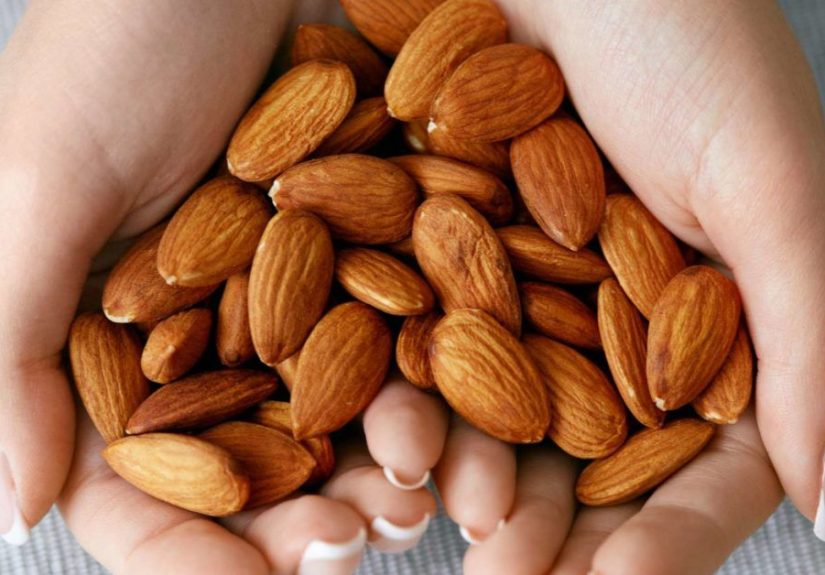
Trail mix can be a nutritious high-protein snack when it is built wisely. Start with almonds, pistachios, walnuts, pumpkin seeds, sunflower seeds, or peanuts. Add a small amount of dried fruit for sweetness, and skip candy-heavy mixes for everyday snacking. Nuts and seeds provide protein, healthy fats, magnesium, vitamin E, and satisfying crunch.
Portion trail mix into small containers instead of eating from the bag. The bag has no brakes. None. It is basically a snack treadmill.
11. Protein smoothie made with real food
A protein smoothie can be healthy if it is not secretly a milkshake wearing athletic shoes. Use Greek yogurt, kefir, milk, fortified soy milk, silken tofu, or a modest amount of protein powder as the protein base. Add fruit, spinach, oats, chia seeds, or nut butter. Keep added sweeteners light, especially if the fruit already brings natural sweetness.
Try this blend: plain Greek yogurt, frozen berries, spinach, milk or fortified soy milk, and chia seeds. It is colorful, filling, and does not require chewing when your morning brain is still buffering.
12. Tofu bites
Tofu is a flexible plant-based protein that can be savory, spicy, crispy, or creamy depending on how you prepare it. Bake or air-fry tofu cubes with soy sauce, garlic, ginger, or chili flakes. Eat them cold or warm with vegetables, rice cakes, or a small dipping sauce. Tofu is especially helpful for vegetarian and vegan snack planning because it can fit into many flavors.
Silken tofu can also be blended into smoothies, dips, and puddings. It quietly adds protein without announcing itself like a brass band.
13. Bean salad cups
Beans, peas, and lentils are excellent snack ingredients because they provide both protein and fiber. Make a simple bean salad with black beans, chickpeas, lentils, corn, chopped bell pepper, tomato, lemon juice, olive oil, and herbs. Store it in small containers for grab-and-go snacking.
This snack is budget-friendly, colorful, and filling. It also proves that “healthy snack” does not have to mean “tiny snack that leaves you staring into the fridge ten minutes later.”
14. Cheese with whole-grain crackers
Cheese can be part of a healthy high-protein snack, especially when paired with fiber-rich foods. Choose moderate portions and pair cheese with whole-grain crackers, fruit, or vegetables. Lower-fat options may be useful for some people, while others may prefer a smaller portion of regular cheese. Either way, balance matters.
A simple snack plate with cheese, grapes, carrots, and whole-grain crackers feels pleasantly organized, like you are the kind of person who owns matching storage containers.
15. Kefir or fortified soy milk
Kefir is a fermented dairy drink that provides protein, calcium, and probiotics. Fortified soy milk is a strong plant-based option because it usually contains more protein than many other plant milks. Choose unsweetened versions when possible. Drink them alone or use them as the base for smoothies, overnight oats, or chia pudding.
This is a smart option when you want something quick but do not want to wrestle with a fork, spoon, cutting board, or your life choices.
Best high-protein snacks by goal
For busy mornings
Choose snacks that require almost no thinking: Greek yogurt, cottage cheese cups, boiled eggs, kefir, nut butter toast, or a smoothie. Morning snacks should be simple because nobody needs a complicated recipe while trying to locate keys, shoes, and emotional stability.
For school or work
Pack portable options such as roasted chickpeas, trail mix, tuna packets, turkey roll-ups, cheese sticks, edamame, hummus cups, or protein-rich snack boxes. Include an ice pack for perishable foods. A balanced snack can help you avoid the vending machine’s greatest hits: neon chips, mystery pastries, and candy that tastes like a tax deadline.
For post-workout recovery
After exercise, protein helps repair and build muscle, while carbohydrates help refill energy stores. Good post-workout snacks include Greek yogurt with fruit, a smoothie with milk and berries, eggs with whole-grain toast, cottage cheese with pineapple, or hummus with pita and vegetables. You do not need to turn every workout into a protein emergency, but a balanced snack can be useful when your next meal is hours away.
For plant-based eating
Great plant-based high-protein snacks include edamame, tofu bites, roasted chickpeas, hummus, lentil salad, peanut butter with fruit, nuts, seeds, fortified soy milk, and chia pudding made with soy milk. Combine different plant proteins throughout the day to support a balanced intake of essential amino acids.
How to build a better high-protein snack plate
Use this simple formula: protein plus fiber plus flavor. Start with a protein food, add a fruit, vegetable, whole grain, or bean-based side, then bring in flavor with spices, herbs, citrus, salsa, cinnamon, or a small amount of sauce.
Here are quick combinations:
- Greek yogurt + berries + chia seeds
- Boiled eggs + apple slices + whole-grain crackers
- Hummus + bell peppers + roasted chickpeas
- Cottage cheese + tomatoes + black pepper
- Edamame + orange slices
- Tuna packet + cucumber rounds + whole-grain crackers
- Peanut butter + banana + whole-grain toast
- Tofu bites + carrots + sesame ginger dip
The goal is not perfection. The goal is a snack that tastes good, provides protein, and does not leave you hungry 14 minutes later.
High-protein snacks to limit or choose carefully
Some snacks are marketed as healthy but deserve a closer look. Protein bars can be useful, but some contain lots of added sugar or sugar alcohols that may bother digestion. Jerky can be high in protein, but many versions are salty or processed. Flavored yogurts can contain more added sugar than expected. Protein shakes can help in a pinch, but they should not replace most whole foods.
When choosing packaged snacks, compare labels. Look for protein, fiber, added sugar, sodium, saturated fat, and serving size. A snack can be convenient and healthy, but the front of the package is basically advertising. The back of the package is where the truth tends to sit quietly.
Common mistakes people make with high-protein snacks
Mistake 1: Thinking more protein is always better
Protein matters, but more is not automatically better. A healthy eating pattern includes vegetables, fruits, whole grains, healthy fats, and enough total energy. Eating protein while ignoring everything else is like building a house with only doors. Impressive? Maybe. Livable? Not really.
Mistake 2: Forgetting fiber
A turkey stick may provide protein, but pairing it with fruit, vegetables, or whole grains makes it more balanced. Fiber helps snacks feel more satisfying and supports digestive health. If your snack has protein but no plants, consider adding one.
Mistake 3: Drinking all your protein
Smoothies and shakes are convenient, but chewing food often feels more satisfying. Use drinks when they fit your routine, not as your only snack strategy. Whole foods usually provide more texture, variety, and nutrients.
Mistake 4: Ignoring sodium
Meat sticks, jerky, deli meats, cheese, canned fish, and packaged snacks can be sodium-heavy. Choose lower-sodium versions when available and balance salty snacks with fresh foods like fruit and vegetables.
My practical experience with healthy high-protein snacks
The biggest lesson from real-life snacking is that the healthiest high-protein snack is the one you will actually eat before hunger turns you into a refrigerator detective. Planning matters, but it should feel realistic. Nobody wants a snack plan that requires tweezers, imported herbs, and the patience of a monk.
In everyday life, the best snacks tend to be boring in the best possible way. Greek yogurt works because it is fast. Boiled eggs work because they wait patiently in the fridge. Hummus works because vegetables suddenly become more interesting when there is dip involved. Trail mix works because it can live in a backpack or desk drawer without needing emotional support. Edamame works because it feels like a snack and an activity at the same time.
A useful habit is to create “snack zones.” Keep chilled options in the fridge, shelf-stable options in a pantry or bag, and emergency options at work or school. For example, a fridge snack zone might include Greek yogurt, cottage cheese, eggs, hummus, cut vegetables, and fruit. A pantry snack zone might include roasted chickpeas, tuna packets, whole-grain crackers, nuts, seeds, and nut butter. This system prevents the classic snack-time crisis where you open the fridge, stare deeply into it, and hope dinner assembles itself.
Another experience-based tip: pair textures. Creamy yogurt is better with crunchy nuts. Hummus is better with crisp peppers. Cottage cheese is brighter with juicy fruit or tomatoes. Tuna is better with crackers or cucumber. Texture makes healthy snacks feel less like nutrition homework and more like something you actually wanted.
Flavor also matters more than people admit. If healthy food tastes like cardboard wearing a fitness tracker, you will not keep eating it. Use seasonings. Add cinnamon to yogurt, chili flakes to edamame, lemon to tuna, smoked paprika to chickpeas, black pepper to cottage cheese, and salsa to eggs. Small flavor upgrades can turn a plain snack into a repeatable habit.
Portioning is another practical trick. Nuts, seeds, cheese, and nut butter are nutritious, but they are also easy to overeat because they are dense and delicious. Pre-portioning them into small containers makes the snack easier to enjoy without accidentally turning “a handful of almonds” into “I appear to have eaten a small forest.”
For busy weeks, the easiest routine is a mini snack prep session. Boil eggs, wash fruit, cut vegetables, roast chickpeas, and portion trail mix. You do not need a color-coded spreadsheet or a motivational playlist, though both are allowed. Even 20 minutes of basic prep can make healthy high-protein snacks much easier to grab when life gets loud.
Finally, pay attention to how snacks make you feel. Some people feel great with dairy-based snacks; others prefer plant-based options. Some like bigger snacks between meals; others only need something small. Some need more protein after sports or workouts; others simply need a balanced afternoon bite. The healthiest snack is not chosen by internet applause. It is chosen by your body, your schedule, your taste buds, and your ability to keep it realistic.
Conclusion: so, what are the healthiest high-protein snacks?
The healthiest high-protein snacks are balanced, nutrient-rich, and practical. Plain Greek yogurt, cottage cheese, eggs, edamame, hummus, roasted chickpeas, tuna, salmon, tofu, nuts, seeds, kefir, fortified soy milk, and bean salads all deserve a place on the list. They provide protein while also offering nutrients like calcium, fiber, healthy fats, vitamins, and minerals.
For the best results, build snacks around whole foods most of the time. Pair protein with fiber, keep added sugar and sodium in check, and choose flavors you genuinely enjoy. Healthy snacking should not feel like punishment. It should feel like giving your future self a small but meaningful giftpreferably one that does not come from a vending machine with flickering lights.
Note: This article is for general educational purposes and is not a personalized medical or nutrition plan. People with kidney disease, food allergies, eating concerns, medical conditions, or special nutrition needs should speak with a qualified healthcare professional or registered dietitian.