Table of Contents >> Show >> Hide
- What Is Allspice, Exactly?
- What Does Allspice Taste Like?
- Whole Allspice Berries vs. Ground Allspice
- How to Cook With Allspice (Without Overdoing It)
- Flavor Pairings That Make Allspice Sing
- Specific, Delicious Ways to Use Allspice
- How Much Allspice Should You Use?
- Substitutions: What If You Don’t Have Allspice?
- Buying and Storing Allspice Like You Mean It
- Allspice Mistakes (So You Can Skip Them)
- Allspice Experiences: Kitchen Wins, Oops, and “Aha!” Moments
- Conclusion
Allspice is the culinary equivalent of a “one-person band.” It can taste like cinnamon, cloves, and nutmeg all at
onceyet it’s not a blend, not a mix, and definitely not the spice cabinet’s version of a group project. It’s a
single ingredient: the dried, unripe berry of Pimenta dioica, an evergreen tree native to the Caribbean and
parts of Central America. The berries look a lot like peppercorns, which helps explain why people keep trying to
put them in pepper grinders (more on that tragedy later).
In this guide, you’ll learn what allspice actually is, how it tastes, when to use whole berries vs. ground, and how
to make it shine in everything from jerk chicken to apple piewithout turning your dinner into a holiday candle.
What Is Allspice, Exactly?
Despite the name, allspice isn’t “all spices.” It’s one spicemade from berries harvested while still green, then
dried until they turn brown and intensely fragrant. Once dried, the berries develop that signature warm aroma that
reads like a greatest-hits album of cozy baking spices.
You might also see it called pimento (especially in Caribbean contexts) or “Jamaica pepper.” That can
get confusing, because “pimento” in the U.S. can also mean the red pepper in pimento cheese. Welcome to food
vocabulary: where one word can mean a berry, a pepper, or a cheese-adjacent lifestyle.
Where Allspice Comes From
Allspice is closely associated with Jamaican cooking (especially jerk), but it’s used far beyond the Caribbean. You’ll
find it in North American baking, Middle Eastern savory dishes, pickling blends, and even beverages like mulled cider.
It’s one of those ingredients that quietly shows up everywhere once you start looking for it.
What Does Allspice Taste Like?
Allspice is warm, sweet, peppery, and slightly woody. The most common flavor description is “like cinnamon, cloves,
and nutmeg combined,” and that’s genuinely helpfulbecause it captures both the sweetness and the bite.
One reason it feels “clove-like” is that it shares aroma chemistry with cloves (notably compounds such as eugenol),
which contributes a bold, spicy warmth. Translation: a little goes a long way, especially in ground form.
Allspice vs. Pumpkin Pie Spice vs. Mixed Spice
- Allspice = one ingredient (a dried berry), sold whole or ground.
-
Pumpkin pie spice = a blend that often includes cinnamon, ginger, nutmeg, cloves, and sometimes
allspice. -
Mixed spice (more common in UK-style baking) = a blend that may include allspice plus other spices.
It’s not a direct swap for pure allspice.
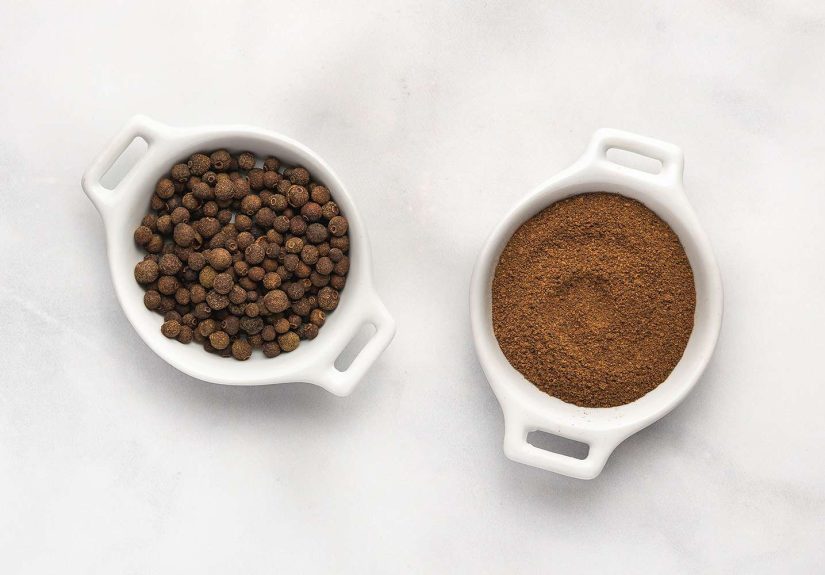
Whole Allspice Berries vs. Ground Allspice
Choosing whole vs. ground is less about “which is better” and more about what kind of flavor you want.
When to Use Whole Allspice Berries
Whole berries are fantastic when you want gentle, simmered infusionthink bay leaf energy, but rounder and sweeter.
- Pickling and brining: add a few berries to pickle jars or brines for a warm backbone.
- Soups, stews, and braises: toss in whole berries early, then fish them out later (or use a spice bag).
- Mulled drinks: mulled cider and wine love whole allspice because it perfumes without overpowering.
When to Use Ground Allspice
Ground allspice is the “immediate impact” versionexcellent for rubs, batters, doughs, and spice blends where you want
even distribution.
- Spice rubs: especially for pork, chicken, and barbecue-style seasoning.
- Baking: cookies, spice cakes, quick breads, muffins, pie fillingshello, cozy.
- Sauces and gravies: a pinch can deepen tomato sauce or pan gravy in a surprisingly elegant way.
Pro Tip: Buy Whole, Grind Small
Like most spices, allspice is at its best when it’s fresh. Whole berries keep their punch longer than ground, and
grinding a small amount as needed can give you brighter flavor. A mortar and pestle works, as does a spice grinder
(a dedicated one is nice; coffee-flavored allspice is… a vibe, but not everyone wants it).
How to Cook With Allspice (Without Overdoing It)
Allspice’s superpower is depth. Its kryptonite is enthusiasm. If you go heavy-handed, dishes can start tasting like
you’re eating potpourri in self-defense. Here’s how to use it with confidence.
1) Bloom It for Savory Dishes
In stews, curries, or braises, add a pinch of ground allspice to warm fat (oil or butter) for 20–30 seconds before adding
liquids. This “blooms” the spice, pulling out aroma and helping it taste integrated rather than dusty.
2) Toast Whole Berries for a Deeper Aroma
Quickly toast whole allspice berries in a dry skillet until fragrant (usually a minute or two). Then add them to broths,
brines, or braises. It’s a small move that makes your kitchen smell like you know what you’re doing.
3) Use a Spice Bag for Easy Removal
Simmering whole berries loose in a pot is fineuntil someone bites one and gets a surprise mouthful of concentrated
allspice. Put whole berries in cheesecloth or a tea infuser. Flavor goes in; berries stay contained; peace is restored.
Flavor Pairings That Make Allspice Sing
Allspice plays well with both sweet and savory ingredients. Think of it as “warm and round,” and pair accordingly.
Sweet Pairings
- Apples, pears, pumpkin, sweet potato (fall’s greatest hits)
- Vanilla, brown sugar, maple
- Citrus zest (especially orange)
- Chocolate (a tiny pinch can be dramatic in a good way)
Savory Pairings
- Pork, chicken, lamb, beef (especially slow-cooked)
- Tomato (adds warmth to sauces)
- Onion, garlic, thyme
- Chiles (hello, jerk)
- Brines and vinegar (pickling spice territory)
Specific, Delicious Ways to Use Allspice
Jamaican Jerk (The Headliner)
If allspice had a signature song, it would be jerk seasoning. Jerk leans on allspice’s warm bite alongside thyme,
chiles (often Scotch bonnet), and aromatics. You’ll see allspice in jerk marinades, rubs, and even in the smoking
tradition using pimento wood in Jamaica. At home, you can recreate the flavor with ground allspice in the rub and a
slow cook (grill or oven) for that deep, spicy-sweet complexity.
Easy home approach: mix ground allspice with thyme, garlic, scallion, brown sugar, salt, black pepper,
and a chile. Rub on chicken thighs, rest overnight, then roast or grill. Serve with rice and beans and pretend you’re
not going back for seconds (you are).
Allspice in Barbecue and Meat Rubs
Allspice is a natural fit for pork shoulder, ribs, and anything that loves a sweet-smoky rub. Combine it with paprika,
brown sugar, garlic powder, black pepper, and a touch of cayenne. Use it like you’d use cinnamon in chili: not enough
to identify immediately, but enough to make people ask, “Wait… what is that?”
Allspice in Stews, Chili, and Braises
Add whole berries early in long-simmering dishes (beef stew, bean soup, braised short ribs). Or add a small pinch of
ground allspice near the beginning for a slow-building warmth. It’s especially good when the dish includes tomatoes,
onions, and something rich (like beef or lamb).
Pickling and Brining
Whole allspice berries are classic in pickling spice blends. A few berries bring gentle warmth to pickles, pickled
onions, and brines for chicken or pork. If you’ve ever tasted a pickle and thought, “This is weirdly holiday-adjacent,”
allspice may be the friendly culprit.
Mulled Cider, Wine, and Cozy Drinks
Whole allspice is perfect for infusing hot beverages. Combine berries with cinnamon sticks, citrus peel, and cloves.
Simmer gently (don’t boil aggressively; you’re making a drink, not stripping paint). Strain and serve.
Baking: Cookies, Cakes, Quick Breads, and Pies
Allspice is a quiet MVP in baking. It supports cinnamon without competing, adds depth to gingerbread, and gives pumpkin
and apple desserts a fuller, more aromatic finish. It’s also commonly included in spice blends used for seasonal
bakingjust remember that straight allspice is more concentrated than many blends.
Try it in: pumpkin pie filling, banana bread, spice cake, carrot cake, and shortbread-style cookies.
A pinch can also make whipped cream taste like it went to finishing school.
How Much Allspice Should You Use?
If you’re new to allspice, start small. In most recipes, ¼ to ½ teaspoon of ground allspice is plenty
for a batch serving 4–6 people, or for a standard loaf/cookie dough. For whole berries, think in “bay leaf logic”:
3–6 berries in a pot of soup or brine, then adjust next time.
The goal is “warm complexity,” not “I accidentally baked a candle.”
Substitutions: What If You Don’t Have Allspice?
Nothing substitutes perfectly for allspice because part of its charm is that it’s one unified flavor. But if you’re in
a pinch, you can approximate the profile with a blend:
- Simple substitute: mix cinnamon + cloves + nutmeg.
- Common ratio: 2 parts cinnamon to 1 part cloves and 1 part nutmeg (then use as you would allspice).
This gets you into the right neighborhood, though it won’t have allspice’s rounded “single berry” balance. If your recipe
calls for whole berries, whole cloves are often a better stand-in than a ground blend.
Buying and Storing Allspice Like You Mean It
What to Look For
- Whole berries: should be fairly uniform, deep brown, and strongly aromatic when crushed.
- Ground allspice: should smell warm and livelynot faint, dusty, or vaguely like cardboard.
How to Store It
Heat, light, air, and moisture are the four horsemen of bland spices. Store allspice in an airtight container in a cool,
dark spot (not above the stove, not in direct sun, and not next to your “I cook with steam” zone).
As a general rule, ground spices stay at their best for a shorter window than whole spices. If your allspice no longer
smells like anything when you open the jar, it’s not “bad,” but it is functionally unemployed.
Allspice Mistakes (So You Can Skip Them)
1) Treating It Like a Blend
The name tricks people into thinking it’s a mix. It’s not. Use it like a single spice with a strong personality.
2) Dumping It In Like Cinnamon
Cinnamon is often forgiving. Allspice is not. Start with less than you think you need; you can always add more.
3) Grinding It in a Pepper Grinder
Some spice pros warn that allspice berries can be tough on grinders (and pepper grinders are not always thrilled about
it). If you want freshly ground allspice, use a spice grinder or mortar and pestleand save the pepper grinder for its
lifelong job of being peppery.
Allspice Experiences: Kitchen Wins, Oops, and “Aha!” Moments
Let’s talk about the real-life side of allspicethose moments that don’t show up in tidy recipe cards, but absolutely
happen in real kitchens. Consider this a mini field guide to the “Ohhh, that’s what allspice does” phase.
The First Sniff Test: The most common allspice experience starts at the spice rack. You open the jar,
expecting “generic spice smell,” and instead get a warm punch that’s half bakery, half winter holiday. The immediate
thought is usually, “Waitthis is one thing?” That’s the allspice magic: it’s naturally layered, so your brain keeps
trying to reverse-engineer it into multiple ingredients. It’s also why allspice can elevate simple foodbecause it
creates the illusion of complexity without you buying three extra jars.
The Great Overconfidence Incident: Many cooks learn the “little goes a long way” rule the hard way.
The classic scenario: you’re making chili, stew, or a spice cake and decide to “round things out” with allspice. You
measure. Then you measure again, because you’re feeling brave. When the dish tastes oddly like festive air freshener,
you discover that allspice isn’t shyit’s just polite until you invite it to take the mic for a solo. The fix is almost
always dilution: add more of the base ingredients (tomatoes, broth, beans) and let time mellow it. The lesson sticks.
The Pickling Glow-Up: A surprisingly joyful allspice moment happens when you toss a few whole berries
into quick pickles or a brine. Everything tastes more “finished,” even if the only other seasonings are peppercorns,
garlic, and a pinch of sugar. Allspice adds a soft warmth that doesn’t read as sweet or spicyit reads as “someone’s
grandma definitely knew what she was doing.” Once you taste it in pickling, you start noticing it in store-bought
pickles and brined foods too.
The Jerk Awakening: Allspice is essential to that unmistakable jerk profile. If you’ve ever tried making
jerk-flavored chicken without allspice and wondered why it tasted like “spicy grilled chicken but not jerk,” this is
your missing puzzle piece. When you add it back inespecially with thyme and chilesthe flavor snaps into focus. It’s
like switching from standard definition to HD: same scene, suddenly sharper, deeper, and more real.
The “I Put It in Dessert and Now I’m a Genius” Moment: The easiest win is adding a tiny pinch to apple
pie filling, banana bread, or cookies. People may not identify it, but they’ll notice the effect: the dessert tastes
warmer, more aromatic, and somehow “older” in a nostalgic way (in the best sense). Allspice doesn’t replace cinnamonit
makes cinnamon sound like it brought backup singers.
The Freshness Reality Check: Eventually, you meet the sad jar of allspice that smells like… nothing.
That’s when you learn the practical truth: spices are ingredients, not décor. Fresh allspice should smell vivid. If it
doesn’t, it’s time to replace it or switch to whole berries and grind as needed. The funny part is that once you’ve
cooked with fresh allspice, you’ll never accept “mystery dust” again.
Conclusion
Allspice is a single-berry spice with a surprisingly wide résumé: jerk seasoning hero, baking sidekick, pickling
powerhouse, and stew-seasoning secret weapon. Use whole berries when you want slow infusion, use ground when you want
even distribution, and start with a light handbecause allspice brings big “warm and aromatic” energy fast.
Once you get comfortable with it, allspice becomes one of those pantry staples that quietly makes your food taste more
intentional. Not complicated. Not fussy. Just smarter. And honestly, that’s the best kind of cooking.