Table of Contents >> Show >> Hide
- What Is Hydroxychloroquine?
- How Does Hydroxychloroquine Work?
- Is Hydroxychloroquine a Fast-Acting Medication?
- Does Medicare Cover Hydroxychloroquine?
- How Much Does Hydroxychloroquine Cost With Medicare?
- How To Check Whether Your Medicare Plan Covers Hydroxychloroquine
- What If Your Plan Does Not Cover Hydroxychloroquine?
- Does Medicare Cover Hydroxychloroquine for COVID-19?
- Side Effects and Safety Considerations
- Questions To Ask Your Doctor or Pharmacist
- Tips for Lowering Your Hydroxychloroquine Cost With Medicare
- Real-World Experiences: What People Often Notice When Medicare and Hydroxychloroquine Meet
- Conclusion
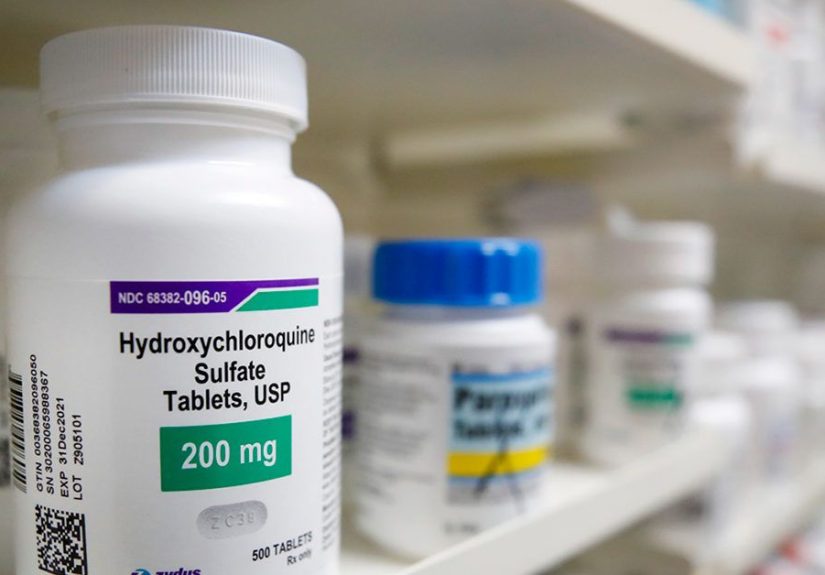
Hydroxychloroquine is one of those medications with a name that looks like it should come with a pronunciation guide, a chemistry degree, and maybe a small drumroll. But despite the tongue-twister spelling, hydroxychloroquine is a well-established prescription drug used for very real, very common medical needsespecially autoimmune conditions such as lupus and rheumatoid arthritis, and in some cases, malaria prevention or treatment.
For people with Medicare, the big question is practical: Does Medicare cover hydroxychloroquine? In many cases, yes. Hydroxychloroquine is commonly covered by Medicare Part D prescription drug plans and Medicare Advantage plans that include drug coverage. However, your exact cost depends on your plan’s formulary, the pharmacy you use, whether you take the generic or brand-name version, and whether your plan has rules such as prior authorization or quantity limits.
This guide explains what hydroxychloroquine is, why doctors prescribe it, how Medicare coverage usually works, what costs to watch for, and how to avoid the classic pharmacy-counter surprise: “That will be how much?”
What Is Hydroxychloroquine?
Hydroxychloroquine is a prescription medication that belongs to a class of drugs known as antimalarials. It was originally developed to help prevent and treat malaria, a disease caused by parasites transmitted through mosquito bites. Over time, doctors also found that hydroxychloroquine can help calm overactive immune-system activity, which made it useful for certain autoimmune diseases.
The drug is available as a generic medication and under the brand name Plaquenil. Generic hydroxychloroquine is widely used because it usually costs less than the brand-name version and is often included on Medicare Part D formularies.
Common approved uses
Hydroxychloroquine may be prescribed for:
- Rheumatoid arthritis, an autoimmune disease that causes joint pain, swelling, stiffness, and inflammation.
- Systemic lupus erythematosus, often called lupus, which can affect the skin, joints, kidneys, blood cells, brain, heart, and lungs.
- Discoid lupus erythematosus, a form of lupus that mainly affects the skin.
- Malaria prevention or treatment, depending on the type of malaria parasite and resistance patterns in the travel region.
Doctors may also consider hydroxychloroquine in selected off-label situations, but coverage and medical appropriateness can vary. For Medicare beneficiaries, the safest assumption is this: coverage is strongest when the drug is prescribed for a medically accepted use and appears on your plan’s drug list.
How Does Hydroxychloroquine Work?
Hydroxychloroquine works differently depending on the condition being treated. For malaria, it interferes with the parasite’s ability to survive inside red blood cells. For autoimmune diseases, the story is more nuanced. The medication appears to affect immune signaling and inflammation, helping reduce the immune system’s tendency to attack healthy tissue.
In rheumatoid arthritis, hydroxychloroquine is considered a disease-modifying antirheumatic drug, or DMARD. That means it is not just a “cover up the pain and hope for the best” medication. It may help reduce inflammation over time and can be part of a long-term treatment plan.
In lupus, hydroxychloroquine is often used as a foundation medication because it may help reduce flares, joint symptoms, skin symptoms, fatigue, and inflammation. Many people with lupus take it for long periods under medical supervision.
Is Hydroxychloroquine a Fast-Acting Medication?
Hydroxychloroquine is not usually a same-day miracle pill. For autoimmune conditions, it may take weeks or even a few months before a person notices its full benefit. That can be frustrating, especially when joints are sore or fatigue is barging into your life like an uninvited guest.
Because the medication works gradually, doctors often explain that consistency matters. Stopping it too soon may prevent patients from seeing whether it truly helps. On the other hand, no one should start, stop, or change hydroxychloroquine without guidance from a healthcare professional. This is not the kind of medication to freestyle with.
Does Medicare Cover Hydroxychloroquine?
In many cases, Medicare does cover hydroxychloroquine through prescription drug coverage. The most common route is Medicare Part D, which helps pay for outpatient prescription drugs. If you have Original Medicare, you usually need a separate Part D plan to get prescription drug coverage. If you have Medicare Advantage, your plan may include drug coverage, often called an MA-PD plan.
Hydroxychloroquine is an oral tablet that people typically take at home, so it generally falls under Medicare Part D rather than Medicare Part B. Part B usually covers drugs that are given in a doctor’s office or hospital outpatient setting, such as certain injections or infusions. Since hydroxychloroquine is normally self-administered, Part D is the key coverage category.
Medicare Part D coverage
Every Medicare Part D plan has a formulary, which is the plan’s list of covered drugs. Formularies are not identical. One plan may put generic hydroxychloroquine on a low-cost tier, while another may place it on a different tier or apply certain rules. This is why two neighbors can take the same medication and pay very different amounts. Medicare is many things, but simple is not always one of them.
When hydroxychloroquine is covered, your cost may depend on:
- Your plan’s monthly premium
- Your annual deductible
- The drug’s tier on your plan formulary
- Whether you use a preferred in-network pharmacy
- Whether your prescription is for generic hydroxychloroquine or brand-name Plaquenil
- Whether your plan requires prior authorization, step therapy, or quantity limits
Medicare Advantage coverage
Many Medicare Advantage plans include prescription drug coverage. If yours does, hydroxychloroquine may be covered under that plan’s drug benefit. The same basic rules apply: check the formulary, compare pharmacy options, and confirm your expected copay or coinsurance before filling the prescription.
Does Medigap cover hydroxychloroquine?
Medigap, also called Medicare Supplement Insurance, helps pay some out-of-pocket costs under Original Medicare, such as certain deductibles and coinsurance. However, modern Medigap plans do not cover outpatient prescription drugs. If you have Original Medicare plus Medigap, you typically still need a separate Part D plan for medications like hydroxychloroquine.
How Much Does Hydroxychloroquine Cost With Medicare?
The cost of hydroxychloroquine with Medicare can range from very affordable to more expensive depending on your plan design. Generic hydroxychloroquine is often less costly than brand-name Plaquenil, but “often” is not the same as “always.” Your plan’s negotiated price and pharmacy network matter.
In 2026, Medicare Part D has an annual out-of-pocket cap for covered prescription drugs. Once a person with Part D reaches that cap, they pay nothing for covered Part D medications for the rest of the calendar year. This protection is especially helpful for people who take multiple medications or expensive drugs, though hydroxychloroquine itself is commonly available as a lower-cost generic.
Some plans also have an annual deductible. If your plan has a deductible, you may pay the full negotiated cost of the drug until the deductible is met, unless the plan exempts certain lower-tier medications from the deductible. After that, you usually pay a copay or coinsurance amount.
How To Check Whether Your Medicare Plan Covers Hydroxychloroquine
The easiest way to avoid confusion is to check before you fill the prescription. Here is a practical step-by-step approach:
- Find your exact drug name. Search for “hydroxychloroquine sulfate” rather than only “Plaquenil,” unless your doctor specifically prescribed the brand.
- Check the dosage and quantity. Formularies may list coverage differently based on tablet strength or monthly quantity.
- Look at your plan formulary. Your plan’s drug list should show whether hydroxychloroquine is covered and what tier it is on.
- Compare pharmacies. Preferred pharmacies may offer lower copays than standard in-network pharmacies.
- Ask about restrictions. Look for prior authorization, quantity limits, or step therapy requirements.
- Call the plan if anything is unclear. A five-minute call can save a very dramatic pharmacy receipt.
You can also use the Medicare Plan Finder during open enrollment to compare plans based on your actual prescriptions. This is especially useful if you take hydroxychloroquine along with other long-term medications.
What If Your Plan Does Not Cover Hydroxychloroquine?
If your Medicare plan does not cover hydroxychloroquine, or if the cost is higher than expected, you still have options. First, ask the pharmacist whether the claim was processed correctly and whether a different in-network or preferred pharmacy would reduce the cost. Sometimes the issue is not the medication itself but the pharmacy arrangement.
Next, ask your prescriber whether the plan requires prior authorization. If so, your doctor may need to submit documentation showing why the medication is medically necessary. This is common with many drugs and does not automatically mean the plan will deny coverage.
If the drug is not on the formulary, you may be able to request a formulary exception. In this process, your prescriber explains why the plan should cover the drug for your medical situation. If the plan denies the request, you may have appeal rights.
People with limited income and resources may also qualify for Extra Help, a Medicare program that lowers Part D premiums, deductibles, and drug costs. This can make a major difference for people taking ongoing prescriptions.
Does Medicare Cover Hydroxychloroquine for COVID-19?
Hydroxychloroquine became widely discussed during the COVID-19 pandemic, but it is not recommended as a COVID-19 treatment or prevention medication. The FDA revoked its emergency authorization for hydroxychloroquine and chloroquine for COVID-19 in 2020 after reviewing safety and effectiveness data. Major medical organizations do not recommend it for COVID-19 outside appropriate research settings.
From a Medicare coverage perspective, this matters because Part D plans generally cover drugs when they are prescribed for approved or medically accepted uses. If hydroxychloroquine is prescribed for a use that is not medically accepted, coverage may be denied. Anyone with questions about COVID-19 treatment should speak with a licensed healthcare professional rather than relying on old headlines, social media posts, or a cousin’s friend who “read something interesting.”
Side Effects and Safety Considerations
Hydroxychloroquine is widely used, but like all medications, it can cause side effects. Many side effects are mild, especially when the medication is taken as directed, but some require prompt medical attention.
Common side effects
Commonly reported side effects may include nausea, diarrhea, stomach discomfort, headache, reduced appetite, dizziness, or changes in hair or skin pigmentation. Some people find stomach-related symptoms improve when the medication is taken with food, but patients should follow their prescriber’s instructions.
Eye-related risks
One of the best-known long-term risks of hydroxychloroquine is retinal toxicity, which can affect vision. This risk is generally low at recommended doses, but it increases with long-term use, higher dosing, kidney disease, certain eye conditions, and some medication combinations. People taking hydroxychloroquine long term are commonly advised to have eye monitoring, including a baseline exam and follow-up screening based on risk factors and duration of use.
The important point is not to panic; it is to monitor. Eye screening is like a smoke detector for your visionnot exciting, not glamorous, but very much worth having.
Heart and drug-interaction risks
Hydroxychloroquine can affect heart rhythm in some people, especially when combined with other medications that also affect the QT interval. People with heart disease, kidney problems, liver problems, or complex medication lists should make sure every prescriber and pharmacist knows what they are taking.
Never take hydroxychloroquine that was prescribed for someone else. Sharing prescription medication is unsafe, illegal in many contexts, and a terrific way to turn a manageable situation into a medical mess.
Questions To Ask Your Doctor or Pharmacist
If hydroxychloroquine is new to you, bring a short list of questions to your next appointment. Good questions include:
- Why is hydroxychloroquine recommended for my condition?
- How long might it take before I notice improvement?
- What side effects should I report right away?
- Do I need an eye exam before or during treatment?
- Could hydroxychloroquine interact with my other medications?
- Should I use generic hydroxychloroquine or brand-name Plaquenil?
- What should I do if my Medicare plan requires prior authorization?
These questions help turn a prescription from a mystery into a plan. And in healthcare, “having a plan” is much better than “staring at a pill bottle like it contains ancient runes.”
Tips for Lowering Your Hydroxychloroquine Cost With Medicare
Even when Medicare covers hydroxychloroquine, it is smart to compare costs. Start by asking whether the generic version is appropriate. Generic hydroxychloroquine contains the same active ingredient as the brand-name drug and is commonly less expensive.
Next, check whether your plan has preferred pharmacies. A drug may cost less at one pharmacy than another, even under the same Medicare plan. Mail-order pharmacies may also be an option for stable long-term prescriptions, depending on your plan and your doctor’s instructions.
During Medicare Open Enrollment, review your plan even if you are happy with it. Formularies, premiums, deductibles, pharmacy networks, and copays can change each year. A plan that worked beautifully last year may not be the best fit this year. Medicare plans are like cable packages: they change quietly, and suddenly you are paying more for something you thought you already understood.
Real-World Experiences: What People Often Notice When Medicare and Hydroxychloroquine Meet
For many Medicare beneficiaries, the hydroxychloroquine experience is not dramatic. A doctor prescribes it, the Part D plan covers the generic, and the pharmacy fills it with a manageable copay. That is the ideal version: no plot twist, no villain music, no surprise bill. But real life can be a little more textured.
One common experience is the “new plan, new rules” moment. A person may take hydroxychloroquine for lupus or rheumatoid arthritis for years with no issue. Then January arrives, the plan resets, and the pharmacy says the medication now costs more or needs extra approval. The medication did not change. The diagnosis did not change. The plan rules did. This is why annual Medicare plan review matters, especially for people who take maintenance medications.
Another common situation involves pharmacy differences. Someone may assume all in-network pharmacies charge the same amount, only to discover that a preferred pharmacy has a lower copay. This can feel ridiculous, because the tablet is the same size, shape, and color. But Medicare drug pricing depends heavily on contracts between plans and pharmacies. A quick comparison can sometimes lower monthly costs without changing the medication at all.
Patients also often learn that hydroxychloroquine is a patience medication. With autoimmune conditions, improvement may be gradual. A person may not feel better after the first week and wonder whether the drug is doing anything. Doctors usually explain that it can take time for the anti-inflammatory benefits to build. Keeping follow-up appointments helps determine whether the medication is working and whether the treatment plan needs adjustment.
Eye exams are another part of the real-world routine. At first, some patients are surprised that a medication for joints or lupus involves an eye doctor. But once they understand the rare risk of retinal toxicity, the logic becomes clear. Eye monitoring is not meant to scare people away from treatment. It is meant to catch problems early, when decisions can be made before serious vision loss develops.
Caregivers may also play a role. For older adults managing several prescriptions, a spouse, adult child, or trusted helper may assist with checking formularies, comparing pharmacies, tracking refill dates, and asking the doctor about prior authorization. This kind of support can reduce stress, especially when Medicare paperwork starts speaking fluent bureaucracy.
The best overall experience usually comes from a three-person team: the prescriber, the pharmacist, and the patient. The prescriber explains why hydroxychloroquine is needed. The pharmacist checks interactions and coverage details. The patient reports symptoms, follows monitoring recommendations, and asks questions when something seems off. When those three work together, hydroxychloroquine coverage becomes much easier to manage.
Conclusion
Hydroxychloroquine is a long-used prescription medication best known for treating lupus, rheumatoid arthritis, and certain malaria-related uses. For Medicare beneficiaries, it is commonly covered through Medicare Part D or a Medicare Advantage plan with prescription drug coverage, especially when prescribed for a medically accepted condition.
Your actual cost depends on your plan’s formulary, deductible, tier placement, pharmacy network, and any coverage rules. The smartest move is to check your plan before filling the prescription, compare pharmacies, ask about generic options, and review your Medicare drug coverage every year.
Hydroxychloroquine can be helpful for many people, but it also requires responsible use, side-effect awareness, and sometimes eye monitoring. Used properly under medical supervision, it can be an important part of managing autoimmune diseaseand with the right Medicare coverage, it does not have to become a financial headache.
Note: This article is for educational purposes only and does not replace medical advice, diagnosis, treatment, or personalized Medicare counseling. Always speak with your doctor, pharmacist, Medicare plan, or a qualified Medicare counselor about your specific medication and coverage situation.