Table of Contents >> Show >> Hide
- What Is Lacto-Fermentation?
- How Lacto-Fermentation Works
- Lacto-Fermented vs. Pickled: Not the Same Thing
- Why People Love Lacto-Fermented Foods
- So, Does Lacto-Fermentation Have Health Benefits?
- What Lacto-Fermented Foods Cannot Do
- How to Choose Lacto-Fermented Foods at the Store
- Can You Make Lacto-Fermented Foods at Home?
- Who Should Be Careful?
- The Bottom Line
- Real-World Experiences With Lacto-Fermented Foods
- Conclusion
If you have ever taken a bite of tangy sauerkraut, puckered up at kimchi, or wondered why some pickles taste alive while others taste like vinegar wearing a cucumber costume, you have already met lacto-fermentation. It sounds a little science-lab-ish, maybe even dairy-adjacent, but lacto-fermentation is actually one of the oldest, simplest, and smartest ways humans have preserved food.
And yes, it is having a moment. Everywhere you look, fermented foods are being praised for “gut health,” “good bacteria,” and “microbiome support.” That all sounds impressive, but it also raises a fair question: what exactly is lacto-fermentation, and does it truly offer health benefits, or is this just another trendy jar in the refrigerated section?
The honest answer is pleasantly balanced. Lacto-fermentation is a real biological process with a long history, real culinary value, and some promising health advantages. But it is not magic cabbage. It will not instantly fix your digestion, erase inflammation, or transform your life by Tuesday. What it can do is preserve food, create bold flavor, and in some cases provide live microbes and beneficial byproducts that may support gut and overall health.
What Is Lacto-Fermentation?
Lacto-fermentation is a type of food fermentation in which beneficial bacteria, usually lactic acid bacteria, convert natural sugars in food into lactic acid. That acid does two important jobs: it creates the distinct tangy flavor people love in foods like sauerkraut and traditional pickles, and it lowers the pH enough to help preserve the food.
Despite the name, lacto-fermentation does not necessarily mean dairy. The “lacto” part refers to lactic acid, not lactose. That is why shredded cabbage, cucumbers, carrots, radishes, and other vegetables can all be lacto-fermented without a drop of milk anywhere in sight.
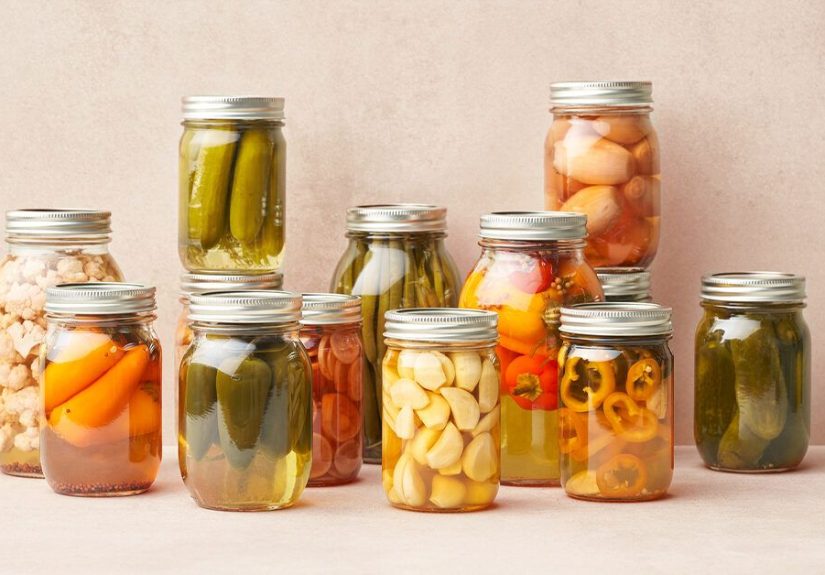
Classic lacto-fermented foods include:
- Sauerkraut
- Kimchi
- Traditional dill pickles fermented in brine
- Fermented carrots, turnips, and green beans
- Some yogurts and kefir, though dairy fermentation can involve additional cultures and methods
At its core, the process is a microbial takeover with excellent manners. Salt, time, and the right environment encourage beneficial bacteria to thrive while making life much harder for spoilage organisms and dangerous microbes.
How Lacto-Fermentation Works
The basic idea is simple. You place vegetables in a salty brine, or salt them enough to draw out their own liquid, then keep them submerged so oxygen exposure is limited. Naturally present bacteria begin feeding on the sugars in the food. As they do, they produce lactic acid and other compounds that change the flavor, aroma, and texture.
Over time, the vegetables become more acidic, more sour, and more shelf-stable. They also develop the deep, savory complexity that makes fermented foods taste more interesting than their fresh versions. Raw cabbage is crisp and mild. Sauerkraut is sharp, funky, and impossible to ignore at a sandwich counter.
Lacto-fermentation is one of those rare kitchen processes that feels both ancient and scientific. On one hand, people have been doing it for centuries without fancy equipment. On the other hand, the success of the process depends on very real food-safety principles: salt concentration, temperature, acidity, and keeping the food properly submerged.
Lacto-Fermented vs. Pickled: Not the Same Thing
This is where many shoppers get tricked by the jar.
Not every pickle is fermented. Some pickles are simply soaked in vinegar, which makes them acidic and flavorful but does not involve the same live microbial fermentation process. Those are still delicious, but they are technically pickled, not necessarily lacto-fermented.
If you are looking for potential probiotic benefits, the distinction matters. Shelf-stable vinegar pickles often do not contain live cultures. Many naturally fermented foods do, especially if they are sold refrigerated and labeled with terms like “live cultures,” “raw,” or “naturally fermented.” Even then, not every fermented food contains meaningful amounts of live microbes by the time you eat it. Some are heat-treated or pasteurized after fermentation, which can reduce or eliminate live organisms.
In other words, a pickle can be a probiotic hero, or it can just be a cucumber in a vinegar bath. Read the label like a detective.
Why People Love Lacto-Fermented Foods
1. They preserve food naturally
Before refrigerators and freezers took over the modern kitchen, fermentation helped people keep produce edible longer. Lactic acid creates a hostile environment for many harmful microbes, which is one reason fermentation has been used as a preservation technique across cultures for generations.
2. They taste fantastic
Flavor may be the most underrated benefit in the entire conversation. Fermentation adds sourness, depth, and a satisfying complexity that fresh vegetables simply do not have. A forkful of kimchi can wake up rice, eggs, grilled chicken, noodles, or a sad desk lunch that had given up on itself.
3. They may change the nutritional profile of food
Fermentation can alter food in useful ways. It may break down certain compounds, create new flavor molecules, and in some cases improve the availability of nutrients. Some fermented foods also contain metabolites and bioactive compounds produced during fermentation, which researchers are studying for possible health effects.
4. They may provide live microorganisms
Some lacto-fermented foods contain live bacteria that can act like probiotics, or at least contribute beneficial microbes to the diet. That said, “fermented” does not automatically equal “probiotic,” and the effects can vary widely depending on the food, the strains present, the serving size, and whether those microbes survive storage and digestion.
So, Does Lacto-Fermentation Have Health Benefits?
Potentially, yes. But the smartest answer is: it depends on the food, the person, and the claim.
Gut microbiome support
This is the headline benefit most often associated with fermented foods, and there is a reasonable scientific basis for it. Some fermented foods supply live microbes, and others contain fermentation-derived compounds that may influence the gut environment.
One of the most talked-about findings in this area came from a small clinical trial in healthy adults, where a diet high in fermented foods was associated with increased gut microbial diversity and lower levels of several inflammatory markers over time. That is encouraging, especially because the immune effects were measured rather than guessed. Still, it was a relatively small study, and researchers are still figuring out who benefits most, how much is needed, and which foods matter most.
Possible anti-inflammatory effects
The anti-inflammatory angle is promising, but it is still evolving. Some research suggests diets that include fermented foods may help reduce certain inflammatory signals, at least in some people. That does not mean fermented vegetables are a cure for inflammatory disease. It means the area is worth paying attention to, and the results are interesting enough that scientists keep studying it.
Digestive comfort for some people
Some people find fermented foods easier to digest than their unfermented counterparts. Fermentation can break down certain sugars and compounds, which may change how a food feels in the digestive system. Dairy ferments such as yogurt and kefir may also be easier for some people than straight milk because fermentation changes the carbohydrate profile and introduces helpful microbes.
That said, digestive reactions vary wildly. One person feels great after kimchi; another spends the afternoon wondering why they got ambitious with the spice level and the serving size. Tiny portions are your friend at first.
Better food variety
Sometimes the health benefit is not hidden in a microscopic mechanism. Sometimes it is simply that fermented foods help people eat more vegetables, more variety, and more flavorful meals at home. That is not glamorous, but it counts.
What Lacto-Fermented Foods Cannot Do
Fermented foods are useful, but they are not miracle workers.
- They do not guarantee a healthier microbiome overnight.
- They are not a substitute for fiber, sleep, exercise, or a generally balanced diet.
- They do not affect every person in the same way.
- They are not all equally rich in live microbes.
- They are not a replacement for medical treatment if you have digestive or inflammatory symptoms.
That last point matters. If you have ongoing GI issues, severe bloating, diarrhea, abdominal pain, or unexplained food reactions, talk to a clinician. A spoonful of sauerkraut is not the same as an evaluation.
How to Choose Lacto-Fermented Foods at the Store
If you want the traditional version with possible live cultures, here is what to look for:
- Check the refrigerated section first.
- Look for phrases like “naturally fermented” or “contains live cultures.”
- Read the ingredient list. If vinegar is doing all the work, it may be pickled rather than fermented.
- Choose products you will actually eat consistently. No health halo can save a jar that dies untouched in the back of the fridge.
Good beginner choices include sauerkraut, kimchi, plain yogurt with live cultures, kefir, and refrigerated fermented pickles. Start with small amounts and see how your body responds.
Can You Make Lacto-Fermented Foods at Home?
Yes, and many people do. But home fermentation is where enthusiasm should shake hands with caution.
Safe fermentation depends on following tested methods, using the right amount of salt, keeping food submerged, and paying attention to temperature and spoilage signs. This is not the place for “I eyeballed it” energy. Improperly fermented foods can be unsafe.
If you want to make your own sauerkraut or fermented pickles, stick to well-tested recipes from trusted food-safety sources. Use clean equipment, keep vegetables under the brine, avoid improvising with low-salt shortcuts, and discard batches that become slimy, soft in a bad way, or smell rotten rather than pleasantly sour.
Who Should Be Careful?
Fermented foods are safe for many people, but a few groups should be a little more thoughtful.
- People watching sodium intake: Many fermented vegetables are salty.
- People sensitive to histamine or certain fermented products: Some fermented foods can trigger symptoms in susceptible individuals.
- People with serious medical conditions or severely weakened immune systems: It is wise to ask a healthcare professional before making fermented foods a daily habit, especially unpasteurized products.
- Anyone trying homemade fermentation for the first time: Safety rules matter more than kitchen confidence.
The Bottom Line
Lacto-fermentation is the process by which beneficial bacteria transform sugars in food into lactic acid. The result is food that is tangy, preserved, and often more complex in flavor. Think sauerkraut, kimchi, and traditional brined pickles rather than shelf-stable vinegar dills pretending to be the same thing.
As for health benefits, the evidence is encouraging but not limitless. Some lacto-fermented foods may support the gut microbiome, provide live microbes, influence inflammation, and make certain foods easier to digest. But not all fermented foods contain live cultures, and not every claimed benefit is equally proven.
The best way to think about lacto-fermented foods is this: they are a flavorful, time-tested, potentially beneficial addition to a balanced diet. They deserve a spot on the plate, but not a crown, a cape, and a miracle soundtrack.
Real-World Experiences With Lacto-Fermented Foods
One of the most interesting things about lacto-fermented foods is that the experience of eating them is usually much more dramatic than the science headlines. Research talks about microbial diversity and inflammatory markers. Real life talks about opening a jar, smelling something gloriously funky, and deciding whether your lunch just got better or a little braver.
For many first-timers, sauerkraut or kimchi is a tiny side dish, not a giant serving. That is usually the smart move. The flavor is concentrated, the salt level can be noticeable, and your digestive system may appreciate a gentle introduction instead of a full “new me, new microbiome” performance. A tablespoon on a sandwich, a forkful next to eggs, or a spoonful with rice is often enough to get acquainted.
People who begin adding fermented foods to meals often notice the flavor before they notice anything else. Food becomes sharper, brighter, and more interesting. Plain grilled chicken stops being a punishment. Grain bowls suddenly have personality. Even a simple turkey sandwich can go from forgettable to memorable with the crunch and acidity of naturally fermented vegetables.
Some people say they feel less heavy after meals when they regularly include yogurt, kefir, or small portions of fermented vegetables. Others notice no big digestive fireworks at all, which is also normal. The experience is rarely cinematic. It is often subtle: a little more regularity here, a little less meal boredom there, and maybe a growing appreciation for foods that once seemed too sour, too strong, or too weird.
Home fermenters often describe a mix of fascination and low-level anxiety during their first batch. Day one feels wholesome and rustic. Day three feels like a science experiment living on the counter. By day five, many people are peeking into jars like worried parents. Is that normal bubbling? Is that smell right? Why does cabbage suddenly seem so emotionally demanding? The good news is that when you follow a trusted recipe, fermentation becomes less mysterious and more satisfying over time.
There is also a practical pleasure in the process. A head of cabbage turns into weeks of sauerkraut. Cucumbers become tangy pickles with real bite and complexity. Leftover vegetables gain a second life instead of ending up forgotten in a produce drawer. The experience can make food feel less disposable and more connected to older kitchen traditions.
Of course, not every experience is dreamy. Some people simply do not enjoy the taste. Some overdo it at the beginning and regret the enthusiasm. Some discover that they love fermented carrots but cannot stand kombucha, or that plain kefir is easier to live with than spicy kimchi before bedtime. That is part of the learning curve. Fermented foods are not a moral achievement. They are foods. You are allowed preferences.
In everyday life, the most successful relationship with lacto-fermented foods tends to be the least dramatic one. Keep a jar in the fridge. Add a little to meals you already enjoy. Choose forms you genuinely like. Let consistency beat intensity. The goal is not to become a fermentation evangelist who names their sourdough starter and lectures strangers in grocery aisles. The goal is simply to enjoy flavorful food that may also offer some useful health perks along the way.
Conclusion
Lacto-fermentation sits at the crossroads of tradition, flavor, preservation, and modern nutrition science. It is old-school food wisdom with enough contemporary research behind it to be genuinely interesting. If you enjoy the taste, there is every reason to make room for it in your diet. Start small, buy smart, ferment safely, and let your taste buds and your common sense work together.