Table of Contents >> Show >> Hide
- What Is Biga Pizza Dough, Exactly?
- Why Biga Makes Pizza Dough Better
- The Best Flour for Biga Pizza Dough
- Biga Pizza Dough Recipe
- How to Shape and Bake Biga Pizza Dough
- Bonus 45-Minute Pizza Dough Recipe
- Biga vs. 45-Minute Pizza Dough
- Common Mistakes to Avoid
- Real-Kitchen Experiences With Biga Pizza Dough and the 45-Minute Version
- Conclusion
If regular homemade pizza dough is the reliable sedan of dinner, biga pizza dough is the slightly dramatic Italian sports car: a little fussier, much more exciting, and absolutely worth showing off. A biga is a pre-ferment made with flour, water, a tiny bit of yeast, and time. That last ingredient is doing the heavy lifting. Give the mixture enough time to ferment, and it develops deeper flavor, better aroma, and the kind of crust that makes people pause mid-bite and say, “Wait… you made this?”
This guide covers everything you need to make a flavorful, chewy, beautifully blistered biga pizza dough recipe at home. Then, because life does not always allow for overnight fermentation and noble culinary patience, you’ll also get a 45-minute pizza dough recipe for the nights when your dinner timeline is more “panic and mozzarella” than “artisan process.”
So let’s talk flour, yeast, fermentation, hydration, stretching, baking, and that magical moment when the crust puffs in the oven and you briefly consider opening a neighborhood pizza window in your kitchen.
What Is Biga Pizza Dough, Exactly?
Biga is an Italian-style preferment. In plain English, it is a portion of dough mixed ahead of time and allowed to ferment before the final dough is made. Compared with wetter preferments like poolish, biga is usually on the firmer side. That firmer texture gives it a distinct personality: less batter, more dough; less soup, more strategy.
Why bother? Because flavor is not built by wishful thinking. It is built by fermentation. During a long rest, yeast and enzymes get to work breaking down starches and proteins. The result is dough with more complexity, better browning, a stronger yet more extensible gluten network, and a crust that tastes like it came from a pizzeria that charges extra for adjectives such as “wood-fired-inspired.”
For home bakers, biga offers a sweet spot. You get a more developed, bakery-style pizza crust without maintaining a sourdough starter or enrolling in a weekend seminar about wild yeast. It is structured, approachable, and deeply rewarding.
Why Biga Makes Pizza Dough Better
1. Better Flavor
The number one reason to use a pizza dough preferment is flavor. A dough mixed and baked on the same day can be good, but a dough made with biga usually tastes fuller, nuttier, and more rounded. It has the kind of subtle complexity that makes even a plain cheese pizza feel special.
2. Improved Texture
A well-fermented dough often bakes up with an airy rim, a tender interior, and a crisp underside. That contrast is the gold medal event of pizza making. Nobody dreams of a crust that is uniformly beige and emotionally flat.
3. Easier Stretching
When fermentation is handled well, dough becomes more extensible. In real-kitchen terms, that means it stretches more willingly and snaps back less aggressively. You are making pizza, not wrestling a rubber band.
4. Better Browning
Longer fermentation helps dough brown more attractively in a home oven. That matters because most home ovens are not exactly Neapolitan infernos. Anything that helps you get a more blistered, golden crust at 500°F to 550°F is your friend.
The Best Flour for Biga Pizza Dough
You can make excellent homemade pizza dough with bread flour, all-purpose flour, or 00 flour, depending on the style you want.
- Bread flour: Great for chew, structure, and a more classic pizzeria-style bite.
- All-purpose flour: Easier to find, slightly softer in texture, and still very capable of producing delicious pizza.
- 00 flour: Finely ground and often used for Italian-style pizza dough; it can produce a tender crust with a refined texture.
If you are new to biga, start with bread flour or a mix of bread flour and all-purpose flour. It is forgiving, sturdy, and less likely to make you question your life choices halfway through mixing. Save the flour identity crisis for a later bake.
Biga Pizza Dough Recipe
Ingredients for the Biga
- 300 grams bread flour
- 180 grams water, cool to room temperature
- 1/8 teaspoon instant yeast
Ingredients for the Final Dough
- All of the biga
- 300 grams bread flour
- 210 grams water, lukewarm
- 2 teaspoons fine sea salt
- 1 teaspoon instant yeast
- 1 tablespoon olive oil
How to Make the Biga
- In a medium bowl, combine the flour and yeast.
- Add the water and mix until a shaggy, firm dough forms.
- Cover the bowl tightly and let it sit at room temperature for 12 to 16 hours, or until puffed, domed, and fragrant.
The biga should look alive but not collapsed. If it smells pleasantly yeasty and slightly nutty, you are in business. If it smells like a forgotten science fair experiment, that is your cue to start over and maybe apologize to the flour.
How to Make the Final Dough
- Tear the biga into small pieces and place it in a large mixing bowl.
- Add the lukewarm water, then the flour, yeast, salt, and olive oil.
- Mix until a shaggy dough forms, then knead for 8 to 10 minutes by hand or 6 to 8 minutes in a stand mixer.
- Place the dough in a lightly oiled bowl, cover, and let it rise for 1 to 2 hours, until puffy.
- Divide into 2 or 3 dough balls, depending on the size of pizza you want.
- Cover and let the dough balls rest for 30 to 60 minutes before stretching.
For even better flavor, refrigerate the dough balls for 24 to 48 hours after dividing, then bring them back to room temperature before shaping. That extra cold ferment can make a very good dough turn into a very smug dough.
How to Shape and Bake Biga Pizza Dough
Shaping Tips
Dust your work surface lightly with flour. Press the dough gently from the center outward, leaving a slightly thicker edge for the crust. Pick it up and stretch it over your knuckles if needed, rotating as you go. Avoid using a rolling pin unless you enjoy flattening all the lovely gas bubbles you spent so much time developing.
Baking Tips
- Preheat your oven as high as it will go, ideally 500°F to 550°F.
- Let a pizza stone or baking steel preheat for at least 45 minutes to 1 hour.
- Use modest toppings. A loaded pizza is fun in theory and tragic in the center.
- Bake until the crust is puffed, browned, and crisp on the bottom, usually 6 to 10 minutes depending on your oven.
If you own a baking steel, this is where it shines. It transfers heat aggressively, helping create a crisp base and better oven spring. In other words, it means business.
Bonus 45-Minute Pizza Dough Recipe
Sometimes the craving hits hard, the fridge is uninspiring, and the clock is rude. That is where a quick pizza dough recipe earns its keep. This version will not have the full complexity of biga pizza dough, but it absolutely can produce a satisfying, golden, chewy crust fast enough to rescue a weeknight.
Ingredients
- 2 1/4 teaspoons instant yeast
- 1 teaspoon sugar
- 3/4 cup warm water
- 2 cups bread flour or all-purpose flour
- 1 teaspoon salt
- 1 tablespoon olive oil
Method
- In a large bowl, combine warm water, sugar, and yeast. Let sit for 5 to 10 minutes until foamy.
- Add flour, salt, and olive oil. Mix until a dough forms.
- Knead for 5 to 6 minutes until smooth.
- Cover and let the dough rest for 20 minutes in a warm spot.
- Stretch into a 12-inch round, add toppings, and bake at 500°F until golden and crisp.
This fast dough works because the yeast is given a warmer environment, a little sugar for a quicker start, and a shorter schedule overall. It is less about deep fermentation and more about getting a respectable pizza onto a plate before everyone starts raiding the snack cabinet.
Biga vs. 45-Minute Pizza Dough
Choose Biga Pizza Dough If:
- You want the best possible flavor and texture.
- You can plan at least one day ahead.
- You enjoy baking projects with a little ritual and payoff.
Choose the 45-Minute Dough If:
- You want pizza tonight, not tomorrow.
- You are baking with kids, beginners, or hungry roommates hovering nearby.
- You need speed more than fermentation complexity.
The truth is, both have a place in a smart home cooking routine. The long-fermented version is the one you brag about. The quick version is the one that saves Wednesday.
Common Mistakes to Avoid
Using Too Much Flour While Shaping
A heavily floured dough can turn dry and tough. Use only enough flour to prevent sticking, not enough to simulate a snowstorm.
Skipping the Rest
If your dough keeps shrinking back, it probably needs more time to relax. Give it 10 to 15 minutes and try again.
Overloading Toppings
Too much sauce, cheese, or vegetables can make the center soggy. Pizza is a balance, not a dare.
Underheating the Oven
Pizza loves heat. A thoroughly preheated oven and baking surface make a huge difference in crust texture.
Real-Kitchen Experiences With Biga Pizza Dough and the 45-Minute Version
There is something deeply satisfying about making biga pizza dough in a real home kitchen, especially once you stop expecting it to behave like a TV baking show. The first experience most people have is surprise. The biga itself is not glamorous. It is a lumpy, slightly awkward-looking dough mass that does not scream “future masterpiece.” It just sits there overnight like a quiet overachiever. Then the next day, you uncover it and suddenly it smells amazing: wheaty, mildly sweet, a little nutty, and undeniably alive. That moment alone can make you feel like a more competent cook than you were 12 hours earlier.
Working with the final dough is also a lesson in patience. At first, it may seem slightly rough or stubborn, especially if you are used to quick doughs. But after kneading and resting, it changes character. It becomes smoother, stretchier, and easier to shape. That transformation is one of the joys of making pizza from scratch. You are not just following a recipe; you are watching texture develop in your hands. When the dough opens into a round without fighting back too much, it feels like a tiny kitchen victory. A flour-dusted, very tasty victory.
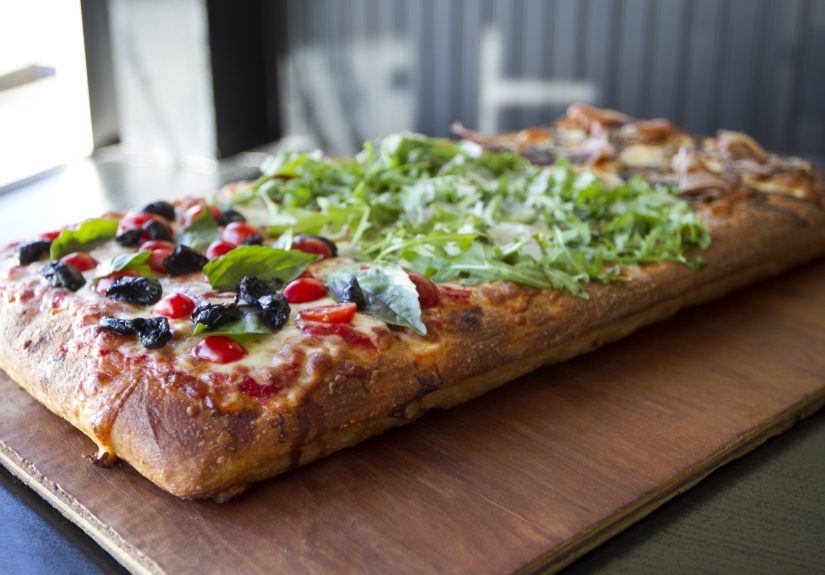
The best part comes during baking. A good biga dough tends to puff dramatically at the edges, forming bubbles and a lightly blistered rim that looks far fancier than the ingredient list suggests. Even before you take the pizza out of the oven, you can tell the crust has more personality. It smells richer. It browns more attractively. It feels lighter when you lift a slice. That is the sort of result that makes people start saying things like, “Maybe next time we should make two.” They are correct.
The 45-minute pizza dough recipe offers a different kind of satisfaction. It is less romantic but extremely practical, which in its own way is beautiful. This is the dough for evenings when your energy is low, your schedule is chaotic, or dinner needs to happen before morale collapses. It comes together quickly, rests briefly, and still manages to produce a crust with chew, color, and enough structure to hold real toppings. Is it identical to a long-fermented dough? No. But it is far better than many store-bought crusts and dramatically better than surrendering to bland emergency food.
In many kitchens, both recipes become regulars for different reasons. The biga version is the weekend project, the one you make when you want the process as much as the meal. The fast version is the reliable backup plan, the one that saves you on busy nights without making dinner feel like a compromise. Together, they cover almost every pizza mood: ambitious, exhausted, social, experimental, or just very, very hungry. That is why learning both is such a smart move. One teaches you what time can do for dough. The other proves that even under pressure, pizza can still come out warm, crisp, and wildly comforting.
Conclusion
If you want bold flavor, airy structure, and a crust with genuine pizzeria energy, biga pizza dough is the recipe to learn. It rewards planning with better texture, richer aroma, and more satisfying chew. And when planning fails you, the 45-minute pizza dough steps in like a culinary superhero wearing an apron and carrying shredded mozzarella.
The smartest move is not choosing one forever. It is knowing when to use each. Make the biga dough when you want depth and drama. Make the quick dough when dinner needs to happen fast. Either way, you end up with homemade pizza, which is one of life’s more reliable forms of happiness.