Table of Contents >> Show >> Hide
- What period underwear actually is
- How does period underwear work?
- Can period underwear replace pads and tampons?
- Who is period underwear good for?
- The biggest benefits of period underwear
- The drawbacks nobody should sugarcoat
- How to choose the right period underwear
- How to wash and care for period underwear
- Is period underwear safe?
- When period underwear may not be enough
- What period underwear feels like in real life: common experiences from users
- Final thoughts
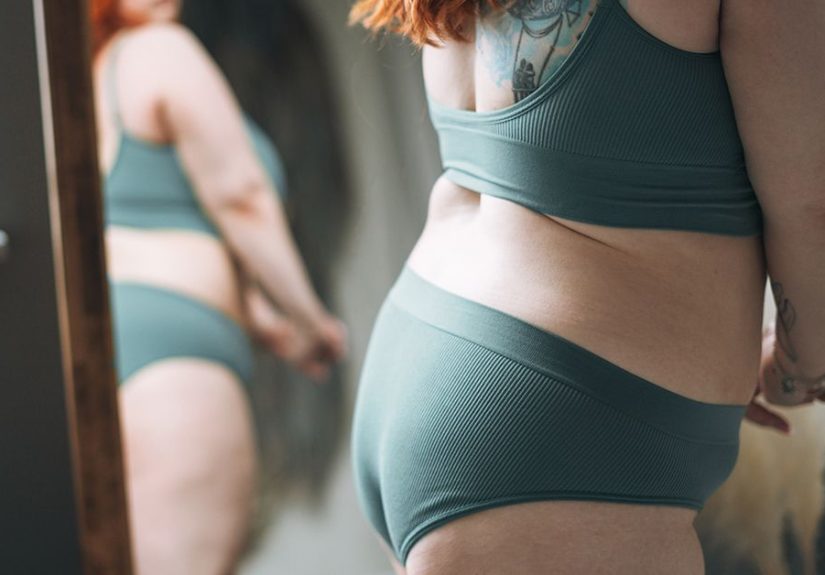
Period underwear is exactly what it sounds like: underwear designed to absorb menstrual flow without immediately waving a white flag. It looks a lot like regular underwear, but the gusset has built-in absorbent layers that pull fluid away from the skin, trap it, and help prevent leaks. In plain English, it is regular-looking underwear with a very un-regular job description.
For many people, period underwear feels like the happy middle ground between pads, tampons, liners, and “I hope nothing goes wrong during this Zoom meeting.” It can be used on its own for light to moderate days, as backup protection with tampons or cups on heavier days, or as a just-in-case option for spotting, discharge, or the tail end of a period. That flexibility is a big reason it has become so popular.
And no, this is not some flimsy fashion gimmick dreamed up by the same people who thought low-rise jeans were a public service. Period underwear is a legitimate menstrual product. When chosen carefully and used properly, it can be comfortable, reusable, convenient, and surprisingly confidence-boosting.
What period underwear actually is
At its core, period underwear is reusable underwear with a built-in absorbent panel. That panel is usually made with multiple layers, each doing a different job. One layer sits closest to the skin and is designed to wick moisture away. Another absorbs and holds the fluid. A final layer helps reduce leakage so your clothes are not drafted into the situation.
Unlike tampons, cups, or discs, period underwear is not inserted into the body. It is an external menstrual product, more similar to a pad in function than to an internal product. The difference is that the absorbent protection is built into the underwear itself instead of sticking onto it.
That design matters because it changes the user experience. There is no applicator, no adhesive strip, no awkward bathroom stall juggling act, and no fear that the pad has migrated somewhere mysterious. You put it on, go about your day, and change it when it has reached its limit.
How does period underwear work?
It uses layered fabric engineering
The magic is not actually magic. It is textile engineering. Quality period underwear uses layered fabric to wick, absorb, and contain fluid. The top layer helps you feel drier. The absorbent core captures flow. The outer barrier helps prevent seep-through.
It comes in different absorbency levels
One of the biggest mistakes first-time buyers make is assuming one pair can do every job. It usually cannot. Period underwear is sold in absorbency levels ranging from light or spotting protection to heavier or overnight coverage. A pair made for light flow may work beautifully on day five and completely betray you on day two.
That is why absorbency matters just as much as fit. If your flow changes throughout the cycle, which is common, you may need different pairs for different days. Think of it like owning both sneakers and winter boots. Technically, both are footwear. Realistically, they are not interchangeable.
Can period underwear replace pads and tampons?
Sometimes yes, sometimes absolutely not, and sometimes only if you enjoy living dangerously. The honest answer depends on your flow, schedule, comfort level, and the absorbency of the product.
On lighter days, many people use period underwear alone. It can feel less bulky than a pad and less invasive than a tampon or cup. On moderate days, plenty of users still wear it solo, especially when they are near a bathroom and know how their body behaves. On heavy days, some people prefer to pair it with a tampon, cup, or disc for backup protection.
That backup role is one of the biggest selling points. Period underwear can help catch leaks from internal products, reduce anxiety overnight, and make long commutes, school days, athletic practices, or travel feel less stressful. If your period has ever surprised you in a pair of light-colored pants, you already understand the appeal.
Who is period underwear good for?
Period underwear works well for a wide range of users:
Teens and first-time period users
For beginners, period underwear can feel much less intimidating than tampons or cups. There is no insertion learning curve, no string management, and no need to master menstrual product logistics on day one. It is simple, familiar, and easier to explain: put on underwear, go live your life.
People with sensory sensitivities
Some users dislike the damp feel of pads, the pressure of tampons, or the insertion process of cups and discs. Period underwear can be more tolerable because it feels closer to standard underwear and often stays more securely in place than a pad.
People with active schedules
Students, travelers, nurses, retail workers, athletes, and anyone else who cannot always dash to a bathroom every two hours may like the extra security period underwear provides. It can also be useful overnight, when no one wants to wake up and negotiate with a shifting pad at 3 a.m.
People looking for a reusable option
If you want to reduce waste or lower long-term spending on disposable products, period underwear is appealing. It usually costs more upfront than a box of pads, but reusable products may save money over time if they hold up well and are properly cared for.
The biggest benefits of period underwear
Comfort
This is the benefit users mention most often. Good period underwear can feel softer and less bulky than wearing a pad, and it eliminates worries about adhesive bunching, shifting, or peeking out at the edges like an uninvited guest.
Convenience
You do not need to remember separate pads or liners if you are already wearing the product. That makes it handy for school bags, overnight travel, or emergency period preparedness. It is also useful for spotting at the beginning or end of a cycle, when using a full-sized pad can feel like bringing a snowblower to dust off your porch.
Leak backup
Even people who prefer cups or tampons often use period underwear for peace of mind. Backup protection matters. So does not having to give a presentation while mentally calculating whether your tampon has reached its limit.
Reusable and lower-waste
Because it is washable, period underwear can reduce the number of disposable products you use every cycle. For some households, that means less trash and lower recurring costs over time. The catch, of course, is that your laundry routine becomes part of your menstrual strategy.
The drawbacks nobody should sugarcoat
It is not one-size-fits-all
Fit, absorbency, and fabric vary a lot by brand. One pair may feel amazing, while another feels bulky, tight, or weirdly swampy. Trial and error is common, which means finding your ideal pair may take a few attempts.
Heavy flow can overwhelm it
Period underwear is not invincible. If you have a heavy period, the wrong absorbency level can lead to leaks. People with very heavy bleeding often prefer to use it as backup rather than their only product on peak days.
It requires washing and drying
Reusable products are great until you realize they need to be rinsed, washed, and dried before the next round. Some pairs take longer to air-dry than ordinary underwear because of the absorbent layers. If you only own two pairs and your period arrives with main-character energy, that may not be enough.
Upfront cost can be annoying
To get through an entire cycle comfortably, many people need several pairs. That initial shopping cart can feel rude. The long-term value may be good, but the first purchase is rarely cheap.
How to choose the right period underwear
Match absorbency to your flow
Start by being honest about your period. If you routinely bleed heavily, do not buy only “light” pairs because the floral print is cute. Buy the absorbency that matches reality, not optimism.
Think about when you will wear it
Are you looking for all-day school coverage, workout support, overnight protection, backup for a tampon, or just spotting coverage? Different goals call for different styles. A lightweight bikini cut may be great for daytime spotting, while a fuller brief or boyshort may work better overnight.
Check the fabric and care instructions
If you have sensitive skin or tend to get irritated easily, prioritize breathable materials, clear washing instructions, and fragrance-free care products. You should also look for brands that are transparent about materials and chemical testing, especially if PFAS concerns are on your radar.
Buy at least a small rotation
One pair is a test drive. It is not a system. If you plan to rely on period underwear regularly, build a small rotation with different absorbencies so you are not panic-washing the same pair like it is a Formula 1 pit stop.
How to wash and care for period underwear
Care matters because even the best pair will not perform well if it is treated like a gym sock and forgotten in a pile. In general, most brands recommend rinsing period underwear in cold water after use, then washing it according to the label. Many also recommend air-drying instead of high heat.
Cold water helps remove blood more effectively than hot water. Let the underwear dry fully before storing it. Damp fabric can irritate skin, smell funky, and generally make your next cycle less pleasant. Fabric softeners and harsh fragranced products may also be a bad idea for people with vulvar sensitivity.
Translation: treat period underwear like performance gear, not like random laundry. It has a specialized job, and specialized jobs deserve at least a little respect.
Is period underwear safe?
For most users, period underwear is generally safe when it fits properly, is changed often enough, and is cleaned thoroughly. Since it is worn externally, it does not carry the same tampon-specific concerns tied to internal absorbent products. That said, external does not mean maintenance-free.
Watch for irritation
If a pair stays too wet for too long, fits too tightly, or is washed with irritating detergents, it can cause chafing or discomfort. People with sensitive skin may do better with softer fabrics, unscented detergents, and prompt changes when the underwear feels saturated.
Be mindful of fragrances and harsh chemicals
Many gynecologic and vulvar health experts recommend avoiding fragranced products around the vulva. That advice carries over here. If your skin is easily irritated, choose simple care routines and avoid heavily scented washes, fabric softeners, and anything marketed as “fresh” with the subtlety of a perfume counter.
PFAS concerns are worth paying attention to
Some reporting and health coverage have raised concerns about PFAS, sometimes called “forever chemicals,” in certain period products, including some period underwear. That does not mean every brand contains them, but it does mean shoppers should read material disclosures carefully and favor companies that clearly explain their testing and chemical standards.
When period underwear may not be enough
Period underwear is a tool, not a miracle. If you are soaking through products very quickly, bleeding for more than a week, passing large clots, feeling dizzy or short of breath, or having severe pain, the issue may not be the underwear. It may be the period itself.
Heavy menstrual bleeding can interfere with daily life and may deserve medical attention. If you are bleeding through products every hour or two, regularly doubling up because one product is not enough, or developing fever and illness symptoms while using tampons, it is smart to talk with a healthcare professional.
What period underwear feels like in real life: common experiences from users
The first experience many people report is skepticism. They hear “underwear that absorbs a period” and assume this is either revolutionary or ridiculous, with no middle ground. Then they try it on a light day and realize it feels surprisingly normal. Not magical. Not weird. Just normal, which may be the most persuasive review possible.
A teen using it for the first time often describes a sense of relief. There is no need to learn tampon insertion on the same week algebra feels impossible and gym class already seems like a prank. Period underwear can make the first-period conversation easier because it feels familiar. It is underwear, but upgraded for a specific mission. That simplicity lowers the stress level fast.
College students and office workers often like it for long days away from home. A morning class schedule, a commute, back-to-back meetings, or a shift where bathroom breaks are unpredictable can make leak anxiety feel louder than it should. Many users say period underwear helps quiet that constant mental background noise. You are still aware of your period, of course, but you are not negotiating with it every 20 minutes.
Athletes and active users often have mixed but useful feedback. Some love period underwear during yoga, walking, or sleep because there is no pad shifting around and no insertable product to think about. Others find that for intense workouts or heavy-flow days, it works best as backup rather than the main event. That is a recurring theme: the product works best when expectations match the absorbency.
Users with heavy periods tend to become the most strategic. They rarely describe period underwear as a one-product solution on the heaviest day. Instead, they talk about combinations: a cup plus period underwear, a tampon plus period underwear, or a high-absorbency pair just for sleeping. In that role, it is less about replacing everything and more about creating a smarter system.
People with sensory sensitivities often have some of the strongest positive reactions. They may dislike the sticky feel of pads or the internal sensation of tampons. For them, period underwear can feel less distracting and more stable. Some say it is the first menstrual product that does not make them feel like they are constantly wearing a menstrual product, which is a bigger compliment than it sounds.
Then there is the laundry learning curve. Nearly everyone has a moment where they forget to rinse a pair promptly, discover it takes longer to dry than expected, or realize they do not own enough pairs for a full cycle. Period underwear can be wonderfully convenient once your routine is set, but the setup phase can be mildly chaotic. Think of it as a relationship: promising, practical, and improved by better communication and a backup plan.
In the end, the most common experience is not dramatic. It is quieter than that. People often say they feel more secure, more comfortable, and less preoccupied. And when a period product lets you spend less time thinking about your period, that is a pretty impressive job for a pair of underwear.
Final thoughts
So, what is period underwear? It is a reusable menstrual product that looks like regular underwear but contains built-in absorbent protection for period blood. It can be worn alone or as backup, comes in different absorbency levels, and appeals to users who want comfort, convenience, reusability, or a less stressful period routine.
It is not a cure-all. It will not suit every body, every budget, or every flow. But for many people, it is a genuinely useful option that makes periods feel more manageable and less disruptive. And honestly, anything that reduces laundry disasters, leak panic, and awkward public bathroom math deserves at least a little applause.