Table of Contents >> Show >> Hide
- First, a quick shingles reality check (so your skin care matches the moment)
- Step 1: Get the medical basics right (because skin care isn’t a substitute for treatment)
- Step 2: Clean the rash gently (no scrubbing, no “squeaky clean” heroics)
- Step 3: Soothe itch and pain safely (cool beats hot; simple beats fancy)
- Step 4: Cover the rash the right way (to protect skin and reduce spread)
- Step 5: Prevent infection and scarring (aka “hands off the blisters”)
- Step 6: Reduce the chance of spreading the virus to others
- Step 7: Make your skin-care environment easier (so you actually do it)
- Step 8: Know when skin care isn’t enough (red flags to take seriously)
- After the rash heals: gentle “skin rehab” (and protecting your new skin)
- Frequently asked skin-care questions (the “yes, but…” section)
- Bottom line
- Real-world experiences: what people say helps (and what surprises them)
Shingles (aka herpes zoster) has a talent for showing up uninvitedoften with a rash that feels like your skin is
hosting a tiny, angry fireworks show. The good news: smart, gentle skin care can make the rash more comfortable, lower
the risk of infection, and help you protect the people around you while your skin heals.
This guide walks through practical, dermatologist-approved steps for shingles skin care: how to clean the rash, soothe
itch and pain, cover blisters safely, and recognize when it’s time to call a clinicianbecause sometimes the best “skin
care” is getting the right treatment early.
First, a quick shingles reality check (so your skin care matches the moment)
Shingles usually starts with tingling, burning, or pain in a strip on one side of the body, then becomes a blistering
rash. Those blisters eventually dry out and scab. Most rashes clear in a few weeks, but the discomfort can feel much
bigger than the rash looks.
Skin care goals change as shingles changes:
- Blisters/oozing phase: keep things clean, cool, dry-ish, and protected from rubbing.
- Scabbing phase: keep it comfortable, avoid picking, and prevent cracking or infection.
- After healing: protect new skin, reduce discoloration, and manage lingering sensitivity.
Step 1: Get the medical basics right (because skin care isn’t a substitute for treatment)
See a clinician earlyideally within 72 hours of the rash
If you think you have shingles, contact a healthcare professional as soon as possible. Antiviral medications work best
when started early (often within about 72 hours of rash onset). Early treatment can shorten the course and may reduce
the risk of long-lasting nerve pain.
Ask about pain control that won’t irritate your skin
Over-the-counter pain relievers may help some people, and clinicians can recommend additional options if pain is severe.
Better pain control often makes it easier to avoid scratching (your skin will thank you).
Step 2: Clean the rash gently (no scrubbing, no “squeaky clean” heroics)
Shingles skin care works best when it’s boring. Think “gentle spa,” not “power-wash the problem away.”
Do this once a day (or as needed if sweaty/dirty)
- Wash lightly with lukewarm water and a mild, fragrance-free cleanser.
- Rinse well so no soap film lingers (leftover cleanser can sting).
- Pat dry with a clean, soft towel. Avoid rubbing.
Skip these common irritants
- Fragranced body washes, exfoliating scrubs, and loofahs (too rough).
- Alcohol-heavy toners, essential oils, or “tingly” products (sting city).
- Thick makeup or occlusive cosmetics on the rash (not a great time for full coverage).
Step 3: Soothe itch and pain safely (cool beats hot; simple beats fancy)
When shingles itches, your brain may suggest scratching like it’s a life mission. Your job is to distract your brain
with safer options.
Try cool, wet compresses
A cool compress can ease pain and itching and may help dry blisters gently.
- Soak a clean washcloth in cool water.
- Wring it out (damp, not dripping).
- Apply to the rash for 5–10 minutes.
- Repeat a few times a day as needed.
Avoid ice directly on skintoo cold can irritate or damage already-angry tissue. Cool and gentle wins.
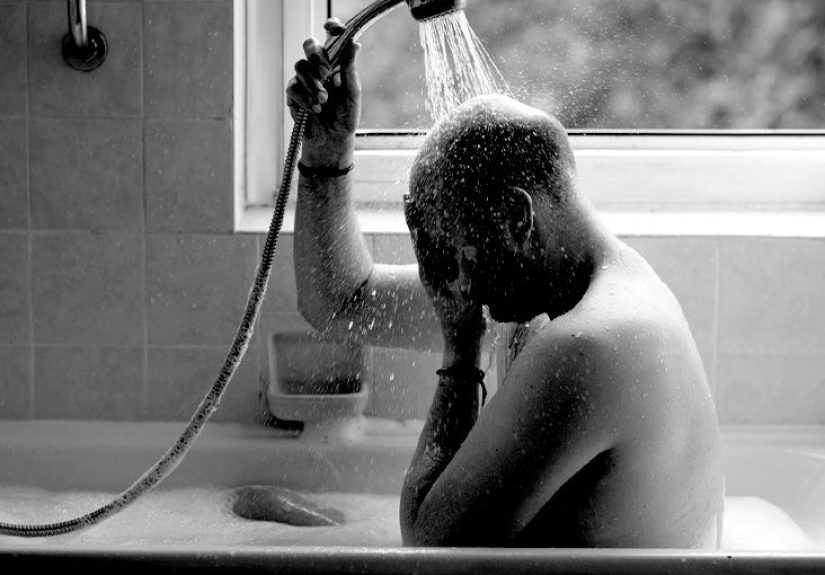
Use soothing baths (keep them lukewarm)
Some people get relief from brief lukewarm baths:
- Colloidal oatmeal bath (the finely ground kind sold for skin, not breakfast oats).
- Starch baths (sometimes recommended to calm itch).
Keep soaks short (about 10 minutes), and pat dry afterward. Hot water can increase itch and irritation.
Choose topical helpers thoughtfully
-
Calamine lotion: can calm mild itch and help dry weepy areas. If it stings on open blisters, pause
and try a different option. -
Fragrance-free moisturizers: can help once skin is dry/scabbing. Look for plain, gentle formulas
(no perfumes, no “cooling” additives). -
Topical numbing options (like lidocaine): some people use these for pain, but it’s best to use them
exactly as directed by a clinician and only on appropriate skin areas.
What about antihistamines?
Some people find oral antihistamines helpful for itchespecially at night. Always follow label directions, and use extra
caution if a medication causes drowsiness. If you’re unsure what’s safe with your health conditions or other meds, ask
a pharmacist or clinician.
Step 4: Cover the rash the right way (to protect skin and reduce spread)
Covering shingles isn’t about hiding itit’s about reducing friction, preventing contamination, and lowering the chance
of passing the virus to someone who’s never had chickenpox (or the vaccine).
When covering helps most
- The rash is in a spot that rubs on clothing (waistband, bra line, shoulder strap zone).
- You’ll be around other people (work, errands, home with family).
- You’re trying to avoid touching or scratching.
How to cover shingles safely (simple dressing routine)
- Wash gently and pat dry.
-
If recommended/comfortable: apply a very thin layer of plain petroleum jelly to reduce sticking
(especially once skin is dry/scabbing). - Use a sterile nonstick dressing directly over the rash (nonstick is the key word).
- Secure with gauze or wrap without adhesive directly on tender skin when possible.
- Change the dressing daily (or sooner if it becomes wet/dirty).
Pro tip: If a bandage sticks, don’t rip it off like a movie hero. Moisten it with cool water to loosen,
then remove gently.
Step 5: Prevent infection and scarring (aka “hands off the blisters”)
The biggest skin-care risk with shingles is secondary bacterial infectionoften from scratching or picking.
Do these small thingsthey matter
- Keep nails short and clean.
- Wear loose clothing to reduce friction and irritation.
- Use clean towels and don’t share them.
- Wash bedding and clothes that touch the rash regularly (especially if there’s oozing).
- Don’t pick scabsthat can reopen skin and prolong healing.
Watch for signs of infection
Call a clinician if you notice increasing redness, warmth, swelling, worsening pain, pus-like drainage, fever, or a
rash that seems to be rapidly spreading or changing in a concerning way.
Step 6: Reduce the chance of spreading the virus to others
You can’t “give someone shingles,” but you can spread varicella-zoster virus from shingles blisters to someone
who’s never had chickenpox (or the chickenpox vaccine). That person could develop chickenpox.
Until the rash is fully crusted/scabbed over
- Cover the rash when possible.
- Avoid touching or scratching the area.
- Wash hands oftenespecially after any contact with the rash or bandages.
-
Avoid close contact with people at higher risk (pregnant people who haven’t had chickenpox/vaccine,
newborns/infants, and people with weakened immune systems).
Step 7: Make your skin-care environment easier (so you actually do it)
Shingles can make even normal tasks feel like a chore. Set yourself up for “low-effort wins.”
Build a tiny shingles care kit
- Mild, fragrance-free cleanser
- Soft washcloths
- Nonstick dressings + gauze wrap
- Calamine lotion (optional)
- Colloidal oatmeal packets (optional)
- Clean, loose cotton shirts/pajamas
Dress like your skin is having a sensitive day (because it is)
Choose loose-fitting, breathable fabrics (cotton and other soft natural fibers are popular). Skip scratchy wool,
compressive athletic gear, and anything with stiff seams right over the rash.
Help your nervous system chill out
Stress doesn’t “cause” shingles once it’s there, but many people find symptoms feel worse when they’re exhausted and
tense. Gentle distractionsmovies, books, cozy hobbiescan make the days less miserable.
Step 8: Know when skin care isn’t enough (red flags to take seriously)
Seek prompt medical care if:
- The rash is on your faceespecially near your eye, nose, or forehead (eye involvement is urgent).
- You’re immunocompromised (for example, on certain cancer treatments or immunosuppressive meds).
- You’re pregnant or caring for a newborn or medically fragile person.
- You have severe headache, confusion, stiff neck, or high fever.
- The rash is widespread (not just in one area/strip) or rapidly worsening.
- Pain is uncontrolled or you can’t sleep for nights in a row.
After the rash heals: gentle “skin rehab” (and protecting your new skin)
Once blisters have dried and skin is healing, the area can remain sensitive, dry, or discolored for a while.
- Moisturize simply with fragrance-free lotion as needed.
- Use sun protection on exposed healed areas to reduce lingering discoloration.
-
Ask about lingering pain (postherpetic neuralgia). If pain persists, clinicians can recommend
targeted treatments.
Frequently asked skin-care questions (the “yes, but…” section)
Should I pop shingles blisters?
No. Popping blisters increases infection risk and can slow healing. Focus on gentle cleansing, cool compresses, and
nonstick coverage if needed.
Can I use antibiotic ointment?
Not routinely. Many people don’t need it, and some topical products can irritate sensitive skin. If you suspect
infection (spreading redness, pus, fever), call a clinician.
Can I go to work or school?
Many people can if they feel well enough and can keep the rash covered. But avoid close contact with high-risk people
until the rash has fully crusted. When in doubt, ask your clinicianespecially if the rash can’t be covered.
What’s the “best” lotion for shingles?
“Best” usually means least irritating: fragrance-free, simple formulas. Calamine may help itch for
some people; colloidal oatmeal products can be soothing for others.
Bottom line
The most helpful shingles skin care is gentle, consistent, and protective: clean the rash lightly, keep it cool, cover
it with nonstick dressings when needed, and avoid scratching. Combine that with early medical treatment and smart
hygiene, and you’ll give your skin the best shot at healing with fewer complicationsand fewer “why does my shirt hate
me?” moments.
Real-world experiences: what people say helps (and what surprises them)
People’s shingles stories often start the same way: “I thought I pulled a muscle,” or “I slept weird,” or “Why does my
skin feel sunburned when I haven’t been outside?” That early nerve pain can show up before the rash, and it’s one
reason many folks don’t connect the dots until blisters appear. Once the rash arrives, the day-to-day experience tends
to revolve around two things: comfort and control.
On the comfort side, a common theme is that cool beats hot. People often report that hot showers feel
amazing for about 30 seconds and then backfireitchier, stingier, and more irritated. Switching to lukewarm water and
using cool compresses becomes a “why didn’t I do this sooner?” moment. Many describe a routine: compress in the
morning, compress after work, compress before bed. It’s not glamorous, but it’s effective in the way that boring
healthy habits usually are.
Another frequent surprise: clothing matters more than expected. Plenty of people think, “It’s just a
rash; I’ll wear my normal stuff,” and then discover that seams, waistbands, bra straps, or rough fabrics feel like a
personal vendetta. The switch to loose cotton tops, soft pajamas, and “anything without a scratchy tag” is often
described as instantly helpful. Some people even create a mini “shingles uniform” for a weekbecause decision fatigue
is real when you’re tired and uncomfortable.
On the control side, people talk about how empowering it feels to have a simple plan: wash gently, pat dry, apply a
soothing product if it helps, cover with a nonstick dressing, wash hands, repeat. That kind of routine can reduce the
anxious spiral of “Am I making this worse?” It also helps with a big practical goal: keeping hands off the
blisters. Many say scratching is most tempting at night, so they prepare aheadtrim nails, take an itch-safe
option recommended by a clinician or pharmacist, and keep compress supplies close to the bed.
People also share mixed experiences with topical products. Calamine lotion is often described as helpful for itch, but
a handful of folks say it can sting if blisters are very open or tenderso they use it lightly, avoid it on the most
raw areas, or switch to something gentler. Colloidal oatmeal baths get praised for “taking the edge off,” especially
when itch feels widespread. The most consistent “win,” though, is usually the simplest: keeping the rash clean, keeping
friction low, and letting time and treatment do their jobs.
Finally, there’s the social side. People frequently mention being careful around pregnant friends, babies, or
immunocompromised family members. Covering the rash and washing hands becomes less about feeling “contagious” and more
about being consideratelike putting a lid on a drink so it doesn’t spill. Many also say it helps to tell close
contacts what’s going on in plain language: “It’s shingles. You can’t catch shingles from me, but you could catch
chickenpox if you’ve never had it, so I’m staying covered up until it scabs over.”
If you’re going through shingles right now, the shared experience is this: the discomfort can feel outsized, but
steady, gentle care usually makes the days more manageable. Think of it as giving your skin fewer jobs to doless
rubbing, less scratching, fewer irritantsso it can focus on healing.