Table of Contents >> Show >> Hide
- The B-21 Raider: A First Look With a Lot of Mystery
- What the Shape Tells Us About Stealth
- What the Cockpit Windows Suggest
- Air Intakes: Small Details, Big Implications
- What We Can Tell About Size
- Why the Image Was So Carefully Controlled
- The B-21 Compared With the B-2 Spirit
- What the First Flight and Later Images Added
- What We Still Cannot Tell From the Image
- Why the B-21 Matters Strategically
- Production, Cost, and the Real Test Ahead
- What the First Image Really Told Us
- Experience-Based Perspective: Reading the B-21 Image Like an Aviation Observer
- Conclusion
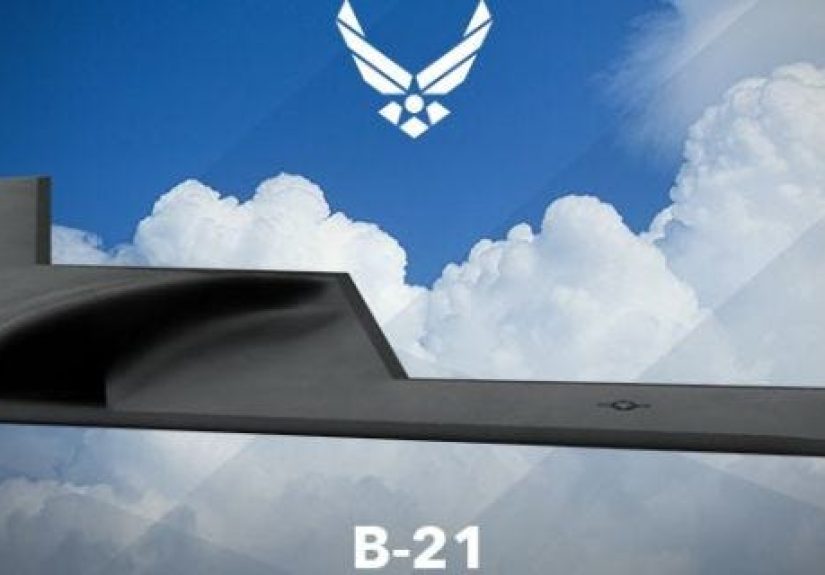
The first public image of the Air Force’s new B-21 Raider bomber did exactly what a good teaser should do: reveal enough to make everyone lean forward, while keeping the best secrets tucked safely behind the curtain. At first glance, it looked like a sleek gray flying wing, the kind of aircraft that seems less “built” and more “quietly summoned.” But even a carefully staged image can tell us plenty.
The B-21 Raider is America’s next-generation stealth bomber, developed by Northrop Grumman for the U.S. Air Force. It is designed as a long-range, penetrating strike aircraft capable of carrying both conventional and nuclear weapons. More importantly, it is intended to become the backbone of the future Air Force bomber fleet, serving alongside the B-52 as older B-1 and B-2 aircraft gradually retire.
Because the B-21 is highly classified, the first image did not give away measurements, performance data, internal systems, or other sensitive details. That was not an accident. The Air Force knows the whole world studies these images pixel by pixel. Still, the photo revealed clues about design philosophy, stealth priorities, manufacturing maturity, and how the aircraft fits into the future of American airpower.
The B-21 Raider: A First Look With a Lot of Mystery
The B-21’s first public reveal showed a flying-wing aircraft with a smooth, blended body and a clean, almost minimalist exterior. That alone tells us the Raider follows the same broad stealth tradition as the B-2 Spirit. Instead of using a conventional fuselage, wings, and tail, the B-21 uses a flying-wing shape to reduce radar visibility and improve aerodynamic efficiency.
However, the B-21 is not simply a “B-2 with a fresh haircut.” The first image suggested a smaller, more refined aircraft with updated shaping, modern materials, and design choices built around maintainability. The B-2 was revolutionary, but it is famously expensive and demanding to operate. The B-21 appears to be designed not only to survive in dangerous airspace, but also to be produced, maintained, upgraded, and flown more routinely.
That matters. A stealth bomber that spends too much time in maintenance is like a luxury sports car with no tires: impressive, expensive, and not especially useful on Monday morning.
What the Shape Tells Us About Stealth
The most obvious clue in the image is the B-21’s flying-wing planform. Stealth aircraft are shaped to manage how radar energy reflects off their surfaces. Sharp vertical tails, protruding engines, external weapons, and uneven surfaces can all increase detectability. The B-21’s smooth blended design reduces those obvious radar-reflecting features.
A Cleaner, Simpler Exterior
The first image showed very few visible seams, bumps, or external details. That is typical of stealth aircraft. Weapons, sensors, and fuel are generally kept inside the aircraft rather than hanging from pylons. External weapons might look dramatic in an action movie, but on a stealth bomber they would be about as subtle as wearing tap shoes in a library.
The aircraft’s surface appears carefully shaped, with gentle curves and controlled edges. This suggests that the B-21 continues the stealth principle of reducing radar returns from many angles. Later official images, including flight-test and aerial-refueling photos, confirmed that the Raider’s top profile is also exceptionally clean and carefully blended.
The Missing Tail Is the Message
Traditional aircraft use tails for stability and control. The B-21 does not have a conventional tail, just like the B-2. That helps reduce radar visibility but requires advanced flight-control software. In plain English, computers help keep the aircraft stable. The result is an aircraft that looks simple from the outside but depends on extremely complex systems underneath.
What the Cockpit Windows Suggest
One of the most discussed details in early B-21 images was the cockpit window layout. The Raider’s windows appear smaller and more angular than those on the B-2. Their shape likely reflects a balance between pilot visibility, structural needs, and stealth performance.
The cockpit design also hints at modern automation. Public information does not reveal the full crew arrangement or cockpit systems, but the B-21 is widely understood to rely on advanced digital architecture. That means the aircraft is not only a bomber; it is also a flying computer network, sensor platform, and upgradeable weapons system.
The windows are a reminder that even futuristic aircraft must still accommodate human beings. Somewhere inside that silent gray wedge, pilots still need to see, think, communicate, and make decisions. Science fiction, meet seat belts.
Air Intakes: Small Details, Big Implications
The first image also drew attention to the B-21’s air intakes. Stealth aircraft must feed air to their engines while hiding engine components from radar. Engine fans can create strong radar reflections, so designers use shaping and internal pathways to reduce direct exposure.
The Raider’s intakes appear carefully integrated into the upper front portion of the aircraft. This suggests a design focused on low observability from multiple angles. It also shows how much of stealth design is about compromise. The aircraft needs air. The engines need performance. The radar signature needs to stay low. Everyone at the design table gets a vote, but stealth clearly gets a very large chair.
What We Can Tell About Size
The first image did not provide exact dimensions, and the Air Force has not publicly released many detailed specifications. But compared with the B-2, the B-21 appears somewhat smaller. That smaller size may support cost control, easier basing, improved maintainability, and production at meaningful scale.
The Air Force has said it plans to acquire at least 100 B-21 aircraft. That number is important because the B-2 fleet remained small, with only 21 built. A larger B-21 fleet would give the Air Force more operational flexibility, more training capacity, and a better chance of having enough aircraft available when needed.
In other words, the B-21 is not just meant to be a technological jewel. It is meant to be a usable fleet.
Why the Image Was So Carefully Controlled
The first B-21 image was not a casual snapshot. It was staged, cropped, and lit with care. That tells us the Air Force wanted to show progress without revealing too much. Sensitive areas such as the exhaust, underside, sensor apertures, and certain structural details were hidden or minimized.
This is standard practice with advanced military aircraft. Public images become intelligence material. Analysts around the world study shadows, angles, panel lines, and proportions. A single careless photo can reveal more than a press conference ever would.
So, yes, the first image was exciting. It was also a strategic communication tool. The message was simple: the aircraft is real, the program is moving, and the United States is investing heavily in long-range stealth aviation.
The B-21 Compared With the B-2 Spirit
The B-21 Raider naturally invites comparison with the B-2 Spirit. Both are stealth flying-wing bombers built by Northrop Grumman. Both are designed for long-range missions and high survivability. Both look like they belong in a classified hangar guarded by people who do not laugh at jokes.
But the B-21 represents a generational shift. The B-2 was developed during the Cold War and entered service in the 1990s. The B-21 is being built for a world of advanced air defenses, cyber threats, space-based sensors, and rapid software-driven upgrades.
More Than a New Airframe
The biggest difference may be invisible. The B-21 is expected to rely on open systems architecture, digital engineering, and modular upgrades. That means the aircraft can be improved over time without requiring a complete redesign. Think of it less like a sealed machine and more like a platform that can receive new tools as technology changes.
This is especially important because the Raider is expected to serve for decades. A bomber entering service in the 2020s may still be flying deep into the 2050s or beyond. The threats it faces will change. The software, sensors, and weapons it carries must be able to change too.
What the First Flight and Later Images Added
The B-21 made its first flight in November 2023, an important milestone that moved the aircraft from carefully controlled unveiling to real-world testing. Later official photos showed the bomber in flight, taking off, and operating around Edwards Air Force Base. Those images confirmed that the aircraft was progressing beyond the “beautiful rollout ceremony” stage.
In 2026, additional official imagery showed the B-21 conducting aerial refueling with a KC-135 Stratotanker. That was a major clue about program maturity. Aerial refueling is essential for long-range airpower because it extends mission duration and global reach. It also tests how the aircraft handles close formation flying, fuel transfer, and real operational procedures.
The overhead refueling imagery was especially interesting because it revealed more of the aircraft’s top shape than earlier photos. Even then, the Air Force remained careful. The images offered a better look, not a blueprint.
What We Still Cannot Tell From the Image
As much as aviation fans love analyzing photos, there are hard limits. The first image does not reveal the B-21’s exact range, payload, radar cross-section, engine type, sensor suite, communications systems, defensive systems, or mission software. Those details remain classified or undisclosed for good reason.
We also cannot judge real-world performance from appearance alone. Stealth is not just shape. It includes materials, coatings, manufacturing precision, electronic systems, mission planning, maintenance, and tactics. A smooth aircraft body is only one piece of the puzzle.
That is why serious analysis should stay humble. The image tells us design direction. It does not tell us everything.
Why the B-21 Matters Strategically
The B-21 Raider is part of a broader modernization effort. The United States is updating its nuclear triad, long-range strike capabilities, and ability to operate in contested environments. The Air Force describes the B-21 as a dual-capable bomber, meaning it can support both conventional and nuclear missions.
Its purpose is not only to fight wars, but to deter them. Deterrence depends on convincing potential adversaries that aggression would be too costly. A stealth bomber capable of reaching defended targets adds weight to that message.
The Raider is also relevant to the Indo-Pacific, where distances are vast and air defenses are increasingly sophisticated. Long-range aircraft reduce dependence on nearby bases and give military planners more options. In a region where geography is basically the final boss level, range matters.
Production, Cost, and the Real Test Ahead
The first image made the B-21 feel real, but the hardest part of any advanced aircraft program is not looking futuristic on stage. It is building enough aircraft, controlling costs, training crews, maintaining readiness, and upgrading the system over time.
The Pentagon has approved the B-21 for low-rate initial production, and Northrop Grumman has continued flight testing and production work. Still, advanced aircraft programs face cost pressure. Manufacturing stealth aircraft requires extreme precision, specialized materials, and a supply chain that can deliver consistently.
The B-21’s success will depend on whether it can avoid the classic trap of being too expensive to field in useful numbers. A bomber that is affordable enough to build at scale and advanced enough to survive modern threats would be a major achievement.
What the First Image Really Told Us
The first image of the B-21 Raider told us that the Air Force is doubling down on stealth, long-range strike, and digital modernization. It showed an aircraft that borrows the proven flying-wing concept but refines it for a new era. It hinted at improved maintainability, modern systems, and a design philosophy shaped by both survivability and production realities.
It also told us that the Air Force understands the power of images. One carefully released photo can reassure allies, warn adversaries, energize supporters, and spark thousands of online debates about cockpit windows. That is impressive mileage for a single picture.
Experience-Based Perspective: Reading the B-21 Image Like an Aviation Observer
Looking at the first B-21 image as an aviation observer is a little like walking through a museum where half the labels have been removed. You can see the shape. You can sense the design language. You can compare it with older aircraft. But the most important details are intentionally hidden. That makes the experience both exciting and frustrating.
The first thing that stands out is restraint. The B-21 does not look flashy in the traditional sense. There are no dramatic fins, no exposed weapons, no aggressive angles screaming for attention. Its power comes from quietness. The design looks calm, almost plain, until you remember that “plain” is exactly what stealth engineers often want. Smooth, blended, and boring to radar is the goal.
For readers who follow aircraft development, the B-21 image also feels like a correction of past lessons. The B-2 was an extraordinary aircraft, but it became a small and costly fleet. The Raider appears to be shaped by a more practical question: how do you build a stealth bomber that is not only advanced, but also repeatable? That is a manufacturing question as much as an aviation question.
Another experience from studying the image is noticing how much is missing. There are no obvious engine exhaust details in the earliest front-facing views. The underside is hidden. The aircraft is photographed in ways that avoid giving away too much. At first, that may feel disappointing. But it is also part of the story. The image is not just a picture of a bomber; it is a picture of secrecy being managed in public.
There is also a human side to the reaction. People tend to imagine advanced bombers as cold machines, but every line in the B-21 represents thousands of design choices made by engineers, pilots, maintainers, software teams, suppliers, and program managers. Someone had to decide how the intake should blend into the body. Someone had to test the coatings. Someone had to ask whether a panel could be opened quickly by a maintainer on a bad day in real weather. The first image does not show those people, but their fingerprints are everywhere.
From a writing and research perspective, the B-21 is a useful reminder that public analysis should respect uncertainty. It is tempting to overclaim. A shadow becomes a “confirmed feature.” A reflection becomes a “secret system.” A camera angle becomes proof of performance. Good analysis does the opposite. It separates what the image shows, what official sources confirm, and what remains informed speculation.
For general readers, the best way to understand the B-21 image is to see it as a first chapter, not the full book. The aircraft has since appeared in flight-test photos and aerial-refueling imagery, each adding another page. Over time, more will become public: basing, production progress, training, and operational milestones. But the central impression from that first image still holds. The Raider is designed to be quiet, adaptable, and serious.
The most memorable thing about the B-21’s first image may be how little drama it needed. It did not need flames, speed blur, or a Hollywood soundtrack. It simply sat there, gray and controlled, letting its shape do the talking. And for anyone paying attention, it said plenty.
Conclusion
The first image of the Air Force’s new B-21 Bomber gave the public a rare look at one of the most important military aircraft programs of the 21st century. While many technical details remain classified, the image revealed a stealth-focused flying-wing design, a cleaner and likely more maintainable approach than previous generations, and a clear commitment to long-range airpower.
The B-21 Raider is more than a new bomber. It is a symbol of how future aircraft will be built: digitally designed, software-driven, upgradeable, and shaped for a world where visibility can be dangerous. The first photo did not answer every question. It was never meant to. But it gave enough clues to show that the Raider is not just continuing the legacy of the B-2 Spirit; it is trying to make stealth bombing more practical, scalable, and ready for decades of change.