Table of Contents >> Show >> Hide
- The HomePod timeline in 90 seconds
- Reason #1: Discontinued doesn’t mean unwantedit means scarce
- Reason #2: The original HomePod still has a “premium sound” reputation
- Reason #3: The first-gen hardware is still impressive on paper
- Reason #4: Ecosystem gravityApple households pay to avoid friction
- Reason #5: Home hub value quietly boosts demand
- Reason #6: Discontinued tech triggers collector psychology
- Reason #7: The second-gen HomePod didn’t erase first-gen demand
- What “rising prices” look like in the real world
- How to buy a discontinued HomePod without overpaying
- Should you buy the original HomePod or the newer full-size HomePod?
- FAQ: Quick answers about HomePod resale prices
- Conclusion: The HomePod resale market is doing exactly what it’s built to do
- Real-world experiences: what shopping for a discontinued HomePod feels like (and what you learn)
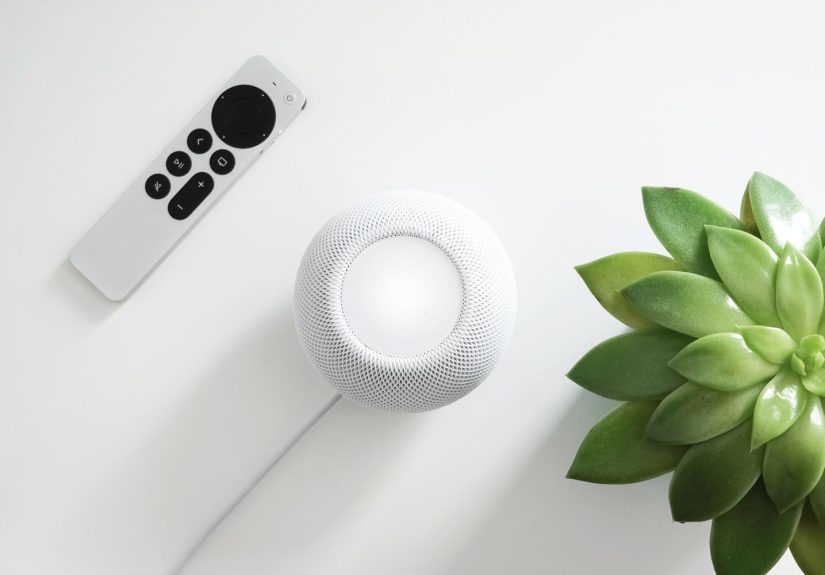
Somewhere out there, a proud Apple HomePod (1st gen) is sitting on a shelf like a retired movie star:
it no longer “works in Hollywood,” yet it still commands a surprising paycheck. While Apple stopped
selling the original full-size HomePod, the used market never got the memobecause prices for the
discontinued HomePod often stay stubbornly high, and certain listings still climb like they’re training
for a smartwatch fitness badge.
If that seems backwards, welcome to the weirdly logical world of discontinued tech: the moment supply
stops, demand doesn’t politely stop too. In the HomePod’s case, the speaker’s reputation, Apple’s
ecosystem gravity, and a dash of collector psychology keep pushing resale values up.
Let’s break down what’s actually happening, why it keeps happening, and how to shop smart if you’re
hunting one down.
The HomePod timeline in 90 seconds
Understanding “why the price is still rising” is easier when you remember how the HomePod story
unfoldedand how Apple’s own moves shaped the resale market.
Key moments that still affect resale value
- 2018: Apple launches the original HomePod as a premium smart speaker.
- 2019: Apple drops the retail pricesignaling that the speaker is more niche than mass-market.
- 2021: Apple discontinues the full-size HomePod and focuses on HomePod mini.
- 2023: Apple re-enters the full-size category with HomePod (2nd generation).
The key resale dynamic is simple: the 2021 discontinuation froze supply of the first-generation unit,
but it didn’t freeze demandespecially among Apple households that want “the good one,” want matching
pairs, or want to expand an existing setup without mixing models.
Reason #1: Discontinued doesn’t mean unwantedit means scarce
When a product is discontinued, you get two immediate effects:
(1) no new inventory, and (2) a slow drip of used units as owners upgrade or move. That’s it.
The supply line becomes a leaky faucet.
Meanwhile, the pool of potential buyers doesn’t vanish. People still move into Apple ecosystems,
upgrade iPhones, buy Apple TVs, and build out smart homes. The moment those people decide,
“I want a HomePod,” the first-gen becomes a finite resource. Finite resources don’t do “holiday sales.”
They do “market pricing.”
Scarcity alone isn’t enough to raise prices forever, though. Scarcity only matters when the product
remains uniquely desirablewhich leads us to the HomePod’s not-so-secret weapon: audio reputation.
Reason #2: The original HomePod still has a “premium sound” reputation
The original HomePod wasn’t cheap, and it wasn’t trying to be. It was positioned more like a compact
home audio component than a plasticky voice assistant. That reputation has had surprising staying power.
Why the first-gen sound story still sells units
-
Room-filling audio: Many owners use one as a “serious speaker” in a living room, office,
or kitchen rather than a background-noise gadget. -
Stereo-pair setups: Two original HomePods can create a surprisingly immersive stereo image
for music and TV audio in smaller rooms. -
Apple’s tuning approach: HomePod leans into computational audiomaking it feel “smarter”
as a speaker, not just as a voice assistant.
In resale markets, reputation is currency. If enough people believe the first-gen has a special sauce
(or is “the one Apple really overbuilt”), then demand stays strong even after discontinuation.
Reason #3: The first-gen hardware is still impressive on paper
Specs aren’t the whole story, but they matter when buyers compare generations. The original HomePod’s
audio hardware remains a talking point, and it helps explain why some shoppers treat it like a keeper,
not a compromise.
Why spec-driven shoppers pay more
-
First-gen: Known for an array of horn-loaded tweeters and a robust microphone setup,
which reinforces the “premium build” narrative. - Second-gen: Modern features and smart home upgrades, but different internal design choices.
Whether you personally hear a difference is almost beside the pointresale value is driven by what the
market believes. And plenty of buyers believe the first-gen is the “tank” version.
Reason #4: Ecosystem gravityApple households pay to avoid friction
Apple users are famously loyal, but it’s not just brand vibes. It’s practical: the HomePod sits inside
a network of Apple conveniencesAirPlay, Siri voice profiles, Apple Music integration, and smart home control.
That ecosystem effect raises resale prices in two ways:
1) The “it just fits” premium
People will pay more to keep everything in one ecosystem, especially if they already live in Apple’s
world: iPhone, Apple TV, Macs, Home app, Apple Music. If you’ve ever tried mixing smart home platforms,
you already know why: interoperability is a beautiful dream and an annoying reality.
2) The “I need one more” phenomenon
Many HomePod purchases are not first purchasesthey’re “second speaker” purchases.
Someone already owns one, loves it, and decides they want:
a stereo pair, another room, or a matching set. Discontinuation turns “one more” into “pay more.”
Reason #5: Home hub value quietly boosts demand
The HomePod isn’t just a speakerit can also play a central role in an Apple Home setup. When a device
doubles as both an audio product and a smart home anchor, it earns a bigger slice of household budget.
In plain English: if a HomePod helps run your smart home, people treat it less like a disposable gadget
and more like infrastructure. Infrastructure is expensive. (Have you priced a “simple” Wi-Fi router lately?)
Reason #6: Discontinued tech triggers collector psychology
Even when a product isn’t officially “collectible,” discontinuation can flip a switch in the buyer brain.
Suddenly you’re not shopping for “a speaker,” you’re hunting “the speaker.” That mindset changes behavior:
- Sealed units get treated like rare sneakers: pricey, fragile, and weirdly thrilling.
- Original packaging becomes “value,” even though it mostly stores air.
- Matching colors matter more than they should (but here we are).
The market rewards scarcity, and collectors reward presentation. That’s how you get a pricing ladder where
“used and working” is one tier, “mint with box” is another, and “factory sealed” starts feeling like a down
payment on a small spaceship.
Reason #7: The second-gen HomePod didn’t erase first-gen demand
Apple brought back a full-size HomePod in 2023. In theory, that should reduce pressure on the used market
for the first-gen. In practice, it didn’t eliminate itbecause the second-gen is not the same product,
and buyers don’t behave like spreadsheets.
Why the newer model doesn’t “solve” the resale market
-
Some buyers want a matching set: If you already own first-gen units, you may prefer not
to mix generations in a stereo pair or multi-room audio setup. -
Different feature priorities: Some people want the newest smart home standards; others
mainly want sound and prefer the older design’s reputation. -
Used-market logic: The presence of a new model can actually remind people the category
existssending more shoppers into resale listings.
What “rising prices” look like in the real world
Resale pricing for a discontinued HomePod isn’t one numberit’s a spectrum. The market typically splits into
three buckets:
1) Normal used units
These are the everyday listings: working speakers, some cosmetic wear, maybe no original box. This bucket is
often where you’ll find the best “value per dollar,” but prices can still be surprisingly firm compared to
many other discontinued gadgets.
2) Clean units with extras
“Excellent condition,” “with box,” “tested,” “smoke-free home,” and “includes original accessories” are phrases
that can add real dollars. Not always rational dollarsbut definitely dollars.
3) Sealed or rare-condition units
This is where you see the biggest spikes. Sealed units can list far above what the speaker cost when it was
still sold at retail. These listings aren’t always what the market pays every daybut enough of them sell to
keep the “HomePod is appreciating” story alive.
In other words: prices rise because the market has multiple demand typespractical buyers, ecosystem buyers,
and collector buyersand each group sets a different ceiling.
How to buy a discontinued HomePod without overpaying
If you’re shopping the resale market, you don’t need luckyou need a checklist. Here’s what separates a smart
purchase from a “why is Siri whispering to ghosts?” moment.
Smart buyer checklist
- Confirm it’s fully functional: music playback, Siri, volume controls, and Wi-Fi stability.
- Ask about resets: it should be removed from the seller’s Apple ID and ready to set up fresh.
- Inspect the mesh: stains, tears, or smoke odors can be hard to fix and easy to regret.
- Check the power cable: replacements exist, but original accessories help resale value.
- Buy from sellers with returns when possibleused smart speakers can be finicky.
- Be cautious with “too good to be true” pricing: especially for “sealed” claims.
When paying more is actually reasonable
Paying extra can make sense if you’re building a stereo pair, matching an existing room setup, or buying a unit
in genuinely excellent condition from a reputable seller. Paying extra is less reasonable when the listing is
priced like a museum artifact but described like a mystery novel.
Should you buy the original HomePod or the newer full-size HomePod?
This depends on what you want: nostalgia and “the classic,” or modern support and a cleaner retail path.
Choose the discontinued original HomePod if…
- You already own one and want a matching second unit.
- You value the original’s reputation and don’t mind buying used.
- You find a fairly priced listing with confirmed condition.
Choose the newer full-size HomePod if…
- You want current-model support and easier warranty options.
- You care about newer smart home standards and updated features.
- You don’t want the risk that comes with used electronics.
In short: the used first-gen can be a great buy, but it’s a “shop carefully” product. The new model is a
“buy confidently” product. Your tolerance for risk decides the winner.
FAQ: Quick answers about HomePod resale prices
Why do some listings cost way more than others?
Condition, packaging, seller reputation, and whether a unit is new/sealed can change pricing dramatically.
Discontinued items often develop collector tiers, and those tiers can look irrational if you only want a
speaker to play music.
Will the discontinued HomePod keep going up forever?
Probably not in a straight line. Discontinued tech usually rises in waves: a spike after discontinuation,
stabilization, then occasional jumps when demand surges (holidays, rumors, viral posts). Long-term, prices
depend on how well the devices age and how attractive Apple’s current lineup becomes.
Is “factory sealed” actually worth it?
For normal buyers, usually no. You’re paying a collector premium. If your goal is sound and smart home use,
a clean used unit is often the better value.
Does the original still make sense for smart home use?
It can, especially for Apple households, but shopping used adds risk. If smart home reliability is critical,
many buyers prefer the current model or an Apple TV as a hub.
What’s the #1 mistake buyers make?
Buying without verifying setup readinessspecifically, whether the device is removed from the previous
owner’s Apple ID and can be cleanly reset and paired.
Conclusion: The HomePod resale market is doing exactly what it’s built to do
The discontinued Apple HomePod’s price keeps rising (or staying surprisingly strong) because the speaker sits
at the intersection of scarcity and ongoing demand. Apple froze supply in 2021, but the product’s audio
reputation, ecosystem convenience, and “matching set” appeal continue to pull buyers into the used market.
Add in collector behavior for sealed units and you get pricing that can look wilduntil you remember that
“discontinued” often translates to “finite,” not “forgotten.”
If you want one, shop like a pro: verify condition, confirm reset status, avoid collector premiums unless
you truly want a collectible, and treat “too cheap” listings as a reason to ask more questionsnot fewer.
The HomePod may be discontinued, but in the resale world, it’s still very much speaking. (And yes, sometimes
it’s speaking in Siri’s voice.)
Real-world experiences: what shopping for a discontinued HomePod feels like (and what you learn)
If you’ve never bought discontinued Apple gear on the used market, imagine a treasure hunt where half the
“treasure” is a cardboard box and the other half is a speaker that may or may not remember who its previous
owner was. People who shop for first-gen HomePods tend to report the same pattern: the first time you look,
prices seem oddly high; the second time you look, you start rationalizing the price (“Well, it is
basically a sound system…”); and by the third time, you’re comparing mesh fabric photos like you’re training
for a forensic unit.
One common experience is discovering the “three markets” inside the market. The practical listings are
straightforwardtested, working, normal wear. Then you find the “almost new” listings with original packaging,
where the price jumps because the box is doing emotional labor. Finally, there are the sealed listings,
which feel less like electronics and more like a collectible: you’re paying for untouched status, not
necessarily better real-life performance. Shoppers often learn quickly that the best value is rarely the
fanciest listing. It’s the honest listing with clear photos, a seller who answers questions, and a return
policy that doesn’t read like a breakup text.
Another consistent story: people underestimate how much they care about matching.
Someone who owns a single first-gen HomePod will start shopping “just to see what’s out there,” then realize
a second unit would complete a stereo pair, then decide the pair should match in color, and suddenly they’re
waiting for the “right” space gray listing like it’s a concert ticket drop. That’s exactly how discontinued
products keep prices elevated: the buyer’s goal shifts from “a HomePod” to “the HomePod that fits my setup.”
The more specific the goal, the less price-sensitive the buyer becomes.
People also learnsometimes the hard waythat used smart speakers aren’t like used dumb speakers. A standard
Bluetooth speaker is basically: charge it, pair it, play music. A HomePod is more like: welcome to the Apple
ecosystem, please confirm your Wi-Fi, your Apple ID, your Home settings, and your willingness to troubleshoot
one time before it becomes magical. Buyers who have the smoothest experience tend to do two things: they ask
whether the speaker has been fully removed from the seller’s account, and they test basic functions early
(setup, Siri response, volume, playback) instead of waiting until the return window closes.
And then there’s the emotional side: the first time you hear a well-placed HomePod fill a room, it “clicks”
why people still pay for them. The speaker feels less like a gadget and more like part of the homeespecially
in Apple-heavy households. That feeling fuels the market: owners who love theirs don’t rush to sell, which
keeps supply tight, which keeps prices firm. The HomePod resale story is basically a loop:
limited supply + happy owners + new buyers entering the ecosystem = “why is this discontinued thing
still expensive?”
The most useful lesson from real-world buyers is simple: be patient. Prices fluctuate, listings come and go,
and the best deals often appear when you stop trying to “win” the market and start trying to “fit” the market.
If you can wait for the right condition at the right price, you’ll usually end up with a HomePod you actually
enjoyrather than one you bought in a late-night spiral after reading one too many “HomePod is appreciating”
posts.