Table of Contents >> Show >> Hide
- Why Window AC Units Get So Gross (And Why You Should Care)
- Before You Start: Safety, Sanity, and a Quick Reality Check
- What You’ll Need (Simple Stuff, No Wizardry)
- 5 Easy Steps to Clean It Before Summer
- Step 1: Unplug, Remove the Front Panel, and Take a “Before” Look
- Step 2: Clean (or Replace) the FilterThe Biggest Bang for Your Buck
- Step 3: Vacuum the InteriorCoils, Fan, and the Dusty Corners You’ll Wish You Didn’t See
- Step 4: Clean the Coils and Fins (Without Turning Them into Modern Art)
- Step 5: Empty and Clean the Drip Pan + Clear the Drain (The “Smell Insurance” Step)
- Reassembly and a Quick Test Run
- How Often Should You Clean a Window AC?
- Mistakes That Make Cleaning Worse (Yes, It’s Possible)
- When to Call a Pro (or Replace the Unit)
- FAQ: Quick Answers for Common Window AC Cleaning Questions
- Real-World Experiences: What People Notice After Cleaning (The Extra )
If your window air conditioner could talk, it would beg for a shower. Not a spa day. Not a “spritz of lavender.”
A full-on scrub that says, “I’m sorry I made you breathe last summer’s pollen, dust, and whatever that mystery fuzz is.”
The good news: cleaning a window AC unit is one of those oddly satisfying choreslike peeling the protective film off a new TVexcept it also helps your room cool faster,
smell better, and (often) use less energy. The even better news: you don’t need a toolbox worthy of a spaceship. You mostly need patience, a vacuum, and the courage to look at the filter.
Why Window AC Units Get So Gross (And Why You Should Care)
A window AC is basically a powerful air vacuum with a cold side and a hot side. All season long it pulls air through a filter, across coils, past a fan,
and into your room. That means it also pulls in dust, lint, pet hair, smoke residue, and outdoor gunk like pollen. Add moisture from condensation and you’ve created
a cozy little resort for grimeand sometimes moldespecially around the drip pan and drainage areas.
What that dirt does (besides offend your senses): it blocks airflow and insulates the coils. In plain English, your unit has to work harder to do the same job.
You may notice weaker airflow, longer run times, funky odors, extra noise, or that “Why is my bedroom still 84°F?” feeling.
Before You Start: Safety, Sanity, and a Quick Reality Check
1) Unplug it. Fully.
Turn it off, then unplug it from the wall. Window AC cleaning involves water, metal fins, and electrical componentsthree things that should not be allowed to mingle unsupervised.
2) Check your manual (especially for “do not wet” zones).
Most window units are designed to handle some moisture internally, but you still want to avoid soaking controls and electronics. If you’ve lost the manual, many brands post PDFs online.
3) If there’s heavy mold or a recall issue, don’t power through.
A musty smell can mean a dirty filter, a funky drip pan, or mold growth inside the cabinet. If you see widespread mold, have respiratory issues in the home,
or your unit is part of a known mold-related recall (yes, that’s a real thing), consider professional help or the manufacturer’s fix/refund path.
What You’ll Need (Simple Stuff, No Wizardry)
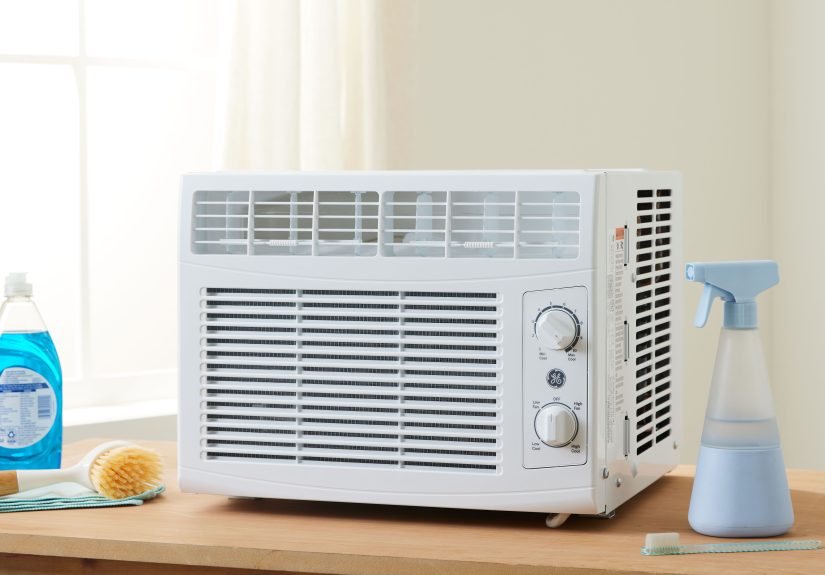
- Vacuum with a brush attachment
- Soft brush (old toothbrush works)
- Microfiber cloths or paper towels
- Spray bottle with warm water + a few drops of mild dish soap
- A shallow tub/sink for washing the filter (if reusable)
- Fin comb (optional, for straightening bent fins)
- Gloves and a mask (recommended if you suspect mold or lots of dust)
- Coil cleaner (optional; use one labeled for AC coils)
5 Easy Steps to Clean It Before Summer
Step 1: Unplug, Remove the Front Panel, and Take a “Before” Look
Pop off the front grille or cover (some slide up, some unclip, some have a couple screws). You’ll usually see the air filter right awaylike a linty little welcome mat.
Take a photo before you remove anything, especially if you’re the type who reassembles things using “vibes” and optimism.
Pull the filter out gently. If the cover is dusty, wipe it down with your soapy water spray and a cloth, then set it aside to dry.
Step 2: Clean (or Replace) the FilterThe Biggest Bang for Your Buck
The filter is your window AC’s first line of defense. When it’s clogged, airflow drops and everything inside gets dirtier faster. If your unit uses a disposable filter, replace it.
If it’s a reusable mesh filter, clean it:
- Vacuum off loose dust (both sides).
- Rinse with warm water. Add a small amount of dish soap if it’s greasy or sticky.
- Rinse again until the water runs clear.
- Let it dry completely before reinstalling. “Mostly dry” still counts as “moisture party” inside your unit.
Pro tip: If you have pets, smoke, construction dust, or a pollen-heavy spring, checking the filter every few weeks during peak season can make a noticeable difference.
Step 3: Vacuum the InteriorCoils, Fan, and the Dusty Corners You’ll Wish You Didn’t See
With the filter removed, use the vacuum brush attachment to gently clean the interior surfaces you can reach.
Focus on the evaporator coil area (typically on the indoor/front side) where dust collects.
You’re not trying to “power wash” the inside of a small appliance. Gentle passes, light pressure, and patience win here.
If you see matted dust on the coil fins, use a soft brush to loosen it, then vacuum again.
If your model allows access to the fan blade (sometimes you’ll see it deeper inside), carefully vacuum and wipe it. A dirty fan can sling grime, reduce airflow, and add noise.
Step 4: Clean the Coils and Fins (Without Turning Them into Modern Art)
Window AC units have two coil areas: the evaporator (indoor side) and the condenser (outdoor/back side). Dirty coils make your AC less efficient and more prone to odors.
Here’s a safe approach that works for most units:
- Dry clean first: vacuum and brush away loose debris.
- Light wash: mist the coils with warm soapy water. Let it sit 5–10 minutes to loosen grime.
- Wipe or gently rinse: wipe accessible areas with a damp cloth. If you rinse, use minimal water and avoid the control/electrical area.
- Check the fins: if they’re bent, airflow suffers. A fin comb can straighten them, but go slowthose aluminum fins bend if you look at them wrong.
About cleaners: a dedicated foaming coil cleaner can help on stubborn buildup. If you’re dealing with a musty smell or light surface mildew, some people use a 3% hydrogen peroxide spray.
Avoid harsh or highly corrosive cleaners on metal components. When in doubt, stick with mild detergent and water and prioritize thorough drying.
Step 5: Empty and Clean the Drip Pan + Clear the Drain (The “Smell Insurance” Step)
If your window AC smells like a damp basement auditioning for a horror movie, the drip pan and drain path are prime suspects.
Condensation needs to go somewhere, and if it can’t drain properly, water can pool. Pooling water plus dust equals “tiny ecosystem.”
What to do:
- Locate the drip pan or lower basin area (design varies by model).
- Vacuum out loose debris first.
- Wipe the pan with warm soapy water and a cloth. Use a toothbrush for corners.
- Find the drain hole/slot (often toward the rear) and clear it gently with a pipe cleaner or cotton swab.
Then let everything dry. The goal is “dry like a desert,” not “dry like a towel that’s still technically damp.”
Reassembly and a Quick Test Run
Once the filter and interior are fully dry, reinstall the filter and front cover. Plug the unit back in, run it for 10–15 minutes, and check:
- Airflow feels stronger
- Odor is improved (or at least not worse)
- No unusual rattling
- Water is draining normally (not dripping indoors)
If you still get a strong musty smell, or the unit struggles to cool, you may be dealing with deeper contamination, a drainage design issue, or a mechanical/refrigerant problem.
That’s your cue to consider a pro inspection or replacementespecially for older units.
How Often Should You Clean a Window AC?
- Filter: every 2–4 weeks during heavy use (more often with pets, smoke, or allergies).
- Deep clean (coils + pan): at least once before summer and again at the end of the season.
- Quick wipe/vacuum: monthly if the unit runs daily.
Mistakes That Make Cleaning Worse (Yes, It’s Possible)
Soaking the electronics
Light misting and careful wiping are fine. Saturating control boards and wiring is not. Keep water away from switches, displays, and the power area.
Using aggressive chemicals on coils
Strong cleaners can corrode metal or leave residues that cause odors. Mild soap and water covers most situations. If you use a specialty coil cleaner, follow the label directions.
Reinstalling the filter while it’s damp
Moisture + dust inside a closed unit can lead to mildew growth. If you only do one “extra” thing today, let the filter dry completely.
When to Call a Pro (or Replace the Unit)
DIY window air conditioner cleaning is greatuntil it isn’t. Consider professional help or replacement if:
- You see extensive mold inside the cabinet or on insulation
- The unit trips breakers, sparks, or smells like burning
- Cooling performance is poor even after cleaning the filter and coils
- There’s persistent water leaking indoors
- The unit is older and increasingly noisy or unreliable
Also remember: some well-publicized recalls have involved drainage issues that can promote mold. If your model is affected, the safest “cleaning step” may be following the manufacturer’s remedy.
FAQ: Quick Answers for Common Window AC Cleaning Questions
Can I hose down a window AC unit?
A gentle rinse on the outdoor coil area can be okay for some units when the electronics are protected and the unit is unplugged, but blasting it with a hose
(or pressure washer) can bend fins and force water into places it shouldn’t go. If you’re unsure, stick to vacuuming, brushing, and light misting.
What if the unit smells musty only when it starts?
That can happen when moisture sits on dirty coils or in the pan between cycles. Cleaning the filter, coils, and drip pan plus making sure drainage is clear usually helps.
If it persists, you may have hidden growth deeper inside the cabinet.
Do I need coil cleaner?
Not always. Mild detergent, water, brushing, and vacuuming can handle routine buildup. Coil cleaner can help when grime is stubborn, but it’s not mandatory for basic maintenance.
Real-World Experiences: What People Notice After Cleaning (The Extra )
Here’s the funny thing about cleaning a window AC: people rarely expect a dramatic changeuntil they feel one. Homeowners and renters often describe the “after” like
switching from breathing through a scarf to breathing normally. It’s not that the air is suddenly alpine-fresh; it’s that the unit stops fighting itself.
One common report is stronger airflow. When the filter is clogged and the coil fins are dust-caked, the fan can spin its heart out and still deliver a sad little breeze.
After a proper filter wash and a careful coil vacuum, the airflow frequently feels more consistent. The room cools down faster, and the AC doesn’t have to run endlessly like it’s
training for a marathon it didn’t sign up for.
Another frequent “wow” moment is odor improvement. A musty smell isn’t always full-blown mold, but it often comes from a mix of moisture and grime in the drip pan,
on the coils, or on the filter. Once the pan is wiped clean and the drain path is cleared, a lot of units stop producing that “wet sock with ambition” scent at startup.
People with allergies also tend to notice fewer sneezes when a filter goes from gray-and-furry to, well, filter-shaped again.
Then there’s the noise factor. A dirty fan blade or a clogged coil can change airflow patterns and create turbulence, rattles, and vibrations.
While cleaning won’t fix a worn motor or a loose mounting bracket, it can quiet down the “whooshing” or “struggling” sound that comes from restricted airflow.
It’s a subtle quality-of-life upgradelike finally oiling a squeaky hinge you’ve been ignoring for months.
People also talk about peace of mind. Once you’ve seen what comes out of a neglected filter (the dust, the lint, the mysterious fluff that looks like it paid rent),
you start to understand that “maintenance” isn’t an upsellit’s just basic hygiene for a machine that literally blows air at your face while you sleep.
For parents, pet owners, or anyone sharing a small space, cleaning a window AC feels less like a chore and more like reclaiming control over the indoor environment.
Finally, there’s the habit shift. After one deep clean, many people start doing quicker mini-checks: a filter rinse every few weeks, a quick vacuum around the intake,
and a peek at the drain area if the unit starts smelling off. It becomes a routinelike changing the water filter in your fridge or cleaning the lint trap in your dryerbecause the payoff
is immediate and pretty satisfying. Plus, once you’ve cleaned a window AC once, you gain a superpower: you can’t unsee the grime, which is both a curse and a strangely motivating gift.