Table of Contents >> Show >> Hide
- What “A Library That Doesn’t Lend Books” Actually Means
- 10 Clever Libraries That Don’t Lend Books
- 1) Berkeley Tool Lending Library (Berkeley, California) [1]
- 2) Oakland Tool Lending Library (Oakland, California) [2]
- 3) The Tool Library (Buffalo, New York) [3]
- 4) West Seattle Tool Library (Seattle, Washington) [4]
- 5) North Portland Tool Library (Portland, Oregon) [5]
- 6) Hillsboro Public Library’s Library of Things (Hillsboro, Oregon) [6]
- 7) Sacramento Public Library’s Library of Things (Sacramento, California) [7]
- 8) Boston Public Library’s Library of Things (Boston, Massachusetts) [8]
- 9) Cary Area Public Library District’s Library of Things (Cary, Illinois) [9]
- 10) Beinecke Rare Book & Manuscript Library (New Haven, Connecticut) [10]
- Why These Libraries Exist (And Why They’re Growing)
- How to Use a Non-Book Library Without Becoming “That Person”
- What to Borrow First (If You’re New to This World)
- Experiences That Feel Exactly Like “Libraries That Don’t Lend Books” (About )
- Conclusion: The Library Is Bigger Than Books
- References
Libraries have a branding problemin the best possible way. Say “library,” and most people picture quiet aisles, overdue fines, and that one squeaky cart wheel that haunts your dreams. But across the U.S., a growing number of “libraries” are flipping the script: they’re lending stuff, not stories. Think power drills instead of paperbacks, telescopes instead of thrillers, and ukuleles instead of… well, you get it.
This article rounds up ten clever libraries that either don’t lend books at all or have built their reputation on lending things you can’t shelve with a call number. Along the way, you’ll get practical tips (so you don’t accidentally return a sewing machine in the book dropplease don’t do that) and a few ideas for how these programs save money, reduce waste, and make neighborhoods a little more DIY-friendly.
What “A Library That Doesn’t Lend Books” Actually Means
Let’s clear up a tiny semantic plot twist. “Libraries that don’t lend books” usually fall into two camps:
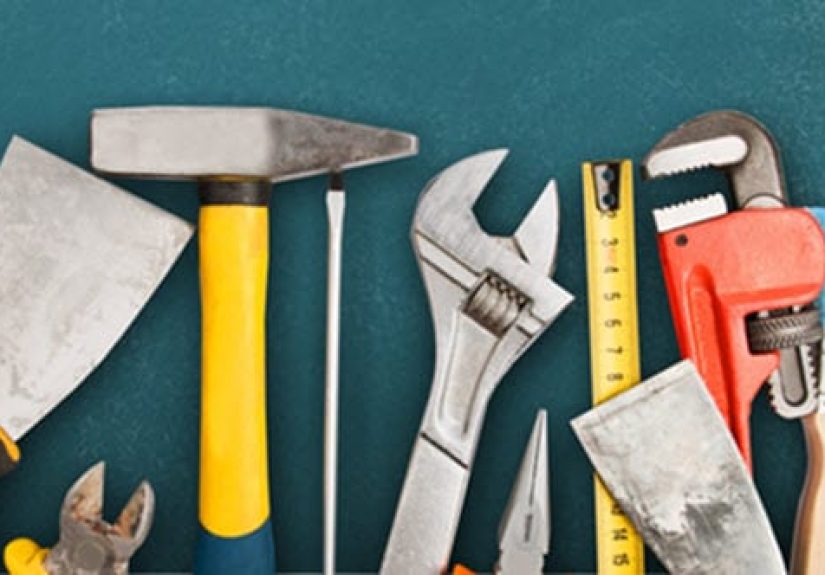
- Libraries of Things / Tool Libraries: They lend equipment, kits, or gadgetsoften through a library card or membershipso you can try, fix, build, or learn without buying.
- Non-circulating research libraries: They do have books (often rare, fragile, or historically important), but you use them onsite onlyno checkout, no backpack stowaway, no “I’ll bring it back next week, I swear.”
Either way, the big idea is the same: access over ownership. And honestly? That’s the kind of plot that deserves a sequel.
10 Clever Libraries That Don’t Lend Books
1) Berkeley Tool Lending Library (Berkeley, California) [1]
If your home project plan is “borrow a tool and then pretend you’ve always been this handy,” Berkeley understands you deeply. Berkeley Public Library’s Tool Lending Library focuses on tools for home repair, maintenance, and building projects, with borrowing eligibility tied to local residency or property ownership and an age requirement for borrowers. It’s also one of the long-running programs in this spaceproof that the “library of things” concept isn’t a fad; it’s a practical community solution.
Why it’s clever: It treats expensive, rarely-used tools like shared infrastructuremore like a sidewalk than a shopping cart.
2) Oakland Tool Lending Library (Oakland, California) [2]
Oakland’s tool lending program is the kind of place that makes you wonder why every city doesn’t do this. It offers a massive selection of tools meant for everything from repairs and remodeling to gardening. Eligibility is aimed at local residents, and the collection is big enough that you can graduate from “I need a hammer” to “I’m pretty sure I can rebuild a porch” in record time.
Why it’s clever: It turns big-ticket items into community assetsand makes “borrow, don’t buy” feel totally normal.
3) The Tool Library (Buffalo, New York) [3]
Buffalo’s nonprofit Tool Library is built around a simple promise: borrowing tools “just like a regular library”except the “book” you check out might be a miter saw. Members can access a wide range of tools, and the organization emphasizes community, volunteering, and education alongside lending.
Why it’s clever: It’s not just lending gear; it’s building a local culture of fixing, learning, and sharinglike a community workshop with a checkout desk.
4) West Seattle Tool Library (Seattle, Washington) [4]
The West Seattle Tool Library runs as a local nonprofit that offers tool checkout through memberships, with options that include shorter-term and annual choices. It also highlights a workshop spacemeaning you can do more than borrow; you can actually build. It’s a great example of how “library” can mean a whole ecosystem: tools, space, and support for getting projects done.
Why it’s clever: It lowers the entry cost of DIY while still keeping the program sustainable through memberships and donations.
5) North Portland Tool Library (Portland, Oregon) [5]
Portland has a strong tool-sharing culture, and the North Portland Tool Library is part of that story. It uses a modern lending platform for inventory browsing and includes straightforward return windows (so you’re not guessing whether the “tool fairy” accepts drop-offs at midnight). Tool libraries in Portland are often framed as a way to save money, reduce waste, and strengthen community connectionsall very on-brand for a city that loves sustainability almost as much as it loves good coffee.
Why it’s clever: It pairs community sharing with a system that’s simple enough for real lifebecause the only thing worse than buying a tool you’ll use once is trying to borrow one through chaos.
6) Hillsboro Public Library’s Library of Things (Hillsboro, Oregon) [6]
Hillsboro’s Library of Things leans into creativity and curiosity. The collection is designed for patrons to check out items ranging from Arduino kits to ukuleles to cake pans. That mix is delightful because it mirrors real life: one week you’re learning electronics, the next you’re baking something ambitious, and by the third week you’re serenading your kitchen with a chord you swear is “close enough.”
Why it’s clever: It encourages experimentationwithout requiring you to buy hobby gear for hobbies you haven’t met yet.
7) Sacramento Public Library’s Library of Things (Sacramento, California) [7]
Sacramento’s Library of Things is proudly explicit about the fun factor: it highlights items people don’t expect to find at a library, such as a GoPro, tools, and musical instruments. It’s a practical collection (home and yard needs) plus a creative collection (music and photography) rolled into onelike a “starter pack” for learning by doing.
Why it’s clever: It expands what a library can do for everyday life: fix a fence, film a family trip, or try an instrumentwithout committing your wallet to the hobby first.
8) Boston Public Library’s Library of Things (Boston, Massachusetts) [8]
Boston Public Library’s Library of Things is a masterclass in how to run non-book lending responsibly. It includes clear rules like loan length, where items must be returned, and the big one: items can’t go in the book drop. The items themselves range from practical to delightfullike telescope kits, electricity monitors, bird-watching kits, and even a ukulele. It’s a reminder that lending “things” can be both playful and well-managed.
Why it’s clever: It makes modern life easierwhether you want to test your home’s energy use or stare dramatically at the moon like you’re in an indie film.
9) Cary Area Public Library District’s Library of Things (Cary, Illinois) [9]
Cary Area Public Library District offers a Library of Things designed for holds and checkouts, with many items limited to adults due to safety and replacement-cost realities. Loan periods are typically short and structured, which makes sense: things collections work best when they circulate efficiently and stay in good condition. This is the “responsible fun” wing of the Library of Things universe.
Why it’s clever: It balances access with safetybecause “community sharing” works best when the community can keep using the stuff.
10) Beinecke Rare Book & Manuscript Library (New Haven, Connecticut) [10]
Now for the “library that doesn’t lend books” in the most literal way. Yale’s Beinecke Rare Book & Manuscript Library is a non-circulating treasure vault. Materials are consulted in the Reading Room, and they don’t leave the building. This is what happens when “checkout” would be a preservation nightmare: rare books, manuscripts, and fragile materials that require controlled conditions and careful handling.
Why it’s clever: It maximizes access while protecting irreplaceable itemslike letting you see the crown jewels without letting you wear them to brunch.
Why These Libraries Exist (And Why They’re Growing)
On paper, lending a power drill sounds like a headache. In reality, it solves problems people deal with every day. Here’s what these programs do well:
- They reduce the cost of “one-off” needs. Many households don’t need to own specialized tools, a telescope, or a sewing machine year-round.
- They cut waste and storage clutter. Sharing means fewer rarely-used items get manufactured, purchased, and eventually trashed.
- They support skill-building. Trying something once is how many people discover a lasting interestDIY repair, photography, music, gardening, maker projects.
- They strengthen community resilience. When people can fix things, maintain homes, and share resources, neighborhoods get more capable and connected.
In other words: these libraries aren’t just quirky. They’re infrastructure for everyday lifeespecially as budgets tighten and sustainability matters more.
How to Use a Non-Book Library Without Becoming “That Person”
Know the rules before you reserve
Libraries of Things often have stricter policies than book lending. Common rules include age requirements, limited renewals, and specific return locations (sometimes not the book drop). Read the borrowing notes like you’re studying for the world’s least dramatic quiz.
Inspect and inventory at checkout
Many items come with partscables, bits, attachments, cases, manuals. Take a minute to confirm everything is included so you’re not frantically searching your couch for a missing adapter the night before it’s due.
Use it safely and return it clean
Tools and equipment aren’t just “late fee” problems; they’re safety problems. Follow instructions, don’t improvise with electricity, and return items in the condition you’d want to receive them.
Plan around demand
Popular items can have wait lists. If you need something for a weekend project, place your hold early. A Library of Things is amazingbut it’s not a teleportation device.
What to Borrow First (If You’re New to This World)
If you’re curious but not sure where to start, these are “gateway items” that tend to be approachable and useful:
- Basic home-repair tools: drills, stud finders, levels, sanding tools
- Try-it hobbies: ukuleles, beginner maker kits, simple craft tools
- Seasonal helpers: yard tools, snow tools, garden tools
- Learning kits: telescopes, citizen science kits, energy monitors
The best first borrow is something you’d hate to buy because you might use it twice. That’s the sweet spot.
Experiences That Feel Exactly Like “Libraries That Don’t Lend Books” (About )
Walk into a Library of Things and you immediately feel the mental gears shift. Regular libraries whisper, “What do you want to read?” These places ask, “What do you want to do?” It’s a small difference that somehow feels like the moment a movie switches from black-and-white to color.
One of the most satisfying experiences is borrowing a tool for a problem that has been quietly annoying you for months. The cabinet door that never quite closes. The loose fence board that bangs in the wind like it’s trying to send Morse code. You pick up the tool, bring it home, and suddenly the fix is possible without a shopping trip or a $200 “I guess I’m a homeowner now” purchase. The real magic isn’t the toolit’s the permission to handle life’s small repairs without making them expensive.
Then there’s the “try a hobby without marrying it” vibe. Borrow a ukulele and you can test-drive musical optimism for a few weeks. Day one: you learn three chords and feel unstoppable. Day two: your fingers stage a peaceful protest. Day three: you play one clean chord and decide you deserve applause, snacks, and maybe a tiny trophy. Whether you stick with it or not, you got to explore a new skill with almost zero financial riskand that’s a rare deal in a world where hobbies often come with price tags big enough to require a budget meeting.
Telescope kits are another unforgettable experience. A borrowed telescope turns an ordinary night into a mini adventure. You set it up, point it at the moon, andbamcraters. Real craters. The kind that make you say, “Wait, that’s not just a glowing circle?” It’s equal parts science and wonder, and it has a funny side too: you’ll spend ten minutes feeling like a NASA genius and twenty minutes chasing the “perfect focus” like it owes you money. But even when it’s finicky, it’s the kind of finicky that teaches you something.
Libraries that don’t lend books also create a very specific flavor of community pride. You start noticing the invisible network: someone returned the tool you needed, someone kept the kit complete, someone donated that oddly specific attachment that makes your project possible. You’re participating in a quiet system of trust. And after you return your borrowed itemclean, intact, and on timeyou feel like you contributed to that system too. It’s oddly uplifting, like holding a door open for a stranger, except the door is a power drill case and the stranger is Future You (or your neighbor).
And the best part? These experiences tend to spill over into everyday life. You become the person who says, “Let’s check the library first,” before buying something you might barely use. That’s not just cleverit’s a practical habit that saves money, reduces clutter, and makes your home feel a little more capable.
Conclusion: The Library Is Bigger Than Books
Libraries that don’t lend books prove something important: a library isn’t defined by paper. It’s defined by access. Access to tools, skills, experiments, repairs, creativity, and sometimes priceless history that can’t safely leave the building. Whether you’re borrowing a drill, a telescope, or consulting a rare manuscript onsite, the mission is the samehelp people learn, solve problems, and build a better life with shared resources.
If you’ve never used a Library of Things or a tool library, try it once. You might fix something, learn something, or discover a new hobby. Worst case? You return the item and walk away with a great storyno bookshelf required.
References
- [1] Berkeley Public Library Tool Lending Library
- [2] Oakland Public Library Oakland Tool Lending Library
- [3] The Tool Library (Buffalo, NY) Membership / About
- [4] West Seattle Tool Library Membership / About
- [5] North Portland Tool Library Lending platform / Tool library info
- [6] Hillsboro Public Library Library of Things
- [7] Sacramento Public Library Library of Things
- [8] Boston Public Library Library of Things (loan rules & sample items)
- [9] Cary Area Public Library District Library of Things
- [10] Yale Beinecke Library Reading Room rules / non-circulating policy