Table of Contents >> Show >> Hide
- The Viral Hospital Bill That Sparked Online Disbelief
- Why Hospital Bills Can Look So Outrageous
- America’s Medical Billing Problem Is Bigger Than One Viral Post
- Why Patients Feel Trapped by Hospital Bills
- Could a $12,000 Bed-Related Charge Be a Billing Error?
- What To Do If You Receive an Extremely High Hospital Bill
- Why the Internet Reacted So Strongly
- The Hospital Side of the Story
- What This Story Teaches Patients
- Related Experiences: When Hospital Bills Become Their Own Medical Event
- Conclusion
Few pieces of mail can ruin a perfectly decent afternoon faster than a hospital bill. It arrives quietly, usually in a plain envelope, pretending to be just another harmless document. Then you open it and discover a number large enough to make your coffee file for emotional damages.
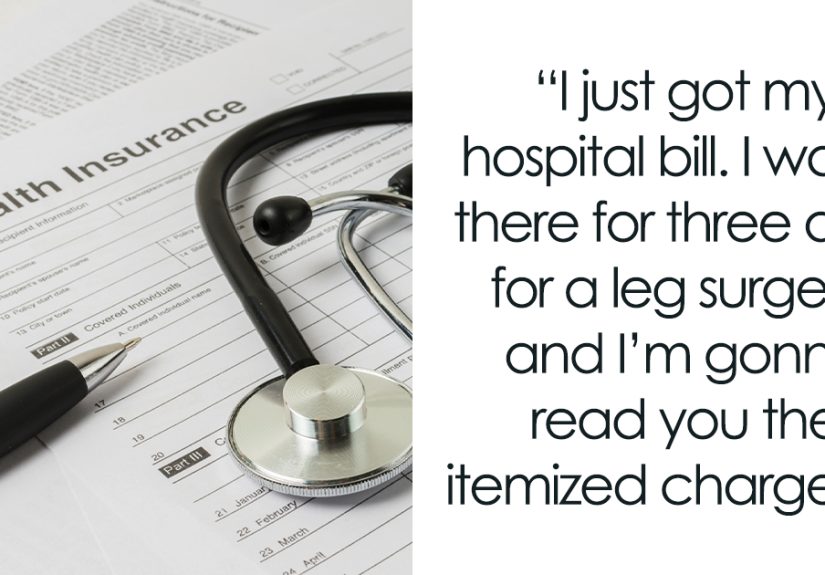
That is exactly why one woman’s viral hospital bill story hit such a nerve online. After a three-day hospital stay for leg surgery, TikTok user Sara Janell reportedly shared an itemized bill totaling more than $41,000. Among the charges that stunned viewers was a line connected to room and bed changes that added up to more than $12,000. The internet reacted the way the internet does best: with disbelief, dark humor, and a collective “Excuse me, did the sheets have Wi-Fi and a retirement plan?”
The headline-grabbing detail“$12,000 to change sheets?”is funny in a painful way, but the broader issue is not funny at all. In the United States, hospital bills can be confusing, unpredictable, and financially devastating even for people who have insurance. Charges may reflect sticker prices, negotiated insurance rates, facility fees, coding decisions, supply costs, administrative overhead, and sometimes plain old billing mistakes. By the time the patient sees the bill, it can look less like a medical statement and more like a ransom note written in accounting language.
This story is not just about one viral bill. It is about why so many Americans feel anxious about getting care, why itemized hospital bills can look absurd, and what patients can realistically do when the numbers do not make sense.
The Viral Hospital Bill That Sparked Online Disbelief
According to the viral report, Sara Janell had been hospitalized for three days after leg surgery. When she later reviewed the itemized charges, the total reportedly reached $41,288. The bill included categories such as operating room charges, recovery room services, medications, surgical supplies, laboratory work, and physical therapy.
One of the most shocking parts was the reported $12,487 charge tied to room and bed changes. For many viewers, that line item became the symbol of everything frustrating about medical billing in America. A bed change is a basic part of hospital care. Nobody imagines it should be priced like a used car with decent mileage.
Janell also reportedly questioned a physical therapy charge of $874, saying she did not receive what she understood to be physical therapy. She suggested the closest thing to it may have been assistance walking after surgery. That kind of confusion is common: hospital billing codes often describe services in broad administrative terms that may not match how a patient remembers the experience. To the billing department, “mobility assistance” or a brief assessment may fall under a service category. To the patient, it may feel like someone held their hand for a few steps and then billed them like a boutique personal trainer.
Another detail made the story even more baffling: Janell reportedly said she dealt with bedbugs during her stay. That claim struck viewers as especially outrageous because it made the large room-related charge feel even harder to justify. Whether every charge was ultimately paid, adjusted by insurance, reduced, disputed, or written off is separate from the emotional shock of seeing the initial figure. And that shock is exactly why the story spread.
Why Hospital Bills Can Look So Outrageous
The first thing to understand is that a hospital bill does not always show what a patient will actually pay. Many bills begin with “gross charges,” sometimes tied to a hospital’s chargemaster, which is essentially a list of sticker prices for services, supplies, rooms, tests, and procedures. These prices can be far higher than what insurance companies ultimately pay after negotiated discounts.
That does not mean the sticker prices are harmless. For uninsured patients, out-of-network patients, people with high deductibles, or anyone caught in a billing dispute, these numbers can matter a lot. They also affect negotiations between hospitals and insurers. In plain English, the first number on the bill may be a starting point in a financial tug-of-warbut patients are often the ones staring at the rope burns.
Charges Are Not the Same as Costs
A hospital may charge $12,000 under a room-related category, but that does not necessarily mean someone was paid $12,000 to change sheets. The charge may bundle room use, nursing support, sanitation, supplies, housekeeping, facility overhead, monitoring, maintenance, regulatory compliance, and other costs into a broad category. Hospitals run 24/7, and that infrastructure is expensive.
Still, patients are right to ask questions. A charge can be technically explainable and still feel unreasonable. When a bill uses vague labels, patients cannot tell whether they are paying for a legitimate bundle of care, a duplicate entry, an inflated facility fee, or a coding error. Transparency matters because nobody should need a medical billing decoder ring to understand why they owe money.
Insurance Adjustments Can Hide the Real Story
Many insured patients eventually receive an Explanation of Benefits, often called an EOB, from their insurer. This document shows the original charge, the insurer’s negotiated discount, what the plan paid, and what the patient may owe. Sometimes a shocking $41,000 hospital bill becomes a much smaller patient responsibility after insurance. Other times, the patient still owes thousands because of deductibles, coinsurance, denied claims, or out-of-network issues.
This is why people online often compare bills and end up more confused than informed. Two patients can have the same surgery in the same city and pay wildly different amounts depending on insurance network, plan design, hospital ownership, billing codes, and whether the service was inpatient, outpatient, emergency, or performed at an ambulatory surgery center.
America’s Medical Billing Problem Is Bigger Than One Viral Post
The anger behind the viral reaction is not random. Medical debt is a major financial burden in the United States. Many adults report delaying care, skipping prescriptions, cutting household expenses, or carrying debt because of medical and dental bills. Hospitalization and emergency care are especially common drivers of large medical debt.
Hospital care is also the largest category of national health expenditures. That means the way hospitals price services affects not only individual patients, but also insurance premiums, employer costs, public programs, and household budgets. Even if a patient does not personally receive a giant bill this year, they may still feel hospital costs through higher premiums, higher deductibles, or smaller wage growth as employers absorb benefit costs.
Compared with other high-income countries, the United States spends far more per person on healthcare, particularly on inpatient and outpatient care. The problem is not simply that Americans use hospitals more often. Research consistently points to higher prices, administrative complexity, market power, and fragmented insurance systems as major reasons U.S. healthcare is so expensive.
Why Patients Feel Trapped by Hospital Bills
Shopping for healthcare is not like shopping for a couch. If a furniture store wants $12,000 to change the bedsheets, you can leave, write a spicy review, and sleep on principle. But when you need surgery, emergency care, childbirth support, or treatment for a serious illness, you may have limited time, limited choices, and limited information.
Patients are often told to be smart consumers, but healthcare does not always behave like a normal market. You may not know which specialists will be involved in your care. You may not know whether the anesthesiologist, radiologist, lab, or assistant surgeon is in network. You may not know which billing codes will be used until after the service happens. And if you are in pain, sedated, frightened, or recovering from surgery, you are probably not in the mood to negotiate facility fees like you are buying a car.
The No Surprises Act Helps, But It Does Not Fix Everything
The No Surprises Act, which took effect in 2022, protects many insured patients from certain surprise out-of-network bills, especially in emergencies and when out-of-network providers deliver care at in-network facilities. It also gives uninsured or self-pay patients rights to good faith estimates for scheduled care and a dispute process when a bill is at least $400 higher than the estimate.
Those protections matter. But they do not apply to every high medical bill. They generally do not erase deductibles, coinsurance, denied claims, uncovered services, or all confusing facility charges. A bill can be legal and still feel shocking. That gap between “allowed under the system” and “understandable to a normal human being” is where much of the public frustration lives.
Could a $12,000 Bed-Related Charge Be a Billing Error?
It is possible. Medical bills can contain mistakes, including duplicate charges, incorrect codes, services that were ordered but not performed, supplies that were never used, or out-of-network charges that should have been processed differently. Sometimes the problem is not one giant error but several smaller ones that add up like a very annoying subscription service.
Patients should not assume every strange charge is wrong, but they also should not assume every charge is correct just because it appears on official-looking paper. Hospitals and insurers are large systems run by humans, software, codes, contracts, and deadlines. That combination can produce impressive careand equally impressive confusion.
Common Medical Billing Issues to Watch For
Patients reviewing a hospital bill should look for duplicate line items, incorrect dates, services that do not match the care received, charges for canceled procedures, medication quantities that seem impossible, supplies that were not used, and providers who appear out of network despite the facility being in network. For surgery patients, anesthesia, operating room time, recovery room time, implants, imaging, labs, and therapy charges deserve special attention.
It is also wise to compare the bill with the insurer’s Explanation of Benefits. The hospital bill says what the provider wants to collect. The EOB explains how the insurer processed the claim. If the two do not match, that is not automatically fraud, but it is a reason to start asking very specific questions.
What To Do If You Receive an Extremely High Hospital Bill
The worst move is to panic-pay a bill you do not understand. The second-worst move is to ignore it completely and hope it gets bored and leaves. A better strategy is to slow the process down, gather documents, and ask for explanations in writing.
1. Ask for an Itemized Bill
Do not settle for a summary that says “hospital services” next to a number that could buy a small boat. Ask for a fully itemized bill that includes billing codes, dates of service, quantities, and provider names. This helps you see whether the charges match the care you received.
2. Compare It With Your Insurance EOB
Your Explanation of Benefits should show what was billed, what was discounted, what insurance paid, and what you may owe. If a claim was denied, find out why. Sometimes denials happen because of missing paperwork, incorrect coding, lack of prior authorization, or network confusion. Those issues may be appealable.
3. Call the Billing Office and Take Notes
When you call, write down the date, time, representative’s name, and what was said. Ask what each unclear charge means. Ask whether the bill has been fully processed by insurance. Ask whether any discounts, charity care, hardship programs, or payment plans are available. Polite persistence can work wonders, even if your inner voice is screaming into a throw pillow.
4. Dispute Charges That Do Not Match Your Care
If you see a physical therapy charge but believe you never received physical therapy, ask the hospital to explain the service and provide documentation. If there is a room-related charge that seems excessive, ask what is included in that category. If you were charged for medication or supplies you did not receive, request a correction.
5. Ask About Financial Assistance
Many nonprofit hospitals have financial assistance or charity care policies. Eligibility often depends on income, household size, insurance status, and state rules. Some patients assume they earn too much to qualify, but that is not always true, especially when the bill is large relative to income. Ask before giving up.
6. Escalate When Necessary
If the provider will not help, contact your insurer, file an internal appeal, ask for an external review when appropriate, or contact your state insurance department. For potential No Surprises Act violations, federal complaint channels may apply. Patient advocacy organizations can also help people navigate complex bills.
Why the Internet Reacted So Strongly
The viral bill became a social media lightning rod because it gave people a simple, absurd-sounding number to attach to a complicated national problem. “$12,000 to change sheets” is not a policy paper, but it communicates the emotional experience of U.S. healthcare billing better than a 40-page report ever could.
People are not just angry about money. They are angry about uncertainty. They are angry that illness can become debt. They are angry that a person can do everything “right”have insurance, go to a hospital, follow medical adviceand still end up decoding a bill that looks like it was assembled by a raccoon with accounting software.
The story also highlights a trust problem. When patients see charges that do not match their lived experience, they begin to doubt the entire system. That doubt can lead people to delay care, avoid emergency rooms, skip follow-up appointments, or ration medication. A confusing bill is not merely a customer service issue; it can become a public health issue.
The Hospital Side of the Story
It is fair to acknowledge that hospitals face real costs. They must staff facilities around the clock, maintain sterile environments, buy expensive equipment, comply with regulations, handle cybersecurity threats, treat patients regardless of ability to pay in emergencies, and fight with insurers over prior authorizations and denied claims. Rural hospitals and safety-net hospitals may operate under especially intense financial pressure.
However, acknowledging hospital costs does not mean patients should accept confusing or inflated bills without question. Both things can be true: hospitals are expensive to run, and patients deserve clear, accurate, humane billing. A system that requires patients to become part-time claims auditors after surgery is not exactly winning “Best Supporting Actor in Recovery.”
What This Story Teaches Patients
The main lesson is not “never go to the hospital.” That would be dangerous advice. If you need emergency care, get emergency care. If you need surgery, follow medical guidance. The smarter lesson is this: treat medical bills as documents to review, not commands from a mountain.
Ask for itemization. Verify codes. Compare with your EOB. Appeal denials. Request discounts. Apply for financial assistance. Keep records. Get help if you feel overwhelmed. Hospitals, insurers, and billing departments may speak in codes, but patients have rightsand questions are allowed.
Related Experiences: When Hospital Bills Become Their Own Medical Event
For many Americans, the hospital bill arrives after the physical pain has started to fade, which makes it feel like a surprise sequel nobody requested. The stitches are healing, the swelling is down, the patient has finally figured out how to shower without turning the bathroom into a low-budget water parkand then the statement appears. Suddenly, recovery includes a spreadsheet.
One common experience involves patients receiving multiple bills from the same hospital visit. A person may think they have paid the hospital, only to receive a separate bill from the surgeon, another from anesthesia, another from radiology, another from the lab, and maybe one more from a provider they do not remember meeting. This is especially common in surgeries and emergency care, where several departments and clinicians can be involved. To patients, it feels like buying one sandwich and being billed separately by the bread, lettuce, tomato, plate, napkin, and the person who emotionally supported the mustard.
Another familiar story is the “I thought this was covered” moment. A patient chooses an in-network hospital, confirms coverage, and still receives a bill because one provider involved in the care was out of network, a claim was denied, or a service was coded differently than expected. The No Surprises Act has reduced some of the worst out-of-network billing traps, but it has not eliminated every confusing or expensive scenario. Patients still run into deductibles, coinsurance, facility fees, and coverage rules that seem to have been written during a thunderstorm.
Parents often describe similar sticker shock after childbirth. Even uncomplicated births can generate separate charges for delivery, room and board, newborn care, anesthesia, labs, medications, and pediatric checks. New parents may still be learning how to install a car seat when a bill arrives under the baby’s name. Nothing says “welcome to the world” quite like receiving mail before you can hold your own neck up.
Patients with chronic conditions face a different kind of stress. For them, billing is not a one-time headache but a recurring chore. Every specialist visit, imaging test, prescription change, infusion, lab panel, or emergency flare-up can create another round of claims and statements. Over time, even modest bills can stack into debt. The emotional burden is real: people may begin weighing medical decisions not only by what their doctor recommends, but by what their bank account can survive.
There are also success stories. Some patients have reduced bills by requesting itemized statements and finding duplicate charges. Others have won insurance appeals after proving a service was medically necessary. Some have qualified for hospital financial assistance after initially assuming they would be rejected. Many have negotiated interest-free payment plans or discounts for prompt payment. The process is rarely fun, but it can work.
The most useful habit is to become organized early. Keep a folder with bills, EOBs, receipts, denial letters, doctor notes, and call logs. Ask for names and reference numbers during every phone call. Confirm promises in writing. Do not be embarrassed to ask what a code means. Billing language is not common sense; it is a specialized dialect spoken fluently by software and approximately seven humans.
Sara Janell’s viral bill resonated because it turned private frustration into public conversation. Her experience reminded people that behind every shocking hospital charge is a patient who was probably trying to heal, not audition for a financial obstacle course. Whether the final amount owed is reduced by insurance, corrected after review, negotiated down, or disputed, the initial confusion matters. A healthcare system should not leave patients wondering whether changing sheets costs more than a vacation.
Conclusion
The viral question“$12,000 to change sheets?”may sound like a punchline, but it points to a serious problem in American healthcare: patients often cannot understand, predict, or verify the costs of care. Hospital bills can include legitimate expenses, negotiated insurance math, administrative overhead, and occasional errors all mixed into one intimidating document.
The best response is not panic. It is action. Request an itemized bill, compare it with your insurance paperwork, dispute anything that does not match your care, ask about financial assistance, and appeal denials when appropriate. A hospital bill may be complicated, but it is not sacred scripture. Patients have every right to ask, “What exactly am I being charged for?”especially when the sheets appear to have been priced like couture bedding.