Table of Contents >> Show >> Hide
- Introduction: Basil Is Generous, but Only If You Harvest It the Right Way
- Why Harvesting Basil Correctly Matters
- When to Start Harvesting Basil
- How to Harvest Basil so It Keeps Growing
- How Much Basil Can You Harvest at One Time?
- Should You Pinch Basil or Cut It?
- Why You Should Remove Basil Flowers
- Common Basil Harvesting Mistakes
- How to Harvest Basil for Different Uses
- How to Store Freshly Harvested Basil
- How to Keep Basil Growing After Each Harvest
- Harvesting Basil Near the End of the Season
- Experience-Based Tips: What Basil Teaches You After a Few Seasons
- Conclusion: Harvest Basil Like You Mean It
Note: This article is written for home gardeners who want bigger, bushier basil plants and fewer sad, leggy stems waving goodbye from the patio.
Introduction: Basil Is Generous, but Only If You Harvest It the Right Way
Basil is one of those herbs that makes a garden feel instantly more successful. One minute you have a small green plant in a pot, and the next you are emotionally attached to it, naming it “Pesto Pete” and checking on it before you check your email. But here is the secret many beginners miss: basil does not keep producing because you leave it alone. Basil keeps growing because you harvest it often, carefully, and in the right place.
If you simply pluck random leaves from the bottom of the plant, you may get enough for one sandwich, but you will also encourage a tall, skinny basil plant that looks like it is auditioning to be a tiny palm tree. The better method is to harvest basil by cutting stems just above a leaf node. That small action tells the plant to branch out, grow fuller, and produce more tender leaves for weeks or even months.
This guide explains exactly how to harvest basil so it keeps growing all season long. You will learn when to start, where to cut, how much to take, how to prevent flowering, how to harvest for pesto, and how to store basil without turning it into a black, limp science experiment in the refrigerator.
Why Harvesting Basil Correctly Matters
Basil is an annual warm-season herb, which means it naturally wants to grow, flower, produce seed, and call it a season. Your job as the gardener is to politely interrupt that life plan. Regular harvesting keeps the plant focused on leafy growth instead of seed production. In simple terms, you are saying, “Not today, flowers. We are making pasta.”
When basil is harvested correctly, it becomes bushier because new side shoots develop from the nodes below the cut. A node is the point on the stem where leaves grow out. If you cut just above that point, the plant often responds by sending out two new branches. Do that repeatedly, and one stem can become a fuller, more productive plant.
Incorrect harvesting usually causes the opposite effect. Picking only the largest lower leaves leaves the stem bare. Cutting too low can weaken the plant. Waiting too long allows flower buds to form, which can reduce leaf production and change the flavor. Basil is not difficult, but it does appreciate good manners.
When to Start Harvesting Basil
You can begin harvesting basil once the plant has enough foliage to keep growing after you cut it. A good rule is to wait until the plant is about 6 to 8 inches tall and has several sets of healthy leaves. If the plant is still tiny, take only a few leaves or wait a little longer. A baby basil plant needs solar panels, not a haircut.
For basil grown from seed, harvesting usually begins several weeks after germination, depending on warmth, sunlight, soil fertility, and watering. Transplants from a nursery can often be harvested sooner because they already have a stronger root system and more developed stems.
Best Time of Day to Harvest Basil
The best time to harvest basil is in the morning after the dew has dried but before the day becomes hot. Morning harvesting gives you leaves with better aroma, fresher texture, and less stress on the plant. Basil leaves contain flavorful oils, and heat can make leaves wilt more quickly after cutting.
If you need basil at 6 p.m. for pizza, go ahead and harvest it. Fresh basil is not going to file a complaint. But for larger harvests, especially if you plan to make pesto or preserve the leaves, morning is the sweet spot.
How to Harvest Basil so It Keeps Growing
The golden rule is simple: cut stems, not random leaves. You can pinch or snip off individual leaves for a quick garnish, but regular stem harvesting is what keeps basil productive and full.
Step 1: Find a Healthy Stem
Choose a stem with several sets of leaves. Look for firm, green growth and avoid stems that are yellowing, diseased, or damaged. If you see flower buds forming at the top, that stem should be harvested or pinched immediately.
Step 2: Locate a Leaf Node
Look down the stem until you find a pair of leaves growing opposite each other. That point is the node. You may also see tiny new leaves forming in the angle between the stem and the leaf. Those tiny shoots are future branches. Treat them like VIP guests.
Step 3: Cut Just Above the Node
Using clean scissors, garden snips, or your fingers, cut the stem about one-quarter inch above the node. Do not leave a long bare stub, and do not cut directly into the node. A clean cut helps the plant recover faster and encourages branching.
Step 4: Leave Enough Leaves Behind
Never strip the plant completely. Leave several healthy leaves on each stem so the plant can continue photosynthesizing. For a young plant, take only the top portion. For a larger, established plant, you can harvest more generously, but avoid removing the entire plant unless you are doing a final harvest before frost.
Step 5: Repeat Often
Harvest basil every week or two during active growth. Frequent light harvesting is better than ignoring the plant for a month and then chopping it in a panic because it looks like a green chandelier. Regular harvesting keeps the plant compact, productive, and flavorful.
How Much Basil Can You Harvest at One Time?
For routine harvesting, take no more than one-third of the plant at a time. Mature basil can tolerate heavier cutting, but the safest approach for continuous growth is moderate, repeated harvesting. If your basil plant is large, healthy, and growing quickly in warm weather, it can bounce back surprisingly fast.
For a major pesto harvest, cut several stems above nodes while leaving enough leafy growth at the base. The plant may look smaller for a few days, but if it has warmth, sunlight, and moisture, it should push out new side shoots. Think of it as a haircut, not a demolition project.
Should You Pinch Basil or Cut It?
Both methods work. Pinching is convenient for tender young stems. Simply use your thumb and forefinger to pinch off the growing tip just above a leaf pair. For thicker stems, scissors or pruning snips are better because they make a cleaner cut and reduce bruising.
If you harvest often, keep a small pair of clean kitchen scissors near your basil pot. This tiny habit makes you more likely to harvest correctly instead of grabbing random leaves while your pasta water boils over dramatically in the background.
Why You Should Remove Basil Flowers
Basil flowers are pretty, and pollinators love them. However, if your main goal is a steady supply of tender leaves, remove flower buds as soon as they appear. Once basil starts flowering and setting seed, the plant shifts energy away from leafy growth. The leaves may also become stronger, sharper, or slightly bitter.
To remove flowers, pinch or cut the flowering stem back to a lower leaf node. Do not just remove the tiny flower cluster at the very tip if the stem has already stretched. Cut lower so the plant can branch again. If you want to support pollinators, consider letting one basil plant flower while keeping your main kitchen plants trimmed for leaf production.
Common Basil Harvesting Mistakes
Mistake 1: Picking Only the Bottom Leaves
This is the classic beginner mistake. Removing lower leaves gives you a tall, bare plant with a tuft of leaves at the top. It may still live, but it will not be the lush basil bush you imagined when you bought that cute terracotta pot.
Mistake 2: Waiting Too Long
If you wait until the plant is huge and flowering, you have missed the best window for tender, sweet leaves. Start harvesting when the plant is young but established, then continue regularly.
Mistake 3: Cutting Too Low
Cutting almost to the soil can shock the plant, especially if it is small. Always leave enough leaves and stems for regrowth. Basil is generous, but it is not magic.
Mistake 4: Using Dirty Tools
Clean scissors help reduce the spread of disease. This matters even more if you grow several basil plants close together. A quick wash or wipe before harvesting is a small step that can prevent bigger problems.
Mistake 5: Harvesting Wet Leaves for Storage
Wet basil bruises easily and spoils faster. If you are harvesting for storage, choose dry leaves and handle them gently. Basil has the personality of a diva in a silk robe: beautiful, fragrant, and easily offended by rough treatment.
How to Harvest Basil for Different Uses
For Fresh Cooking
Harvest small stems or leaves right before cooking. Fresh basil is best added near the end of cooking because prolonged heat can dull its flavor. Tear or slice leaves just before using them in salads, pasta, pizza, sandwiches, soups, or tomato dishes.
For Pesto
For pesto, harvest several healthy stems in the morning. Remove the leaves from the stems, rinse only if needed, and dry them thoroughly. Excess water can make pesto thin and dull. A salad spinner works well, followed by a clean towel if the leaves are still damp.
For Drying
Basil can be dried, but it often loses some of its bright flavor. If you dry it, harvest clean stems before flowering, bundle them loosely, and hang them in a warm, shaded, well-ventilated place. Store dried basil in an airtight container away from light and heat.
For Freezing
Freezing is often better than drying for preserving basil flavor. Chop basil and freeze it in ice cube trays with water or olive oil. You can also freeze pesto in small portions. Frozen basil will not look like fresh basil when thawed, but it works beautifully in sauces, soups, and cooked dishes.
How to Store Freshly Harvested Basil
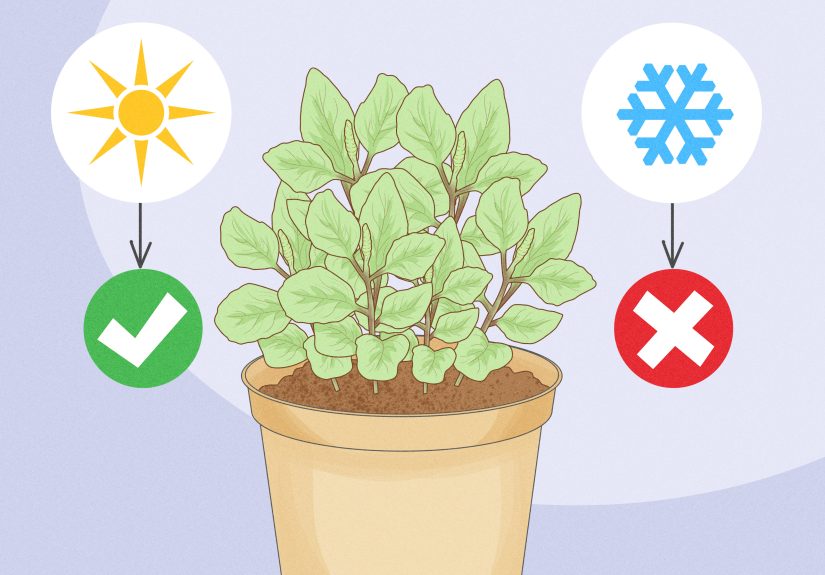
Fresh basil is sensitive to cold. Storing it in the refrigerator can cause dark spots or blackened leaves, especially if the temperature is too low. For short-term storage, place cut stems in a glass of water like a small bouquet and keep them at room temperature away from direct sun. Loosely cover the leaves with a plastic bag if your kitchen is dry.
If you must refrigerate basil, protect it from cold air and use it quickly. For best flavor, harvest only what you need for immediate use. Basil is at its finest when it travels from plant to plate with very little drama in between.
How to Keep Basil Growing After Each Harvest
Good harvesting helps, but basil also needs the right growing conditions. Give it plenty of light, warm temperatures, consistent moisture, and well-drained soil. Basil likes moisture but hates soggy roots. If the soil stays wet for too long, root problems can develop.
Container-grown basil dries out faster than basil planted in the ground, so check pots often during hot weather. Water deeply when the top inch of soil feels dry. Mulch can help outdoor basil retain moisture and reduce stress during summer heat.
Do not overfertilize. Too much fertilizer can create lush growth with weaker flavor. Basil should grow steadily, not like it is training for a bodybuilding competition.
Harvesting Basil Near the End of the Season
Basil is tender and does not tolerate frost. When cold nights approach, plan a final harvest. Cut healthy stems before frost damages the leaves. Use them fresh, make pesto, freeze chopped basil, or dry some for winter cooking.
If your basil is growing in a container, you can try bringing it indoors before cold weather arrives. Place it in a bright window and continue harvesting lightly. Indoor basil may not grow as vigorously as outdoor summer basil, but it can still provide fresh leaves for a while.
Experience-Based Tips: What Basil Teaches You After a Few Seasons
After growing basil for several seasons, one lesson becomes very clear: the best basil plants belong to gardeners who are not afraid to cut them. New gardeners often treat basil like a precious museum object. They water it, admire it, rotate the pot, and whisper encouraging things to it, but they barely harvest. Then the plant grows tall, flowers early, and stops producing the sweet, tender leaves they wanted.
The most productive basil plants I have seen were harvested early and often. The first cut always feels slightly wrong because the plant looks so young. But once you pinch the main stem above a node, the magic begins. A few days later, two small shoots appear. Then those shoots become branches. Cut those branches correctly, and the plant becomes fuller again. Basil rewards confident pruning.
Another practical experience: keep basil near the kitchen if possible. A plant tucked in a far corner of the yard is easy to forget. A basil pot near the back door gets used. You notice flower buds sooner, harvest more often, and toss fresh leaves into meals without making it a gardening expedition. Convenience leads to better care.
In hot summer weather, basil can go from perfect to stressed quickly. If the leaves droop in the afternoon but recover by evening, the plant may simply be reacting to heat. If the soil is dry, water deeply. If the plant constantly wilts, check whether the pot is too small, the soil drains poorly, or the roots are overheating. A larger container and a layer of mulch can make a noticeable difference.
One of the best habits is doing a quick “basil inspection” every few days. Look for flower buds, yellow leaves, pests, and long stems that need cutting. This takes less than a minute. Pinch a tip here, remove a bud there, and suddenly you are managing the plant like a calm garden professional instead of performing emergency pesto surgery in August.
For big harvests, do not wait until every leaf is enormous. Medium-sized leaves often have better texture and flavor. Very large older leaves can still be useful, especially in cooked dishes, but the sweetest harvest usually comes from healthy, actively growing stems before flowering.
Finally, grow more than one basil plant if you cook with it often. One plant can provide a nice garnish supply. Three to five plants can support regular cooking. A row of basil can turn you into the neighborhood pesto dealer, which is not a bad reputation to have.
Conclusion: Harvest Basil Like You Mean It
Learning how to harvest basil so it keeps growing all season long is mostly about timing, placement, and consistency. Start when the plant is established, cut stems just above leaf nodes, leave enough foliage behind, and remove flower buds before they take over. Harvest in the morning when possible, use clean tools, and store fresh basil gently.
The more you practice, the easier it becomes. Basil is not a one-time crop; it is a conversation. You cut, it branches. You pinch, it grows fuller. You remove flowers, it keeps making leaves. Treat it well, and your basil plant will keep showing up for pasta night, pizza night, tomato salad night, and every “oops, this soup needs something” moment of the season.