Table of Contents >> Show >> Hide
- Before You Start: 4 Quick Rules That Save Shoes
- A Quick Look at the Best Method for Each Shoe Type
- Method 1: Use Dish Soap and Warm Water for Fresh Acrylic Paint
- Method 2: Use Rubbing Alcohol for Dried Acrylic Paint on Canvas or Mesh
- Method 3: Use a Material-Safe Spot Treatment for Leather, Suede, or Nubuck Shoes
- Common Mistakes That Make Acrylic Paint Harder to Remove
- How to Prevent Acrylic Paint Stains on Shoes Next Time
- Frequently Asked Questions
- Final Thoughts
- Real-Life Experiences: What Actually Happens When Paint Meets Shoes
- SEO Tags
Getting acrylic paint on your shoes can feel like a tiny personal betrayal. One minute you’re being creative, productive, and possibly very proud of your masterpiece. The next minute, your sneaker looks like it lost a fight with a paintbrush. The good news? Acrylic paint is usually removable, especially if you match the cleaning method to the shoe material and don’t panic-scrub like you’re trying to erase a bad life choice.
This guide breaks down 3 simple ways to get acrylic paint off shoes, whether the splatter landed on canvas sneakers, mesh trainers, leather shoes, or suede pairs that already act dramatic on a normal day. You’ll also learn what not to do, because some cleaning “hacks” are less helpful and more “congratulations, now the shoe is damaged too.”
Before You Start: 4 Quick Rules That Save Shoes
Before jumping into the three methods, a little prep goes a long way. In fact, most paint-removal disasters happen because people skip these basics and go straight to soaking, scrubbing, or pouring on whatever bottle is closest.
1. Figure out whether the paint is wet or dry
Fresh acrylic paint is much easier to lift than fully dried paint. If the spill just happened, blot away the extra paint with a paper towel or clean cloth. Don’t rub. Rubbing spreads the paint and pushes it deeper into the fibers or surface texture.
2. Check the shoe material
Canvas and mesh are usually more forgiving. Leather needs a gentler hand. Suede and nubuck want even less moisture and way more patience. If your shoes combine materials, treat each section like its own little cleaning project.
3. Remove loose paint first
If the paint has dried, gently lift what you can using a dull spoon, plastic card, or your fingernail. The goal is to remove the top layer without grinding the stain further into the shoe.
4. Skip the “nuclear option” unless you want new problems
Paint thinner, harsh bleach, and random heavy-duty solvents can damage color, stitching, coatings, and delicate materials. Acrylic paint is water-based, so the smartest move is to start with the gentlest method and work upward only as needed.
A Quick Look at the Best Method for Each Shoe Type
| Shoe Material | Best First Method | Use Caution With |
|---|---|---|
| Canvas | Mild soap and warm water | Over-soaking, bleach, high heat |
| Mesh | Mild soap, then rubbing alcohol if needed | Hot water, harsh chemicals |
| Leather | Gentle cloth cleaning or leather-safe spot treatment | Acetone, soaking, rough scrubbing |
| Suede/Nubuck | Dry brush, eraser, minimal liquid | Water saturation, aggressive rubbing |
| Rubber Soles | Soap and water or gentle spot cleaning | Overly abrasive tools |
Method 1: Use Dish Soap and Warm Water for Fresh Acrylic Paint
If the paint is still wet or only partly dry, this is the best place to start. It’s simple, cheap, and usually effective on canvas shoes, fabric sneakers, mesh shoes, and even rubber trim. This method is also the least likely to make your shoes regret knowing you.
What you’ll need
- Mild dish soap or mild laundry detergent
- Warm water
- A soft cloth, sponge, or toothbrush
- Paper towels or a dry clean cloth
How to do it
- Blot off as much wet paint as possible with a paper towel or cloth.
- Mix a small amount of mild soap into warm water.
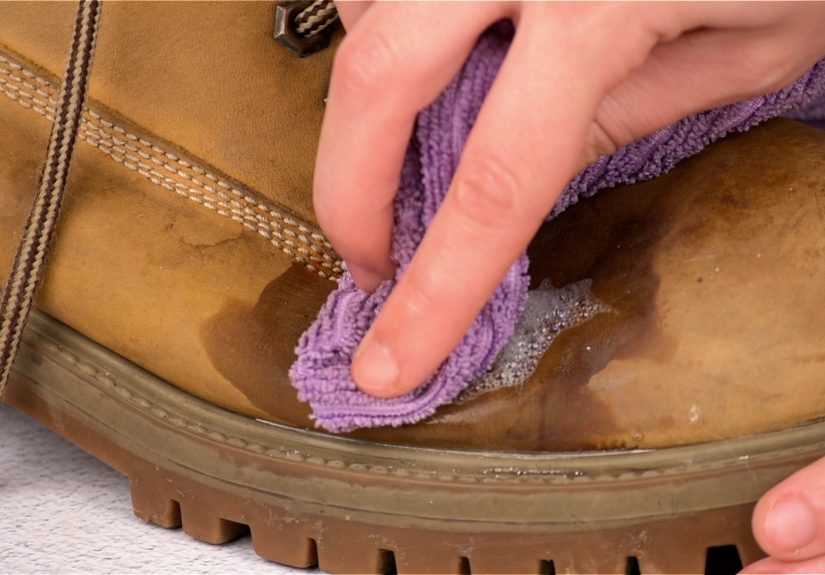
- Dip a cloth or soft brush into the solution and gently work on the stained area.
- Use light circular motions on canvas or mesh. On leather, use a soft cloth and less water.
- Wipe away loosened paint with a clean damp cloth.
- Repeat until the stain stops lifting.
- Let the shoes air-dry at room temperature.
Why this works
Acrylic paint is water-based when fresh, so warm water and mild soap can loosen it before it fully bonds to the surface. That’s why acting quickly matters. If you catch the spill early, you may remove most of it before it becomes a full-on restoration project.
Best for
- Fresh acrylic paint on canvas sneakers
- Wet paint on mesh running shoes
- Paint smudges on rubber midsoles or toe caps
- Light surface paint on smooth leather
What to avoid
Don’t dump the whole shoe into a sink of water unless the brand specifically says that’s okay. Too much soaking can weaken shape, glue, and structure. Also avoid the dryer, hair dryers on high heat, or leaving shoes in blazing sun to “speed things up.” Fast drying sounds clever until the material warps.
Method 2: Use Rubbing Alcohol for Dried Acrylic Paint on Canvas or Mesh
If the paint has already dried and the soap-and-water method barely made a dent, rubbing alcohol is usually the next best move. This is one of the most practical ways to remove dried acrylic paint from shoes, especially from canvas, fabric, mesh, and certain rubber areas.
Think of this as the “okay, we tried being nice” method.
What you’ll need
- Rubbing alcohol (isopropyl alcohol)
- Cotton balls or a clean white cloth
- A soft toothbrush
- A dry cloth for blotting
How to do it
- Gently scrape away any flaky, dried paint from the surface.
- Dampen a cotton ball or cloth with rubbing alcohol. Don’t soak it to the point of dripping.
- Blot the paint stain first, then lightly rub to encourage the paint to lift.
- Use a soft toothbrush to loosen stubborn bits on textured canvas or mesh.
- Wipe the area with a damp cloth to remove residue.
- Repeat in small rounds instead of attacking the whole stain at once.
- Let the shoes air-dry fully.
Why this works
Once acrylic paint dries, plain soapy water may not be enough. Rubbing alcohol can help soften the dried paint film so it lifts from the material more easily. On canvas and mesh, this is often the difference between “visible stain forever” and “you can barely tell anything happened.”
Best for
- Dried acrylic paint on canvas shoes
- Paint specks on mesh athletic shoes
- Small paint marks on rubber edges
- Spot treatment on certain non-delicate shoe sections
Use caution if your shoes are colored
Rubbing alcohol can affect dye or finish on some materials. That’s why a hidden-spot test matters. If color transfers to your cloth immediately, stop and switch to a gentler method.
When not to use this method first
Don’t reach for rubbing alcohol as your first move on suede, nubuck, or delicate finished leather. Those materials usually respond better to dry tools, suede care products, or very minimal spot treatment. Alcohol can help in some cases, but it needs a lighter hand and better judgment.
Method 3: Use a Material-Safe Spot Treatment for Leather, Suede, or Nubuck Shoes
If your shoes are leather, suede, or nubuck, stop right here before you start scrubbing them like canvas. These materials are beautiful, but they are not fans of random cleaning experiments. The safest way to get acrylic paint off leather shoes or remove paint from suede shoes is to work slowly, use minimal liquid, and treat the stain based on texture.
For smooth leather shoes
If the paint is fresh, start with a barely damp cloth and a little mild soap. Wipe gently and patiently. If some paint remains and the shoe passes a spot test, use a tiny amount of rubbing alcohol on a cotton swab or lint-free cloth. Work only on the paint mark, not the entire shoe.
Afterward, wipe the area clean and consider using a leather conditioner once the shoe is dry. Leather can dry out after stain treatment, and a conditioner helps restore flexibility and finish.
For suede or nubuck shoes
Suede is the diva of the shoe world. It looks fantastic, hates moisture, and punishes impatience. Start dry:
- Let the paint dry if it’s smeared and wet. Trying to wipe wet paint on suede often makes the stain spread.
- Use a suede brush or clean soft brush to lift surface debris.
- Try a suede eraser, pencil eraser, or specialty eraser bar to work at the stain.
- If needed, lightly dampen a cloth with suede cleaner, white vinegar, or rubbing alcohol and work only on the stained spot.
- Let it dry completely, then brush again to restore the nap.
Why this works
Leather and suede don’t just hold color; they also react to moisture, friction, and harsh chemicals. Minimal spot treatment helps you target the paint without stripping the finish or flattening the material. For suede especially, dry tools are often the hero before any liquid enters the chat.
What to avoid on leather and suede
- Acetone or nail polish remover on delicate finishes
- Heavy soaking
- Hard scrubbing with stiff brushes
- Direct heat while drying
- Using the same aggressive method on the whole shoe
Common Mistakes That Make Acrylic Paint Harder to Remove
Sometimes the paint stain itself isn’t the real problem. The problem is the ten heroic-but-questionable things that happen in the five minutes after the spill. Here are the biggest mistakes to avoid:
Scrubbing a wet stain immediately
This usually spreads the paint into a larger area. Blot first, then clean.
Using too much water
Canvas may tolerate more moisture than suede, but almost no shoe benefits from being drenched. Too much water can affect glue, shape, dye, and finish.
Trying harsh solvents too early
If mild soap would have solved the problem, paint thinner is just overkill with a side of regret.
Ignoring the material
A leather sneaker and a suede boot should not be cleaned the same way. If your shoe has mixed materials, treat each area differently.
Using heat to dry faster
Heaters and dryers can warp shoes, weaken glue, and damage delicate fabrics. Air-drying is boring but dependable, like the friend who always remembers the reservation.
How to Prevent Acrylic Paint Stains on Shoes Next Time
Sure, learning how to remove acrylic paint from sneakers is useful. But not getting paint on them in the first place? Even better.
- Wear old shoes when painting or crafting
- Use a drop cloth or cardboard under your workspace
- Keep a damp cloth nearby for quick cleanup
- Apply a fabric or shoe protector to appropriate materials
- Tie back laces or remove them before messy projects
If you paint shoes on purpose as a DIY project, use products made for that surface. Regular acrylic may not flex well on leather or high-movement areas unless it’s formulated for footwear.
Frequently Asked Questions
Can acrylic paint come off shoes completely?
Sometimes yes, especially if you catch it early. Fresh paint is much easier to remove than dried paint. On porous materials like canvas or suede, you may still see a faint shadow if the paint sat too long.
Can I use nail polish remover?
It’s not a great first choice for most shoes. It can be too harsh for leather, suede, adhesives, and some dyed fabrics. Safer methods usually work better without adding damage.
Can I put paint-stained shoes in the washing machine?
Usually no. Many shoe brands recommend hand-cleaning and air-drying instead. Washing machines can be rough on structure, glue, and delicate materials.
What if only the rubber sole has paint on it?
That’s the easiest area to clean. Start with soap and warm water, then try a little rubbing alcohol on a cloth if needed.
Will vinegar remove acrylic paint from shoes?
It can help in some spot-cleaning situations, especially on certain stains and some suede-care routines, but it isn’t universal. It should be used lightly and only after a hidden-area test.
Final Thoughts
If you’re trying to figure out how to get acrylic paint off shoes, the best approach is not the most dramatic one. It’s the most appropriate one. Fresh paint usually responds to mild soap and warm water. Dried paint often needs rubbing alcohol on canvas or mesh. Leather and suede need a gentler, more material-specific touch.
In other words: match the method to the shoe, start small, and don’t treat every sneaker like it’s made from the same mysterious fabric invented by chaos. With a little patience, there’s a very good chance your shoes can return to their regularly scheduled life.
Real-Life Experiences: What Actually Happens When Paint Meets Shoes
In real life, acrylic paint on shoes rarely appears in a neat little dot that politely waits for cleanup. It usually shows up during a chaotic moment: a kid’s art project, a rushed room makeover, a DIY sign that got ambitious, or one of those “I’ll just wear these nice sneakers for a second” decisions that instantly ages badly.
One common experience is the fresh-splatter panic. Someone notices wet blue or white paint on the toe of a canvas sneaker and immediately starts rubbing it with the nearest paper towel. That usually turns one small blob into a soft pastel tragedy. The better move is less dramatic: blot, pause, mix mild soap and water, and work slowly. People are often surprised by how much fresh acrylic comes out when they stop trying to win a wrestling match against the stain.
Another very relatable experience happens with dried paint on mesh running shoes. The stain gets ignored at first because it “doesn’t look that bad,” and then three days later it suddenly looks very bad. At that point, the paint has formed a stubborn film, and soap alone doesn’t do much. This is where rubbing alcohol often feels like a miracle with paperwork. It usually takes a few rounds, not one magical swipe, but steady blotting and brushing can lift far more dried paint than people expect.
Leather shoes create a different kind of stress. The paint mark might be smaller, but the fear is bigger because leather looks expensive even when it isn’t. People often worry that any cleaner will strip the color or leave a dull patch. That concern is fair. The safest experiences usually come from slow spot treatment: a hidden-area test, a soft cloth, a tiny amount of cleaner, and enough restraint to avoid turning a paint speck into a giant cleaned-looking circle.
Suede, naturally, is where confidence goes to take a nap. Many people have the same story: they see the stain, add water, and instantly make it worse. Then comes the dry brush, the eraser, the gentle second attempt, and finally the realization that suede wants patience more than force. The good news is that even when the stain doesn’t disappear completely, careful brushing and spot treatment can make it blend in so well that nobody notices unless they’re standing six inches away and judging your life.
There’s also the emotional side of the whole thing, which nobody talks about enough. Paint on shoes feels weirdly personal. You know it’s not a catastrophe. You also know it is somehow annoying enough to dominate your thoughts for the next hour. But once you clean the stain methodically, the situation becomes much less dramatic. The experience usually teaches the same lesson every time: quick action helps, gentle cleaning works better than aggressive cleaning, and the internet’s wildest hacks are not always your friend.
So if your shoes are currently wearing accidental abstract art, take heart. Plenty of people have been there, muttered a few words not suitable for a family craft room, and still managed to save the shoes. The trick is not perfection. The trick is knowing which method fits the material, giving it a little time, and resisting the urge to go full chemical warfare on a very solvable problem.