Table of Contents >> Show >> Hide
- What Is Heliconia, Exactly?
- Why Grow Heliconia Indoors?
- Choose the Right Heliconia for Indoor Life
- How to Grow Heliconia Indoors Successfully
- Fertilizing Heliconia Indoors
- Potting, Repotting, and Rhizomes
- Can Heliconia Bloom Indoors?
- Common Indoor Problems and How to Fix Them
- Best Indoor Care Routine at a Glance
- Final Thoughts
- Real Indoor Growing Experiences With Heliconia
- SEO Tags
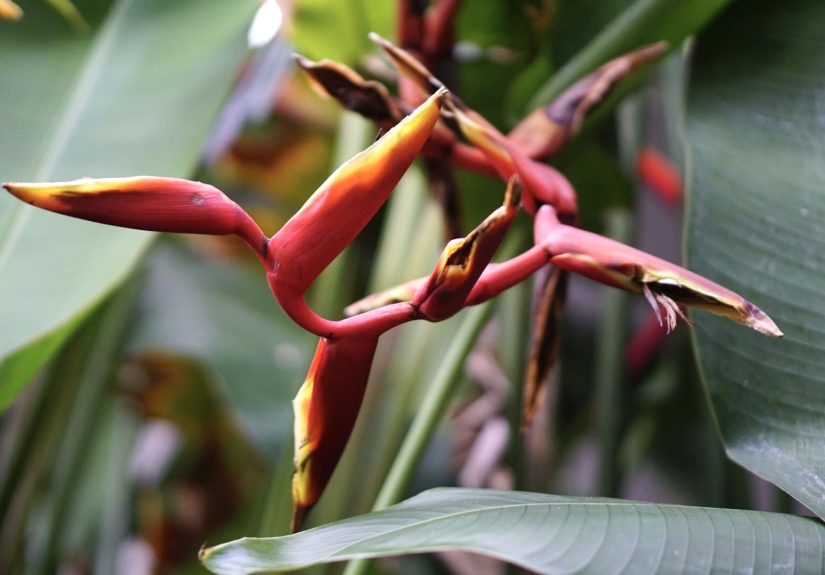
If houseplants had a red carpet, heliconia would absolutely show up late, overdressed, and somehow still steal the whole event. With banana-like leaves and flashy, sculptural bracts in shades of red, orange, yellow, and pink, heliconia brings instant tropical drama to an indoor space. It is not a shy plant. It does not whisper. It enters the room like it pays rent.
That said, heliconia is not a “set it on a dark shelf and hope for the best” kind of houseplant. Growing heliconia indoors takes intention, bright light, warmth, humidity, and a little patience. But if you love bold foliage and want a plant that looks like a vacation in a pot, it is worth the effort. The secret is understanding what heliconia wants indoors and giving it conditions that feel less like a typical living room and more like a cozy tropical greenhouse.
What Is Heliconia, Exactly?
Heliconia is a tropical herbaceous plant known for its exotic bracts, which are often mistaken for flowers. The true flowers are tucked inside those colorful bracts, while the leaves resemble those of banana or bird of paradise. In warm climates, some heliconias can become impressively large, which is wonderful in a botanical garden and less wonderful in a small apartment where your plant starts acting like it wants its own zip code.
For indoor growing, size matters. A compact or dwarf variety is usually the smartest choice. Smaller types are easier to manage in containers, easier to place near bright windows, and less likely to turn your hallway into a jungle obstacle course.
Why Grow Heliconia Indoors?
Most people grow heliconia indoors for one simple reason: impact. A healthy heliconia can transform a bland room into something lush, vivid, and memorable. It works beautifully in sunrooms, bright living rooms, enclosed patios, and plant-filled offices where you want strong tropical texture.
Indoors, heliconia is also useful for gardeners in cooler climates who cannot grow it outside year-round. Because heliconia is not frost-hardy, container culture is often the best way to enjoy it beyond tropical and subtropical regions. Think of it as a passport-friendly tropical plant: it may be native to warm, humid places, but with the right care, it can absolutely live its best life inside your home.
Choose the Right Heliconia for Indoor Life
Start with smaller varieties
If you are shopping for heliconia as a houseplant, do not automatically grab the tallest, flashiest specimen at the nursery. That is how people end up with a plant that outgrows the room before they have even chosen a decorative pot. Smaller species and compact cultivars are a better fit indoors because they are easier to light, water, rotate, and repot.
Check the mature size before buying
Many heliconias become large clumping plants. Always read the tag or variety description before buying. If the mature height sounds like it belongs in a hotel atrium, keep walking.
Look for healthy rhizomes and clean foliage
Choose a plant with firm stems, clean leaves, and no foul smell coming from the potting mix. Avoid mushy crowns, yellowing lower leaves beyond normal aging, or plants sitting in soaked soil. Heliconia likes moisture, but it does not enjoy living with wet feet.
How to Grow Heliconia Indoors Successfully
Light: give it the brightest spot you can
Light is the make-or-break factor for indoor heliconia. This plant wants bright light for much of the day. In most homes, that means placing it near a south-facing or west-facing window, ideally with bright filtered light or a few hours of gentle direct sun. If your indoor light is weak, especially in winter, add a grow light. Without enough light, heliconia usually responds by growing lanky, refusing to bloom, or looking generally disappointed in your life choices.
A good rule is simple: if the room feels dim to you, it is probably dim to heliconia too. Rotate the pot every week or two so the plant grows evenly rather than leaning hard toward the window like it is trying to escape.
Temperature: warm, warmer, warmest
Heliconia prefers warm indoor temperatures, ideally around 70°F and above during active growth. It dislikes cold drafts, chilly windows, and sudden temperature drops. If your room regularly dips into cool territory, the plant may stall, sulk, or stop producing strong new growth.
Keep it away from blasting AC vents, drafty doors, and cold glass in winter. Tropical beauty is fun until it catches a cold.
Humidity: yes, it wants more than your average home offers
This is where many indoor growers get humbled. Heliconia likes high humidity. In dry homes, leaf edges and tips can turn brown, especially during winter when heaters are running and the air starts feeling like toast crumbs.
To keep humidity up, try a humidifier, group tropical plants together, or place the pot on a pebble tray. Misting can help a little, but it is not a miracle. A humidifier is usually the better long-term move if you are serious about keeping heliconia happy indoors.
Water: consistent moisture, never swamp conditions
Heliconia likes evenly moist soil, but there is a very important difference between moist and soggy. Water thoroughly, then let the top inch of the potting mix begin to dry before watering again. Do not let the entire root ball dry out for long stretches, but do not keep the pot waterlogged either.
If the leaves start browning at the edges, underwatering or dry air may be part of the problem. If the soil stays soaked and the plant looks limp or yellow, overwatering and poor drainage are likely suspects. Heliconia does not want to be thirsty, but it also does not want to sit in a mud spa.
Soil: rich, airy, and well-draining
A quality potting mix with strong drainage is essential. Heliconia grows best in rich soil that holds moisture without turning dense and soggy. A mix amended with bark, coconut coir, or peat-style moisture retention material works well, especially if the container has multiple drainage holes.
If your potting mix compacts easily or stays wet for too long, refresh it. The best indoor soil for heliconia is moisture-retentive but breathable. Think “lush tropical comfort,” not “cement after rain.”
Fertilizing Heliconia Indoors
Heliconia is a hungry grower when conditions are right. During spring and summer, feed it regularly with a balanced liquid houseplant fertilizer diluted to about half strength, or use a gentle general-purpose fertilizer according to label directions. If you are chasing blooms, a fertilizer that supports flowering can help, but overdoing fertilizer is not the answer. More food does not fix poor light.
Reduce feeding in fall and winter when growth naturally slows. An indoor heliconia in lower winter light does not need an all-you-can-eat buffet.
Potting, Repotting, and Rhizomes
Heliconia grows from rhizomes, which are underground stems that gradually form clumps. Indoors, this means your plant may eventually become crowded in its container. Repot in spring when you see roots pressing hard against the pot, new shoots filling the surface, or watering becoming unusually difficult because the mix dries too fast.
Choose a sturdy container with drainage holes. Heavier pots are often better because mature heliconia can become top-heavy. Repotting every couple of years is usually enough for most indoor plants.
If you want to propagate heliconia, division is the easiest method. Separate a healthy rhizome section with visible growth points and pot it up in fresh mix. This is far more practical than growing from seed, which requires patience on a saintly level.
Can Heliconia Bloom Indoors?
Yes, but this is the part where reality taps you on the shoulder. Heliconia can bloom indoors, but it is not guaranteed. Blooming depends on strong light, steady warmth, good humidity, consistent feeding, and enough maturity. Some plants need time to settle in and may not flower right away.
If your heliconia has gorgeous leaves but no blooms, the most common culprit is insufficient light. That does not mean you have failed as a plant parent. It just means heliconia is being extremely on-brand and demanding.
Common Indoor Problems and How to Fix Them
Brown leaf edges
Usually caused by low humidity, inconsistent watering, or a dry indoor environment. Raise humidity, water more evenly, and check whether the plant is too close to heating or cooling vents.
Yellow leaves
One older leaf yellowing now and then is normal. Multiple yellow leaves can point to overwatering, poor drainage, exhausted soil, or cold stress.
No blooms
The plant likely needs more light, more warmth, more humidity, more maturity, or all of the above. Heliconia is not stingy with flowers once conditions are right, but it absolutely expects the environment to cooperate first.
Fungal issues or rot
Poor airflow and soggy soil create trouble. Improve drainage, avoid letting the pot sit in standing water, and keep air moving gently around the plant. Indoors, a small fan nearby can make a bigger difference than many people expect.
Best Indoor Care Routine at a Glance
- Place heliconia in the brightest indoor light available.
- Keep temperatures warm and steady.
- Maintain above-average humidity.
- Water when the top inch of soil starts to dry, but never let the mix stay swampy.
- Use rich, well-draining potting mix in a container with drainage holes.
- Fertilize during active growth.
- Repot or divide when the rhizomes crowd the pot.
- Watch for brown tips, yellow leaves, and signs of stagnant air.
Final Thoughts
Heliconia is not the easiest indoor plant, but it is one of the most rewarding if you can meet its needs. It offers lush leaves, a dramatic tropical presence, and the possibility of unforgettable blooms that look like they were designed by someone who thought subtlety was overrated.
If you treat heliconia like a tropical plant instead of a low-maintenance windowsill filler, you will already be ahead of the game. Give it bright light, warm air, rich soil, steady moisture, and humidity, and it can reward you with the kind of indoor display that makes guests ask, “Wait, you grow that in your house?”
Real Indoor Growing Experiences With Heliconia
One of the most common experiences people have with indoor heliconia is falling in love with the plant first and learning about its personality second. It usually starts at a nursery, botanical garden, or garden center. The leaves look tropical and oversized, the bracts look almost unreal, and the plant gives off big “my life is together” energy. Then it comes home, gets placed in an ordinary room, and suddenly becomes a master class in how different tropical plants are from average houseplants.
The first lesson growers often notice is that heliconia reads a room fast. Put it in a dim corner, and it does not quietly adapt. It stretches, slows down, and starts looking less glamorous. Move it close to a bright window or under a strong grow light, and the plant responds with stronger leaves and more confident growth. That change can be surprisingly dramatic. Many indoor gardeners say the plant did not really begin performing until they stopped treating it like decor and started treating it like a light-hungry tropical specimen.
The second big experience is humidity. Lots of people assume watering is the whole story, but heliconia teaches the difference between wet roots and moist air. You can water correctly and still get crispy edges if the air is too dry. This catches people off guard, especially in winter. A humidifier often becomes the turning point. Suddenly the new leaves emerge cleaner, the tips stay neater, and the plant stops looking personally offended by indoor heating.
Another very relatable heliconia experience is the watering learning curve. New growers tend to make one of two mistakes: they either keep the pot too wet because the plant is “tropical,” or they let it get too dry because they are afraid of root rot. In practice, heliconia wants balance. The happiest plants usually belong to growers who check the soil regularly, water thoroughly, and then wait until the surface begins to dry before watering again. Once that rhythm clicks, the plant becomes much easier to read.
There is also the size surprise. Even people who know heliconia can grow large are often still surprised by how much visual space it occupies indoors. A healthy plant does not just sit politely in its corner. It creates presence. The upside is obvious: incredible impact. The downside is that you may find yourself rearranging furniture around a plant, which is a sentence many houseplant lovers understand a little too well.
Experienced indoor growers also learn that blooming is a bonus, not the only measure of success. Yes, everyone wants the dramatic bracts. But many people end up loving heliconia for its foliage alone while they fine-tune the conditions needed for flowering. Once expectations shift from “instant bloom machine” to “luxury tropical foliage plant with bloom potential,” the whole experience becomes more enjoyable.
In the end, the indoor heliconia experience is usually equal parts challenge, adjustment, and bragging rights. It asks more from you than an easy pothos or snake plant, but it gives back a level of drama those plants are not even trying to provide. When it is healthy, heliconia does not just sit in your home. It changes the mood of the room.
Note: This web-ready article is based on real horticultural guidance and intentionally omits source-link clutter for cleaner publication.