Table of Contents >> Show >> Hide
- Why a Good Morning Routine Before School Matters
- Way 1: Build Your Morning the Night Before
- Way 2: Use a 20-Minute “Wake Up and Reset” Sequence
- Way 3: Build a Breakfast-and-Bag Routine That Works on Busy Days
- A Simple Sample Morning Routine Before School
- Common Morning Routine Mistakes (and Easy Fixes)
- How to Make the Routine Stick
- Conclusion
- Experience-Based Examples: What This Looks Like in Real School Life
Let’s be honest: school mornings can feel like a live-action obstacle course. One sock is missing, the backpack is hiding, someone is brushing their teeth while looking for a math worksheet, and the clock is suddenly moving at Olympic speed. The good news? A great morning routine doesn’t require a perfect family, a fancy planner, or a sunrise yoga montage. It just needs a few smart habits that make mornings easier on your brain, your body, and your mood.
In this guide, you’ll learn 3 practical ways to build a better morning routine before schoolthe kind that helps you wake up on time, feel less rushed, stay focused in class, and actually remember your lunch. (A revolutionary concept, we know.) These tips are based on real health and education guidance and are designed to be realistic for busy school days.
Why a Good Morning Routine Before School Matters
A strong school morning routine is not just about “being productive.” It helps you do three big things:
- Lower stress: You spend less time panicking and more time moving through a plan.
- Improve focus: Sleep, hydration, and breakfast all support attention and learning.
- Start the day in a better mood: Feeling prepared makes school feel more manageable.
For school-age kids and teens, mornings work best when the routine supports the night before, too. That’s because a “great morning” usually starts with what happened last nightespecially sleep and screen habits.
Way 1: Build Your Morning the Night Before
If your mornings feel messy, don’t just “try harder” at 6:45 a.m. Instead, move the hardest decisions to the night before. This one shift can make your before school morning routine feel 10 times easier.
1. Set a Consistent Sleep and Wake Time
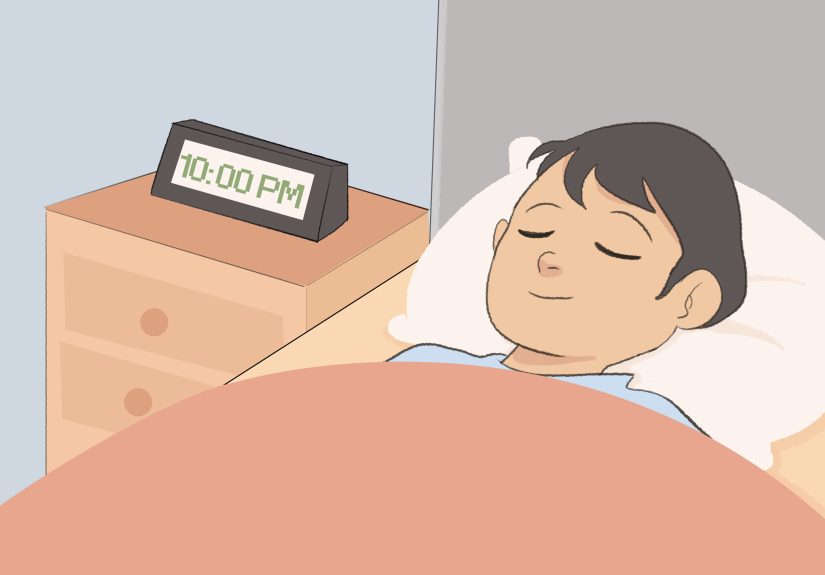
Consistency is the secret sauce. A lot of students try to fix tired mornings with five alarms and a dramatic pep talk. But your brain responds better to a regular sleep schedule than to chaos plus snooze.
For teens, a healthy sleep target is usually 8–10 hours, and younger school-age kids often need even more. If you’re waking up at the same time every school day, your body starts to expect it, which makes getting up less painful. It won’t always feel magical, but it will feel less like wrestling a grumpy raccoon.
2. Create a “Launch Pad” for the Morning
Put everything you need in one spot before bed. Backpack, homework, water bottle, sports gear, shoes, school ID, instrument, charger all of it. Think of it as building your own tiny airport gate.
This works because mornings are not a great time for memory-heavy tasks. Your brain is still booting up. A launch pad reduces decision fatigue and prevents the classic “I swear I packed it” mystery.
3. Prep the Basics in Advance
The night before, choose clothes, pack lunch (or at least the non-refrigerated parts), and check your schedule. If tomorrow is a P.E. day, band day, quiz day, or “bring poster board or face consequences” day, handle it before bed.
Keep the morning task list short: get dressed, brush teeth, eat, grab bag, go. That’s it. Child development experts often recommend focusing on the essential tasks first and adding more only after the basics are easy and consistent.
4. Put Screens to Bed Before You Go to Bed
This one matters more than most students realize. Screen use at night can make it harder to fall asleep on time, especially when the content is exciting, emotional, or endless (hello, “just one more video”).
A simple rule: stop screens about an hour before bed. If that feels impossible, start with 30 minutes and work up. You don’t need perfectionjust a pattern. You can also charge your phone outside the bedroom or across the room if you’re serious about not doom-scrolling until midnight.
Quick Night-Before Checklist
- Set bedtime and wake-up time
- Pack backpack and put it by the door
- Lay out clothes and shoes
- Check school schedule (homework, clubs, sports)
- Prep breakfast or lunch items
- Put phone on charger away from the bed
This is one of the easiest ways to improve your school morning routine without waking up earlier. You’re not adding workyou’re just moving it to a better time.
Way 2: Use a 20-Minute “Wake Up and Reset” Sequence
A good morning routine before school should help your brain and body wake up, not just drag you toward the bus stop. The best routines are short, repeatable, and boring enough to become automatic.
Here’s a simple 20-minute reset sequence that works for most students:
Minute 1–5: Light + No Phone Scroll
As soon as you wake up, turn on the lights or open the curtains. Bright light in the morning helps your body wake up more naturally. If you can get natural sunlight, even better. This is one of the easiest “energy hacks” that doesn’t cost anything.
Try not to start the day by scrolling your phone in bed. That turns a 2-minute check into a 17-minute time warp. If you need your phone for an alarm, hit stop, stand up, and move on.
Minute 5–10: Water + Wash + Get Dressed
Drink some water early in the morning. Hydration matters for how alert and focused you feel. Even mild dehydration can make it harder to feel sharp, and school mornings are not the time to start at a disadvantage.
Then do your hygiene basics and get dressed. Keep this step predictable: same order every day. For example:
- Bathroom
- Brush teeth
- Face wash
- Get dressed
- Hair/shoes
When you follow the same order daily, your routine becomes a habit instead of a series of negotiations with yourself. (“Do I really need to brush my hair?” Yes. Yes, you do.)
Minute 10–15: Move Your Body a Little
You do not need a full workout before first period. But a little movement can help you feel more awake and less sluggish. Try one of these:
- A quick walk around the house or outside
- 5 minutes of stretching
- 10 squats + 10 arm circles + 10 toe touches
- Dance to one song while pretending nobody can see you
Morning movement pairs well with morning light and can help your body “switch on” faster. Keep it simple and doable, not dramatic and exhausting.
Minute 15–20: Review the Day in 60 Seconds
Before you head out, do a fast check:
- What time do I need to leave?
- What’s my first class?
- Do I need anything special today?
- Do I have lunch, water, and homework?
This mini reset lowers the chance of forgetting important stuff and reduces stress before school. It also helps you walk into class feeling ready instead of mentally buffering.
Bonus Tip: Keep the Wake Time Steady
If possible, avoid wildly different wake-up times on school days. A consistent wake time helps your body clock stay on track. The more your body knows what to expect, the easier your mornings become.
Way 3: Build a Breakfast-and-Bag Routine That Works on Busy Days
A lot of students skip breakfast because mornings are rushed, not because they “don’t care.” The fix is not guilt. The fix is a breakfast system that is fast, balanced, and realistic.
A good morning routine for school includes food your brain can use and a grab-and-go plan for busy days. The goal is not a perfect Pinterest breakfast. The goal is fuel.
1. Use the “Protein + Carb” Formula
A simple breakfast formula that works well is: protein + healthy carbohydrate (and ideally fruit or dairy if you can add it).
Why this works: the carb gives you energy, and the protein helps you stay full longer. That means fewer stomach growls during first class and less temptation to declare a bag of chips a complete breakfast.
2. Keep 5 Fast Breakfast Options Ready
You don’t need 25 options. You need five dependable ones. Rotate them.
Fast Breakfast Ideas for School Mornings
- Whole-grain toast + peanut butter + banana
- Greek yogurt + fruit + cereal or granola
- Egg sandwich on an English muffin
- Overnight oats with berries
- Cheese stick + fruit + whole-grain crackers (super busy day version)
If you truly don’t have time to eat at home, pack breakfast to go. A banana, trail mix, and milk (or a school breakfast option) can still be a solid start.
3. Use School Breakfast When It Helps
School breakfast programs are a great backup planand for many students, they’re the best plan. They can make mornings easier and help you get foods kids often don’t eat enough of, like whole grains, fruit, and dairy.
If your school offers breakfast, use it strategically. You can eat there on rushed mornings or pair a small at-home snack with school breakfast if you need something fast before leaving.
4. Add Water to the Routine
Morning hydration is underrated. Make it automatic: fill a water bottle while breakfast is heating, or take a few big sips before you leave.
Keeping water easy to grab can make a big difference in how steady your energy and attention feel during the morning. It’s a tiny habit with a surprisingly big payoff.
5. End with a “Bag Check”
The routine isn’t complete until your backpack is ready. Use the same 5-point bag check every day:
- Homework
- Charged device/charger (if needed)
- Lunch/snacks
- Water bottle
- Special items (sports gear, instrument, forms)
This takes less than a minute and prevents the “I forgot it” panic spiral before first period.
A Simple Sample Morning Routine Before School
Example: 45-Minute Morning Routine
- 6:30 Wake up, lights on, no scrolling
- 6:35 Bathroom, brush teeth, wash face
- 6:45 Get dressed
- 6:50 Quick movement (stretch/walk)
- 6:55 Breakfast + water
- 7:10 Bag check and shoes
- 7:15 Leave for school
If your schedule is tighter, shorten the routinebut keep the order. A short routine that you actually follow beats a perfect routine you never do.
Common Morning Routine Mistakes (and Easy Fixes)
Mistake 1: Hitting Snooze 4 Times
Fix: Put your alarm across the room and use one alarm. If needed, set a second “leave now” alarm laternot five wake-up alarms.
Mistake 2: Doing Everything in the Morning
Fix: Move decisions to the night before. Mornings are for execution, not strategy.
Mistake 3: Skipping Breakfast Every Day
Fix: Build a grab-and-go list and use school breakfast when needed. Something is better than nothing.
Mistake 4: Starting the Day on Your Phone
Fix: Make “lights first, phone later” your rule. Your future self will arrive at school on time and be less annoyed.
Mistake 5: Trying to Change Everything at Once
Fix: Start with one habit for a week: bedtime, breakfast, or bag check. Then add the next one.
How to Make the Routine Stick
Habits become reliable when they are:
- Visible: Use a checklist on your wall or phone.
- Simple: Keep steps short and in the same order.
- Repeatable: Same wake time, same launch pad, same bag check.
- Rewarding: Notice how much calmer mornings feel after a few days.
For younger students, families can help by using visual checklists, choosing clothes together the night before, and praising consistency more than speed. For teens, independence usually works better than constant reminders: build a routine that feels realistic and own it.
Conclusion
A great morning routine before school doesn’t have to be fancy. It just has to be consistent. If you remember the three big moves, you’ll already be ahead:
- Prep the night before so your morning has fewer decisions.
- Use a short wake-up sequence with light, water, and movement.
- Fuel up and do a bag check so you leave ready, not rushed.
Start small. Pick one of the three ways today and test it for a week. Then add the next. Your mornings don’t need to be perfectthey just need to stop feeling like a speedrun with missing shoes.
Experience-Based Examples: What This Looks Like in Real School Life
To make this topic more practical, here are common student-style experiences that show how these routines work in real life. These are realistic examples based on patterns many families and students run into.
Example 1: The “Always Late” Student. One middle school student kept blaming the bus, but the real problem was a chaotic start: no clothes picked out, no backpack packed, and a phone scroll session before even getting out of bed. The fix was surprisingly small. They created a night-before launch pad and a 5-step morning checklist on the bedroom door. In the first week, they still forgot things twice. By week two, mornings were smoother because the decisions were already made. They didn’t become a perfect early bird, but they stopped the daily panic.
Example 2: The “No Breakfast” Teen. A high school student used to skip breakfast because they said they were “not hungry” and “too busy.” By second period, they were tired, cranky, and staring at the clock. Instead of forcing a big meal, they switched to a tiny breakfast system: yogurt on some days, toast and peanut butter on others, and a banana plus trail mix when running late. On extra-rushed mornings, they used the school breakfast program. The key wasn’t making breakfast fancyit was making it automatic. Once they stopped treating breakfast like a weekend project, it became doable.
Example 3: The “Night Owl, Morning Zombie” Problem. Another student had a routine problem that was really a sleep problem. They were trying to build a better morning while staying up late watching videos. They kept setting earlier alarms, but mornings got worse. The real solution was moving the phone away from the bed and setting a screen cut-off time. They also picked a consistent wake-up time and stuck with it. After a couple of weeks, getting up didn’t feel easy exactlybut it felt possible. That’s a huge win on school mornings.
Example 4: The “Everything Is an Argument” Morning. In some families, mornings feel stressful because every step turns into a debate: what to wear, when to brush teeth, whether there’s time for breakfast, where the shoes are, and why nobody can find the water bottle. One effective fix is turning the routine into a fixed order with fewer choices. Clothes are chosen at night. Breakfast choices are limited to a short list. The bag check happens by the door. When the order is predictable, there’s less arguing because the plan is already made.
Example 5: The “I Start Strong, Then Quit” Pattern. This is super common. A student tries a perfect morning routine for two days, misses one step on day three, and decides the whole thing is a failure. A better approach is to expect imperfect days. The goal is not “follow every step forever.” The goal is “return to the routine quickly.” Miss breakfast one morning? Do a better job tomorrow. Oversleep once? Use the bag check and get out the door. Consistency beats perfection every time.
The main lesson from all these experiences is simple: successful school mornings come from systems, not willpower. When you build the routine to be easy, visible, and repeatable, mornings stop feeling like a daily emergency and start feeling like a normal part of the day.