Table of Contents >> Show >> Hide
- Before the 3 Ways: What Actually Changes Lip Color?
- 1. Protect Your Lips From the Sun Every Single Day
- 2. Repair Dryness and Irritation Instead of Scrubbing the Life Out of Your Lips
- 3. Cut Down the Triggers That Darken or Inflame Lips Over Time
- What Not to Do If You Want Pinker-Looking Lips
- Realistic Results: What “Pink Lips Naturally” Usually Means
- Experience Corner: 3 Realistic Lip-Care Journeys
- Conclusion
Let’s start with the truth no lip scrub ad wants to say out loud: not everyone is supposed to have the same rosy, baby-pink lips. Natural lip color varies from person to person, and a lot of that comes down to genetics, skin tone, melanin, age, and everyday wear-and-tear. So if your goal is to make your lips look healthier, smoother, and closer to their own natural best, that is realistic. If your goal is to transform your lips into a completely different shade using lemon juice, toothpaste, or a kitchen chemistry experiment that sounds like a dare, that is less “beauty routine” and more “tiny dermatologist jumpscare.”
The good news is that there are natural, evidence-based ways to improve how your lips look and feel. In most cases, dull-looking lips are not begging for a miracle mask. They are asking for basic care: protection from the sun, relief from dryness and irritation, and fewer habits that cause discoloration over time. That is the real secret behind lips that look softer, healthier, and naturally brighter.
Below are three practical ways to support naturally pinker-looking lips without falling for myths, overdoing DIY remedies, or treating your mouth like a science fair project.
Before the 3 Ways: What Actually Changes Lip Color?
Your lips are more delicate than the rest of your facial skin. They dry out faster, react more easily to weather, and can become irritated by ingredients that your cheeks might shrug off. Over time, several things can make lips look darker, duller, rougher, or uneven:
Sun exposure
UV damage can dry the lips, make them rough, and contribute to discoloration. Because the lip area is so thin and exposed, skipping SPF here is a bit like wearing a raincoat everywhere except your head.
Dryness and lip licking
Licking feels helpful for about three seconds. Then the saliva evaporates and takes moisture with it. The result is a cycle of dryness, irritation, and more licking. Your lips lose. The wind wins.
Irritating products
Some flavored, fragranced, or tingly lip products can backfire. The packaging may promise a spa day, but irritated lips do not care how pretty the tube is. Harsh ingredients can make lips more inflamed, flaky, and uneven-looking.
Smoking and tobacco use
Smoking is linked to lip aging, deeper lip lines, and damage to the mouth and lips. It also makes it much harder for lips to look smooth and healthy over time.
Medical issues
Persistent dark spots, scaly patches, cracks, sores, or swelling are not always a cosmetic issue. Sometimes they point to eczema, allergic cheilitis, cold sores, actinic cheilitis, or other conditions that need treatment. In other words, sometimes the “lip problem” is not a beauty problem at all.
1. Protect Your Lips From the Sun Every Single Day
If you do only one thing for healthier-looking lips, make it daily sun protection. This is the most overlooked step and probably the most important one. People remember sunscreen for their nose, cheeks, and forehead, then leave their lips out there to freestyle against UV rays like tiny unprotected heroes. Respectfully, do not do that.
Why this works
Sun exposure can dry out the lips and contribute to rough texture and discoloration. It can also increase the risk of sun-related damage on the lips, especially the lower lip. If your lips look darker, rougher, or less even than they used to, chronic sun exposure may be part of the story.
What to do
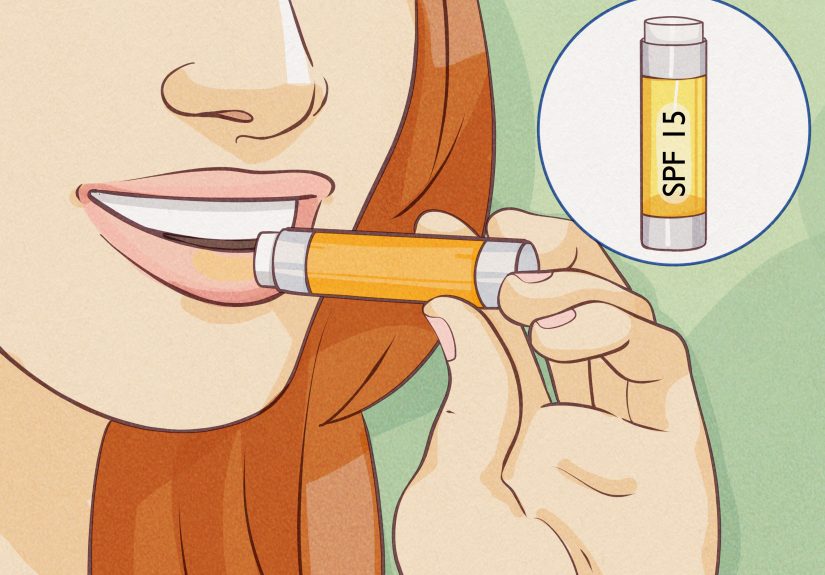
Use a lip balm with broad-spectrum SPF 30 or higher every day, even when it is cloudy. Reapply if you are outdoors for a while, and reapply after eating, drinking, or wiping your mouth. A hat helps too. This is one of those annoyingly simple habits that really does pay off.
How to make it stick
Keep one SPF lip balm in the bag you actually use, one near your desk, and one near your front door. Convenience beats good intentions every time. Also, pick a formula you will genuinely wear. A lip balm that feels comfortable is far more useful than one with heroic SPF that lives untouched at the bottom of a drawer.
When you consistently protect your lips from UV damage, they are more likely to stay smooth, less irritated, and closer to their natural tone. No magic. Just prevention doing its quiet, underrated job.
2. Repair Dryness and Irritation Instead of Scrubbing the Life Out of Your Lips
A lot of people see dull lips and assume they need aggressive exfoliation. Enter the internet with its sugar scrubs, toothbrush tricks, lemon juice hacks, and general enthusiasm for turning inflamed lips into an obstacle course. In reality, lips usually look better when you calm them down, not attack them.
Why this works
Dry, irritated lips often look pale in some spots, darker in others, and flaky all over. Once the surface barrier is damaged, lips can appear less smooth and less vibrant. Restoring moisture helps them look healthier and more even.
What to use
Choose a bland, non-irritating balm or ointment. Simple formulas tend to work best, especially if your lips are sensitive. Think fragrance-free and boring in the best possible way. In lip care, “boring” often means “your skin barrier says thank you.”
What to avoid
Try to avoid lip products with strong flavors, fragrance, menthol, camphor, peppermint, cinnamon, or other ingredients that can sting or irritate already dry lips. If a product makes your lips tingle, burn, or feel tight, that is not proof it is working. It may be proof that your lips are filing a complaint.
Habits that help more than people expect
Stop licking, biting, or picking at your lips. Drink enough fluids. Run a humidifier if your indoor air is very dry. Protect your mouth from cold wind with a scarf when the weather is harsh. These are not glamorous tips, but they are effective. Good lip care is often less about buying more and more about irritating less.
What about exfoliating?
Gentle is the key word. If your lips are not cracked or sore, a very soft washcloth once in a while can help remove loose flakes. But daily scrubbing, rough brushes, and gritty DIY masks are more likely to worsen irritation than reveal some hidden pink treasure beneath. If your lips are actively inflamed, skip exfoliation and focus on healing first.
When lips are moisturized and the barrier is healthy, they usually look smoother, softer, and naturally fresher. That is what many people are really chasing when they search for “pink lips naturally.” Not artificial color. Just healthier-looking lips.
3. Cut Down the Triggers That Darken or Inflame Lips Over Time
This step is where long-term change happens. You can buy a decent balm in five minutes, but your daily habits are what decide whether your lips stay calm or keep cycling through dryness, dullness, and irritation.
Quit smoking or tobacco use if it applies to you
Smoking is rough on the lips and the skin around them. It contributes to lip lines, worsens overall mouth health, and raises the risk of serious lip and oral problems. If you want lips that look healthier naturally, quitting tobacco is one of the most meaningful things you can do. Not the flashiest answer, perhaps, but definitely the grown-up one.
Be careful with “natural” remedies
Natural does not automatically mean gentle. Lemon juice, apple cider vinegar, baking soda, toothpaste, and essential oils can irritate the lips badly. The lips are not a countertop, and they do not need to be scrubbed, bleached, or polished. Many DIY remedies get recommended because they are easy to post, not because they are smart to use.
Watch for product reactions
If your lips get darker, itchier, redder, or more irritated after certain lipsticks, toothpastes, mouthwashes, or balms, you may be reacting to an ingredient. This kind of irritation can become chronic if you keep using the same trigger. If that sounds familiar, simplify your routine and pay attention to patterns.
Know when it is not just “dry lips”
If your lips have a persistent scaly patch, a sore that does not heal, repeated swelling, bleeding, numbness, or a new dark or uneven area that sticks around, do not try to out-balm it forever. See a dermatologist, dentist, or another qualified clinician. Lip changes can sometimes reflect an underlying condition, and early care matters.
In short, the healthiest path to naturally pinker-looking lips is not adding more random remedies. It is removing the things that keep stressing your lips out in the first place.
What Not to Do If You Want Pinker-Looking Lips
Some trends sound helpful but can make the situation worse. Here is the no-thank-you list:
Do not use lemon juice to lighten lips
It can irritate the lips and make them more sensitive, especially if you then go into the sun.
Do not brush your lips aggressively
A toothbrush is great for teeth. Your lips did not volunteer for that assignment.
Do not rely on tingly lip products
That cooling or stinging sensation may come from ingredients that are irritating your lips rather than helping them.
Do not ignore persistent symptoms
If something is recurring, painful, or not healing, it deserves more than another swipe of balm and blind optimism.
Realistic Results: What “Pink Lips Naturally” Usually Means
Healthy lips are not all one color, and they do not have to be. For some people, natural lips are rosy. For others, they are brownish-pink, mauve, tan, or deeper in tone. The goal is not to erase your natural color. The goal is to reduce avoidable dryness, irritation, and damage so your lips look smooth, comfortable, and even.
If you stick with the three basics below, you are doing the right things:
Protect: wear SPF lip balm.
Repair: use bland moisture and stop over-irritating the area.
Prevent: reduce smoking, product reactions, and other triggers.
That approach is simple, affordable, and much more realistic than hoping one overnight hack will turn your lips into a filtered close-up. Healthy lips tend to look better because they are better cared for. Sometimes the least exciting answer is also the one that actually works.
Experience Corner: 3 Realistic Lip-Care Journeys
Experience 1: The “I Thought I Needed a Scrub” Person. One common story goes like this: someone notices their lips look dull, so they start using sugar scrubs, minty balms, and occasional lemon because the internet said it would “brighten” everything. Instead, their lips become flaky, sting when they smile, and somehow look both dry and oily at the same time, which is honestly a rude combination. Then they switch to a plain ointment, stop exfoliating for a week, and suddenly their lips look smoother and more naturally healthy. The lesson is simple: sometimes lips do not need more action. They need less drama.
Experience 2: The “Why Are My Lips Always Darker After Summer?” Person. This is also very common. Their skin tan fades after vacation, but their lips still look rough, slightly darker, and more uneven. They may not realize the lower lip gets a lot of sun, especially during walking, driving, or outdoor workouts. Once they start using SPF lip balm every day, not just at the beach, the chronic dryness eases up. Over time, the lips look better maintained, with fewer rough patches and less weathered texture. No dramatic movie montage. Just consistency, which is usually less cinematic but far more useful.
Experience 3: The “I Didn’t Realize My Products Were the Problem” Person. Sometimes the culprit is not the weather at all. It is the cinnamon gloss, heavily fragranced balm, whitening toothpaste, or some “plumping” formula that feels like it was invented by a pepper spray enthusiast. The person keeps reapplying because their lips feel dry, not realizing the product is part of the reason they are irritated. Once they simplify everything and use fragrance-free lip care for a while, their lips calm down. They look softer, feel better, and stop acting like they are in a toxic relationship with every product in the bathroom.
These experiences all point to the same truth: healthier lips usually come from steady care, not extreme fixes. Most people who successfully improve the look of their lips do not uncover a miracle ingredient hidden in a fruit bowl. They start protecting their lips from the sun, stop picking at dry skin, avoid irritating products, and pay attention to what actually makes symptoms worse. That is how lip care becomes sustainable instead of frustrating.
Conclusion
If you want to have pink lips naturally, think less about bleaching, scrubbing, or “lightening” and more about protecting what you already have. The best approach is wonderfully unglamorous: daily SPF, simple moisture, fewer irritants, and smarter habits. Your lips are not asking for a twelve-step routine. They are asking you to stop making their job harder.
Healthy lips may be rosy, brown-pink, mauve, or somewhere beautifully in between. What matters most is that they are smooth, comfortable, and free from avoidable irritation. That is what natural lip care should aim for. And yes, that is a lot more useful than rubbing citrus on your face and hoping for the best.