Table of Contents >> Show >> Hide
- Why Sending Christmas Cards Still Matters
- Way 1: Send Traditional Christmas Cards by Mail
- Way 2: Use an Online Card Service That Prints and Mails for You
- Way 3: Send Digital Christmas Cards
- How to Choose the Best Way to Send Christmas Cards
- Christmas Card Message Ideas
- Common Christmas Card Mistakes to Avoid
- Experience Section: Real-Life Lessons from Sending Christmas Cards
- Conclusion
Christmas cards are tiny paper hugs, digital high-fives, and occasionally the only reason your relatives remember that your dog has a middle name. Whether you love glittery envelopes, photo cards, or e-cards that arrive faster than Santa can say “cookie break,” sending Christmas cards is still one of the warmest ways to reconnect during the holiday season.
The best part? You do not have to do it one “proper” way. Today, there are three practical ways to send Christmas cards: mail traditional printed cards yourself, use an online service that prints and mails cards for you, or send digital Christmas cards. Each option has its own charm, cost, timing, and personality. One says, “I handwrote this by the glow of the Christmas tree.” Another says, “I am festive, efficient, and possibly wearing fuzzy socks while outsourcing envelopes.” The third says, “I remembered you before midnight on Christmas Eve, and technology saved the day.”
This guide breaks down the three best ways to send Christmas cards, with tips for timing, design, addressing, personalization, etiquette, and avoiding common holiday-card headaches.
Why Sending Christmas Cards Still Matters
In a world of quick texts, disappearing social media stories, and group chats named “Holiday Chaos 2026,” a Christmas card feels refreshingly intentional. It says, “You are on my list, and not the naughty one.” For families, it can be a yearly snapshot. For friends, it is a sweet reminder that distance has not erased connection. For businesses, it is a simple way to thank clients, customers, partners, and employees without sounding like a quarterly sales report wearing a Santa hat.
Christmas cards also create a small ritual. You choose a design, write a message, update addresses, maybe argue lovingly over which family photo makes everyone look least chaotic, and send a little piece of the season into the world. That ritual matters because the holidays can get loud, expensive, and rushed. A card slows things down just enough to say, “I thought of you.”
Way 1: Send Traditional Christmas Cards by Mail
The classic method is still the gold standard for many people: buy or design printed Christmas cards, write personal messages, address envelopes, add postage, and drop them in the mail. It is simple, nostalgic, and wonderfully tactile. There is something magical about opening a mailbox in December and finding something besides bills, coupons, and mysterious insurance letters.
Best for People Who Love a Personal Touch
Traditional mailed Christmas cards are ideal if you enjoy handwriting notes, choosing stamps, decorating envelopes, or including small extras like a family photo, recipe card, or short holiday letter. They work especially well for grandparents, close friends, longtime neighbors, and anyone who still displays cards on a mantel, refrigerator, staircase, or very ambitious piece of twine.
This option is also excellent for people who want the recipient to feel the extra effort. A handwritten “Thinking of you this Christmas” can carry more emotional weight than a polished printed message. It does not need to be long. In fact, short and specific often works best.
How to Send Christmas Cards by Mail
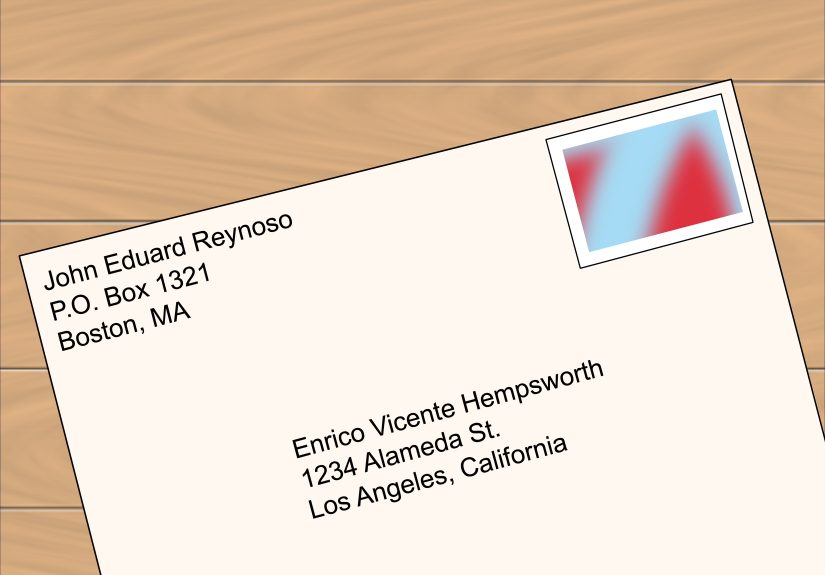
Start by making a clean Christmas card list. Include names, mailing addresses, apartment numbers, ZIP codes, and any notes such as “new baby,” “recent move,” or “do not mention the fruitcake incident.” A simple spreadsheet can save you every year, especially if you update it when people move.
Next, choose your card format. You can use boxed cards, handmade cards, photo cards, postcards, or folded stationery. If you are mailing postcards or unusually shaped cards, check size and postage requirements before buying a mountain of them. Square, oversized, rigid, or thick envelopes may require extra postage. Nobody wants their Christmas card returned in January looking like it took a sleigh ride through a paper shredder.
Write your message before sealing envelopes. For close friends and family, mention something personal: a new job, a shared memory, a child’s milestone, a pet, or a hope for the coming year. For acquaintances or professional contacts, keep it warm and simple.
When to Mail Christmas Cards
A good rule is to send personal Christmas cards shortly after Thanksgiving or during the first week of December. That gives recipients time to enjoy and display them before Christmas Day. If you are sending cards internationally, to military addresses, or to remote locations, plan earlier. Postal services tend to get busier in December, and holiday mail is not a sport you want to play in overtime.
If you miss the early December window, do not panic. A late Christmas card can become a New Year’s card with one graceful sentence: “Sending warm wishes for a joyful holiday season and a bright New Year.” See? Crisis wrapped in ribbon.
Pros and Cons of Traditional Mailed Cards
The biggest advantage is emotional impact. Traditional cards feel personal, keepsake-worthy, and thoughtful. They are also flexible. You can add handwritten notes, choose meaningful designs, and make each card slightly different.
The downside is time. Addressing envelopes, buying stamps, checking addresses, and getting to the mailbox can become a full holiday side quest. Costs can also add up once you include cards, envelopes, postage, photo printing, and possible extra postage. Still, for many people, the joy of receiving a physical card makes the effort worthwhile.
Way 2: Use an Online Card Service That Prints and Mails for You
If traditional cards are charming but your December schedule looks like a gingerbread house collapsed on a calendar, online card services can help. These platforms let you design Christmas cards online, upload photos, add messages, import addresses, and have the cards printed, addressed, stamped, and mailed directly to recipients.
This method offers the beauty of printed cards without the envelope-stuffing marathon. It is the holiday-card equivalent of hiring elves, except the elves have design templates and customer support.
Best for Busy Families, Businesses, and Large Mailing Lists
Online print-and-mail services are perfect if you have a long Christmas card list, want professional-looking photo cards, or need to send business holiday cards at scale. They are also useful for people who have moved away from home but still want to keep family traditions alive without turning their dining table into a card-processing warehouse.
Many services offer templates for family photo cards, religious Christmas cards, modern minimalist cards, funny holiday cards, business cards, postcards, and New Year greetings. Some also offer recipient addressing, return addressing, custom envelopes, premium paper, foil details, and direct mailing.
How Print-and-Mail Christmas Card Services Work
First, choose a platform and card design. Upload your photos, customize text, select paper type or finish, and proof everything carefully. Check names, dates, plural family names, and photo cropping. A beautiful card that accidentally says “Merry Chirstmas” will be memorable, but perhaps not in the way you hoped.
Next, upload your recipient list. Many services allow CSV files or contact imports. Make sure your address list is accurate and formatted properly. Apartment numbers, unit numbers, and ZIP codes matter. If a card is going to Aunt Linda, it should not end up at an office park three towns over.
Then choose whether the cards are shipped to you or mailed directly to your recipients. If you want to hand-sign cards, have them shipped to your home first. If speed and convenience matter more, direct mailing is the magic button.
Tips for Designing Christmas Cards Online
Choose a design that matches your photo rather than forcing your photo to behave. If the picture is colorful, a simple layout may look best. If the photo is neutral, you can go bolder with festive borders, bright typography, or illustrated accents.
Keep the message readable. Script fonts are pretty, but if your greeting looks like it was written by a snowflake in a windstorm, recipients may struggle. Use clear wording such as “Merry Christmas,” “Happy Holidays,” “Peace and Joy,” or “Warm Wishes from Our Family to Yours.”
For business Christmas cards, keep branding tasteful. A logo is fine. A full product pitch is not. The goal is gratitude, not turning Rudolph into a sales funnel.
Pros and Cons of Online Print-and-Mail Cards
The biggest benefit is convenience. You can send polished Christmas cards without buying stamps, licking envelopes, or realizing at 11:48 p.m. that you forgot half your cousins. Online services also make it easy to reuse address lists in future years.
The downside is that direct-mailed cards may feel slightly less personal if you do not add a custom message. They can also be more expensive than boxed cards, especially with premium finishes or large quantities. To keep the warmth, add a personal line where possible or choose a design that reflects your family, style, faith, humor, or personality.
Way 3: Send Digital Christmas Cards
Digital Christmas cards, also called e-cards or online holiday cards, are fast, flexible, and budget-friendly. You can send them by email, text, social media message, or through a digital card platform. They may include animation, music, photos, video, RSVP features, or links to family updates.
Digital cards are not “less real.” They are simply a different format. A thoughtful e-card sent on time can be much more meaningful than a printed card sitting unsent on your kitchen counter until Valentine’s Day.
Best for Last-Minute Senders and Faraway Loved Ones
Digital Christmas cards are ideal when time is short, addresses are missing, recipients live internationally, or your budget is tight. They are also great for younger recipients, remote teams, online communities, and friends who move so often that their mailing address seems to be “somewhere near Denver, maybe.”
Another advantage is speed. You can create and send an e-card in minutes. That makes digital cards a lifesaver for last-minute greetings, holiday party follow-ups, or sending a cheerful note to someone you forgot until their card arrived in your mailbox and activated your seasonal guilt alarm.
How to Send Digital Christmas Cards Safely
Choose a reputable platform or create your own card as an image or PDF. Add a short message, double-check recipient emails, and send from an address people recognize. Use a clear subject line, such as “Merry Christmas from the Parkers,” rather than something vague like “Open immediately,” which sounds less festive and more like a haunted inbox.
Because holiday e-card scams exist, avoid sending suspicious links or attachments. If you use a card platform, let recipients know it is from you. For example, write, “We sent a little holiday card through [platform name]hope it makes you smile!” Businesses should be especially careful because scammers sometimes disguise phishing attempts as holiday greetings, shipping alerts, or virtual cards.
What to Include in a Digital Christmas Card
A digital Christmas card can be short and sweet. Include a greeting, one personal note, and a closing. If you want to make it richer, add a family photo, a short video message, a recipe, a playlist, a mini year-in-review, or a few highlights from the year.
For professional contacts, keep it polished: “Wishing you a joyful holiday season and a successful New Year. Thank you for your partnership and support.” For close friends, feel free to be playful: “May your cookies be soft, your lights untangled, and your relatives only mildly opinionated.”
Pros and Cons of Digital Christmas Cards
The main benefits are speed, affordability, and convenience. There is no postage, no printing delay, and no risk of running out of envelopes. Digital cards are also easier to send internationally and can include interactive elements.
The downside is that e-cards may be easier to overlook in a crowded inbox. They also lack the physical keepsake quality of printed cards. To make a digital card feel special, personalize the message and avoid making it look like a generic marketing email dressed in snowflakes.
How to Choose the Best Way to Send Christmas Cards
The best method depends on your list, budget, timing, and personality. If you love tradition and handwriting, mail printed cards yourself. If you want professional cards without the labor, use an online print-and-mail service. If you need speed, flexibility, or a low-cost option, send digital Christmas cards.
You can also mix methods. Send handwritten cards to close relatives, use a mailing service for your larger list, and send e-cards to international friends or last-minute contacts. There is no Christmas card police. If there were, they would probably be too busy untangling lights to issue tickets.
Christmas Card Message Ideas
Staring at a blank card can make even cheerful people suddenly forget every word they know. Here are a few easy Christmas card messages to adapt:
For Family
“Wishing you a Christmas filled with love, laughter, cozy moments, and at least one dessert nobody has to share.”
For Friends
“So grateful for your friendship this year. May your holidays be bright, your coffee strong, and your gift receipts easy to find.”
For Neighbors
“Wishing you a peaceful Christmas and a joyful New Year. We are lucky to have such wonderful neighbors.”
For Business Contacts
“Warm wishes for a happy holiday season. Thank you for your trust, support, and partnership throughout the year.”
For Late Cards
“Our holiday wishes are arriving fashionably late, but they come with just as much warmth. Wishing you a bright and beautiful New Year.”
Common Christmas Card Mistakes to Avoid
First, do not wait too long to start. Even if you plan to send digital cards, early planning helps you avoid rushed messages and missing names. For printed cards, order early enough to allow time for proofing, printing, shipping, addressing, and mailing.
Second, check addresses carefully. A wrong ZIP code can delay delivery, and a missing apartment number can send your card into the postal unknown, where it may join single socks and lost instruction manuals.
Third, avoid overly long family letters unless your recipients genuinely enjoy them. A short update is lovely. A twelve-page annual report titled “Our Year in Review: With Footnotes” may be a lot to ask during cookie season.
Fourth, be thoughtful with humor. A funny Christmas card is wonderful, but jokes should match the relationship. What makes your best friend laugh may make your accountant quietly unsubscribe from your life.
Finally, do not stress over perfection. A slightly imperfect card sent with warmth is better than a flawless card that never leaves your desk.
Experience Section: Real-Life Lessons from Sending Christmas Cards
Anyone who has sent Christmas cards for a few years learns that the process is part joy, part logistics, and part detective work. The first lesson is that addresses are living creatures. They change, vanish, multiply, and occasionally hide in old text messages. One year, you may have everyone organized. The next year, three friends have moved, one cousin has a new last name, and your college roommate now lives in a city you cannot spell without checking twice. Keeping a master address list is one of the simplest ways to save future-you from December panic.
The second lesson is that personal notes matter more than perfect design. A glossy photo card is beautiful, but a handwritten “We still laugh about that snowstorm dinner” can turn a nice card into a keepsake. People remember specific memories. They remember being seen. Even one sentence can make a card feel warmer.
The third lesson is that timing is emotional, not just logistical. Cards that arrive in early December become part of the season. They get taped to doorways, clipped to garlands, tucked into frames, or arranged on shelves. Late cards are still appreciated, but early cards have more time to spread cheer. Starting before Thanksgiving may feel absurdly organized, but it pays off. You do not have to write every card in one heroic sitting. Ten cards a night with cocoa is much better than eighty cards at midnight with panic pretzels.
The fourth lesson is that photo cards do not need magazine-level perfection. The best photo might be the one where the toddler is laughing, the dog is blurry, and one adult is clearly holding a bribe cookie behind the camera. Real life has charm. Matching pajamas are optional. Genuine smiles are better than stiff poses that say, “We have been standing here for 47 minutes and morale is low.”
The fifth lesson is that mixing card methods can save the season. Handwritten cards can go to close family. Printed photo cards can go to friends and neighbors. Digital cards can go to coworkers, international contacts, or anyone whose address is unknown but whose inbox is alive and well. This hybrid approach makes Christmas cards manageable without losing meaning.
The sixth lesson is that business Christmas cards should sound human. A card that says, “Thank you for your continued partnership” is fine, but adding a warmer line makes it better. Something like, “We are grateful for the chance to work with you and wish your team a restful holiday season” feels more sincere. Nobody wants a Christmas card that reads like it was assembled in a corporate basement by a spreadsheet wearing antlers.
The seventh lesson is simple: send the card. Do not let perfection stop you. Do not worry that your handwriting is not elegant enough, your family update is not exciting enough, or your design is not trendy enough. The heart of Christmas card sending is connection. A card says, “You crossed my mind, and I wanted you to know.” That message never goes out of style.
Conclusion
There are three smart ways to send Christmas cards: mail traditional printed cards yourself, use an online service to print and mail them for you, or send digital Christmas cards. Each method can be meaningful when done with care. Traditional cards offer warmth and nostalgia. Print-and-mail services offer convenience and polish. Digital cards offer speed, flexibility, and modern practicality.
The secret is not choosing the fanciest card. It is choosing the method you will actually use, adding a sincere message, and sending it with enough time for your greeting to brighten someone’s season. Whether your card travels by mailbox, mailing service, or inbox, the goal is the same: share a little joy, strengthen a connection, and remind someone they matter.