Table of Contents >> Show >> Hide
- Getting Started: Why Paint Is the Ultimate DIY Superpower
- 31 DIY Paint Projects to Personalize Your Home Decor
- 1. Color-Drenched Accent Wall
- 2. Geometric Tape Wall
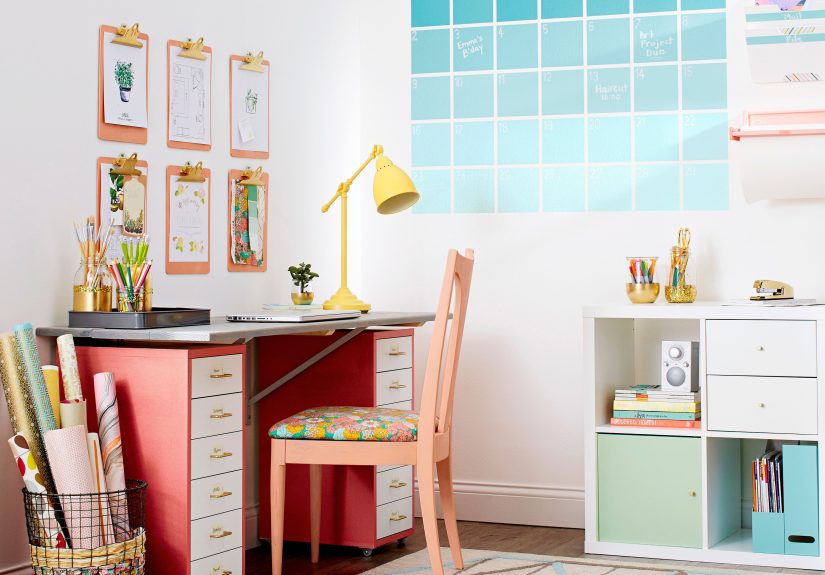
- 3. Ombre or Gradient Wall
- 4. Faux “Painted Wallpaper” Spots or Dashes
- 5. Two-Tone Color-Blocked Walls
- 6. Painted Ceiling (a.k.a. the Fifth Wall)
- 7. Painted Arch or “Faux Nook”
- 8. Chalk-Painted Dresser Makeover
- 9. Color-Dipped Chair Legs
- 10. Painted Kitchen Cabinets Refresh
- 11. Bold Interior Doors
- 12. High-Impact Painted Metal Side Table
- 13. Stenciled Tabletop or Desk
- 14. Ombre or Color-Blocked Bookshelf
- 15. DIY Painted Flower Pots
- 16. Speckled or Terrazzo-Inspired Vases
- 17. Hand-Painted Picture Frames
- 18. Painted Baskets and Storage Bins
- 19. Colorful Trays and Candle Holders
- 20. DIY “Framed” Wall Panels
- 21. Simple DIY Wall Mural
- 22. Painted Headboard on the Wall
- 23. Stair Riser Stripes or Patterns
- 24. Painted Floor or Faux Rug
- 25. DIY 3D Wall Art with Joint Compound and Paint
- 26. Painted Switch Plates and Outlet Covers
- 27. Color-Blocked Closet Interior
- 28. Painted Window Trim and Baseboards
- 29. Painted Peg Rail or Coat Rack
- 30. Kids’ Room Shape Wall
- 31. DIY Canvas Gallery in Coordinated Colors
- How to Choose Colors and Finishes That Actually Work Together
- Real-Life Lessons and Experiences from DIY Paint Projects
If your home decor feels a little “meh,” a can of paint is basically a magic wand in liquid form.
You don’t need a full renovation, a new sofa, or a lottery win just some color, a weekend, and
a willingness to get a tiny bit messy. These 31 creative DIY paint projects will help you refresh
walls, furniture, and accessories so your home finally looks like you, not a rental listing photo.
From bold accent walls and painted ceilings to upcycled furniture and tiny decor details, this guide
walks you through project ideas for every skill level. You’ll find simple “one-nap” projects you can
finish in an afternoon and bigger transformations for when you’re ready to dive in brushes-first.
Getting Started: Why Paint Is the Ultimate DIY Superpower
Paint is one of the most budget-friendly ways to transform a space. A single gallon can cover a
room’s worth of walls or multiple pieces of furniture, and small sample pots can handle a surprising
number of craft projects. Even small updates like painting a frame or dipping chair legs can
make your decor feel curated instead of random.
Before you begin, think about:
- Your color story: Pick 3–5 core colors you’ll repeat across rooms so your home feels cohesive.
- Finish and durability: Semi-gloss and satin are easier to clean on doors, trim, and furniture; matte or eggshell hides wall imperfections.
- Prep work: Clean surfaces, lightly sand glossy finishes, and use primer when painting dark colors, raw wood, or slick surfaces.
- Real life: Have pets, kids, or a shoe-loving family? Choose scuff-resistant paints and darker tones in high-traffic areas.
31 DIY Paint Projects to Personalize Your Home Decor
1. Color-Drenched Accent Wall
Instead of painting an entire room, pick one wall and go bold. Choose a deep teal, rust, charcoal,
or even a moody plum to anchor your space. Use that wall to frame your sofa, bed, or dining table.
Add artwork or a mirror with light frames to break up the color. This is a great project for
beginners: tape the edges, roll on two coats, and you’re done.
2. Geometric Tape Wall
Painter’s tape is your best friend for modern wall art. Tape out triangles, diamonds, or random
angled shapes across one wall, then fill them in with a few coordinating colors. Once the paint is
dry, peel off the tape to reveal crisp, graphic lines. Stick to two or three colors for a calm look,
or go full kaleidoscope in a kid’s room or creative studio.
3. Ombre or Gradient Wall
Want a soft, dreamy vibe? Try an ombre wall that fades from one shade to another. Start with the
darkest color at the bottom and move lighter as you go up, or blend from one color family to a
related hue (like blush to soft peach). Use a large brush or dry roller to blur the lines between
sections while the paint is still wet.
4. Faux “Painted Wallpaper” Spots or Dashes
Love patterned wallpaper but not the cost (or commitment)? Use a small brush to paint simple
irregular dots, short dashes, or tiny crosses across the wall. Imperfection is the whole point
the hand-painted look feels charming and custom. This works especially well in bathrooms, closets,
and behind open shelving.
5. Two-Tone Color-Blocked Walls
Divide your wall horizontally with tape and paint the bottom portion a deeper shade and the top a
lighter neutral. This trick adds visual interest, makes ceilings feel higher, and can mimic the
look of wainscoting without carpentry. It’s especially gorgeous in dining rooms, bedrooms, and
entryways.
6. Painted Ceiling (a.k.a. the Fifth Wall)
Look up! Painting the ceiling a soft color like pale blue, warm blush, or muted sage adds
coziness and drama. In smaller rooms, choose a light but saturated shade to avoid feeling boxed in.
If you’re bold, go dark on the ceiling and keep the walls light for a luxe, cocoon-like effect.
7. Painted Arch or “Faux Nook”
Use paint to fake built-in architecture. Sketch an arch or rounded rectangle on the wall behind your
bed, desk, or reading chair, then fill it in with a contrasting color. It acts like a headboard,
gallery wall backdrop, or mini “zone” in an open-plan space no construction required.
8. Chalk-Painted Dresser Makeover
Got a tired dresser or nightstand? Chalk-style paint is very forgiving: minimal sanding, excellent
coverage, and a soft, velvety finish. Paint the whole piece one color and distress lightly on edges
if you like a vintage look. Swap in new knobs or pulls, and you’ve got “boutique furniture” on a
thrift-store budget.
9. Color-Dipped Chair Legs
This simple project adds personality without repainting a whole piece. Tape off the bottom few
inches of chair or table legs and paint them in a bright contrasting color or metallic finish. It’s
a playful detail that looks especially good with otherwise simple wood furniture.
10. Painted Kitchen Cabinets Refresh
Painting kitchen cabinets is a bigger project, but the payoff is huge. Choose a modern neutral
(like warm white or greige) or an earthy hue like olive green for a sophisticated, trend-forward
look. Remove doors, label hardware, clean and sand thoroughly, prime, then apply multiple thin coats.
Finish with a durable topcoat in busy kitchens.
11. Bold Interior Doors
Instead of leaving your doors basic white, paint them a dramatic color: inky navy, forest green,
deep aubergine, or even a rich jewel tone. Pair with simple brass or matte black hardware for a
boutique-hotel feel in hallways and bedrooms. If you’re feeling adventurous, try a faux-finish
technique to mimic stone or gemstone veining.
12. High-Impact Painted Metal Side Table
Metal furniture isn’t just for patios anymore. Lightly sand and prime a metal side table, then
paint it in a bold shade like tomato red, lemon yellow, or cobalt blue. The piece instantly becomes
a sculptural accent in your living room, office, or entryway, and it’s a fun way to test drive a
color you’re not ready to put on the walls.
13. Stenciled Tabletop or Desk
Use a stencil and a small foam roller to add pattern to a basic wood table or desk. Try a tile
motif, modern scallops, or a simple border. Keep the base color neutral and choose one or two
accent colors so the pattern looks intentional, not busy. Seal with a clear protective coat so the
surface can handle laptops, cups, and everyday use.
14. Ombre or Color-Blocked Bookshelf
Transform open shelving by painting either the back panel or the shelves themselves. You can use
a single accent color, a soft ombre from top to bottom, or alternating tones for each shelf. Style
with books, plants, and decor that echo the paint colors for a pulled-together look.
15. DIY Painted Flower Pots
Terracotta or concrete planters become chic decor with a little paint. Tape off a band at the
bottom or top and add metallic paint, or freehand stripes, arches, and simple shapes. Use exterior
or multi-surface paint for durability, and group several pots in coordinating colors for a
mini “plant gallery.”
16. Speckled or Terrazzo-Inspired Vases
Upgrade plain glass or ceramic vases with a faux-terrazzo finish. Paint them a solid base color,
then use a small brush or even a toothbrush to flick tiny specks in two or three contrasting colors.
The result feels modern and handcrafted perfect for coffee tables, shelves, and nightstands.
17. Hand-Painted Picture Frames
Old frames from thrift stores or the back of your closet can become statement pieces. Paint them in
solid bold colors, or layer stripes, checks, or tiny florals for a cottage-core vibe. Use matching
colors across a gallery wall to tie different frame styles and artwork together.
18. Painted Baskets and Storage Bins
Woven baskets and fabric bins are functional, but they can also be fun. Add painted stripes, color
blocks, or labels (like “TOYS,” “LINENS,” or “MAIL”). This is especially handy in kids’ rooms and
entryways where you want organization that still looks stylish on open shelves.
19. Colorful Trays and Candle Holders
Small accessories are the fastest way to test-drive new colors. Paint a wooden tray, set of candle
holders, or coasters in a color that connects your pillows, rug, or artwork. Suddenly, your decor
feels planned instead of random, and you’ve used up those leftover paint samples instead of
letting them dry out in the closet.
20. DIY “Framed” Wall Panels
Create the illusion of architectural wall panels with paint. Tape out rectangular frames on your
wall and fill the inside with a slightly deeper shade than the surrounding wall color. Hang artwork
or sconces inside the “frames” for a classic, custom feel that looks more expensive than it is.
21. Simple DIY Wall Mural
You don’t need advanced drawing skills to paint a mural. Try oversized organic shapes, rolling
hills, sunbursts, or waves using a few harmonious colors. Lightly sketch with pencil, then fill in
with a small roller or brush. Murals work beautifully behind a sofa, in a nursery, or along a
staircase wall.
22. Painted Headboard on the Wall
No headboard? No problem. Tape out a rectangle, arch, or scalloped shape behind your bed and paint
it in a solid color or soft gradient. This “headboard” anchors the room, adds color, and leaves
your floor space free. Add sconces or art inside the painted area for extra definition.
23. Stair Riser Stripes or Patterns
If you have a staircase with exposed risers, turn them into a feature. Paint each riser a different
shade from the same palette, or add stripes, stencils, or numbers. Use durable floor or porch paint
and seal for extra protection against scuffs and shoes.
24. Painted Floor or Faux Rug
In a small mudroom, porch, or laundry room, paint can stand in for a rug. Tape out a rectangle and
add a border, stripes, or a simple checkerboard pattern. Use porch or floor paint and a topcoat so
it can handle traffic, moisture, and pets.
25. DIY 3D Wall Art with Joint Compound and Paint
For textured art, spread a thin layer of joint compound on a canvas or wood board, carve in abstract
shapes or lines, let it dry, then paint the whole piece in a single neutral or soft color. The
raised details catch the light and look surprisingly high-end for a very low cost.
26. Painted Switch Plates and Outlet Covers
Tiny detail, big payoff. Remove outlet covers and switch plates, clean them, and paint to match your
walls or accent colors. You can even paint simple borders or motifs that echo nearby decor. Just be
sure everything is completely dry before reattaching (and turn off the power while you’re working).
27. Color-Blocked Closet Interior
Open your closet and surprise yourself with color. Paint the inside in a bright hue you love but
don’t want to commit to in the main room sunny yellow, coral, or emerald. It makes organization
more fun and adds a hidden design moment that feels like a little secret.
28. Painted Window Trim and Baseboards
Instead of default white, try painting trim a contrasting color warm taupe, soft gray-blue, or
even black. This frames your walls, highlights architectural lines, and makes even basic windows
look more tailored. If you’re nervous, start with just one room and see how you like it.
29. Painted Peg Rail or Coat Rack
Mount a simple wooden peg rail or coat rack and paint it the same color as the wall or in a fun
contrasting shade. Hang bags, hats, towels, or dog leashes. It solves a storage problem and acts
like a minimal piece of wall art at the same time.
30. Kids’ Room Shape Wall
In a child’s room or playroom, paint large circles, clouds, stars, or mountains along one wall.
Stick to a limited palette so it feels playful but not chaotic. This is also a great way to zone a
reading corner or toy area without adding bulky furniture.
31. DIY Canvas Gallery in Coordinated Colors
Buy inexpensive canvases in different sizes and paint simple shapes, stripes, arches, or color
blocks using the same palette you’ve used around the room. Hang them together as a gallery wall.
You’ll get original “art” that perfectly matches your space without spending gallery-level money.
How to Choose Colors and Finishes That Actually Work Together
With so many possibilities, decision fatigue is real. A few guidelines help:
- Pick a base neutral: Warm white, soft beige, or greige for walls and larger pieces.
- Add 2–3 accent colors: These can repeat on pillows, artwork, and small paint projects.
- Use sheen strategically: Matte/eggshell for walls, satin for trim and doors, semi-gloss for furniture and cabinets.
- Sample first: Always test swatches on the actual surface and observe them at different times of day.
If you’re unsure, borrow color cues from items you already love: a favorite rug, a piece of art, or
a patterned pillow. Pull two colors from that item and repeat them in your paint projects for
instant cohesion.
Real-Life Lessons and Experiences from DIY Paint Projects
The internet makes DIY paint projects look effortless: one time-lapse video, zero paint on the
floor, and a perfect reveal. Real life is… a bit more colorful. Here are some grounded, experience-based
insights to keep you sane while you’re transforming your home.
1. The “prep is half the project” rule is very real.
It’s tempting to skip sanding or priming “just this once,” especially when you’re excited to see the
new color. But in practice, the projects that last painted cabinets, dressers, doors, and even
heavily used walls all have one thing in common: good prep. Cleaning off grease, giving glossy
finishes a quick scuff, and using the right primer can mean the difference between a finish that
chips in a month and one that looks great for years.
2. Your first color might not be “the one” and that’s okay.
Many DIYers discover that the color they loved on a paint chip feels totally different once it’s on
a whole wall or a bank of cabinets. Maybe it reads too dark, too purple, or too cool in your actual
lighting. Repainting can feel frustrating, but it’s part of the process. The silver lining: once
you’ve seen the “wrong” color in your space, it’s much easier to recognize the right one.
3. Small, low-risk projects are perfect testing grounds.
If you’re nervous about a bold color, start with small pieces: a side table, a picture frame, a set
of pots, or the inside of a closet. You’ll learn how the paint behaves, how many coats you need, and
how the color looks in your home without committing an entire room. Often, those little practice
projects become some of the most charming details in the house.
4. Imperfection adds personality.
DIY paint projects will rarely look machine-perfect, and that’s a good thing. Slightly irregular
brush strokes on a mural, hand-painted dots that don’t line up perfectly, or a bit of distressing
on furniture all tell the story that a real human lives here and made this. If you embrace “good
enough” instead of chasing “flawless,” you’ll actually finish more projects and enjoy them more.
5. The right tools make the job feel easier (and look better).
You don’t need a professional spray rig, but a few upgrades go a long way: quality painter’s tape
that doesn’t bleed, an angled sash brush for cutting in, a small foam roller for furniture, and a
sturdy drop cloth you can reuse. These basics save time and make your finished lines and surfaces
look more polished.
6. Ventilation and safety aren’t optional.
Even with low-VOC paints, it’s smart to open windows, run fans, and take breaks. If you’re sanding
older finishes or using primers and topcoats with stronger fumes, wear a mask and follow the safety
instructions on the label. Future-you, enjoying a beautiful room without headaches or lingering
odor, will be grateful.
7. Paint projects can change how you feel in your home.
A once-drab room can suddenly feel cozy, energized, or calm after you change the colors. A piece of
furniture you almost donated can become a favorite because you painted it in a shade that makes you
smile every time you walk by. Over time, these small, intentional changes add up to a home that feels
uniquely yours not just “styled,” but personal.
8. The best project is the one you actually finish.
It’s easy to get overwhelmed by endless inspiration. Instead of trying to tackle everything at once,
pick one project from this list that feels doable in your current schedule and budget. Buy the paint,
clear the time, and commit. Once you finish that first project, you’ll have momentum and probably
a new favorite corner of your home.
In the end, DIY paint projects are as much about the process as the result. You learn what you love,
what you don’t, and how color can support the way you actually live. And every brushstroke brings
your space a little closer to feeling like home.