Table of Contents >> Show >> Hide
- Why DIY Valentine Cards Still Win Every Time
- Before You Start: Simple Supplies That Make DIY Cards Easier
- 34 DIY Valentine Card Ideas
- How to Choose the Right DIY Valentine Card for the Right Person
- Common DIY Valentine Card Mistakes to Avoid
- Final Thoughts: Handmade Beats Perfect
- Experiences People Often Have While Making DIY Valentine Cards (And Why That’s Part of the Magic)
- SEO Tags
Valentine’s Day cards don’t have to come from the grocery store aisle between the discount chocolate and the panic roses. In fact, the best cards usually come from your kitchen table, where there’s a little paper dust, a crooked heart shape, and someone saying, “Wait… was the glitter supposed to explode like that?”
If you want handmade Valentine cards that feel thoughtful (without requiring an art degree or a craft room that looks like a rainbow tornado), this guide is for you. Below, you’ll find 34 easy DIY Valentine card ideas for kids, classmates, friends, coworkers, and partnersplus smart tips for supplies, personalization, and avoiding the most common card-making mistakes.
Whether you’re making classroom valentines on a budget, romantic keepsake cards, or funny pun cards that make people snort-laugh, these ideas are designed to be practical, customizable, and genuinely fun to make. Let’s spread the loveone glue stick at a time.
Why DIY Valentine Cards Still Win Every Time
Sure, store-bought cards are convenient. But DIY Valentine cards have something store shelves can’t mass-produce: personality. Handmade cards let you match the recipient’s sense of humor, favorite colors, hobbies, and inside jokes. They also work for every budget, from “I have fancy cardstock and embossing tools” to “I have notebook paper and determination.”
And if you’re crafting with kids, homemade Valentine cards do double duty: they become a creative activity and a kindness lesson. Kids get to practice writing names, sharing with classmates, and making something for other peoplenot just themselves. That’s a pretty sweet combo.
Before You Start: Simple Supplies That Make DIY Cards Easier
You do not need a huge craft haul to make beautiful homemade valentines. Start with a basic kit and build from there:
- Blank cards or folded cardstock
- Construction paper or patterned scrapbook paper
- Scissors (regular + kid-safe if needed)
- Glue stick and/or double-sided tape
- Markers, gel pens, or paint pens
- Stickers, washi tape, ribbon, or twine
- Hole punch (great for tags and lollipop cards)
- Optional upgrades: watercolor paint, buttons, embossing powder, mini photos, stamps
Quick Tips for Better-Looking Cards
- Use sturdy paper: Thin paper wrinkles fast once glue or paint gets involved.
- Keep the message readable: Decorations should support your words, not bury them.
- Make one “master” sample first: This saves time when you’re batch-making classroom cards.
- Sign early, not last-minute: Your future self will thank you at 10:47 p.m. on February 13.
34 DIY Valentine Card Ideas
Quick & Easy DIY Valentine Cards (1–10)
- Classic Heart Cutout Card: Fold cardstock, cut a heart window on the front, and layer contrasting paper behind it. Add a simple message like “Love You” or “Be Mine.” Clean, fast, and impossible to mess up (mostly).
- Washi Tape Stripe Hearts: Cover a paper heart with strips of washi tape, trim the edges, and mount it on a blank card. This is perfect for beginners and great for using up leftover tape rolls.
- Watercolor Wash Card: Paint a soft pink or red watercolor background, let it dry, then write a message in black pen. Even a simple brush wash looks elegant and handmade.
- Thumbprint Heart Card: Use pink or red ink pads to stamp two thumbprints into a heart shape. Turn them into ladybugs, balloons, or tiny love bugs with a fine-tip marker.
- Marker Doodle Border Card: Start with plain white cardstock and draw a border of hearts, stars, and arrows. Add a centered message. It’s minimal, cute, and ideal when you’re short on time.
- Sticker Explosion Card: Let kids go wild with heart stickers, alphabet stickers, and sparkly shapes. To keep it looking intentional, choose one color family (pink/red/purple) and one main phrase.
- Paper Scrap Patchwork Heart: Cut small squares from leftover patterned paper and glue them into a patchwork heart. It looks crafty in the best way and reduces waste.
- Stamped Message Card: Use letter stamps (or faux-stamp lettering) to create a bold “XOXO” or “LOVE” design. Add one small accent, like a tiny ribbon bow, and stop there.
- Confetti-Shake Card (Simple Version): Make a paper frame, add a clear acetate window, then seal in paper confetti hearts. Shake cards are always a hit and feel much fancier than they are.
- Minimalist Typography Card: Choose one word“Always,” “Sweetheart,” or “Forever”and write it large across the front. Add a tiny heart in one corner for a modern, clean look.
Classroom-Friendly DIY Valentine Cards for Kids (11–20)
- Crayon Holder Valentines: Cut slots in a card to hold a mini crayon pack or one jumbo crayon. Add a pun like “You Color My World.” Fun, useful, and candy-free.
- Sticker Sheet Valentines: Attach a small sticker pack to a bright card with tape or a paper band. Great for classrooms where food is restricted or allergies are a concern.
- Lollipop Heart Holder Cards: Use a template (or freehand fold) to create a paper holder for a lollipop. These are easy to batch-make and look adorable lined up together.
- Coloring Card Kits: Print or draw simple Valentine-themed designs on cardstock and include a few crayons or mini colored pencils. Kids love receiving a card they can interact with.
- Pencil Valentines: Punch two holes in a card and slide a pencil through. Write “You’re Write for Me” or “You’re Sharp!” It’s classroom-friendly and genuinely practical.
- Bubble Wand Cards: Tape a mini bubble bottle or wand to a card that says “You Blow Me Away.” This is a cheerful non-candy option that works for younger grades.
- Animal Pun Cards: Draw or print simple animals and add puns like “Owl Always Like You” or “You’re Purr-fect.” Kids especially love these because they’re funny and easy to personalize.
- Dinosaur “Dino-Mite” Cards: Make a dinosaur silhouette from green construction paper and glue it to a card. Add a volcano doodle for extra flair and a dramatic effect.
- Friendship Bracelet Mini Cards: Tape a simple thread bracelet onto a small folded note. This works well for older kids and tweens who want a crafty gift-card combo.
- Name-Stamp Valentines: If signing 25 cards sounds like a wrist workout, use a name stamp for the “From” line. Kids can still handwrite short messages and keep the personal touch.
Romantic & Keepsake DIY Valentine Cards (21–28)
- Layered Cardstock Heart Card: Cut hearts in different sizes and shades, then stack them with foam dots for dimension. This gives a polished, boutique-card look without much effort.
- Photo Memory Card: Print a favorite photo and mount it inside the card with a handwritten note about the moment. Instant keepsake, and way more meaningful than generic text.
- Pressed Flower Valentine: Use pressed flowers or leaves between vellum and cardstock for a soft, romantic look. Add a delicate script message for a card worthy of saving in a drawer forever.
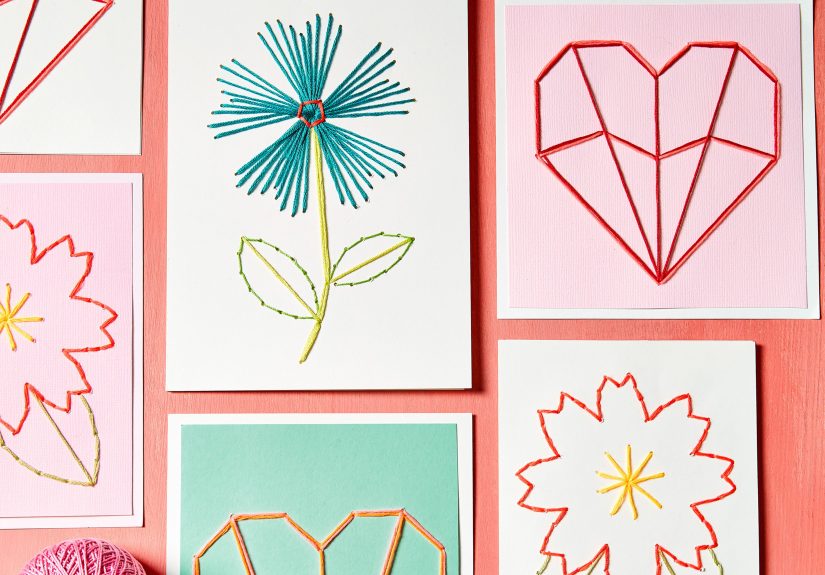
- Embroidery-Floss Stitched Heart Card: Poke small holes in cardstock and stitch a heart or flower outline using embroidery floss. It takes a little time, but the finished card feels extra special.
- Vellum Collage Card: Layer vellum hearts, paper petals, and tiny cutouts over a simple message panel. The translucent effect makes the card look artistic and elegant.
- Wax-Resist Watercolor Love Note: Write a hidden message with white crayon, then brush watercolor over it to reveal the design. This one feels like a magic trick and a card in one.
- Pop-Up Heart Card: Create a 3D heart inside the fold for a surprise reveal. Add a short note outside and a longer message inside so the design and sentiment both get room to shine.
- Envelope-Within-a-Card Love Letter: Glue a tiny handmade envelope inside the card and tuck in a mini note. Perfect for anniversaries, long messages, or “Open When…” style sentiments.
Funny, Trendy & Gift-Attached DIY Valentines (29–34)
- Coffee Pun Card: Draw a coffee cup and write “Words Cannot Espresso How Much You Mean to Me.” Great for friends, coworkers, or anyone who treats coffee like a personality trait.
- Pizza Pun Card: Cut a paper pizza slice and write “You Have a Pizza My Heart.” Add tiny pepperoni circles for texture. Silly? Yes. Effective? Also yes.
- Button Heart Card: Arrange assorted buttons in the shape of a heart and glue them to cardstock. This is one of the easiest “wow” cards because texture does all the work.
- Candy Ring Pop Card: Attach a ring-shaped candy to a card with a line like “You’re a Gem.” It’s playful, bright, and excellent for kids or fun-loving adults.
- Tea Bag Valentine: Tape a tea bag to a card that says “You’re My Cup of Tea.” A cozy, low-cost option for neighbors, teachers, or coworkers.
- Seed Packet Valentine: Glue a mini seed packet (or paper seed envelope) onto a card with “Love Grows Here.” Perfect for gardeners, spring-ready friends, or eco-conscious gifting.
- Upcycled Magazine Collage Card: Cut letters, hearts, and color blocks from old magazines to create a bold collage. It’s artsy, budget-friendly, and surprisingly stylish when you stick to a color palette.
- Fold-and-Tuck XOXO Card: Create a folded design that tucks into itself or reveals a hidden message panel. It feels interactive and gift-like, even before the recipient opens it.
How to Choose the Right DIY Valentine Card for the Right Person
For Kids & Classrooms
Go for simple, sturdy, and easy to batch-make. Interactive add-ons like crayons, stickers, pencils, or bubbles are usually more practical than fragile decorations. If cards are being passed out at school, make them inclusive, age-appropriate, and easy to label.
For Friends & Coworkers
Funny pun cards and small gift-attached cards are winners. Keep the tone light and warm. Think coffee, tea, plants, or snack themes instead of overly romantic messaging.
For Partners or Spouses
Prioritize personalization over complexity. A simple card with a meaningful note and one shared memory beats a complicated craft project with no actual message. (Yes, the words matter. The glue gun cannot carry the whole relationship.)
Common DIY Valentine Card Mistakes to Avoid
- Too much decoration: If the recipient can’t find the message, the card is now a scavenger hunt.
- Using wet glue on thin paper: This causes buckling. Use glue sticks, double-sided tape, or heavier cardstock.
- Leaving names for the last minute: Batch-making is great until you’re trying to spell “Christopher” on card #27.
- Forgetting mailing size: Bulky embellishments may require hand-delivery or extra postage.
- Skipping a test version: Especially for pop-up or folded designs, one practice card saves a lot of frustration.
Final Thoughts: Handmade Beats Perfect
The best DIY Valentine cards are not the ones with perfect symmetry or flawless lettering. They’re the ones that feel personal. A slightly crooked heart, a goofy pun, or a handwritten note can make someone feel seen in a way that a generic card often doesn’t.
So choose a few ideas from this list, grab your paper and markers, and make something that sounds like you. Whether you’re crafting for a whole class, your partner, or your favorite coworker, these easy Valentine card ideas make it simple to spread the lovewithout spreading yourself too thin.
Experiences People Often Have While Making DIY Valentine Cards (And Why That’s Part of the Magic)
If you’ve ever sat down to make “just a few” DIY Valentine cards and somehow ended up surrounded by paper scraps, ribbon tails, and three uncapped markers, congratulationsyou’ve had the classic Valentine crafting experience. It usually starts with confidence. You pick an easy design, line up your supplies, and think, “This will take 20 minutes.” Then you spend 12 minutes looking for the scissors that were in your hand five seconds ago. This is normal. In fact, it’s part of the fun.
One of the most common experiences with homemade Valentine cards is discovering that the first card is the hardest by far. The first one is where you test spacing, handwriting size, glue amount, and whether your heart template looks romantic or like a potato. By card number two, everything gets easier. By card number six, you’re basically running a tiny card factory and giving yourself very serious quality-control speeches.
Another common moment: kids getting involved and improving the project in completely unexpected ways. Adults often begin with a “clean design plan,” then a child adds rainbow polka dots, a giant sticker frog, and a message that says “Happy Valentime.” And somehow… it becomes the best card in the batch. DIY valentines have a way of rewarding personality over perfection, which is exactly why recipients love them.
People also talk about how handmade cards slow them down in a good way. Writing even a short note“Thanks for being such a good friend” or “I love doing life with you”feels more intentional when you’ve just spent time cutting, gluing, and choosing colors. The act of making the card puts you in a thoughtful mindset. You’re not just checking a holiday box; you’re creating a small moment of care.
Then there’s the “batch-making surprise,” where you realize repeating one design 20 or 30 times is oddly calming. Once the template is set, it becomes a rhythm: cut, glue, write, stack. Many people find it relaxing, especially with music on in the background. It can feel like a mini seasonal ritual, similar to decorating cookies or wrapping gifts.
Of course, not every experience is peaceful. Sometimes the glitter escapes. Sometimes the hot glue string follows you across the table like a clingy cobweb. Sometimes the pen smears on the final word of the final card. But even those moments become part of the story. Recipients rarely remember whether your lettering was perfectly centered. They remember that you made something for them.
And that’s really the heart of DIY Valentine cards: they create connection twiceonce while you make them, and again when someone receives them. The process can be messy, funny, and imperfect, but it turns simple materials into something meaningful. In a season that can sometimes feel overly commercial, that little handmade effort feels refreshingly real.