Table of Contents >> Show >> Hide
- Before You Start: Make Sure You Really Have Subterranean Termites
- Way 1: Use Professional-Grade Liquid Soil Treatments
- Way 2: Install Subterranean Termite Bait Stations
- Way 3: Target Trouble Spots with Wood and Void Treatments
- Way 4: Fix Moisture Problems and Remove Termite Food Sources
- Way 5: Commit to Regular Inspections and Professional Follow-Up
- Safety and DIY Considerations
- Real-Life Experiences: What Battling Subterranean Termites Is Really Like
- Conclusion: A Multi-Step Plan to Evict Subterranean Termites
If you’ve spotted pencil-thin mud tubes on your foundation or a pile of mysterious wings by the window,
congratulations: you may be hosting subterranean termites, nature’s tiniest demolition crew. These insects
live in huge underground colonies and quietly chew through the wooden parts of your home, often for years
before you notice. Getting rid of subterranean termites isn’t about “squish and forget.” It’s about treating
the hidden colony, cutting off their pathways, and making your home an awful place to live (for termites,
anyway).
Below are five effective, research-backed ways to get rid of subterranean termites and prevent them from
coming back. We’ll walk through how to confirm an infestation, how liquid soil treatments and bait stations
work, when wood treatments make sense, and why moisture control is one of your best long-term defenses.
Before You Start: Make Sure You Really Have Subterranean Termites
Different termites need different treatment plans, so step one is figuring out what you’re dealing with.
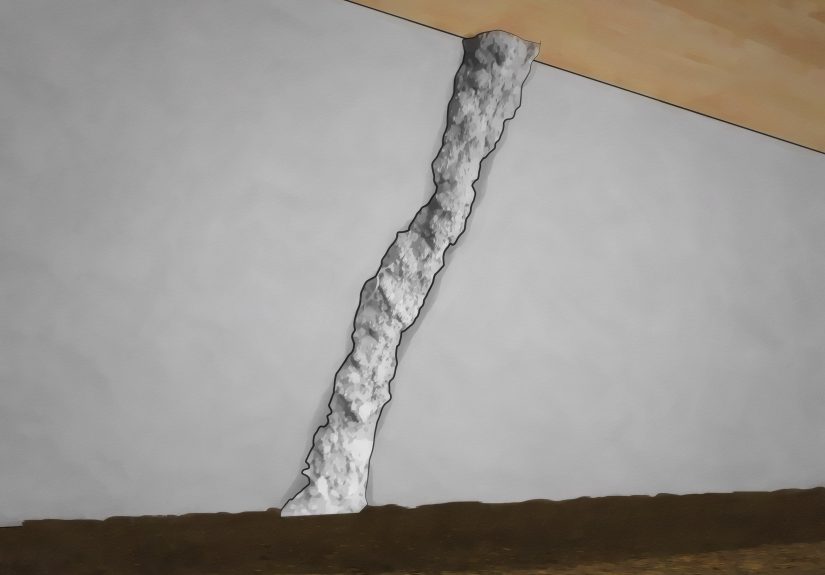
Subterranean termites live in soil and build sheltered “highways” called mud tubes to reach wood above
ground. These thin, brown, dirt-like tubes usually run up foundations, along basement walls, or inside
crawlspaces. Inside the home, you might notice hollow-sounding wood, sagging floors, blistering paint, or
doors and windows that suddenly stick.
Winged termites (called swarmers) are another giveaway. They resemble flying ants but have straight
antennae, equal-sized wings, and a thicker “waist.” Finding a group of these near windows or lights or
piles of discarded wings on sills is a classic sign that a colony is nearby and looking to expand.
If you’re not sure whether you’re seeing ants, drywood termites, or subterranean termites, collect a few
specimens or take close-up photos and contact a local extension office or pest professional. Correct
identification helps you choose the best control method and avoid wasting money on the wrong approach.
Way 1: Use Professional-Grade Liquid Soil Treatments
For existing homes, one of the most trusted ways to get rid of subterranean termites is to create a treated
“moat” of insecticide around and under the structure. This is done with liquid soil termiticides products
designed specifically for termite control and regulated by the U.S. Environmental Protection Agency.
How Liquid Termiticides Work
Modern non-repellent termiticides are applied to soil around the foundation in a continuous band. Termites
can’t detect these products, so they tunnel right through the treated soil, pick up the active ingredient
on their bodies, and share it with other members of the colony through grooming and food exchange. Over
time, this can wipe out or seriously weaken the colony that’s attacking your home, not just the workers you
see.
What a Typical Treatment Involves
- Trenching or drilling along the foundation and sometimes through slabs, patios, or garage floors.
- Flooding those trenches or drill holes with diluted termiticide according to the product label.
- Patching concrete and backfilling soil once the application is complete.
Because the goal is a continuous, gap-free barrier, workmanship really matters. Small missed sections can
turn into “secret tunnels” for termites. That’s why many universities and extension services recommend
hiring a licensed termite professional for full perimeter soil treatments instead of DIY-ing with random
sprays.
This option is especially helpful if termites are entering along your foundation, inside a crawlspace, or
through expansion joints in slabs. When combined with annual inspections, a well-applied soil treatment can
offer years of protection and many companies include retreatment warranties as part of their service.
Way 2: Install Subterranean Termite Bait Stations
If you prefer a more targeted, often less invasive approach, termite bait stations are another proven way
to eliminate subterranean colonies. Instead of creating a perimeter “wall,” you place small stations
containing slow-acting bait around the home. Foraging termites find the bait, feed on it, and take it back
to the colony, where it’s shared with nestmates.
Why Bait Works on Colonies, Not Just Strays
Most modern baits use a chitin synthesis inhibitor a chemical that disrupts termite molting. Termites have
to molt to grow, so when they ingest the bait, they look fine at first but eventually die when they try to
shed their old skin. Because it’s slow-acting, they have plenty of time to feed others and spread the
active ingredient deep into the nest. Over several months, the colony’s ability to replace workers collapses.
When to Choose Bait Stations
Bait systems are especially useful when:
- You can’t easily trench or drill around the entire foundation (for example, if you have extensive
hardscape or a sensitive garden). - You prefer to minimize the amount of liquid insecticide used on your property.
- You’re dealing with multiple colonies or a large property and want ongoing monitoring.
The catch? Bait stations must be installed correctly, checked regularly, and replenished as termites consume
the bait. Many homeowners choose a professional baiting program that includes inspection, station
maintenance, and documentation that the colony has been eliminated or greatly reduced.
Way 3: Target Trouble Spots with Wood and Void Treatments
Sometimes termites focus on a specific area: a door frame that touches soil, a sill plate near a leaking
pipe, or a structural beam above a damp crawlspace. In these cases, localized treatments can provide quick
relief and help prevent further damage, especially when used along with soil or bait systems.
Common Localized Options
- Foam or dust termiticides: Professionals can inject foam or dust into wall voids,
hollow blocks, or damaged wood to kill termites where they’re actively feeding. - Borate treatments: Borate-based products can be applied to exposed, unfinished wood in
crawlspaces, attics, or during construction to make the wood itself less appealing and more lethal to
termites. - Spot soil treatments: If inspection shows termites entering in one small area, a
limited soil treatment may be used instead of a full perimeter job, especially in outbuildings or fences.
These localized treatments are not a magic cure-all. Think of them as “patches” that complement broader
methods. Subterranean termite colonies are often spread out and connected by underground tunnels, so you
still need to address the colony and its access routes, not just the visible damage.
Way 4: Fix Moisture Problems and Remove Termite Food Sources
Even the best termiticide won’t do much good if you keep rolling out the red carpet for new colonies.
Subterranean termites love moisture, darkness, and easy access to wood. Reducing those perks is a major
part of getting rid of termites and staying termite-free.
Moisture Control Tips
- Repair leaky plumbing, dripping outdoor faucets, and AC condensate lines that dump water near the
foundation. - Clean gutters and extend downspouts so water flows away from the house, not into the foundation.
- Ventilate crawlspaces and, if needed, use vapor barriers to reduce soil moisture under the home.
- Avoid overwatering planting beds next to the foundation; soggy mulch is basically a termite spa.
Reduce Food and Entry Points
- Keep firewood, lumber, and cardboard off the ground and stored well away from the house.
- Remove old stumps, buried scraps, and rotting landscape timbers that can host colonies.
- Maintain at least a 6-inch gap between soil and any wooden siding, trim, or posts.
- Seal cracks in foundations and gaps around utility lines, where termites can sneak in.
These steps won’t kill an existing colony on their own, but they make your property much less attractive to
termites and support everything else you’re doing to control them.
Way 5: Commit to Regular Inspections and Professional Follow-Up
Subterranean termites are persistent. Even after a successful treatment, new colonies can eventually move in
from nearby soil. The final “way” to get rid of subterranean termites and keep them gone is to build
inspection and monitoring into your normal home maintenance routine.
What Ongoing Protection Looks Like
- Scheduling professional termite inspections every one to three years, depending on your risk level.
- Keeping records of treatments, warranties, and inspection reports so you can see patterns over time.
- Monitoring any bait stations or visual markers (like previously active mud tubes) for fresh activity.
- Doing a quick DIY check a few times a year: walk the exterior, peek into the crawlspace if it’s safe,
and look for mud tubes, soft wood, or new swarmers.
If you notice new signs of activity fresh mud tubes, damaged wood that wasn’t there before, or a swarming
event indoors call your pest control company promptly. Early intervention usually means less damage,
lower costs, and fewer headaches.
Safety and DIY Considerations
You’ll find plenty of home remedies online for subterranean termites: orange oil, vinegar sprays, essential
oils, salt, and even gasoline (please don’t). While some of these might kill a few exposed workers, they
rarely reach the queen or the main colony. Meanwhile, damage continues quietly out of sight.
If you do use over-the-counter termite products, always:
- Read and follow the pesticide label it’s literally the law.
- Wear appropriate protective gear and keep kids and pets away from treated areas.
- Use products only where and how they’re meant to be used (indoor vs. outdoor, soil vs. wood, and so on).
For extensive infestations, structural damage, or complex construction (finished basements, slab additions,
or tight crawlspaces), bringing in a licensed termite professional is almost always the most effective and
safest option. Think of it as hiring a structural bodyguard for your house.
Real-Life Experiences: What Battling Subterranean Termites Is Really Like
Guides and checklists are helpful, but if you talk to homeowners who’ve actually dealt with subterranean
termites, a few themes pop up again and again: they wish they’d acted sooner, they underestimated how far
the damage extended, and they were surprised by how much peace of mind came from having a long-term plan.
Imagine a typical situation: you’re repainting a baseboard in the hallway when the brush suddenly sinks into
the wood. It feels soft and papery, not solid. You tap along the board and hear that dreaded hollow sound.
At first you think, “Maybe it’s just water damage.” Then, during a closer look, you spot a thin, dirt-colored
tube climbing up from the slab. You break it open and see pale, ant-like insects scrambling to repair the
damage. That’s the moment most people go from “slightly concerned” to “I need help now.”
Homeowners who successfully beat subterranean termites rarely rely on one single tactic. One couple in a
humid Southern state, for example, started with a professional perimeter soil treatment after discovering
mud tubes in their garage. That knocked down the main colony, but their technician also pointed out several
issues: clogged gutters, a downspout dumping water right next to a wooden porch post, and a stack of firewood
leaning against the siding. Fixing those moisture and wood-to-soil problems wasn’t glamorous, but it was
crucial. A year later, follow-up inspections showed no new activity, and their repair bills stayed manageable.
Another homeowner opted for a bait station system after repeated problems near a landscaped patio where
trenching would have meant tearing out expensive stonework. It took patience months of monitoring as
termites found and fed on the bait but eventually the activity dropped off. The key, they say, was
sticking with the service plan: allowing the technician to inspect every station regularly and resisting
the urge to dig around “just to check.”
On the flip side, plenty of people share stories of trying to handle termites with quick, surface-level
fixes. Spraying the visible mud tubes with a household insect killer, knocking them down, and hoping for the
best feels satisfying in the moment. Unfortunately, it usually just forces termites to reroute and build new
tubes out of sight. Months or years later, when structural beams or floor joists need repair, those “cheap”
fixes turn out to be very expensive.
The most positive stories have one more thing in common: homeowners treat termite control as part of overall
home care, not a one-time emergency. Just as you change furnace filters or clean gutters, you schedule
termite inspections, glance at bait stations when you’re in the yard, and keep an eye out for fresh mud
tubes. The mindset shift from “reacting to pests” to “protecting the structure” makes a huge difference.
Instead of panicking when you see a winged insect, you have a plan, a pest pro you trust, and a house that’s
much harder for subterranean termites to turn into their next underground buffet.
Conclusion: A Multi-Step Plan to Evict Subterranean Termites
Getting rid of subterranean termites isn’t about a single spray or weekend project. It’s a strategy. First,
confirm that termites not ants or moisture alone are causing the problem. Then choose a primary control
method, like a professional liquid soil treatment or a bait station system, and support it with localized
wood or void treatments where termites are actively feeding. Fix leaks, improve drainage, and reduce wood
contact with soil so new colonies don’t see your house as a five-star resort. Finally, commit to regular
inspections so you catch any new activity early.
With a thoughtful mix of treatment, prevention, and ongoing monitoring, you can send subterranean termites
packing and keep your home safe, solid, and standing without losing your sanity in the process.