Table of Contents >> Show >> Hide
- 1. Expired Pantry Food, Condiments, and Random Mystery Jars
- 2. Old Water Bottles, Mismatched Food Containers, and Lid Chaos
- 3. Worn-Out Winter Clothes and “Maybe Someday” Items
- 4. Expired Toiletries, Makeup, Sunscreen, and Bathroom Backups
- 5. Cleaning Products You Hate, Duplicates, and Old Chemical Clutter
- 6. Paper Piles, Old Mail, Manuals, and Junk Drawer Fossils
- 7. Broken Seasonal Gear, Hobby Clutter, and Garage “Maybe” Stuff
- How to Decide What to Throw Away and What to Donate
- The Real Reason Spring Tossing Works So Well
- Experience: What I Noticed After Doing a Real Spring Purge
Spring has a funny way of exposing everything you successfully ignored all winter. The mystery bottle under the sink. The sweater you swore you loved but somehow “forgot” to wear for four straight months. The reusable water bottle collection that now looks less like hydration and more like a plastic family reunion.
That is why professional organizers love spring. It is the season of fresh eyes, open windows, and brutally honest decisions. When the light changes and routines shift, clutter becomes easier to spot. Suddenly, the stuff that felt harmless in January starts looking like it pays no rent and has been freeloading for years.
If you want a home that feels lighter, calmer, and easier to maintain, do not begin by buying prettier bins. Begin by getting rid of what no longer deserves space. The pros know that organization is not about cramming more things into better containers. It is about removing what is expired, broken, duplicated, unused, or simply not part of your life anymore.
Here are seven things pro organizers throw away every spring, plus smart tips for deciding what stays, what goes, and what should be donated instead of trashed. Consider this your permission slip to stop storing nonsense “just in case.”
1. Expired Pantry Food, Condiments, and Random Mystery Jars
Let’s start in the kitchen, where clutter often disguises itself as optimism. That half-used bottle of dressing from last barbecue season? Optimism. The can of beans you bought during a productivity burst and never touched? Optimism. The condiment graveyard in the refrigerator door? A full-on fantasy novel.
Professional organizers routinely begin spring decluttering by clearing expired pantry goods, stale spices, duplicate sauces, old baking supplies, and questionable leftovers. Why? Because kitchen clutter is high-traffic clutter. You see it, use around it, and get annoyed by it every single day.
What usually gets tossed
Expired spices, old flour, stale crackers, duplicate condiments, freezer-burned mystery bags, leftovers you no longer trust, and canned or boxed items that are past their prime or will never realistically be used.
Why it matters
An overstuffed pantry wastes money and makes meal planning harder. You buy duplicates because you cannot see what you already own. You skip ingredients that are buried in the back. Worst of all, you keep opening the fridge and getting emotionally attacked by three nearly empty mustard bottles.
What pros do instead
They group food into zones, keep the newest purchases in back, move older items forward, and toss what is no longer usable. If something is unopened and still good, donate it according to local food pantry guidelines. If it is expired, open, stale, or suspicious, let it go with dignity.
2. Old Water Bottles, Mismatched Food Containers, and Lid Chaos
Every organized home eventually faces the same villain: the cabinet avalanche. You open one door, and suddenly a rainstorm of plastic tumbles out like the kitchen has developed opinions.
Pro organizers are ruthless about old water bottles, warped food containers, stained plastic, and anything missing its mate. Spring is the perfect time to stop pretending the lone lid will someday reunite with its long-lost container in a magical Tupperware destiny arc.
What usually gets tossed
Cracked containers, stained pieces, broken seals, promo water bottles no one uses, duplicate travel mugs, and anything without a matching lid or base.
Why it matters
Kitchen storage should support daily life, not create a scavenger hunt. Too many containers eat up valuable cabinet space and make cleanup more annoying. If your container drawer requires upper-body strength and emotional resilience, it is time.
What pros do instead
They keep a realistic number based on household habits. A family that meal-preps regularly may need more than a single person who mostly stores leftovers for a day or two. The goal is not minimalism for its own sake. The goal is function. If you cannot stack it neatly and find what you need fast, you probably own too much.
3. Worn-Out Winter Clothes and “Maybe Someday” Items
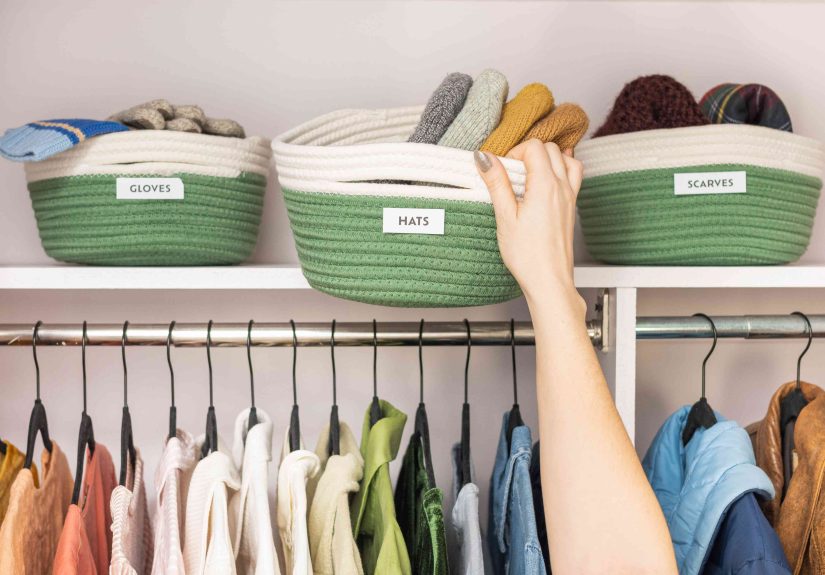
Spring closet resets are practically a professional organizer love language. As winter ends, organizers encourage people to review coats, sweaters, boots, scarves, gloves, and cold-weather accessories before packing them away. This is the moment truth finally gets a vote.
If you did not wear it this winter, there is a reason. Maybe it is itchy. Maybe it does not fit. Maybe it belongs to a version of you who thinks wool turtlenecks are “fun.” Whatever the case, spring is when the pros separate useful pieces from guilt-hangers.
What usually gets tossed or donated
Pilled sweaters, boots that hurt, ripped gloves, socks without partners, coats with broken zippers, and “aspirational” clothes that never make it into real rotation.
Why it matters
Closets become cluttered when they store fantasy identities instead of actual wardrobes. The more crowded your closet is, the harder it becomes to see the pieces you truly wear. That leads to decision fatigue, repeated purchases, and the deeply annoying belief that you “have nothing to wear” while standing in front of 87 hangers.
What pros do instead
They sort into keep, donate, repair, and toss. Repair only works if you will actually do it. If something has needed tailoring since the previous presidential administration, it is probably not a repair project. It is a goodbye project.
4. Expired Toiletries, Makeup, Sunscreen, and Bathroom Backups
The bathroom is sneaky. Because most items are small, clutter can pile up without looking dramatic. Then one day you realize you own five opened lotions, two crusty mascaras, half a bottle of sunscreen from who-knows-when, and enough hotel toiletries to supply a minor diplomatic summit.
Professional organizers consistently target bathroom products in spring because warmer weather changes what you use. You reach for sunscreen, bug spray, lighter skincare, travel toiletries, and grooming products more often. That makes it a perfect time to check what is expired, empty, ineffective, or never getting used.
What usually gets tossed
Expired makeup, dried-up nail polish, old sunscreen, empty bottles, broken hair accessories, crusty sponges, unused samples, and products that irritated your skin the first time and will absolutely not “suddenly become great” next month.
Why it matters
Bathroom clutter is not just visual clutter. It can also become hygiene clutter. Old products take up limited space and make everyday routines harder. When drawers are crowded, useful items disappear behind junk, and getting ready starts to feel like an archaeological dig.
What pros do instead
They keep only what is current, safe, and part of an actual routine. Backups are fine in moderation. Owning a reasonable spare is smart. Owning twelve half-used lip balms because you “might compare them later” is not inventory. It is chaos in a cute tube.
5. Cleaning Products You Hate, Duplicates, and Old Chemical Clutter
Here is an organizing truth that deserves more attention: if you hate using a cleaning product, you are far less likely to clean. Pro organizers know that supplies should be simple, effective, and easy to find. Spring is often when people discover they own duplicates of surface spray, half-empty specialty cleaners, and bottles of mystery chemicals that have somehow migrated to every sink in the house.
Some people also keep products for tasks they no longer do, surfaces they no longer own, or cleaning systems they abandoned after one very optimistic Saturday.
What usually gets tossed or safely disposed of
Empty bottles, products that no longer work for your household, duplicates you do not need, dried-out wipes, and unsafe clutter gathering in the laundry room, garage, or under sinks. Always follow label and local disposal rules for anything that should not go straight into household trash.
Why it matters
Too many products create confusion, crowd storage areas, and make routine cleaning harder than it needs to be. There is also no prize for keeping seven almost-empty sprays in case you one day form a cleaning-product jazz band.
What pros do instead
They simplify. They keep a small set of products they actually use, store them where they make sense, and label bins or zones clearly. A tidy cleaning kit beats a chemical jumble every time.
6. Paper Piles, Old Mail, Manuals, and Junk Drawer Fossils
If spring cleaning had a paper villain, it would be the pile that “isn’t that bad” until you try to move it. Paper clutter multiplies quietly: receipts, expired coupons, takeout menus, old school forms, outdated warranties, appliance manuals for appliances that died years ago, and mysterious notes that simply say things like “call Mike???”
Professional organizers regularly attack paper in spring because it blocks flat surfaces and raises stress faster than almost any other category. You walk by a paper pile and instantly feel behind on life, even if half of it is just grocery receipts and dentist reminders from last fall.
What usually gets tossed or recycled
Old mail, duplicate documents, outdated menus, expired coupons, irrelevant receipts, instruction manuals you can access online, dried-out pens, dead batteries stored incorrectly, and random drawer junk with no clear purpose.
Why it matters
Paper clutter makes spaces feel messy even when everything else is clean. It also increases the odds that you lose something actually important. The more useless paper you keep, the harder it is to spot the tax form, school notice, or insurance letter you really need.
What pros do instead
They create a simple system: action, file, recycle, shred. That is it. No elaborate rainbow spreadsheet required. Handle incoming paper quickly, and your dining table can go back to being a table instead of an administrative hostage situation.
7. Broken Seasonal Gear, Hobby Clutter, and Garage “Maybe” Stuff
Spring is when garages, mudrooms, patios, and storage corners get their annual reality check. Pro organizers often use the season change to review outdoor gear, gardening supplies, sports equipment, picnic accessories, pool items, and hobby clutter that built up over fall and winter.
This is where people keep broken chairs they mean to fix, dead garden gloves, rusted tools, leaky watering cans, faded picnic gear, random cords, and boxes labeled “misc.” There is no category more dangerous than “misc.” That label is basically clutter in witness protection.
What usually gets tossed or donated
Broken garden tools, worn seasonal decor, damaged outdoor toys, deflated pool gear, dried-up seed packets, extra hardware with no obvious use, and abandoned hobby supplies that no longer fit your life.
Why it matters
Seasonal storage areas become expensive when they hold junk instead of useful gear. They also make it harder to find the things you actually need when spring activities begin. Nothing kills a cheerful Saturday faster than spending 40 minutes looking for pruning shears under a broken badminton set and a mystery extension cord.
What pros do instead
They keep only working, relevant items and store them by activity. Gardening goes with gardening. Pool gear goes with pool gear. If an item has been broken for months and replacement would be easier than repair, they let it go.
How to Decide What to Throw Away and What to Donate
Not everything should head straight to the trash. Pro organizers usually use a few simple questions:
Ask yourself
Is it expired? Is it broken? Is it missing parts? Have I used it in the last season? Would I buy it again today? Does it support the life I actually live now?
If the answer is no across the board, that item is not serving you. Donate usable goods. Recycle what your area accepts. Properly dispose of products that require special handling. Trash the rest and move on without writing a farewell speech.
The Real Reason Spring Tossing Works So Well
Spring decluttering works because it lines up with a natural transition point. Your routines shift. Your clothes change. Your pantry habits change. Your bathroom needs change. You are already touching the spaces that support daily life, so it is easier to edit them with intention.
And honestly, spring has momentum. It feels hopeful. You open a window, hear birds outside, and suddenly you are capable of making bold choices like throwing away six expired sauces and a water bottle with no lid. Personal growth comes in many forms.
Professional organizers are not magic. They simply practice a skill most of us avoid: making faster, more honest decisions about our stuff. The secret is not perfection. It is repetition. Every spring, they toss what is no longer useful before it turns into next year’s clutter problem.
Experience: What I Noticed After Doing a Real Spring Purge
The first time I followed a serious spring decluttering routine, I expected the biggest change to be visual. I thought the reward would be cleaner counters, a tidier closet, and cabinets that no longer tried to attack me when opened. That happened, sure, but the bigger surprise was how much easier everyday life felt afterward.
The kitchen changed first. Once I threw away expired condiments, stale spices, and odd containers missing their lids, cooking stopped feeling like a scavenger hunt. I could see what I had. Grocery shopping became cheaper because I was no longer buying duplicates “just to be safe.” Even unloading groceries felt easier because there was space for what actually belonged there.
The closet purge hit me emotionally. I had sweaters I had not worn in years, boots that looked great but felt terrible, and a few pieces I kept because they represented the fantasy version of me who attends more chic winter gatherings than real life provides. Letting those go was weirdly freeing. Getting dressed became faster. I stopped digging past things I did not want to wear just to reach the clothes I loved.
The bathroom was the most satisfying five-minute victory. I tossed expired sunscreen, empty bottles, dried-up products, and random samples I had been saving for “travel” even though they had already traveled through three calendar years without ever leaving the drawer. Suddenly the cabinet looked twice as big, and my morning routine stopped feeling cluttered before the day even began.
Then came the paper pile. This was the category I avoided the longest because it looked boring, and boring clutter is sneaky. It does not scream for attention the way an overstuffed garage does. But once I recycled old mail, shredded outdated documents, and stopped letting random receipts live rent-free on countertops, the whole house felt calmer. Flat surfaces looked usable again. My brain felt less noisy.
The biggest lesson was this: clutter is not only about stuff. It is also about delayed decisions. Every item you keep “for later” asks your brain to remember, reconsider, or work around it. Throwing away the right things in spring does more than make a room prettier. It removes tiny points of friction from your day.
That is why professional organizers make spring tossing a habit rather than a dramatic annual event. They know the payoff is not just a cleaner home. It is less stress, faster routines, better visibility, and a living space that supports real life instead of storing old intentions. Once I experienced that, spring decluttering stopped feeling like a chore and started feeling like a reset button with excellent lighting.