Table of Contents >> Show >> Hide
- What Is a Brooklyn Brownstone, Exactly?
- 20 Photo-Worthy Reasons Brooklyn Brownstones Are Iconic
- 1. The signature brown facade
- 2. The stoop that turns an entrance into a stage
- 3. Parlor-floor windows that know how to make an entrance
- 4. Rows that create instant visual rhythm
- 5. Carved lintels, sills, and door surrounds
- 6. Iron railings that frame the climb
- 7. Cornices that crown the whole composition
- 8. Bay windows that add movement and light
- 9. Doorways with unmistakable personality
- 10. Garden-level depth and layered facades
- 11. Tree-lined blocks that soften the stone
- 12. Historic neighborhoods with distinct personalities
- 13. Styles that mix restraint and ornament
- 14. Interiors with tall ceilings and old-house drama
- 15. Fireplaces and mantels that anchor rooms
- 16. Staircases that make every floor feel like a reveal
- 17. Rear gardens that feel like secret rewards
- 18. Signs of age that add character, not just wear
- 19. Preservation that keeps entire blocks legible
- 20. They photograph like symbols, not just houses
- Why Brooklyn Brownstones Still Matter
- Brooklyn Brownstone Experiences: A Street-Level Love Letter
- Conclusion
Some buildings are just buildings. Brooklyn brownstones, on the other hand, are practically neighborhood celebrities. They have the kind of presence that makes people slow down, tilt their heads, and pretend they are absolutely not peeking through the parlor windows. With their deep brown facades, elegant stoops, iron railings, and old-school grandeur, these row houses have become one of the most recognizable symbols of Brooklyn architecture.
But what makes them so unforgettable? It is not just one feature. It is the whole package: the material, the craftsmanship, the rhythm of entire blocks, and the fact that these homes still feel lived in rather than frozen in amber. A great brownstone photograph captures more than a facade. It captures atmosphere, history, and the slightly unfair fact that some front doors simply have more charisma than others.
In this guide, we are taking a closer look at 20 visual details and design moments that explain why Brooklyn brownstones remain iconic. Along the way, we will explore their architectural roots, why they became so popular, and how neighborhoods like Brooklyn Heights, Park Slope, Bedford-Stuyvesant, Cobble Hill, Clinton Hill, and Prospect Heights helped turn the brownstone into a cultural legend.
What Is a Brooklyn Brownstone, Exactly?
A Brooklyn brownstone is usually a 19th-century row house with a facade clad in brownstone, a reddish-brown sandstone that became wildly fashionable in New York during the mid-to-late 1800s. Many of these homes were built as brick structures with a brownstone veneer on the street-facing side, which gave them a richer, more refined look without requiring the entire building to be carved from stone. In plain English, it was a clever architectural flex.
Brownstones became especially popular because they looked grand, could be carved into decorative details, and created a unified streetscape when built in long rows. Even now, that continuity is part of the magic. One beautiful townhouse is nice. A full block of matching or harmonizing brownstones is cinematic.
These homes also belong to the larger family of row houses: narrow, attached residences built shoulder to shoulder, often three to five stories tall and designed to make efficient use of urban land. In Brooklyn, those practical bones got dressed up in Italianate, Neo-Grec, Second Empire, Romanesque Revival, and Queen Anne details. The result was housing for the growing middle class that still looked impressively dressed for dinner.
20 Photo-Worthy Reasons Brooklyn Brownstones Are Iconic
1. The signature brown facade
The first thing any photo catches is the color. Brownstone starts out pinkish when freshly cut, then weathers into the warm chocolate tone that gives these homes their name. That soft, earthy color looks especially rich in morning and late-afternoon light, which is probably why a block of brownstones can make even a casual phone snapshot look like a magazine spread.
2. The stoop that turns an entrance into a stage
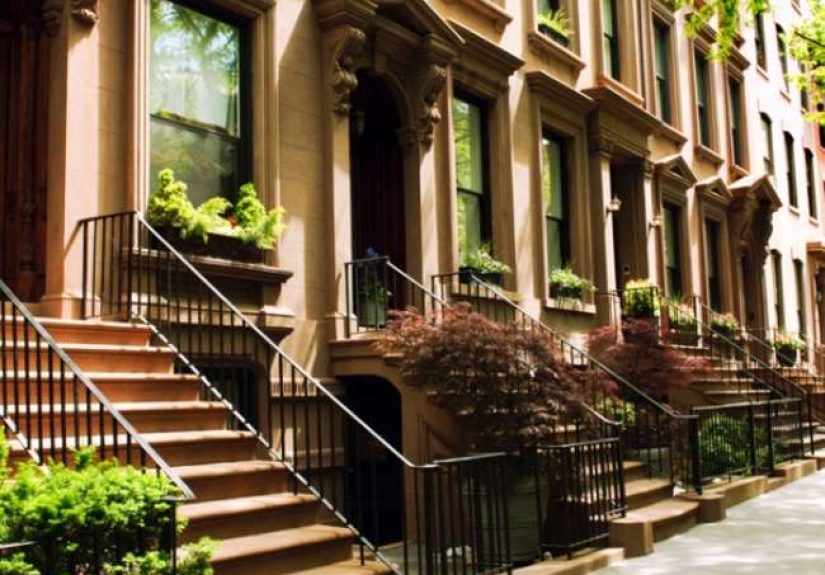
The stoop is not just a staircase. It is a social platform, an architectural drumroll, and a built-in photo prop. By lifting the main entrance above street level, the stoop gives the facade dignity and depth. It also creates that unmistakable layered look: sidewalk, railings, steps, landing, doorway. Few entry sequences in American residential design are this dramatic.
3. Parlor-floor windows that know how to make an entrance
Because the main entertaining floor was typically elevated, the front windows on the parlor level are often taller and grander than the rest. From the street, they add vertical elegance. From inside, they pull in light and make front rooms feel theatrical in the best way. If a house could say, “Please admire me responsibly,” these windows would be doing the talking.
4. Rows that create instant visual rhythm
A single brownstone is lovely, but a whole row is where the real magic happens. Repeated cornices, aligned stoops, matching rooflines, and facades placed shoulder to shoulder create a satisfying rhythm that photographers and pedestrians both love. It is urban order with a little swagger.
5. Carved lintels, sills, and door surrounds
Brownstone was popular in part because it could be carved more easily than harder stones. That made decorative trim affordable enough for stylish residential construction. Close-up photos often reveal some of the best details: floral motifs, incised lines, pediments, and window hoods that turn everyday openings into architectural jewelry.
6. Iron railings that frame the climb
Those black iron railings do a lot of quiet work. They guide the eye upward, sharpen the silhouette of the stoop, and add contrast against the brown facade. In photographs, they often supply the crisp lines that make a brownstone feel both sturdy and elegant. They are basically eyeliner for the house.
7. Cornices that crown the whole composition
Look up. The roofline is where many brownstones show off. Heavy bracketed cornices, molded trim, and decorative roof details finish the facade with confidence. Even when a passerby cannot name the style, they can feel the balance. The building looks complete, composed, and proud of itself.
8. Bay windows that add movement and light
Not every brownstone has them, but when they appear, bay windows make a strong impression. They project from the facade, catch changing light, and add extra dimension to narrow interiors. On a long block, they break up repetition just enough to keep the architecture lively.
9. Doorways with unmistakable personality
Brooklyn brownstone doors are often painted in deep greens, blacks, navy blues, oxblood reds, or glossy custom colors that stand out against the stone. Add transoms, etched glass, paneling, or historic hardware, and suddenly each entrance feels like a character introduction. Some doors whisper old money. Others say creative director with a compost bin.
10. Garden-level depth and layered facades
The raised entrance means the lower level remains visually important. Basement windows, areaways, retaining walls, and the underside of the stoop all create depth. This is one reason brownstone facades photograph so well compared with flatter house fronts. There is always shadow, layering, and a sense of texture.
11. Tree-lined blocks that soften the stone
Brownstones do not exist in isolation. They are part of streetscapes where mature trees, small front plantings, and seasonal color soften the formality of the architecture. In spring and summer, leaves filter light across the facades. In fall, the color contrast becomes ridiculous in the best possible way.
12. Historic neighborhoods with distinct personalities
Brooklyn Heights feels polished and old-soul elegant. Park Slope pairs grandeur with family-friendly energy. Bed-Stuy delivers some of the borough’s most memorable brownstone blocks, especially in Neo-Grec form. Cobble Hill and Clinton Hill add charm, intimacy, and architectural variety. Brownstones are iconic partly because they help each neighborhood keep a strong visual identity.
13. Styles that mix restraint and ornament
Not all brownstones look the same, and that is part of their appeal. Some are Greek Revival and orderly. Others lean Italianate, with more flourish. Neo-Grec homes often feature incised geometric detail, while Queen Anne and Romanesque examples bring more texture and visual play. A good photo series of brownstones reveals this range without ever losing the family resemblance.
14. Interiors with tall ceilings and old-house drama
Classic brownstone interiors often include tall ceilings, fireplaces, plaster moldings, ceiling medallions, pocket doors, and long sightlines from front to back. These homes were built narrow but not timid. Even when renovated for modern living, the best interiors preserve that sense of ceremony that begins the moment you climb the stoop.
15. Fireplaces and mantels that anchor rooms
Walk into a well-preserved brownstone parlor and the mantel will usually command attention. Marble, carved wood, tile, cast iron, or all of the above, these fireplace surrounds give rooms a focal point that modern construction rarely matches. In photographs, they instantly signal age, craftsmanship, and lived-in elegance.
16. Staircases that make every floor feel like a reveal
Brownstones tend to be vertically organized, and that makes staircases a design event. Even modest examples create a sense of procession from level to level. In interiors photography, stairs supply lines, movement, and that irresistible sense that something beautiful is waiting around the next landing.
17. Rear gardens that feel like secret rewards
One of the best surprises of a Brooklyn brownstone is that dramatic urban facade in front and a private garden in back can belong to the same home. Garden-facing additions, decks, and planted yards help these row houses feel far more expansive than their footprints suggest. City living, but with tomatoes if you are ambitious.
18. Signs of age that add character, not just wear
Weathering, repaired stoops, slightly softened edges, and patina on ironwork remind you that these are not theme-park reproductions. Brownstones have survived changing tastes, economic ups and downs, subdivision, restoration, and reinvention. Their imperfections often make them more photogenic because they feel real.
19. Preservation that keeps entire blocks legible
Part of what makes brownstones iconic is that so many still exist in coherent historic districts. Preservation has helped protect facades, rooflines, stoops, and the overall visual fabric of neighborhoods that might otherwise have lost their defining character. The result is that you can still walk a Brooklyn block and understand the 19th century at street level.
20. They photograph like symbols, not just houses
Ultimately, Brooklyn brownstones are iconic because they mean something beyond real estate. They stand for city history, craftsmanship, neighborhood continuity, and a version of urban life that feels intimate rather than anonymous. A brownstone photo is rarely just about masonry. It is about belonging, memory, and the possibility that your sidewalk can still have a personality.
Why Brooklyn Brownstones Still Matter
Brownstones endure because they solve two problems at once. They are beautiful, and they make city life feel human in scale. Their narrow widths, repeated facades, and pedestrian-friendly stoops create streets that invite walking, looking, and lingering. Even in a borough constantly shaped by development pressure, these blocks still offer rhythm, detail, and a sense of continuity that glass towers simply cannot fake.
They also matter because they tell the story of Brooklyn’s growth. Many brownstone neighborhoods expanded rapidly in the 19th century as transportation improved and the borough connected more tightly with Manhattan. What survives today is not only architecture but evidence of how middle-class urban life was designed, marketed, and experienced. That makes brownstones valuable as both homes and historical documents with better curb appeal than most documents usually manage.
Preservation is part of the story too. Brooklyn Heights famously became New York City’s first historic district in 1965, and later efforts helped protect brownstone-rich areas across the borough. More recent designations in Bedford-Stuyvesant show that the work is ongoing. These homes are not iconic because they were admired once. They are iconic because people keep fighting to maintain what makes them special.
Brooklyn Brownstone Experiences: A Street-Level Love Letter
To really understand the appeal of Brooklyn brownstones, you have to experience them the way regular people do: on foot, on a quiet block, with nowhere urgent to be. The best brownstone moments are rarely dramatic. They are slow and specific. You turn a corner in Park Slope and the light hits a row of facades at the same angle, making every stoop cast the same elegant shadow. You pass a doorway in Brooklyn Heights with a brass knocker polished by decades of hands. You glance up in Clinton Hill and catch the detail on a cornice you would have missed from a car. Suddenly you are walking slower, which is the architectural equivalent of applause.
There is also something oddly comforting about the repetition. The homes line up in neat succession, but each one sneaks in a little individuality. One has brighter planters. One has moodier paint. One has a front door that looks like it probably judges your shoes. From a distance, the block feels harmonious. Up close, it feels personal. That combination is a huge part of the brownstone charm.
Season changes make the experience even better. In spring, the trees leaf out and soften everything. In summer, stoops become tiny front porches where neighbors chat, kids pause, and packages wait with surprising optimism. In fall, the brown facades pick up the warm tones of the season so perfectly it almost looks staged. In winter, the bare branches reveal more of the architecture, and the houses look a little sterner, like they have put on their formal coats.
Then there is the interior imagination game, which every brownstone admirer plays whether they admit it or not. You look at the tall windows and wonder about the ceilings inside. You imagine fireplaces, pocket doors, old staircases, and sun moving across parlor floors. Even without stepping through the front door, the facade suggests a whole world of domestic history. That is rare. Most buildings show you what they are. Brownstones make you curious about what they have seen.
In Bedford-Stuyvesant and other historic brownstone neighborhoods, the experience carries even more emotional weight. These blocks are not just visually striking. They reflect generations of community life, ownership, adaptation, and neighborhood memory. The architecture is beautiful, yes, but it is the lived story inside and around it that gives the beauty staying power.
That may be the strongest reason Brooklyn brownstones remain iconic. They are photographable, but they are not superficial. They reward the camera, but they reward the walker even more. They make city streets feel layered, intimate, and worth noticing. In a hurry-up world, they still manage to slow people down. That is not bad for a row of old houses made famous by stairs, sandstone, and excellent posture.
Conclusion
Brooklyn brownstones are iconic because they combine craftsmanship, urban history, and everyday beauty in one remarkably photogenic package. Their stoops, facades, windows, cornices, and interiors do more than create pretty pictures. They create streets with identity. Whether you admire them for their architectural detail, their preservation story, or the way they make an ordinary walk feel cinematic, brownstones continue to define what makes Brooklyn visually unforgettable.