Table of Contents >> Show >> Hide
- Why In-Ground Pool Installation Requires Real Planning
- Tip 1: Choose the Right Location Before You Choose the Shape
- Tip 2: Understand the Main In-Ground Pool Types
- Tip 3: Build a Budget That Includes More Than the Pool
- Tip 4: Hire a Pool Contractor Like You Are Hiring a Surgeon for Your Backyard
- Tip 5: Design for Safety, Efficiency, and Easy Maintenance
- Tip 6: Think Beyond Opening Day
- Common Mistakes to Avoid During In-Ground Pool Installation
- Real-World Experience: What Homeowners Usually Learn After Building a Pool
- Conclusion
Installing an in-ground pool is one of those home projects that starts with a dreamy mental picture: blue water, sunny afternoons, floating loungers, and maybe someone handing you lemonade like you live in a resort commercial. Then reality walks in wearing work boots and says, “Great. Now let’s talk permits, soil conditions, drainage, fencing, plumbing, electrical work, and your budget.”
The good news? A new swimming pool can absolutely be worth it. It can turn a plain backyard into the most popular “room” in the house, give kids a reason to look up from their screens, and make summer entertaining feel effortless. The trick is planning your in-ground pool installation carefully before the excavator arrives and your lawn becomes a temporary crater with opinions.
This guide breaks down six practical tips for homeowners planning a new in-ground swimming pool, from choosing the right pool type to budgeting, safety, contractor selection, and long-term maintenance. Think of it as your calm, sunscreen-scented checklist before the big dig.
Why In-Ground Pool Installation Requires Real Planning
An in-ground pool is not just a hole filled with water. It is a permanent backyard system that combines construction, hydraulics, electrical equipment, safety barriers, water chemistry, landscaping, and local code compliance. A beautiful pool that is poorly located, under-budgeted, or hard to maintain can quickly become less “vacation at home” and more “expensive frog pond with lighting.”
Before choosing tile colors or debating whether a tanning ledge is essential to your happiness, start with the fundamentals. Where will the pool sit? What does your local building department require? How much deck space do you need? Can machinery access the yard? Where will the pool equipment go? Will drainage move water away from the house? These questions may not be glamorous, but they are what separate a smooth project from a stressful one.
Tip 1: Choose the Right Location Before You Choose the Shape
Pool design often begins with a shape: rectangle, freeform, kidney, L-shaped, or something so custom it looks like a luxury hotel sneezed elegantly. But the best pool shape depends heavily on the site. Your yard has rules, even if it has not politely told you yet.
Check setbacks, easements, and access
Most cities, counties, and homeowners associations have rules about how close a swimming pool can be to property lines, septic systems, wells, utility easements, and structures. Before installation, verify setbacks and permit requirements with your local building department. A pool that looks perfect on a sketch may need to move several feet once code requirements enter the conversation.
Access matters too. Excavation equipment needs a way into the backyard. If your only access point is a narrow side yard guarded by an air-conditioning unit, a fence, a beloved rose bush, and a grumpy neighbor’s window, your contractor will need a plan. Limited access can increase labor time and cost.
Think about sun, shade, wind, and privacy
A sunny pool stays warmer and feels more inviting, but full sun may also increase evaporation and make shade structures more important. Trees provide natural shade but also drop leaves, pollen, twigs, bugs, and mysterious organic confetti into the water. Wind can cool the pool and blow debris across the surface. Privacy matters too; if the pool sits directly in view of every second-story window nearby, your “peaceful swim” may feel like community theater.
Plan equipment placement early
Your pump, filter, heater, electrical controls, automation system, and plumbing need a practical location. The equipment pad should be accessible for service, far enough from outdoor living spaces to reduce noise, and placed according to local codes. Hiding equipment behind landscaping is fine; burying it behind a jungle of thorny shrubs is how pool technicians learn new vocabulary.
Tip 2: Understand the Main In-Ground Pool Types
The three most common in-ground pool types are concrete, fiberglass, and vinyl liner. Each can create a beautiful backyard pool, but each comes with different costs, timelines, design flexibility, and maintenance considerations.
Concrete pools
Concrete pools, often called gunite or shotcrete pools, offer the most design flexibility. They can be built in almost any shape, depth, or size, which makes them popular for custom designs, vanishing edges, beach entries, integrated spas, and dramatic architectural features. If your dream pool includes curves, steps, ledges, and a spa that looks like it belongs at a boutique resort, concrete may be the right fit.
The tradeoff is time and maintenance. Concrete pools usually take longer to build than fiberglass or vinyl liner pools. They also require surface care over time, and finishes such as plaster, pebble, or tile may eventually need repair or resurfacing.
Fiberglass pools
Fiberglass pools are manufactured as one-piece shells and delivered to the home. Because the shell is prebuilt, installation can be faster when access and site conditions are favorable. Fiberglass surfaces are smooth, which many homeowners like because they feel comfortable underfoot and can be easier to brush than rougher surfaces.
The main limitation is shape and size. You choose from available molds, so customization is more limited than concrete. Delivery also requires adequate access for a large shell, which can be an issue in tight neighborhoods or heavily landscaped yards.
Vinyl liner pools
Vinyl liner pools are often attractive to homeowners looking for a lower upfront cost compared with many concrete projects. They use a flexible liner fitted over a pool structure. Liners come in many patterns and colors, so the finished look can still be stylish and modern.
The key consideration is liner replacement. Vinyl liners do not last forever and can be damaged by sharp objects, pets, toys, or rough use. A vinyl pool can be a smart choice, but homeowners should include future liner replacement in the long-term budget.
Tip 3: Build a Budget That Includes More Than the Pool
One of the biggest mistakes in in-ground pool installation is budgeting only for the pool shell and forgetting the supporting cast. Unfortunately, a pool does not float into your yard fully dressed with fencing, decking, landscaping, lights, permits, and a charming patio umbrella. Those items cost money too.
Common cost factors
In-ground pool costs vary widely based on region, pool size, material, soil conditions, access, labor rates, and features. A simple vinyl liner pool in an easy-access yard may cost far less than a custom concrete pool with a spa, retaining wall, automation, heater, premium decking, and landscape lighting. Larger pools also require more excavation, more materials, more water, more decking, and often larger equipment.
Make room in your budget for permits, engineering if needed, excavation, hauling dirt, grading, drainage, electrical work, plumbing, gas lines for heaters, pool decking, fencing, gates, alarms, covers, lighting, startup chemicals, cleaning tools, landscaping, and repair of any lawn or irrigation damage caused during construction.
Add a contingency
A smart homeowner includes a contingency fund, often around 10 to 20 percent of the project budget. Why? Because the ground has secrets. Excavation may reveal rock, groundwater, unstable soil, old construction debris, or utility conflicts. Also, once the project begins, homeowners often decide they want “just one more thing,” which is how a basic pool becomes a pool with a spa, fire bowls, three deck jets, and a lighting system that could guide aircraft.
Budget for ownership, not just installation
After installation, your pool will need water testing, chemicals, electricity, filter cleaning, occasional repairs, winterizing in colder climates, and professional service if you do not want to handle maintenance yourself. Energy-efficient equipment, good circulation design, and a pool cover can reduce operating costs over time.
Tip 4: Hire a Pool Contractor Like You Are Hiring a Surgeon for Your Backyard
A great pool contractor can make the process organized, transparent, and even enjoyable. A bad one can leave you with delays, budget surprises, and a giant muddy hole that looks like your backyard tried to become a quarry. Choose carefully.
Ask the right questions
Before signing a contract, ask how long the company has been in business, whether it is licensed where required, whether it carries liability insurance and workers’ compensation, and whether it uses employees or subcontractors. Request local references and, if possible, visit completed pools that are a few years old. A pool can look great on day one; the real test is how it performs after several seasons.
Get a detailed written contract
Your contract should clearly describe the pool size, depth, material, equipment, decking, included features, payment schedule, estimated timeline, warranty coverage, permit responsibilities, cleanup expectations, and change-order process. Avoid vague language like “standard equipment” unless the exact model or specification is listed. “Standard” can mean anything from solid equipment to “whatever was in the warehouse next to a dusty inflatable flamingo.”
Be cautious with large upfront payments
Payment schedules vary by state and contractor, but avoid paying the full amount before meaningful work is completed. A reasonable schedule usually ties payments to milestones, such as contract signing, excavation, plumbing, shell installation, decking, and final completion. Keep records of payments and changes.
Tip 5: Design for Safety, Efficiency, and Easy Maintenance
Safety and efficiency should be included from the beginning, not sprinkled on at the end like poolside garnish. A pool that is safe, efficient, and easy to maintain will be more enjoyable and less stressful for years.
Make barriers non-negotiable
Residential pool safety guidelines commonly recommend a barrier at least four feet high around the pool or spa area, with self-closing, self-latching gates. Local codes may require specific fence heights, gate hardware, alarms, door protection, or pool covers. Follow your local requirements exactly. Safety barriers are not decorative extras; they are essential layers of protection, especially for children.
Consider door alarms, pool alarms, safety covers, non-slip decking, adequate lighting, and clear visibility from the house. Keep rescue equipment nearby and establish pool rules before the first cannonball. “No running” may sound boring until someone sprints across wet decking and learns physics the hard way.
Choose efficient equipment
A variable-speed pool pump can run at lower speeds for filtration, which may reduce energy use compared with single-speed operation. Properly sized filters, efficient heaters, LED lighting, automation controls, and smart scheduling can also help control operating costs. Ask your contractor to explain why each piece of equipment is sized for your pool volume, plumbing layout, and usage pattern.
Plan water-saving details
Evaporation is one of the biggest sources of pool water loss, especially in hot, dry, or windy areas. A pool cover can help reduce evaporation, keep debris out, and lower heating demand. Good leak detection, proper water level management, efficient filtration, and smart landscaping can also reduce wasted water. Avoid placing thirsty plants right next to the pool, where irrigation overspray and leaf debris can become a double headache.
Tip 6: Think Beyond Opening Day
It is easy to focus on the day the pool is filled and sparkling. That moment is exciting. The water is blue, the kids are vibrating with joy, and every adult suddenly believes they are “just five minutes away” from becoming a relaxed pool person. But the best pool designs look beyond opening day.
Design the whole outdoor living area
Pool enjoyment depends on more than water. You need comfortable deck space, shade, seating, storage, lighting, and safe walking paths. A small pool with excellent surrounding space may be more enjoyable than a large pool squeezed into a yard with no room for chairs, umbrellas, or actual humans.
Think about how people will move from the house to the pool, where towels will go, where guests will sit, and whether you need an outdoor shower or bathroom access. A pool placed beautifully but inconveniently can make every swim feel like a logistics exercise.
Plan for landscaping after construction
Pool construction is not gentle on a yard. Heavy equipment, dirt piles, trenches, and material staging can damage grass, irrigation, and existing plantings. Plan landscaping after major construction is complete. Choose pool-friendly plants that do not drop excessive leaves, fruit, needles, or flowers into the water. Keep roots away from plumbing and hardscape areas.
Learn basic pool care
Even if you hire a service company, learn the basics: how to test water, empty skimmer baskets, monitor water level, clean the filter, and recognize warning signs such as cloudy water, unusual equipment noise, leaks, or algae growth. A little knowledge can prevent small issues from becoming wallet-shaped emergencies.
Common Mistakes to Avoid During In-Ground Pool Installation
First, do not skip permits. Unpermitted pool work can create problems with inspections, insurance, resale, and safety compliance. Second, do not underestimate drainage. Water should move away from the home, pool shell, deck, and equipment area. Poor drainage can damage landscaping, undermine hardscaping, or create muddy zones that ruin the backyard experience.
Third, do not choose the cheapest bid without understanding why it is cheaper. One contractor may include permits, quality equipment, thicker decking, better cleanup, and stronger warranties, while another may leave those items out. Compare scopes, not just totals.
Fourth, do not forget the boring features. Equipment access, storage, electrical capacity, hose bibs, lighting, and shade may not get applause on social media, but they make the pool easier to live with. A pool should be beautiful, yes, but it should also function without requiring a weekly committee meeting.
Real-World Experience: What Homeowners Usually Learn After Building a Pool
Many homeowners discover that the pool itself is only half the project. The other half is everything around it. During the planning stage, people often spend hours choosing waterline tile, interior finish colors, or the exact shade of blue they want the water to appear at 3:00 p.m. on a sunny day. Those details matter, but the daily experience of owning a pool often depends more on practical choices: where the towels live, how much shade exists, how easy the filter is to reach, and whether the deck gets too hot for bare feet.
One common lesson is that size is emotional until maintenance begins. A large pool looks impressive, but it also needs more water, more chemicals, more heating energy, more cleaning time, and more surrounding space. Families who mostly want to cool off, lounge, and entertain may not need a massive deep-end pool. A smaller pool with a tanning ledge, bench seating, good lighting, and a generous patio can feel more useful than a larger pool that dominates the yard.
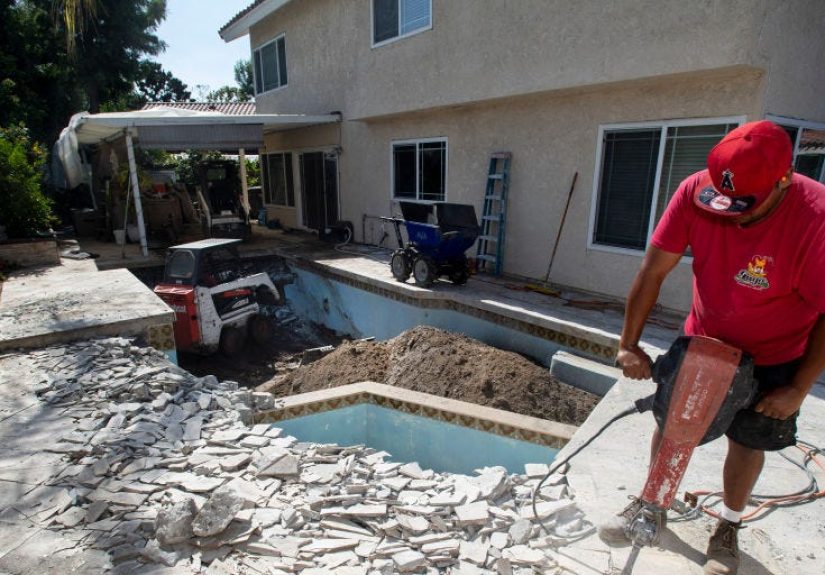
Another experience homeowners often share is that construction feels messy before it feels magical. Excavation can be loud. Dirt piles appear. Workers come and go. Weather delays happen. A backyard that once held grass and patio furniture may temporarily look like a construction documentary. This stage is normal, but communication helps. Ask your contractor how often you will receive updates, who your main contact is, and what decisions you need to make before each phase. The fewer last-minute choices you face, the better.
Homeowners also learn that pool placement affects daily habits. A pool close to the house may be easier to supervise and more convenient for quick swims. A pool farther away may create a peaceful retreat but require more lighting, pathways, and storage. If the pool is visible from the kitchen, living room, or patio, it can become a beautiful focal point even when nobody is swimming. If it is hidden behind awkward landscaping or placed where wind constantly drops debris into it, maintenance may become more annoying than expected.
Shade is another big lesson. In the excitement of planning a sunny pool, many people forget that swimmers eventually become snack-eating, towel-wrapped, sunscreen-reapplying land creatures. Shade from a pergola, umbrella sleeves, covered patio, pavilion, or strategically planted trees can make the entire pool area more comfortable. Just be careful with trees that shed heavily. A little shade is lovely; a daily leaf soup is less charming.
Many pool owners also wish they had planned more deck space. The water gets the attention, but the deck hosts the chairs, loungers, grill, cooler, toys, planters, and guests who insist they are “not swimming” until they absolutely do. Narrow decking may look fine on a plan, but in real life it can feel cramped. If the budget allows, prioritize usable patio space in the areas where people will gather most.
Finally, experienced pool owners often say that the best investment is simplicity. Simple equipment access, simple cleaning routines, simple safety rules, and simple landscaping all make pool ownership easier. A new in-ground swimming pool should improve home life, not add a second unpaid job. Build the pool you will actually use, not just the one that looks dramatic in a brochure. The best backyard pool is the one that fits your family, your climate, your budget, and your willingness to maintain it after the first splashy weekend is over.
Conclusion
In-ground pool installation is exciting, but it rewards homeowners who plan carefully. The best results come from choosing the right location, understanding pool types, building a realistic budget, hiring a qualified contractor, prioritizing safety and efficiency, and designing for long-term use. A swimming pool should feel like a private retreat, not a maintenance mystery with a diving board.
Take your time before construction begins. Ask detailed questions. Compare bids carefully. Think about how your family will actually use the space. When planned well, a new in-ground pool can become the heart of your backyard: part playground, part lounge, part entertainment zone, and part emergency happiness generator for hot summer afternoons.
Note: This article is for general homeowner education. Always verify local building codes, permit rules, safety requirements, utility marking procedures, HOA restrictions, and contractor licensing requirements before starting an in-ground pool installation.