Table of Contents >> Show >> Hide
- Why Some “Cute” Pet Breeds Worry Veterinarians
- Flat-Faced Dogs: When Breathing Becomes a Full-Time Job
- Flat-Faced Cats: The Same Problem, Different Species
- Scottish Folds: The Folded Ears Come With a Serious Catch
- Munchkin Cats: Tiny Legs, Big Ethical Questions
- Teacup Dogs: Tiny Bodies, Oversized Risks
- Shar-Pei, Dachshunds, and Other Breeds With “Cute” Complications
- Why Social Media Makes the Problem Worse
- How to Choose a Pet Without Supporting Harmful Breeding
- If You Already Own One of These Pets, What Should You Do?
- Experience Notes: What This Issue Looks Like in Real Life
- Conclusion: Cute Should Never Cost Comfort
Some pets are so cute they seem designed by a committee of cartoonists: squished noses, giant eyes, tiny legs, folded ears, chunky bodies, and the kind of face that makes the internet shout, “I need one immediately!” But ask many veterinarians what they see behind those viral photos, and the mood changes fast. The same features people call adorable can sometimes be signs of discomfort, restricted breathing, painful joints, eye injuries, skin infections, dental crowding, and a lifetime of expensive medical care.
This is why a vet may sound angry when people treat certain pet breeds like living plush toys. The anger is not aimed at the animals. French Bulldogs, Pugs, Persian cats, Scottish Folds, Munchkin cats, and tiny “teacup” dogs deserve love, comfort, and excellent care. The frustration is aimed at a culture that keeps rewarding extreme looks while ignoring the health problems those looks can create.
In other words, the issue is not that these pets are unlovable. The issue is that cuteness should never come with a built-in medical disclaimer the size of a shampoo bottle label.
Why Some “Cute” Pet Breeds Worry Veterinarians
Veterinarians are trained to notice function before fashion. A pet owner may see a tiny nose and think, “adorable.” A vet may see narrow nostrils, compressed airways, and a dog that has to work harder to breathe on a warm day. A social media viewer may see folded ears and think, “owl cat!” A vet may think about cartilage defects and painful arthritis.
The biggest concern is selective breeding for exaggerated physical traits. For generations, some animals have been bred not primarily for health, stamina, or natural movement, but for features humans find charming: flatter faces, shorter legs, rounder heads, heavier skin folds, and extra-small bodies. When those traits become extreme, the animal may pay the price every single day.
That is why the phrase “cute breed” can feel complicated. Cute to us may mean compromised to them. A snore may sound funny, but in a flat-faced dog it can be a warning sign. A waddle may look silly, but it may reflect joint strain. A permanently surprised facial expression may hide eye exposure or dental problems. Nature is not always subtle, but humans are very good at ignoring the memo when the memo has big shiny eyes.
Flat-Faced Dogs: When Breathing Becomes a Full-Time Job
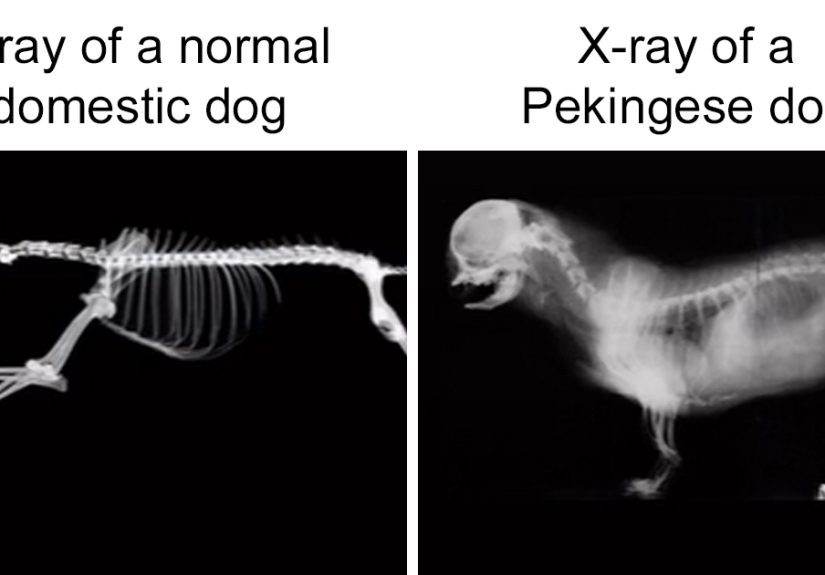
Flat-faced dogs, also called brachycephalic dogs, include breeds such as French Bulldogs, English Bulldogs, Pugs, Boston Terriers, Pekingese, and Shih Tzus. These dogs often have shortened skulls, narrow nostrils, elongated soft palates, smaller airways, and compacted facial anatomy. The result can be brachycephalic obstructive airway syndrome, commonly known as BOAS.
To the average person, a Frenchie snorting on the couch may look like peak comedy. To a vet, that snorting can mean the dog is struggling to move enough air. Some flat-faced dogs breathe loudly even at rest, tire quickly during exercise, gag, cough, overheat easily, or collapse in hot weather. Many cannot tolerate long walks, airline travel, intense play, or humidity the way longer-nosed dogs can.
French Bulldogs: America’s Favorite With a Heavy Health Conversation
The French Bulldog has become one of the most popular dog breeds in the United States. Compact, affectionate, expressive, and apartment-friendly, Frenchies have everything social media loves. Unfortunately, their popularity has also intensified concerns about irresponsible breeding.
French Bulldogs may face breathing problems, spinal issues, skin fold infections, allergies, eye conditions, heat sensitivity, and difficulty giving birth naturally. Many Frenchies require cesarean sections because their puppies’ heads and bodies may not pass safely through the birth canal. That is not just a quirky breed fact. It is a neon sign flashing, “Humans designed this animal into a corner.”
This does not mean every French Bulldog is doomed or that owners should feel ashamed for loving them. It means buyers should think carefully before creating more demand. If someone already has a Frenchie, the responsible path is regular veterinary care, weight control, careful heat management, airway evaluation, and a lifestyle built around the dog’s limits.
Pugs and Bulldogs: The Snore Is Not Always a Joke
Pugs and Bulldogs often appear in memes because their faces look permanently unimpressed with human nonsense. But those pushed-in faces can contribute to chronic breathing strain. The classic snuffling, wheezing, and snoring are often normalized as “just how the breed is.” That sentence makes many vets want to gently place their forehead on the nearest exam table.
Breathing difficulty is not a personality trait. A dog should not have to fight for oxygen because humans decided a shorter muzzle looked cuter. In severe cases, surgery may be recommended to widen nostrils or correct airway obstruction. Even then, surgery manages the problem; it does not erase the ethical question of why animals are bred this way in the first place.
Flat-Faced Cats: The Same Problem, Different Species
Dogs are not the only pets affected by extreme facial structure. Persian cats and Exotic Shorthairs can also be brachycephalic. Their round heads, large eyes, and flat faces make them look like royalty judging you from a velvet pillow. But under the glamour, some flat-faced cats struggle with breathing, tear duct drainage, eye irritation, dental crowding, and heat intolerance.
Persian cats may also be associated with inherited conditions such as polycystic kidney disease, depending on breeding lines. Ethical breeders screen for known health problems, but the broader concern remains: when the breed standard rewards an increasingly flattened face, animal welfare can become secondary to appearance.
A cat should be able to breathe comfortably, groom normally, eat without dental chaos, and live without constant eye discharge. If the animal looks like it ran face-first into a glass door in a cartoon, it may be time to ask whether the look is fair to the cat.
Scottish Folds: The Folded Ears Come With a Serious Catch
Scottish Fold cats became internet royalty thanks to their round faces and folded ears. They look like tiny owls who forgot to pay rent. The problem is that the folded ear trait is linked to a cartilage and bone disorder called osteochondrodysplasia. This condition can affect joints, limbs, tail, and mobility.
The folded ears are not simply a harmless fashion accessory. They are the visible sign of a genetic change involving cartilage. Some Scottish Folds may develop stiffness, lameness, painful arthritis, abnormal bone growth, or reluctance to jump and play. Cats are experts at hiding pain, which means owners may not realize how uncomfortable their pet has become until the problem is advanced.
Many veterinarians and welfare advocates question whether Scottish Folds should be bred at all. The debate is not about whether individual cats are sweet. They often are. It is about whether humans should keep producing animals with a trait linked to lifelong pain because the ears photograph well.
Munchkin Cats: Tiny Legs, Big Ethical Questions
Munchkin cats are known for their short legs, which come from a form of dwarfism. Their low-to-the-ground bodies can look charming, especially when they run like fuzzy little sports cars with questionable suspension. But short legs can affect jumping, grooming, movement, and joint health.
Some welfare organizations and veterinary experts worry that breeding cats for shortened limbs increases the risk of mobility issues and osteoarthritis. Cats evolved as agile climbers, leapers, hunters, and escape artists. Designing a cat that may struggle with normal cat behavior raises an obvious question: are we breeding for the animal’s quality of life, or for our entertainment?
There are happy Munchkin cats, and many owners adore them deeply. Still, ethical pet ownership means asking hard questions before buying one. A cat should not be turned into a novelty item because the internet likes short legs. The internet also likes videos of raccoons stealing pizza; this does not make raccoons qualified nutritionists.
Teacup Dogs: Tiny Bodies, Oversized Risks
The word “teacup” sounds delicate and luxurious, like something served at a fancy garden party by someone named Beatrice. In the dog world, however, “teacup” is often a marketing term rather than an official breed category. It usually describes very small versions of already small breeds such as Chihuahuas, Yorkies, Maltese, Pomeranians, or Toy Poodles.
Some very small dogs are healthy, especially when bred responsibly. The danger comes when breeders intentionally produce extreme miniaturization to meet demand for pocket-sized pets. Teacup dogs may face hypoglycemia, fragile bones, dental crowding, heart problems, liver shunts, difficult births, and increased injury risk. A tiny puppy may fit in a handbag, but that does not mean a handbag is a habitat.
The appeal is obvious: small dogs are portable, photogenic, and easy to cuddle. But tiny size should never be pursued at the expense of organ function, bone strength, or basic resilience. Responsible breeders prioritize health, temperament, and transparency. Irresponsible sellers prioritize emotional impulse buying and adorable photos taken next to coffee mugs.
Shar-Pei, Dachshunds, and Other Breeds With “Cute” Complications
Not every welfare concern involves a flat face. Some breeds have other exaggerated traits that can cause problems. Shar-Pei dogs, for example, are famous for deep wrinkles. Those folds may look lovable, but they can trap moisture and debris, leading to skin infections and irritation. Their eyelids may also roll inward, a condition called entropion, causing lashes to rub painfully against the eye.
Dachshunds are beloved for their long bodies and short legs. They are clever, bold, and often convinced they are six-foot-tall security guards. But their body shape is associated with increased risk of intervertebral disc disease, a spinal problem that can cause pain, weakness, or paralysis. Again, the point is not that Dachshunds are bad pets. The point is that owners should understand breed-specific risks before choosing one.
Responsible ownership means loving the whole animal, not just the silhouette. A breed’s iconic look may come with responsibilities that are easy to miss when staring at puppy photos at 1 a.m., which, medically speaking, is when the internet makes its worst decisions.
Why Social Media Makes the Problem Worse
Social media rewards instant visual impact. A pet with giant eyes, a squashed face, or unusual proportions stands out in a feed. The more unusual the animal looks, the more likely people are to like, share, comment, and ask, “What breed is this?” That attention can drive demand, and demand can drive breeding.
The problem is that a viral photo does not show the vet bills, the airway surgery, the itchy skin folds, the chronic pain medication, or the summer days spent indoors because a short walk could trigger overheating. A cute clip rarely includes the owner sitting in an emergency clinic at midnight, terrified because their dog cannot breathe comfortably.
This is why veterinarians keep speaking up. They are not trying to ruin anyone’s joy. They are trying to widen the camera angle. A pet is not a prop, accessory, or content strategy. A pet is a living animal whose comfort matters more than human aesthetics.
How to Choose a Pet Without Supporting Harmful Breeding
If you love a breed that has known health concerns, start with research rather than impulse. Learn about common medical issues, expected costs, insurance options, lifestyle limitations, and what responsible breeders should test for. Ask breeders direct questions about airway health, orthopedic screening, genetic testing, parent health, temperament, and whether they will take the animal back if needed.
A responsible breeder should welcome serious questions. They should not pressure you, hide medical history, refuse visits, avoid health testing, or sell puppies and kittens like limited-edition sneakers. Red flags include multiple litters available at once, unusually low prices, vague answers, no veterinary records, and an obsession with rare colors or extreme features.
Adoption is also a powerful option. Shelters and breed-specific rescues often have wonderful animals waiting for homes, including purebred pets. Adopting an animal with special needs can be deeply rewarding when the owner is prepared. The key is honesty: know what care the pet may need and commit to meeting those needs.
If You Already Own One of These Pets, What Should You Do?
First, do not panic and do not feel attacked. Loving a pet with inherited health risks does not make someone a bad owner. Many people bought or adopted animals before they understood the bigger welfare debate. What matters now is care.
For flat-faced dogs and cats, schedule regular veterinary checkups and ask specifically about breathing, weight, dental health, eye health, and heat safety. Keep pets lean, because extra weight makes breathing and joint problems worse. Avoid intense exercise in heat or humidity. Use harnesses instead of neck collars for dogs with airway issues. Watch for noisy breathing, blue gums, collapse, coughing, gagging, exercise intolerance, or sudden fatigue.
For Scottish Folds, Munchkins, Dachshunds, and other pets with skeletal concerns, monitor mobility closely. Reluctance to jump, stiffness, hiding, irritability, limping, or changes in grooming may signal pain. Provide ramps, soft bedding, weight control, and veterinary pain management when needed. Never assume a pet is “just lazy” if movement has become uncomfortable.
Experience Notes: What This Issue Looks Like in Real Life
Anyone who has spent time around pet owners knows how emotional this topic can be. People do not choose a French Bulldog, Persian cat, Scottish Fold, or tiny Yorkie because they want an animal to suffer. They choose them because the pet looks sweet, fits their lifestyle, or reminds them of a beloved animal they once had. The bond is real. The affection is real. The problem is that love often begins after the breeding decision has already been made.
Imagine a family bringing home a flat-faced puppy because he looks like a little potato with ears. Everyone laughs at his snorts. He sleeps on his back, snores during movies, and waddles after toys with heroic determination. At first, the noises seem like part of his charm. Then summer arrives. A five-minute walk becomes a breathing struggle. He pants heavily in air conditioning. A routine outing turns into an emergency vet visit. Suddenly the family realizes the funny snore was not funny at all. It was information.
Or picture someone adopting a Scottish Fold because the cat’s folded ears make her look gentle and wise. The cat is affectionate, quiet, and photogenic. Years later, she stops jumping onto the windowsill. She hesitates before climbing stairs. She no longer chases toys across the floor. The owner may think she is simply aging, but a veterinarian may identify joint pain linked to the same trait that made her famous-looking in the first place. That moment can be heartbreaking because the owner loves the very feature that may have contributed to the cat’s discomfort.
There is also the experience of the careful owner who does everything right after the fact. They buy cooling mats, schedule airway assessments, keep their dog lean, clean skin folds, brush crowded teeth, install ramps, purchase pet insurance, and learn every warning sign. These owners are not the villains of the story. Many become fierce advocates for better breeding because they have seen the reality up close. They know the difference between loving an individual animal and supporting a trend that creates more animals with preventable problems.
The most useful lesson is simple: cuteness should invite care, not cloud judgment. Before choosing a pet, look beyond the face. Ask how the animal breathes, moves, sleeps, eats, gives birth, regulates heat, and ages. Ask whether the trait you admire helps the animal live well or merely helps humans say “aww.” A healthy pet is still cute. A comfortable pet is still charming. A dog who can run without gasping and a cat who can jump without pain are beautiful in ways no filter can improve.
Conclusion: Cute Should Never Cost Comfort
The vet who gets angry about “cute” breeds is usually not angry at pets or the people who adore them. The anger comes from seeing preventable suffering repeated generation after generation because humans keep rewarding extreme looks. A squished nose, folded ear, tiny body, or short leg may melt hearts, but it should also raise questions.
Pet lovers have more power than they think. Every adoption, purchase, share, and comment helps shape demand. When people choose health over novelty, support ethical breeders, adopt thoughtfully, and refuse to glamorize harmful traits, the market changes. The future of pet ownership should not be about creating animals that look cute despite discomfort. It should be about celebrating animals who can breathe, move, play, rest, and live as comfortably as possible.
That is the kind of cute worth going viral for.